Publications /
Opinion

The author of this opinion, Salem Afeworki, is a 2016 alumna of the Atlantic Dialogues Emerging Leaders Program.
Creating sustainable, carbon-free cities requires more than technical and technological solutions—it demands a fundamental shift in leadership and decision-making. After sixteen years leading sustainability initiatives across four continents, I've discovered that intergenerational leadership is both morally right and strategically essential for effective and lasting climate action.
The Business Case for Age Diversity in Climate Leadership
Mounting evidence confirms what I've witnessed firsthand: bridging the intergenerational leadership gap helps drive innovation, ensures long-term success, and fosters regenerative value creation. Cities and organizations that embrace age-diverse leadership in their sustainability efforts gain significant advantages through five key decision-making dynamics.
First, intergenerational teams foster greater empathy with stakeholders across demographic groups. In Costa Mesa, our collaboration on climate initiatives with Orange County Sustainability Decathlon (OCSD) gained broader community support when led by teams that spanned multiple generations. Young ‘digital natives’ helped us communicate complex climate concepts through innovative channels, while senior leaders provided institutional credibility that encouraged widespread take up of sustainable practices.
Second, age-diverse leadership creates better temporal balance in decision-making. Working with Los Angeles County Public Works, I observed how younger team members consistently advocated longer-term investment in climate resilience, while more experienced colleagues ensured we kept to practical short-term benchmarks. This balance proved crucial when developing the city's carbon neutrality roadmap, allowing us to set ambitious targets while establishing realistic implementation timelines.
Third, intergenerational teams overcome the ‘success trap’ that can hamper climate innovation. Some years ago, as a global One Young World Ambassador, I witnessed a high school climate group collaborate with senior City planners as part of a project on building electrification strategies. The school group questioned long-held assumptions about implementation costs and timelines. Their fresh perspectives helped the team develop a proposal that accelerated the carbon neutrality timeline by five years—something our traditional planning process would have deemed impossible.
Fourth, the creative friction generated by age-diverse teams enhances problem-solving capabilities. When facing complex challenges, such as how to decarbonize transportation systems, our most innovative solutions emerged from collaborative sessions in which youthful idealism met seasoned pragmatism. These complementary perspectives generated breakthrough approaches that neither group could have developed independently.
Finally, intergenerational leadership strengthens organizational commitment to environmental and social concerns. During my time as a Los Angeles Metro Sustainability Council member, I've consistently found that younger team members bring heightened urgency and ethical commitment to climate work, while their senior counterparts contribute valuable knowledge about how to navigate institutional barriers to change. Together, we were able to establish trusted and open communication that ensured that sustainability initiatives continued, despite changes in leadership and agency priorities.
Driving Impact Across Three Critical Dimensions
Multidisciplinary and multigenerational collaboration help cities and organizations achieve greater impact in three interconnected areas:
Environmental Impact: Intergenerational leadership teams excel at thinking outside the box and at innovation—fundamentally rethinking business as usual, making improvements and scaling up sustainability efforts. When developing the State of Sustainability for Los Angeles and Orange County report, with volunteers from the American Society of Civil Engineers (ASCE), our age-diverse sustainability committee members and survey participants suggested holistic approaches to problem solving that integrate affordable housing, sustainable construction materials, urban and transportation planning, workforce development, and emissions reduction. This comprehensive sustainability strategy will help achieve carbon reductions while simultaneously addressing multiple community needs.
Social Impact: Age-diverse leadership consistently improves corporate social responsibility outcomes and community wellbeing. In my experience of working on international development projects, bringing together young people and senior professionals in climate planning helps ensure that equity considerations remain central to decarbonization efforts. This approach has helped us develop climate initiatives that have reduced emissions while addressing the current and future needs of vulnerable and historically disfranchised communities.
Economic Impact: While the connection between age-diverse leadership and financial performance can be complex, research shows consistently that intergenerational teams drive longer-term economic success. Our energy retrofit projects at the City of Costa Mesa, developed by cross-generational and multidisciplinary teams, lowered energy costs and reduced greenhouse-gas emissions—demonstrating that well-designed climate initiatives can deliver numerous forms of value simultaneously.
Putting Intergenerational Leadership into Practice
For cities serious about decarbonization, embracing age-diverse leadership is not optional—it's essential. Every community can take three practical steps:
First, establish formal knowledge-exchange mechanisms between generations. Structured mentorship programs, reverse mentoring initiatives, and collaborative workshops create spaces where diverse perspectives can shape climate strategies. These approaches helped us secure over $1.2 million in sustainability grants, by combining innovative approach and youthful creativity with experienced grant-writing expertise.
Second, ensure meaningful youth participation in decision-making bodies. Young people deserve more than symbolic representation—they need to be given genuine authority in climate governance. When we elevated young people to leadership roles in our sustainability initiatives, their perspectives transformed our approach, making it more ambitious, equitable, and forward-thinking.
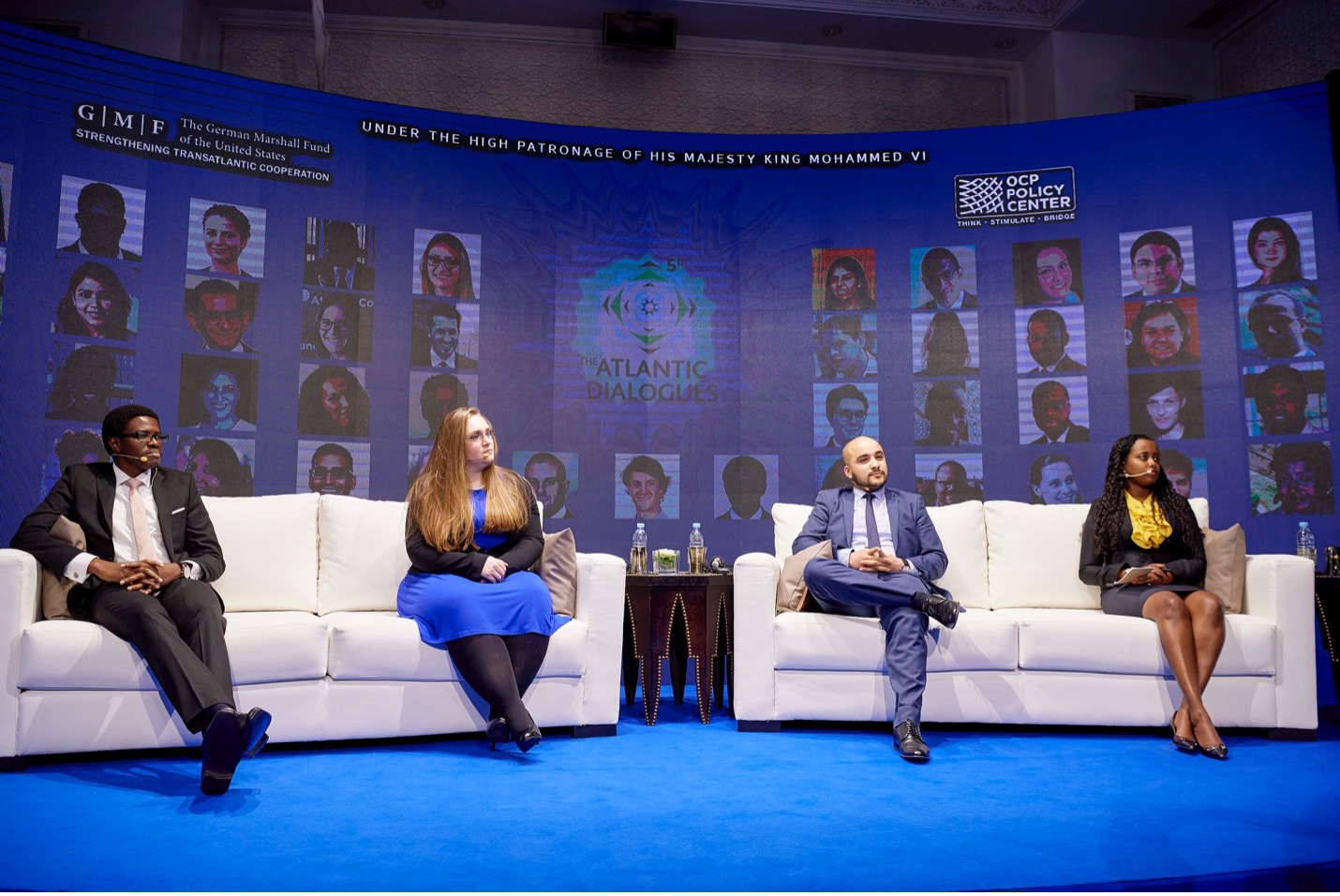
Third, create inclusive environments that value contributions across age groups. Age discrimination remains common in professional settings, yet inclusive workplaces that validate different life experiences empower all team members to contribute their unique insights to climate solutions.
The unprecedented challenge of creating carbon-free cities demands unprecedented collaboration across generations. By embracing intergenerational leadership, we can harness the complementary strengths of all age groups—the digital fluency and urgency of young people, the technical expertise of mid-career professionals, and the wisdom and institutional knowledge of seniors—to accelerate our transition to truly sustainable communities.
What step will you take today to bridge the intergenerational leadership gap in your climate work?
Publication referred for the article - https://www.un.org/youthaffairs/sites/default/files/2025-05/UN%20Youth_CoR_SGS_2025_Intergenerational%20Leadership.pdf.