(FR) Urban Policy and Transformation in Morocco

July 6, 2026

Cette interview explore les grands enjeux de l’urbanisation au Maroc, en mettant l’accent sur les défis de gouvernance, de planification et de politiques publiques. Elle revient sur l’évolution des modèles de développement urbain, les effets du changement climatique sur les villes, ainsi que sur les opportunités offertes par la Coupe du Monde 2030 pour engager une transformation urbaine plus durable, inclusive et résiliente.
 

Speakers
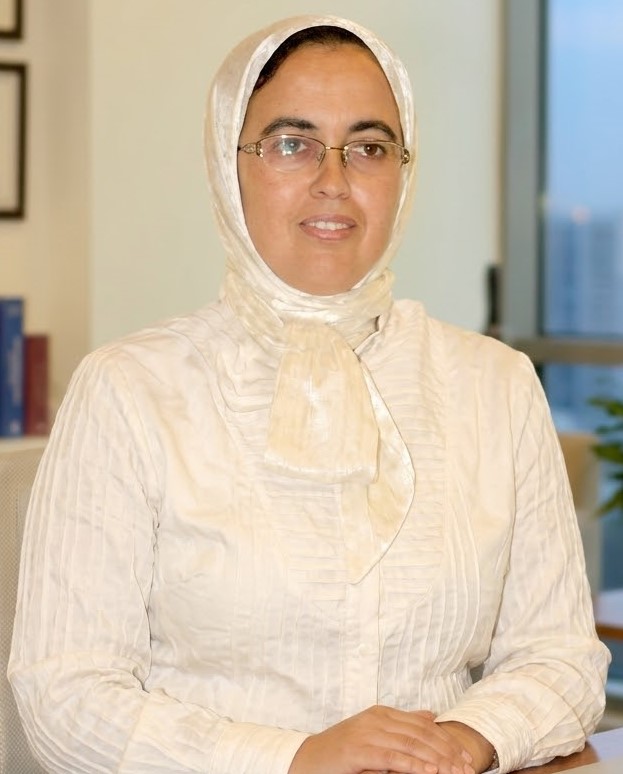
Khadija Karibi
Professor, National School of Architecture, Rabat
Khadija Karibi is an architect and urban planner with a doctorate in urban geography. She is a Full Professor at the National School of Architecture in Rabat, Morocco, and holds a habilitation to direct research. She heads a fifth-year architecture studio, teaches urban planning trends, and coordinates the ‘Architecture and Associated Disciplines’ doctoral course. She is co-editor of the African and Mediterranean Journal of Architecture and Urbanism (AMJAU), Institut Marocain de l'Information Scientifique et Technique (IMIST); Centre National pour la Recherche Scientifique et Technique (CNRST). She has contributed to several research projects and urban studies and has published a book, collective volumes, and academic articles. Her expertise focuses on urban planning and devel ...
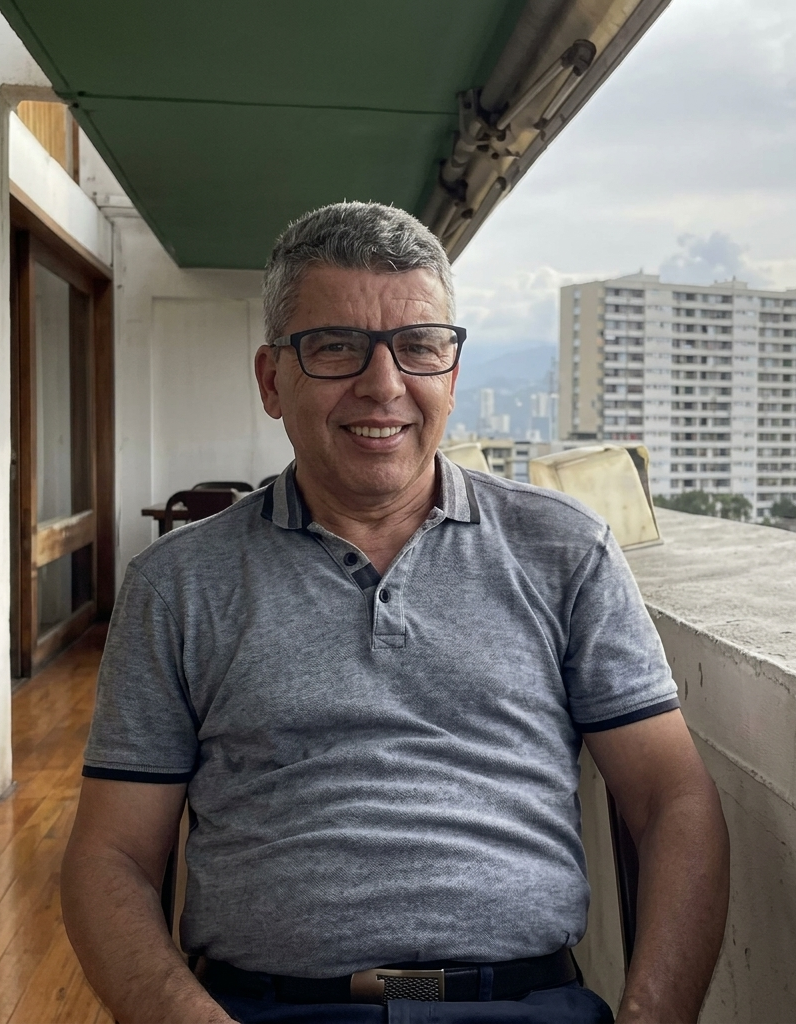
Kharmich Hassane
Professor, National School of Architecture, Rabat
Hassane Kharmich, PhD in geography and planning, is a Full Professor of cities and urban planning at the National School of Architecture in Rabat, Morocco. He is the publishing assistant of the African and Mediterranean Journal of Architecture and Urbanism (AMJAU), IMIST CNRST. He leads the research laboratory “Housing, Architecture, and Urbanization of Territories” (LabHAUT), and oversees the hosting structure for doctoral students from the Doctoral Studies Center “Architecture and Associated Disciplines.” He has authored several publications and is involved in research programs on the medina, architectural heritage, metropolization, and urban planning. ...
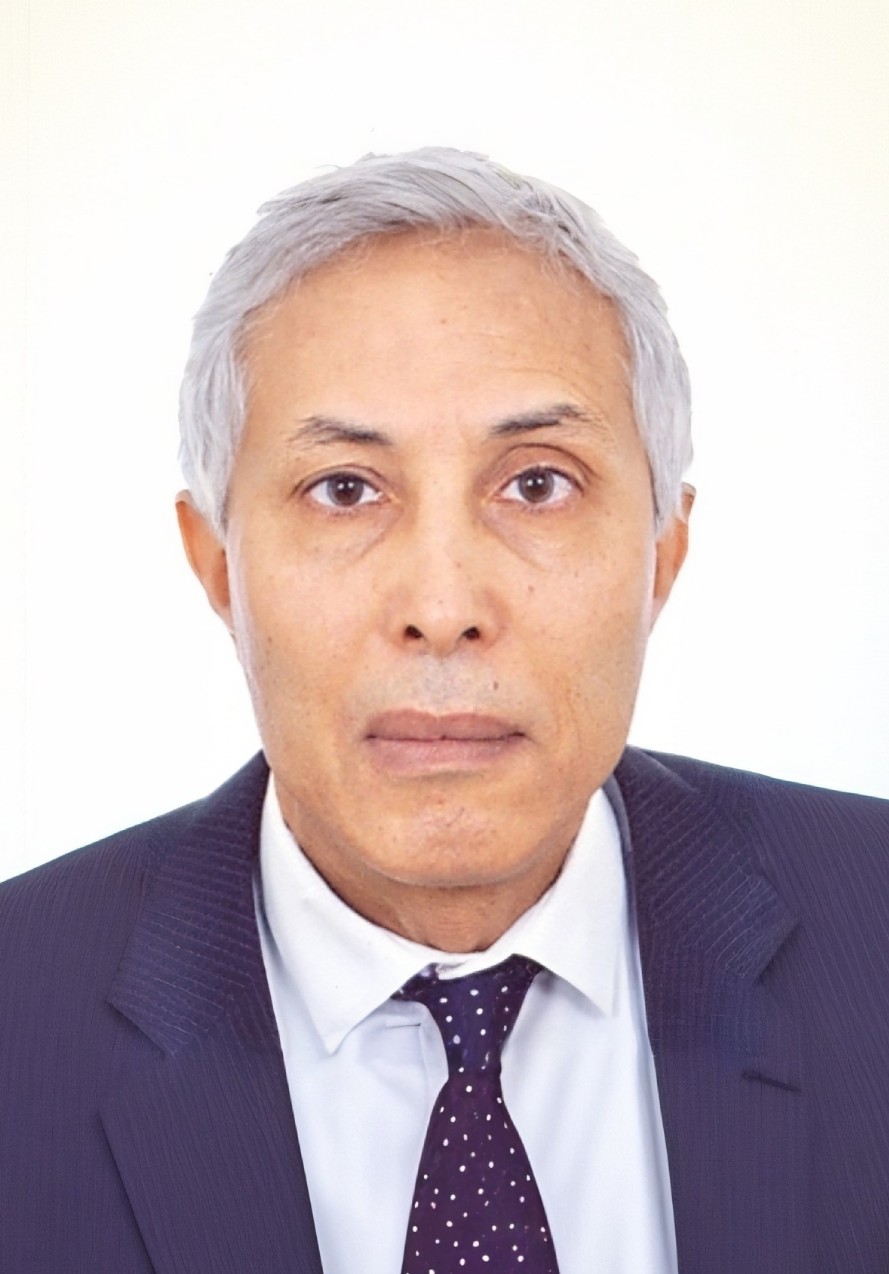
El Harrouni Khalid
Professor and Director of Research, National School of Architecture, Rabat
Khalid El Harrouni is a Full Professor of civil engineering and computational mechanics and Director of the UNESCO Chair “Education and Research on Sustainable and Bioclimatic Urban Planning and Architecture.” As Deputy Director of Research at the National School of Architecture in Rabat, he is responsible for the Doctoral Studies Centre, “Architecture and Related Disciplines,” and serves as scientific coordinator for the theme “Sustainability in Architecture and Urbanism.” He is the editor-in-chief of the African and Mediterranean Journal of Architecture and Urbanism (AMJAU) and an expert member of International Council on Monuments and Sites (ICOMOS), The International Scientific Committee on the Analysis and Restoration of Structures of Architectural Heritage (ISCARSAH), In ...

RELATED CONTENT

  • Authors
    December 2, 2025
    This paper assesses the economic and environmental implications of Morocco’s strategic transition from internal combustion engine vehicle (ICEV) manufacturing to electric vehicle (EV) production, with a particular focus on the regional impacts of localizing high-value battery manufacturing. Using an interregional input-output model, extended with environmental satellite accounts, the study simulates a structural shock related to the wholesale substitution of ICEV-specific inputs wit ...
  • November 25, 2025
    This Policy Paper analyses the Fourth Industrial Revolution (4IR) through the critical lens of technological colonialism. It argues that the fusion of physical, digital, and biological technologies is not merely a technical phenomenon but a civilizational shift reshaping the foundations of global power. The article traces a historical continuum from previous industrial revolutions, demonstrating how patterns of inequality and extraction persist, now transposed into the digital realm ...
  • Authors
    Jean Louis-Sarbib
    October 18, 2023
    Addressing inequalities in all their forms has emerged as one of the major global challenges faced by numerous countries across the globe, particularly in Africa. In a context where Africa faces many pressing challenges that are the subject of much analysis (Sarbib et al. 2022), there is a clear gap in conducting comprehensive reviews focused on inequalities, partly due to the lack of available data. Inequalities, which are both consequences and partial causes of poor development o ...
  • August 29, 2023
    In this conversation, Ms. Lina Khatib, the Director of SOAS University's Middle East Institute, delves deep into pressing regional issues. She highlights what policymakers can do to ensure the equitable distribution of economic development benefits and prevent any regression. Khatib als...
  • August 28, 2023
    Le secteur informel joue un rôle crucial dans le développement économique et social du Maroc en tant que filet de sécurité pour de nombreux travailleurs. Cependant, sa concentration dans de petites entreprises qui manquent de moyens de production sophistiqués peut entraver la croissance...
  • July 18, 2023
    Le secteur informel est une composante essentielle de l'économie marocaine, employant une large partie de la population, mais nuisant à la productivité, aux recettes fiscales de l’État et à la croissance économique à long terme. Sur la base de la définition adoptée dans cette étude et qui définit les travailleurs informels comme étant ceux qui ne sont pas couverts par les régimes contributifs de sécurité sociale de la Caisse nationale de sécurité sociale (CNSS) et d ...
  • Authors
    Gladys Lopez-Acevedo
    Marco Ranzani
    Nistha Sinha
    Adam Elsheikh
    June 23, 2023
    This report was originally published on openknowledge.worldbank.org The long-standing informality debate in the Middle East and North Africa (MENA) Region has taken on a new urgency as it looks for a pathway to more socially inclusive growth that is less reliant on fossil fuels. This is occurring against a backdrop of subpar labor market outcomes, further growth setbacks, and deteriorating fiscal and current account de ficits in the aftermath of the COVID-19 pandemic—and in the wak ...
  • June 13, 2023
    يعد ميثاق الاستثمار الجديد، الصادر، في دجنبر 2022، والذي تم تطبيق أول مراسيمه، في يناير المنصرم، خارطة الطريق الإستراتيجية لإعطاء نفس جديد للاستثمار بالمغرب، الذي من شأنه أن يعزز تنافسية ...
  • Authors
    Inácio F. Araújo
    May 5, 2023
    This paper presents a synthetic view of the socioeconomic and environmental impacts of the economic sectors and regions that make up the Moroccan economy, taking into account the current economic structure and production technologies. Therefore, the potential effects must be understood as signals to think about interventions aimed at redirecting the desired trajectories of sustainable development. The application of the tools developed to give scientific support to this analysis rev ...