Cette interview explore les grands enjeux de l’urbanisation au Maroc, en mettant l’accent sur les défis de gouvernance, de planification et de politiques publiques. Elle revient sur l’évolution des modèles de développement urbain, les effets du changement climatique sur les villes, ainsi que sur les opportunités offertes par la Coupe du Monde 2030 pour engager une transformation urbaine plus durable, inclusive et résiliente.
Speakers
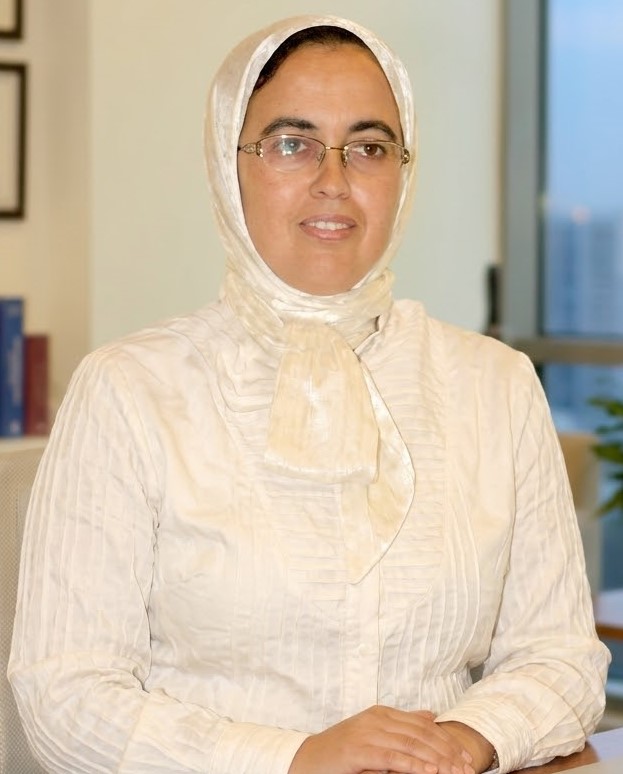
Khadija Karibi
Professor, National School of Architecture, Rabat
Khadija Karibi is an architect and urban planner with a doctorate in urban geography. She is a Full Professor at the National School of Architecture in Rabat, Morocco, and holds a habilitation to direct research. She heads a fifth-year architecture studio, teaches urban planning trends, and coordinates the ‘Architecture and Associated Disciplines’ doctoral course. She is co-editor of the African and Mediterranean Journal of Architecture and Urbanism (AMJAU), Institut Marocain de l'Information Scientifique et Technique (IMIST); Centre National pour la Recherche Scientifique et Technique (CNRST). She has contributed to several research projects and urban studies and has published a book, collective volumes, and academic articles. Her expertise focuses on urban planning and devel ...
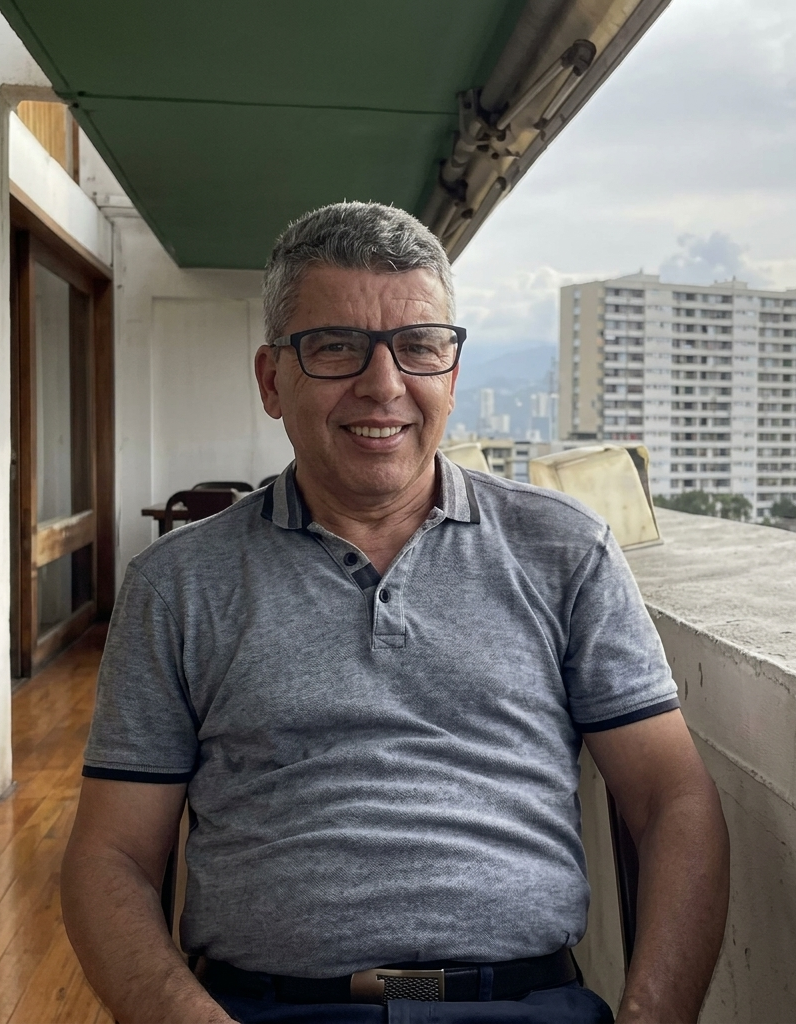
Kharmich Hassane
Professor, National School of Architecture, Rabat
Hassane Kharmich, PhD in geography and planning, is a Full Professor of cities and urban planning at the National School of Architecture in Rabat, Morocco. He is the publishing assistant of the African and Mediterranean Journal of Architecture and Urbanism (AMJAU), IMIST CNRST. He leads the research laboratory “Housing, Architecture, and Urbanization of Territories” (LabHAUT), and oversees the hosting structure for doctoral students from the Doctoral Studies Center “Architecture and Associated Disciplines.” He has authored several publications and is involved in research programs on the medina, architectural heritage, metropolization, and urban planning.
...
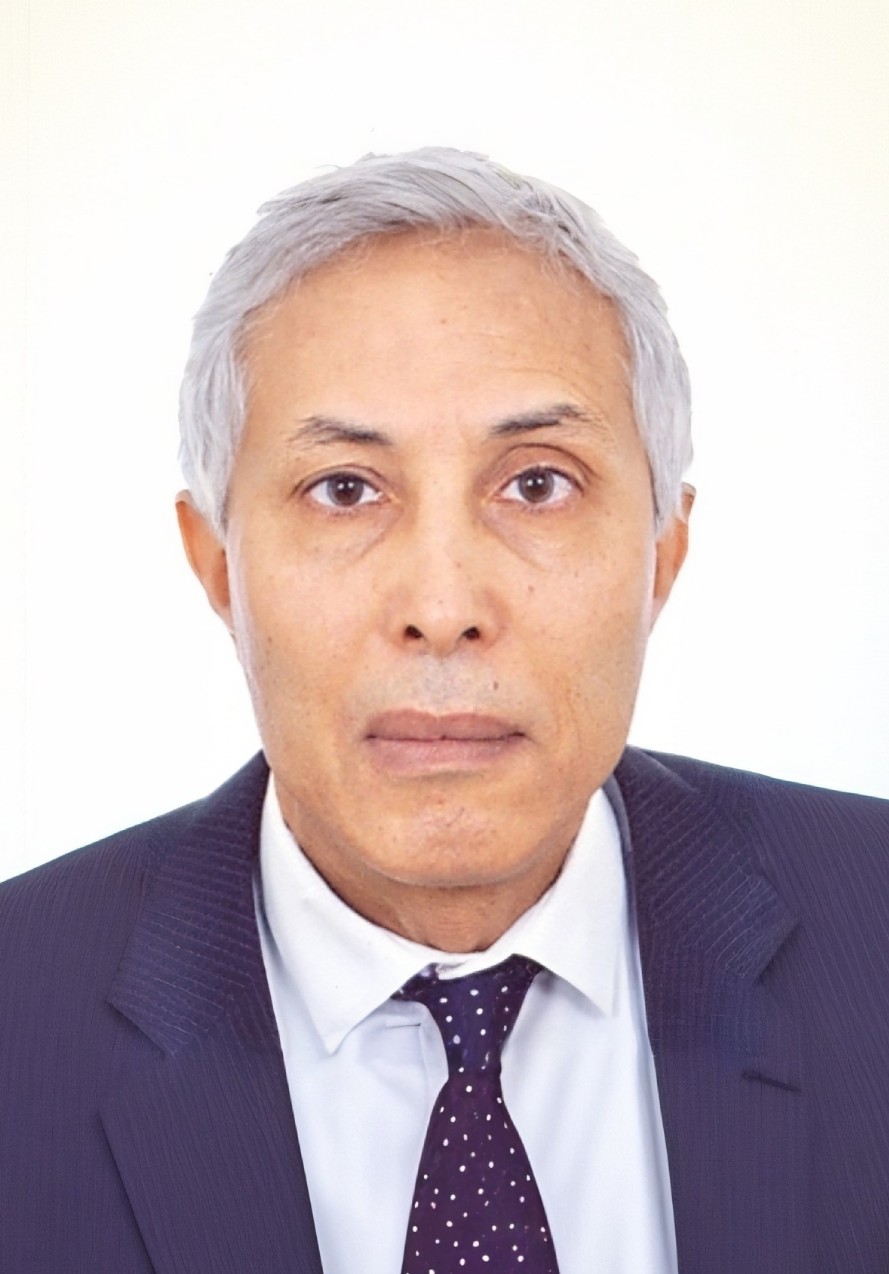
El Harrouni Khalid
Professor and Director of Research, National School of Architecture, Rabat
Khalid El Harrouni is a Full Professor of civil engineering and computational mechanics and Director of the UNESCO Chair “Education and Research on Sustainable and Bioclimatic Urban Planning and Architecture.” As Deputy Director of Research at the National School of Architecture in Rabat, he is responsible for the Doctoral Studies Centre, “Architecture and Related Disciplines,” and serves as scientific coordinator for the theme “Sustainability in Architecture and Urbanism.” He is the editor-in-chief of the African and Mediterranean Journal of Architecture and Urbanism (AMJAU) and an expert member of International Council on Monuments and Sites (ICOMOS), The International Scientific Committee on the Analysis and Restoration of Structures of Architectural Heritage (ISCARSAH), In ...