(FR) Urban Policy and Transformation in Morocco

July 6, 2026

Cette interview explore les grands enjeux de l’urbanisation au Maroc, en mettant l’accent sur les défis de gouvernance, de planification et de politiques publiques. Elle revient sur l’évolution des modèles de développement urbain, les effets du changement climatique sur les villes, ainsi que sur les opportunités offertes par la Coupe du Monde 2030 pour engager une transformation urbaine plus durable, inclusive et résiliente.
 

Speakers
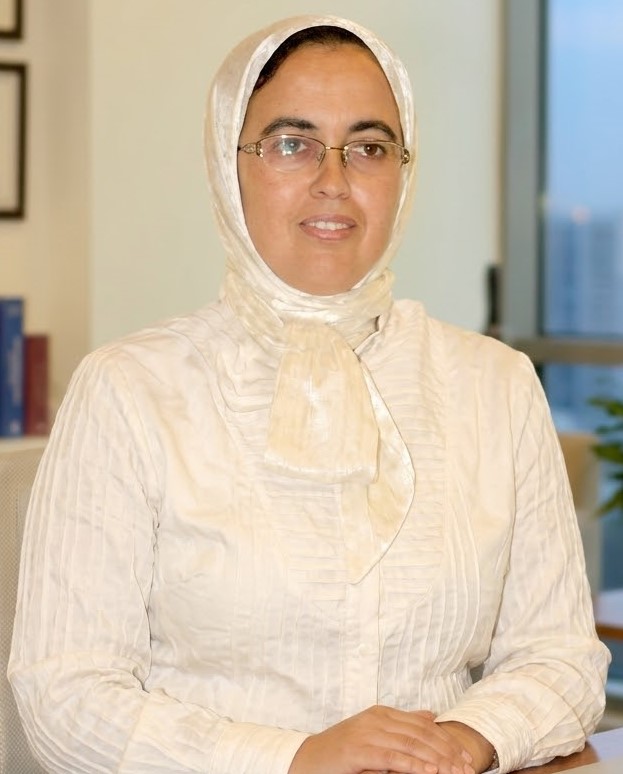
Khadija Karibi
Professor, National School of Architecture, Rabat
Khadija Karibi is an architect and urban planner with a doctorate in urban geography. She is a Full Professor at the National School of Architecture in Rabat, Morocco, and holds a habilitation to direct research. She heads a fifth-year architecture studio, teaches urban planning trends, and coordinates the ‘Architecture and Associated Disciplines’ doctoral course. She is co-editor of the African and Mediterranean Journal of Architecture and Urbanism (AMJAU), Institut Marocain de l'Information Scientifique et Technique (IMIST); Centre National pour la Recherche Scientifique et Technique (CNRST). She has contributed to several research projects and urban studies and has published a book, collective volumes, and academic articles. Her expertise focuses on urban planning and devel ...
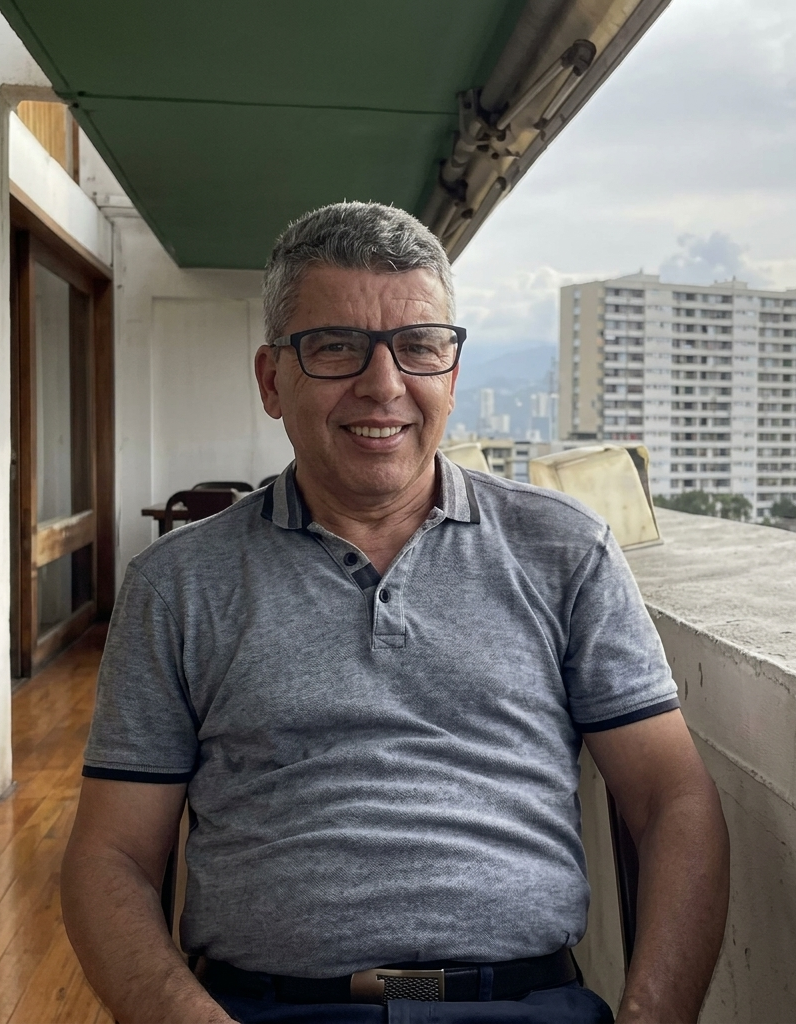
Kharmich Hassane
Professor, National School of Architecture, Rabat
Hassane Kharmich, PhD in geography and planning, is a Full Professor of cities and urban planning at the National School of Architecture in Rabat, Morocco. He is the publishing assistant of the African and Mediterranean Journal of Architecture and Urbanism (AMJAU), IMIST CNRST. He leads the research laboratory “Housing, Architecture, and Urbanization of Territories” (LabHAUT), and oversees the hosting structure for doctoral students from the Doctoral Studies Center “Architecture and Associated Disciplines.” He has authored several publications and is involved in research programs on the medina, architectural heritage, metropolization, and urban planning. ...
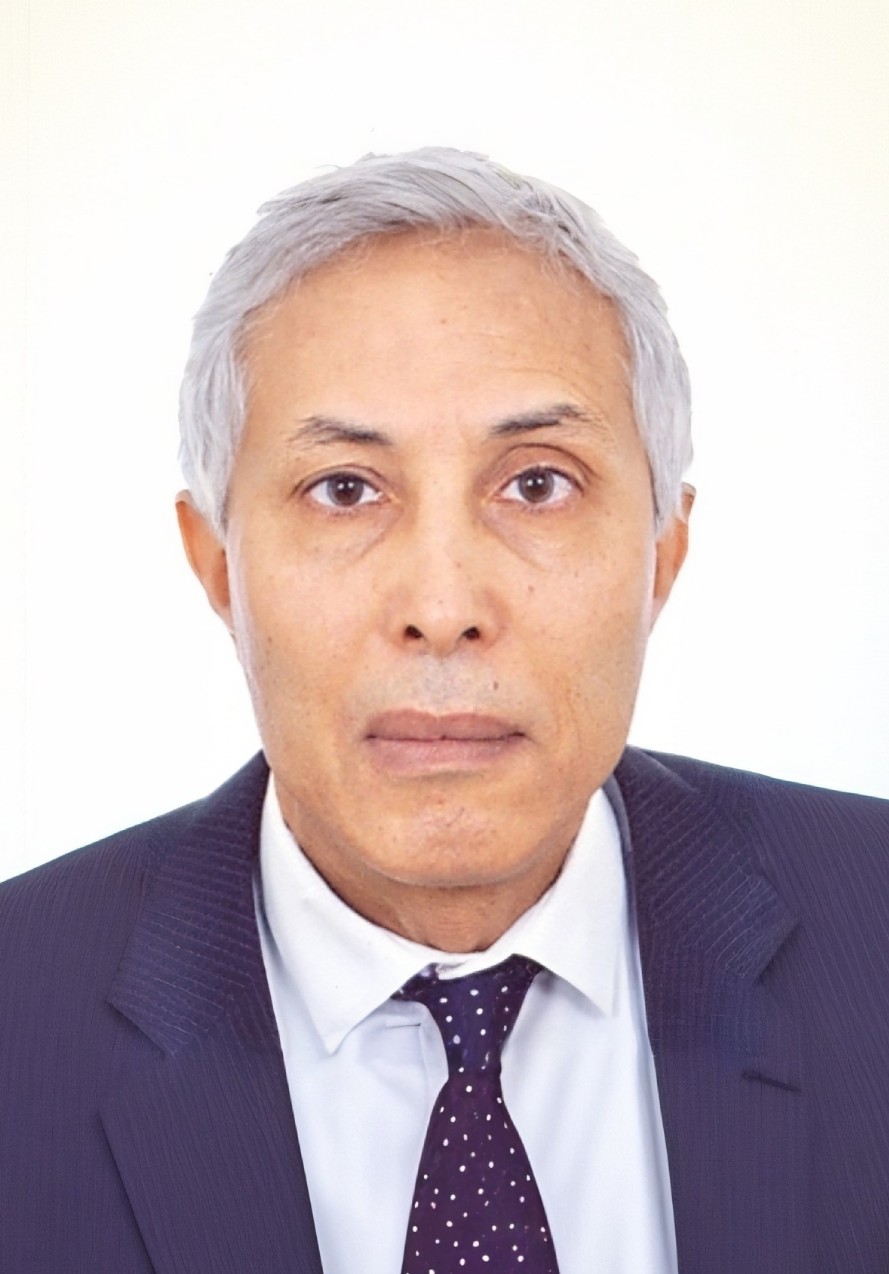
El Harrouni Khalid
Professor and Director of Research, National School of Architecture, Rabat
Khalid El Harrouni is a Full Professor of civil engineering and computational mechanics and Director of the UNESCO Chair “Education and Research on Sustainable and Bioclimatic Urban Planning and Architecture.” As Deputy Director of Research at the National School of Architecture in Rabat, he is responsible for the Doctoral Studies Centre, “Architecture and Related Disciplines,” and serves as scientific coordinator for the theme “Sustainability in Architecture and Urbanism.” He is the editor-in-chief of the African and Mediterranean Journal of Architecture and Urbanism (AMJAU) and an expert member of International Council on Monuments and Sites (ICOMOS), The International Scientific Committee on the Analysis and Restoration of Structures of Architectural Heritage (ISCARSAH), In ...

RELATED CONTENT

  • Authors
    Sous la direction de
    December 29, 2020
    Dès les premiers cas du Coronavirus relevés en Afrique, les prédictions les plus sombres ont été faites sur la catastrophe sanitaire à venir sur le continent, en raison d’un certain nombre de caractéristiques supposées favoriser la propagation de l’épidémie. Ces prévisions ont été démenties par la rapidité des ripostes des Etats et par divers autres facteurs. La progression de la Covid-19 en Afrique n’est pas le fait d’une dynamique unique mais plutôt de multiples profils de risques ...
  • Authors
    December 14, 2020
    L’économie marocaine fait face à une année 2020 extrêmement difficile et complexe. La crise provoquée par le choc de la Covid-19 est singulière, multicanale et fondamentalement différente des crises précédentes. Elle altère le système productif par un double choc d’offre et de demande, amplifié, de passage, par une crise de confiance. Alors que l’année 2020 touche à sa fin, il est crucial de dresser une première évaluation circonstanciée des ramifications de cette crise, qui permett ...
  • Authors
    Fernando S. Perobelli
    Inácio F. Araújo
    Karina S. S. Bugarin
    December 14, 2020
    This paper explores the use of simulations in policy decision-making in the Brazilian State of São Paulo in fighting the COVID-19 pandemic. We propose a methodology for assessing the daily economic costs of control strategies for mitigating the effects of coronavirus. The method is based on the partial hypothetical extraction approach to input–output systems. Simulated daily scenarios based on different levels of compliance to the control measures are used to help guide the design o ...
  • December 10, 2020
    The purposeful dissemination of misleading or outright false information by news media and foreign state actors constitutes an increasingly important factor in both the growing erosion of trust in national institutions and political polarization in many countries around the world. The d...
  • Authors
    Jaime Bonet-Morón
    Diana Ricciulli-Marín
    Gerson Javier Pérez-Valbuena
    Luis Armando Galvis-Aponte
    Inácio F. Araújo
    Fernando S. Perobelli
    July 29, 2020
    The aim of this paper is to assess the regional economic impact of the lockdown measures ordered by the national government to prevent the spread of COVID-19. Using an input–output model, we estimate the economic loss of extracting groups of formal and informal workers from different economic sectors. Results show monthly economic losses that represent between 0.5% and 6.1% of national GDP, depending on the scenario considered. Accommodation and food services, real estate, administr ...
  • June 2, 2020
    بعد تفشي فيروس كورونا المستجد في جل مناطق العالم، اختلفت طرق التصدي له من دولة إلى أخرى. حيث اعتمدت الدول قرارات متفاوتة من حيث الصرامة في ظل الحد من تفشي هذا الوباء. وفي نفس الصدد، اتُخذت عدة قرارات لدعم المواطنين لكي يتاح لهم المرور من هذه الأزمة بأقل الأضرار الممكنة حيث تم الاعتماد ب...
  • June 1, 2020
    تدور خطة العمل التي تم وضعها في مواجهة جائحة كوفيد 19 حول ثلاثة محاور: الصحة والاقتصاد والنظام الاجتماعي. وفي كل مجال من هذه المجالات، ساعدت مبادرات المؤسسات العامة والقطاع الخاص وأعضاء المجتمع المدني حتى الآن على الحد من أضرار الوباء على الصعيد الصحي، تسعى الجهود المبذولة إلى التحكم في انتشار المرض من أجل ضمان احتواء المنظومة الصحية لتدفق الحالات بشكل أفضل، خصوصا بالنظر إلى الموارد المحدودة والموزعة بشكل متفاوت على مستوى التراب الوطني. وقد تم إعطاء الأولوية في هذا السياق إلى الزيا ...
  • Authors
    May 21, 2020
    Our senior fellow, Otaviano Canuto, has contributed to Science Direct academic Journal, with a research paper entitled « Does the Brazilian policy for oil revenues distribution foster investment in human capital? », Volume 88, May 2020, 104760. This paper assesses the effect of oil revenues on health and education indicators (measures for human capital) in the Brazilian municipalities using exogenous oil price variations. The Oil Law of 1997, apart from to hugely increase the amoun ...
  • Authors
    Adil El Madani
    May 20, 2020
    Despite the global magnitude of the COVID-19 crisis, the response to the pandemic has mainly occurred at national level, with very poor global coordination so far. For Africa, which will provide one in four of the world’s consumers by 2050, coming out of the crisis will cost at least $100 billion. The average ratio of public revenue to GDP in African countries is only 19%, and the debt burden already absorbs 22% of that revenue, giving many African governments limited scop ...
  • April 30, 2020
    Face à la pandémie du COVID-19, un plan d’action a été établi autour de trois axes : santé, économie et ordre social. Dans chacun de ces champs, le concours des institutions publiques, du secteur privé et des membres de la société civile a permis jusque-là de limiter les dégâts et d’avoir un certain contrôle sur la pandémie. Sur le plan sanitaire, l’intervention vise une maîtrise de la progression de la maladie pour une meilleure absorption des flux par le système de santé, aux moy ...