(FR) Urban Policy and Transformation in Morocco

July 6, 2026

Cette interview explore les grands enjeux de l’urbanisation au Maroc, en mettant l’accent sur les défis de gouvernance, de planification et de politiques publiques. Elle revient sur l’évolution des modèles de développement urbain, les effets du changement climatique sur les villes, ainsi que sur les opportunités offertes par la Coupe du Monde 2030 pour engager une transformation urbaine plus durable, inclusive et résiliente.
 

Speakers
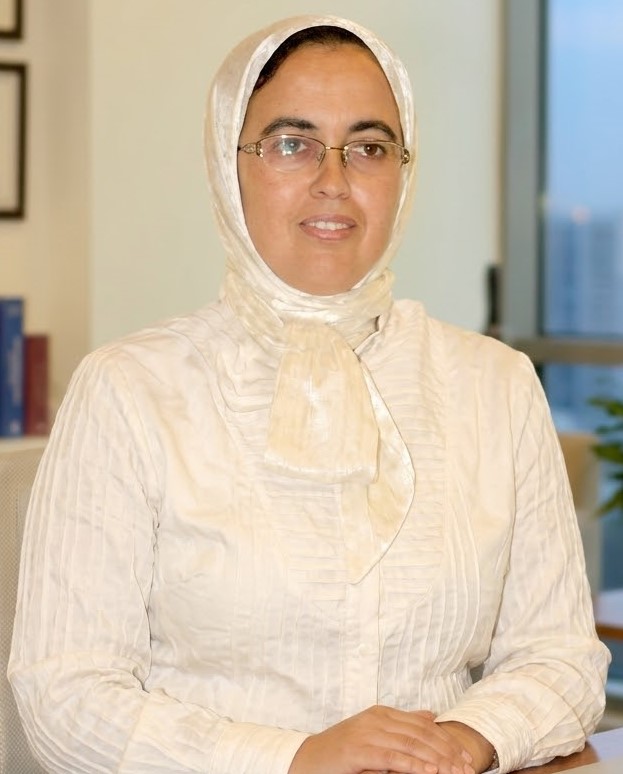
Khadija Karibi
Professor, National School of Architecture, Rabat
Khadija Karibi is an architect and urban planner with a doctorate in urban geography. She is a Full Professor at the National School of Architecture in Rabat, Morocco, and holds a habilitation to direct research. She heads a fifth-year architecture studio, teaches urban planning trends, and coordinates the ‘Architecture and Associated Disciplines’ doctoral course. She is co-editor of the African and Mediterranean Journal of Architecture and Urbanism (AMJAU), Institut Marocain de l'Information Scientifique et Technique (IMIST); Centre National pour la Recherche Scientifique et Technique (CNRST). She has contributed to several research projects and urban studies and has published a book, collective volumes, and academic articles. Her expertise focuses on urban planning and devel ...
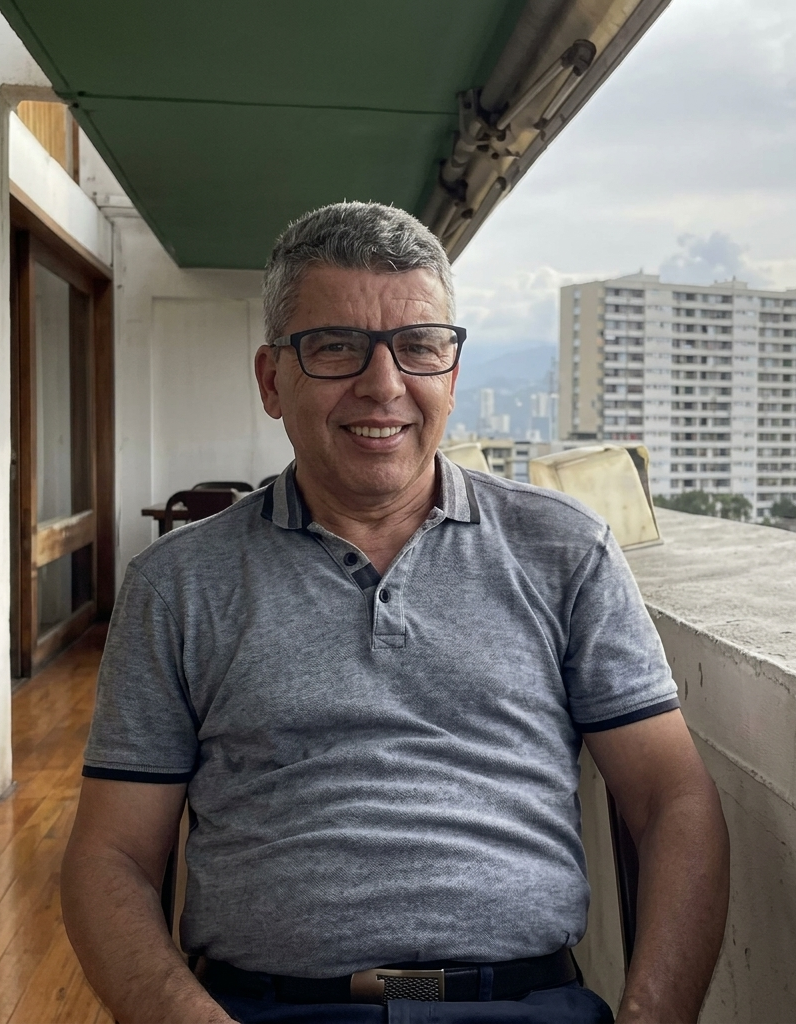
Kharmich Hassane
Professor, National School of Architecture, Rabat
Hassane Kharmich, PhD in geography and planning, is a Full Professor of cities and urban planning at the National School of Architecture in Rabat, Morocco. He is the publishing assistant of the African and Mediterranean Journal of Architecture and Urbanism (AMJAU), IMIST CNRST. He leads the research laboratory “Housing, Architecture, and Urbanization of Territories” (LabHAUT), and oversees the hosting structure for doctoral students from the Doctoral Studies Center “Architecture and Associated Disciplines.” He has authored several publications and is involved in research programs on the medina, architectural heritage, metropolization, and urban planning. ...
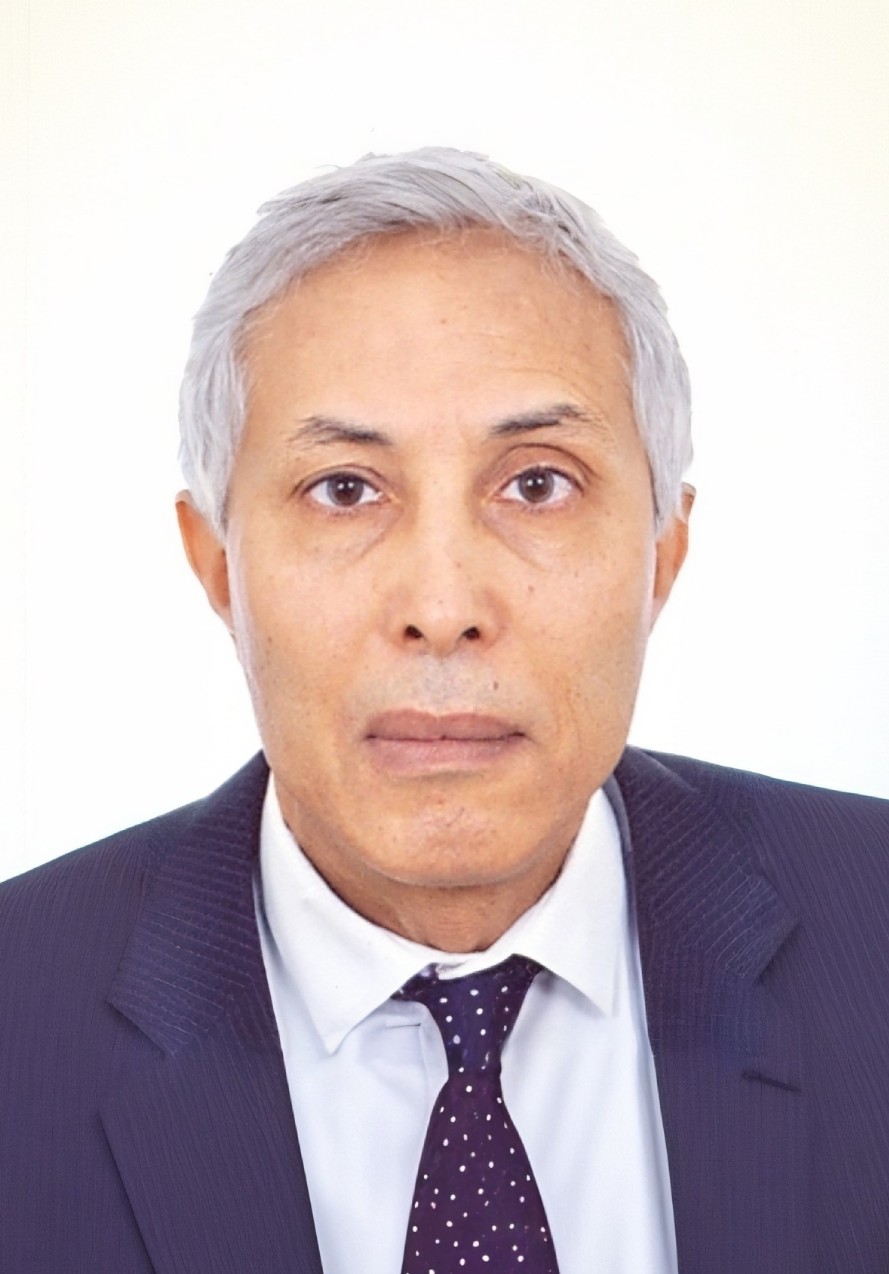
El Harrouni Khalid
Professor and Director of Research, National School of Architecture, Rabat
Khalid El Harrouni is a Full Professor of civil engineering and computational mechanics and Director of the UNESCO Chair “Education and Research on Sustainable and Bioclimatic Urban Planning and Architecture.” As Deputy Director of Research at the National School of Architecture in Rabat, he is responsible for the Doctoral Studies Centre, “Architecture and Related Disciplines,” and serves as scientific coordinator for the theme “Sustainability in Architecture and Urbanism.” He is the editor-in-chief of the African and Mediterranean Journal of Architecture and Urbanism (AMJAU) and an expert member of International Council on Monuments and Sites (ICOMOS), The International Scientific Committee on the Analysis and Restoration of Structures of Architectural Heritage (ISCARSAH), In ...
RELATED CONTENT

  • October 7, 2022
    “The debate on the viability of industrial policy design based on the fragmentation of global value chains, from a cost optimization perspective, did not arise first in the wake of the Covid-19 crisis but was present long before. This industrial policy design was justified by the great development of logistics and transport across the world’s industrial clusters, which allowed just-in-time manufacturing to become the main adopted production model. However, the disruption of logistic ...
  • Authors
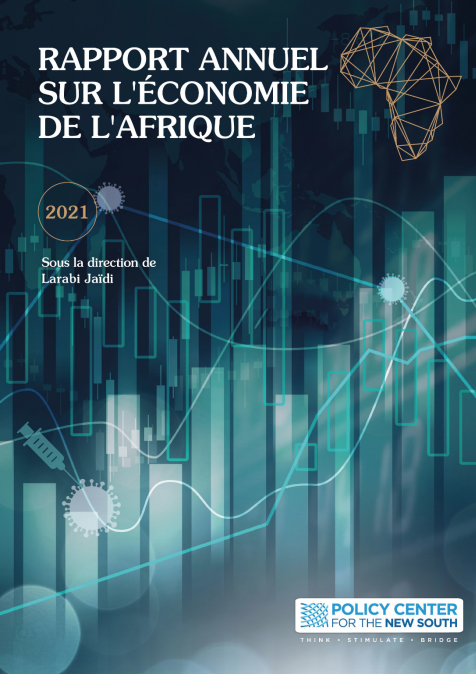
    Sous la direction de Larabi Jaïdi
    September 29, 2022
    La succession des chocs pandémique, climatique et géopolitique a éprouvé les économies africaines. Les liens commerciaux et financiers avec le monde ne sont plus seulement considérés comme des moteurs de performance, mais aussi comme des sources potentielles de vulnérabilité. La défiance à l’égard de la mondialisation s’est accrue. Parce qu’elle est venue souligner la dépendance du continent, le dérèglement de ses rapports à la nature et sa vulnérabilité face aux tensions géopolitiq ...
  • From

    15
    6:00 pm July 2022
    L’apparition de de la COVID-19 a engendré une crise sanitaire mondiale, qui s’est rapidement transformé à d’autres crises bouleversant le vécu des humains de par la planète. En ce qui concerne les marchés mondiaux, notamment du travail, les incertitudes ont fortement impacté les comportements des agents. Aussi, les mises sous restrictions, totales ou partielles, des facteurs de production ont eu leur incidence sur l’activité globale -via différents canaux -, y compris celle des acteurs du marché du travail. À court terme, la pandémie est synonyme de fortes perturbations pour les citoyens et les marchés du travail. Celles-là concernent les revenues et les dépenses des particuliers comme elles portent sur l’activité des entreprises et donc les dynamiques de création d’emploi et ...
  • June 10, 2022
    The latest IMF projections indicate that global growth will be 4.4% in 2022 after 5.9% in 2021. These projections make us very optimistic for the future, but they certainly cannot heal th ...
  • April 25, 2022
    Retrouvez en exclusivité l’interview de Abdelhak Bassou, Senior Fellow au Policy Center for the New South, qui se livre à Helmut Sorge, Columnist au Policy Center for the New South, au sujet des multi-disparités présentes en Afrique. Abdelhak Bassou est l’auteur du Chapitre 5 du rapport...
  • Authors
    Sous la direction de: Idriss El Abbassi
    Mariem Liouaeddine
    April 5, 2022
    Ce livre est l’aboutissement d’un appel à communications organisé conjointement par le Policy Center for the New South et le Laboratoire d’Economie appliquée de la Faculté des Sciences juridiques, économiques et sociales (FSJES) Rabat-Agdal. Il s’agit d’un nouveau maillon dans la collaboration entre les deux institutions depuis 2015 qui consacre la volonté et l’engagement du Policy Center for the New South d’entretenir des liens étroits avec le monde académique et d’offrir a ...
  • Authors
    Alessandro Minuto-Rizzo
    Bernardo Sorj
    Frannie Léautier
    Iskander Erzini Vernoit
    Kassie Freeman
    Nathalie Delapalme
    J. Peter Pham
    March 7, 2022
    The COVID-19 pandemic has had a huge impact on the global economy and has challenged the best minds to rethink how to design and implement an effective recovery. Countries in the wider Atlantic region have exhibited differential trajectories in traversing the pandemic. A number of countries in Europe succeeded in vaccinating most of their eligible populations, enabling life to return somewhat to normal. A smaller group of countries in Europe could manage infection rates even more ti ...