(FR) The informal sector in Morocco

May 12, 2026

Cet épisode analyse le poids du secteur informel dans l’économie marocaine et ses principaux défis. Les intervenants expliquent que l’informel constitue à la fois un mécanisme de survie pour une grande partie de la population et un frein à la productivité, à la fiscalité et à la protection sociale. Ils montrent également que la formalisation dépend surtout des incitations économiques, fiscales et sociales mises en place par l’État.

Speakers
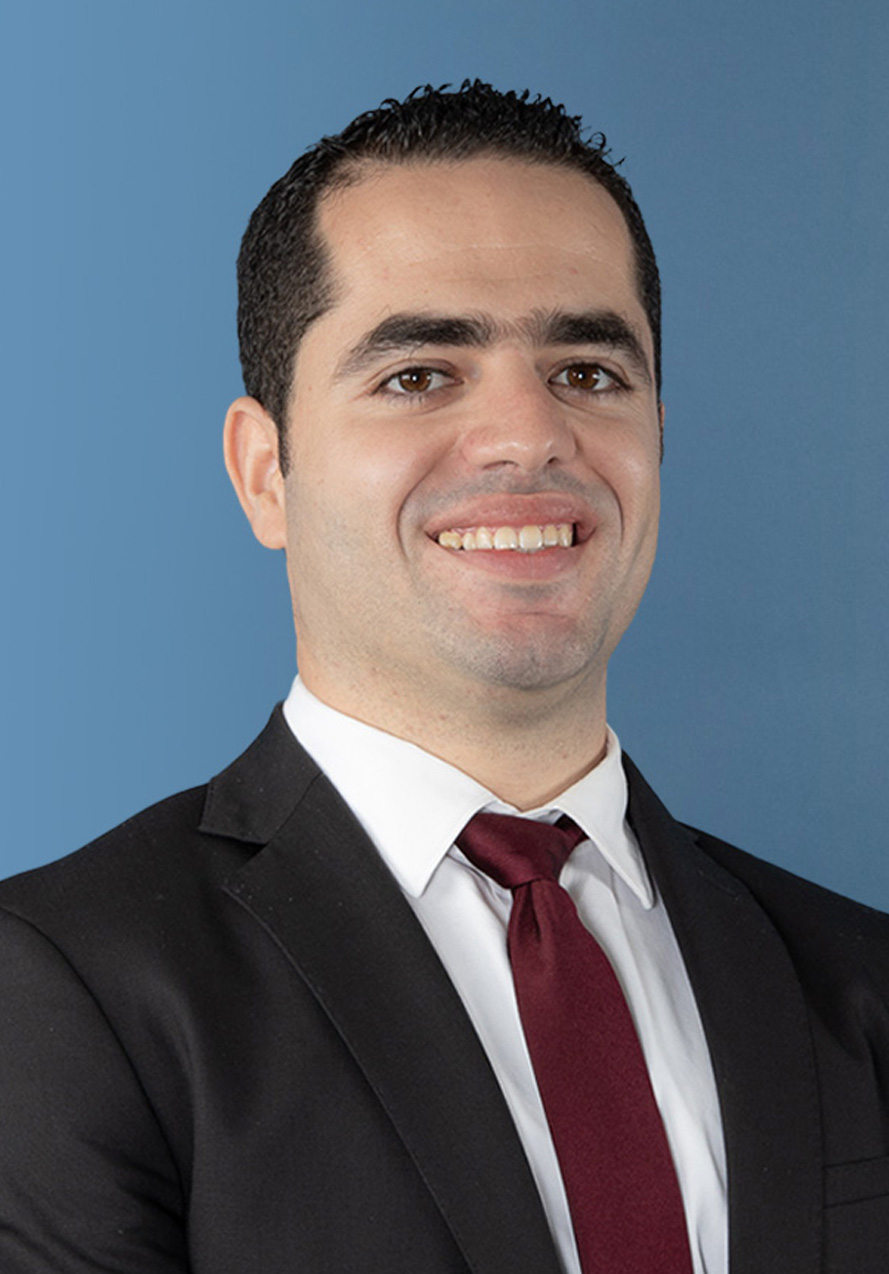
Hamza Saoudi
Senior Economist
Hamza Saoudi is a Senior Economist at the Policy Center for the New South (PCNS).At the PCNS, Hamza Saoudi conducts research on labor market dynamics, social protection systems, and inclusive growth, with a particular focus on Morocco and Africa. He is also interested in macroeconomic stabilization policies, international trade, and long-term economic development.He has contributed to PCNS projects and publications addressing informality, social protection, and inequality in developing economies.He also served as the project coordinator of the Oxford Handbook of the Moroccan Economy, published by Oxford University Press in 2026.Before joining the PCNS in 2017, Hamza Saoudi contributed to the development of quantitative models for bank credit risk management.Hamza Saoudi holds ...
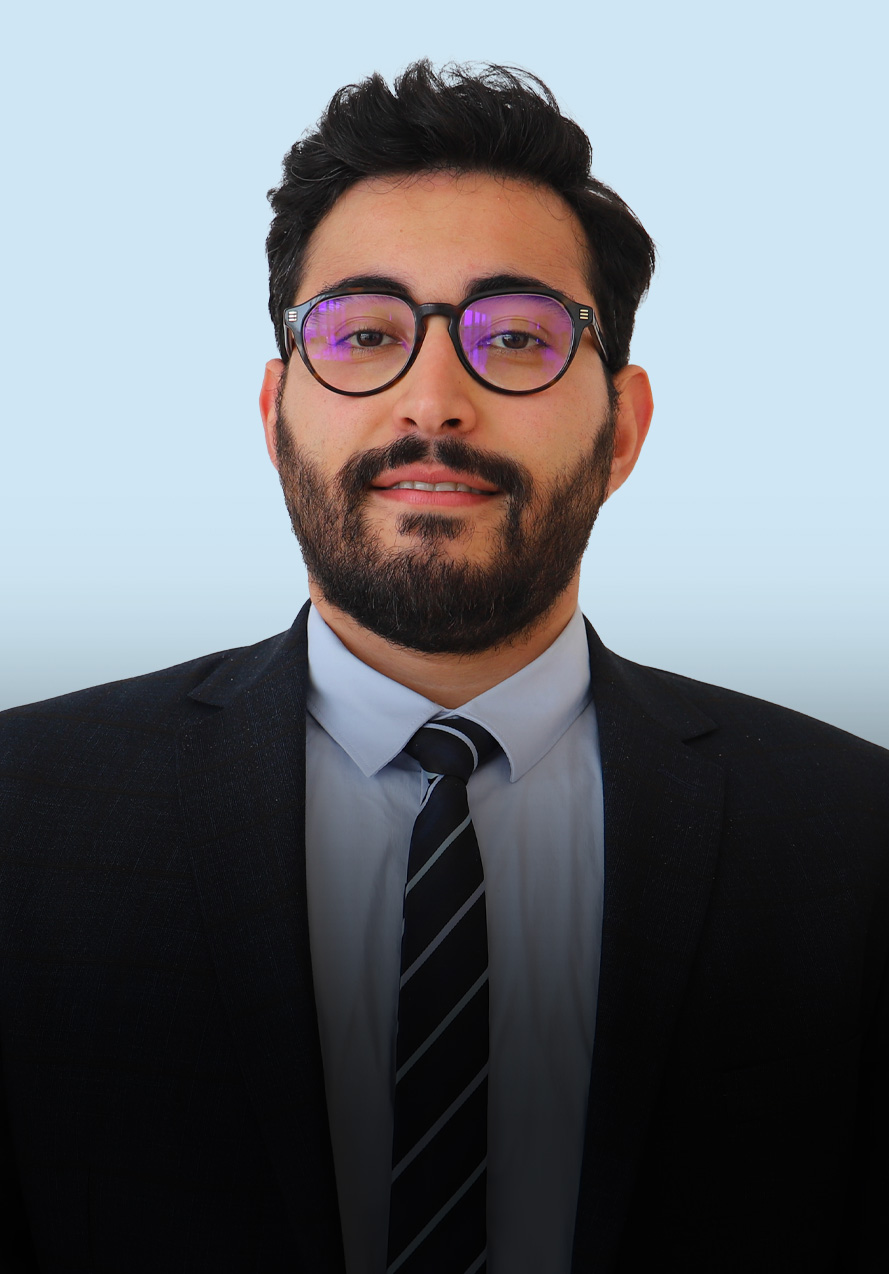
Adnane Lahzaoui
Economist
« Adnane Lahzaoui is an economist at the Policy Center for the New South (PCNS), which he joined in august 2023. His work focuses on economic growth and labor market dynamics, with an interest in broader socio-economic issues.Mr. Lahzaoui holds a dual master’s degree in International Economics and Development from Paris Dauphine University – PSL and in Development Economics from Faculty of Governance, Economic, and Social Sciences at Mohammed VI Polytechnic University» ...
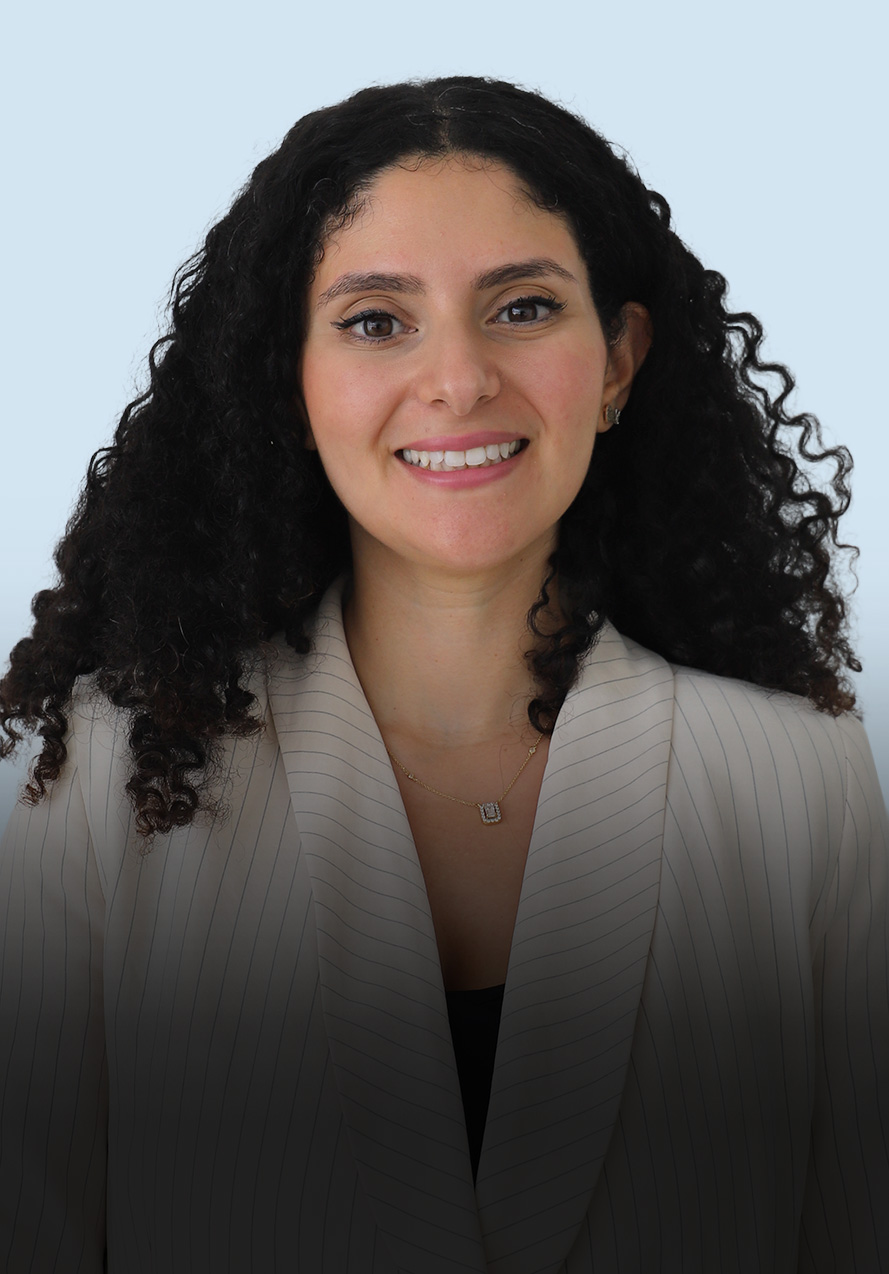
Sabrine Emran
Senior Economist
Sabrine Emran is a Senior Economist at the Policy Center for the New South (PCNS).At the PCNS, Sabrine Emran conducts research on the Energy Transition, Climate Finance, and Critical Minerals, focusing on the energy priorities of developing countries in the context of sustainable development, just energy transition, and global climate commitments.Before joining the PCNS in 2022, Sabrine Emran worked as a Commodities Analyst and Risk Management Consultant, specializing in agricultural and energy commodities as well as foreign exchange risk. She also held a position at Lyxor Asset Management as Request for Proposal and Product Specialist, where she focused on alternative investment asset classes and collaborated closely with institutional investors.Sabrine Emran holds a master’s ...

RELATED CONTENT

  • May 12, 2026
    Cet épisode analyse le poids du secteur informel dans l’économie marocaine et ses principaux défis. Les intervenants expliquent que l’informel constitue à la fois un mécanisme de survie pour une grande partie de la population et un frein à la productivité, à la fiscalité et à la protect...
  • April 13, 2026
    Résumé exécutif stratégiqueLe Maroc s’est engagé avec détermination dans une trajectoire de modernisation fondée sur la transition numérique, la transition verte et l’innovation. Ces dynamiques sont devenues des leviers stratégiques pour la compétitivité, l’attractivité et la création d’emplois à forte valeur ajoutée. Pourtant, l’analyse des données microéconomiques récentes révèle un paradoxe préoccupant : les entreprises les plus modernisées, moteurs de la croissance de demain, re ...
  • Authors
    Ahmed Ouhnini
    December 5, 2025
    L’« uberisation », terme né du nom de l’entreprise américaine Uber au début des années 2010, désigne initialement un modèle économique fondé sur la mise en relation directe entre offre et demande via des plateformes numériques. Rapidement popularisé, le concept s’est élargi, avec Airbnb dans l’hébergement, puis à une multitude d’autres secteurs : livraison de repas, services à domicile, commerce en ligne, voire des métiers traditionnellement régulés ou corporatistes. Ce néologisme t ...
  • Authors
    Ahmed Ouhnini
    December 5, 2025
    “Uberization,” a term derived from the American company Uber in the early 2010s, initially refers to an economic model based on directly matching supply and demand through digital platforms. Rapidly popularized, the concept has expanded with Airbnb in accommodation, and then to a wide range of other sectors: food delivery, home services, e-commerce, and even traditionally regulated or corporatist professions. This neologism thus reflects a transformation of economic and social relat ...
  • Authors
    December 3, 2025
     Global GDP growth has proven resilient in 2025, despite the shocks caused by the trade policies implemented by United States President Donald Trump in the first year after his return to office. The gloomy projections offered by multilateral and private institutions in the first quarter of 2025 have given way to revised levels mostly in the 2.5% to 3% range for the year. ...
  • Authors
    December 2, 2025
    This paper assesses the economic and environmental implications of Morocco’s strategic transition from internal combustion engine vehicle (ICEV) manufacturing to electric vehicle (EV) production, with a particular focus on the regional impacts of localizing high-value battery manufacturing. Using an interregional input-output model, extended with environmental satellite accounts, the study simulates a structural shock related to the wholesale substitution of ICEV-specific inputs wit ...
  • November 25, 2025
    This Policy Paper analyses the Fourth Industrial Revolution (4IR) through the critical lens of technological colonialism. It argues that the fusion of physical, digital, and biological technologies is not merely a technical phenomenon but a civilizational shift reshaping the foundations of global power. The article traces a historical continuum from previous industrial revolutions, demonstrating how patterns of inequality and extraction persist, now transposed into the digital realm ...
  • Authors
    Jean Louis-Sarbib
    October 18, 2023
    Addressing inequalities in all their forms has emerged as one of the major global challenges faced by numerous countries across the globe, particularly in Africa. In a context where Africa faces many pressing challenges that are the subject of much analysis (Sarbib et al. 2022), there is a clear gap in conducting comprehensive reviews focused on inequalities, partly due to the lack of available data. Inequalities, which are both consequences and partial causes of poor development o ...
  • August 29, 2023
    In this conversation, Ms. Lina Khatib, the Director of SOAS University's Middle East Institute, delves deep into pressing regional issues. She highlights what policymakers can do to ensure the equitable distribution of economic development benefits and prevent any regression. Khatib als...