(FR) The informal sector in Morocco

May 12, 2026

Cet épisode analyse le poids du secteur informel dans l’économie marocaine et ses principaux défis. Les intervenants expliquent que l’informel constitue à la fois un mécanisme de survie pour une grande partie de la population et un frein à la productivité, à la fiscalité et à la protection sociale. Ils montrent également que la formalisation dépend surtout des incitations économiques, fiscales et sociales mises en place par l’État.

Speakers
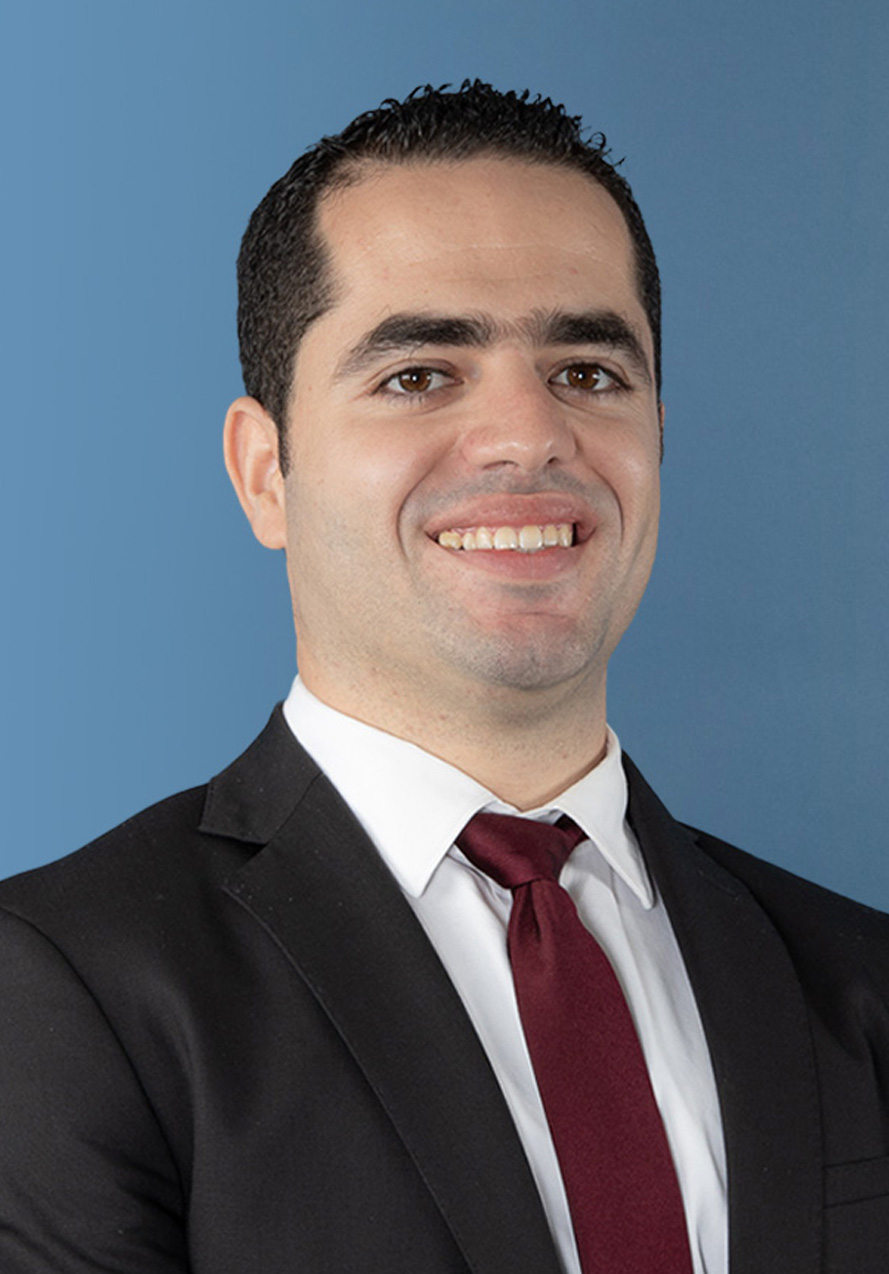
Hamza Saoudi
Senior Economist
Hamza Saoudi is a Senior Economist at the Policy Center for the New South (PCNS).At the PCNS, Hamza Saoudi conducts research on labor market dynamics, social protection systems, and inclusive growth, with a particular focus on Morocco and Africa. He is also interested in macroeconomic stabilization policies, international trade, and long-term economic development.He has contributed to PCNS projects and publications addressing informality, social protection, and inequality in developing economies.He also served as the project coordinator of the Oxford Handbook of the Moroccan Economy, published by Oxford University Press in 2026.Before joining the PCNS in 2017, Hamza Saoudi contributed to the development of quantitative models for bank credit risk management.Hamza Saoudi holds ...
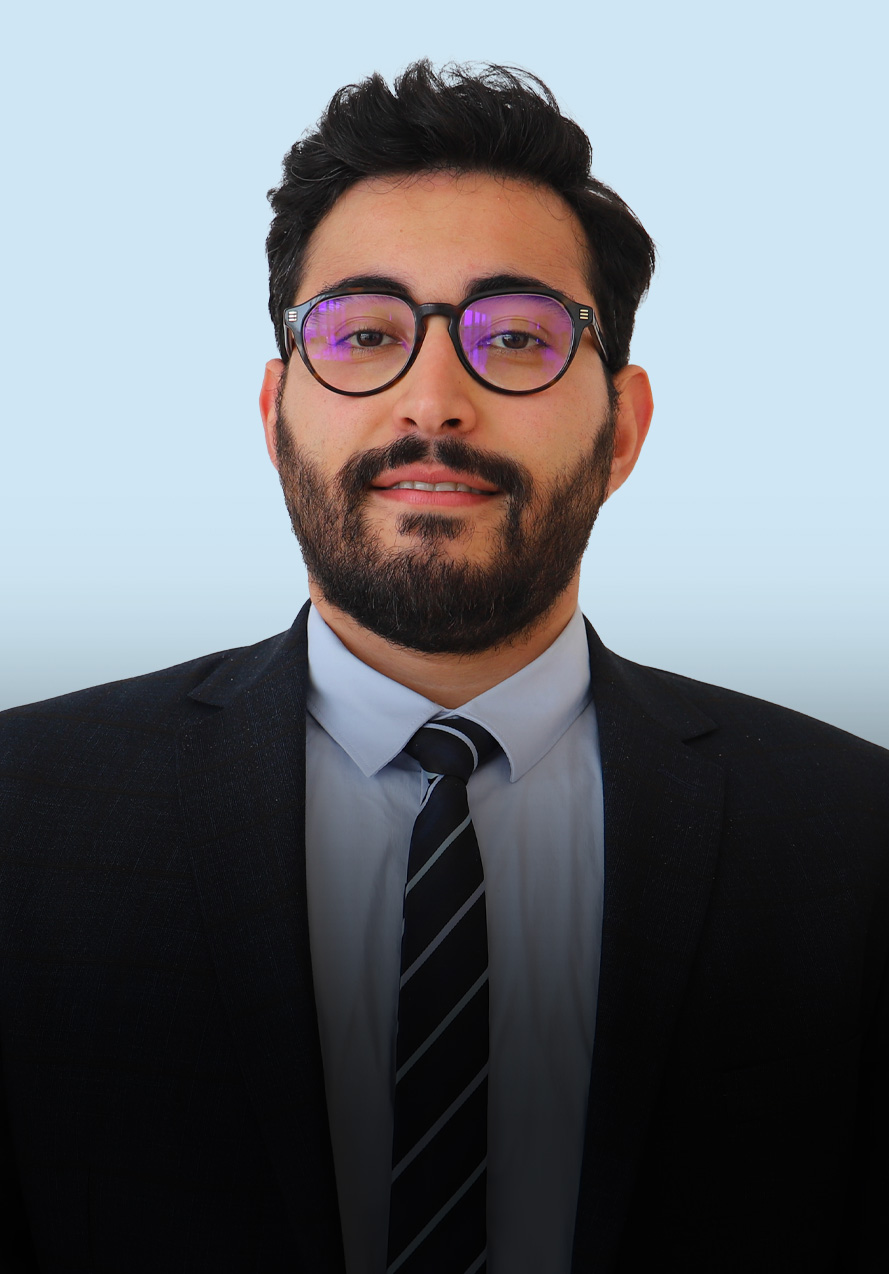
Adnane Lahzaoui
Economist
« Adnane Lahzaoui is an economist at the Policy Center for the New South (PCNS), which he joined in august 2023. His work focuses on economic growth and labor market dynamics, with an interest in broader socio-economic issues.Mr. Lahzaoui holds a dual master’s degree in International Economics and Development from Paris Dauphine University – PSL and in Development Economics from Faculty of Governance, Economic, and Social Sciences at Mohammed VI Polytechnic University» ...

Sabrine Emran
Senior Economist
Sabrine Emran is a Senior Economist at the Policy Center for the New South (PCNS).At the PCNS, Sabrine Emran conducts research on the Energy Transition, Climate Finance, and Critical Minerals, focusing on the energy priorities of developing countries in the context of sustainable development, just energy transition, and global climate commitments.Before joining the PCNS in 2022, Sabrine Emran worked as a Commodities Analyst and Risk Management Consultant, specializing in agricultural and energy commodities as well as foreign exchange risk. She also held a position at Lyxor Asset Management as Request for Proposal and Product Specialist, where she focused on alternative investment asset classes and collaborated closely with institutional investors.Sabrine Emran holds a master’s ...

RELATED CONTENT

  • From

    15
    6:00 pm July 2022
    L’apparition de de la COVID-19 a engendré une crise sanitaire mondiale, qui s’est rapidement transformé à d’autres crises bouleversant le vécu des humains de par la planète. En ce qui concerne les marchés mondiaux, notamment du travail, les incertitudes ont fortement impacté les comportements des agents. Aussi, les mises sous restrictions, totales ou partielles, des facteurs de production ont eu leur incidence sur l’activité globale -via différents canaux -, y compris celle des acteurs du marché du travail. À court terme, la pandémie est synonyme de fortes perturbations pour les citoyens et les marchés du travail. Celles-là concernent les revenues et les dépenses des particuliers comme elles portent sur l’activité des entreprises et donc les dynamiques de création d’emploi et ...
  • June 10, 2022
    The latest IMF projections indicate that global growth will be 4.4% in 2022 after 5.9% in 2021. These projections make us very optimistic for the future, but they certainly cannot heal th ...
  • April 25, 2022
    Retrouvez en exclusivité l’interview de Abdelhak Bassou, Senior Fellow au Policy Center for the New South, qui se livre à Helmut Sorge, Columnist au Policy Center for the New South, au sujet des multi-disparités présentes en Afrique. Abdelhak Bassou est l’auteur du Chapitre 5 du rapport...
  • Authors
    Sous la direction de: Idriss El Abbassi
    Mariem Liouaeddine
    April 5, 2022
    Ce livre est l’aboutissement d’un appel à communications organisé conjointement par le Policy Center for the New South et le Laboratoire d’Economie appliquée de la Faculté des Sciences juridiques, économiques et sociales (FSJES) Rabat-Agdal. Il s’agit d’un nouveau maillon dans la collaboration entre les deux institutions depuis 2015 qui consacre la volonté et l’engagement du Policy Center for the New South d’entretenir des liens étroits avec le monde académique et d’offrir a ...
  • Authors
    Alessandro Minuto-Rizzo
    Bernardo Sorj
    Frannie Léautier
    Iskander Erzini Vernoit
    Kassie Freeman
    Nathalie Delapalme
    J. Peter Pham
    March 7, 2022
    The COVID-19 pandemic has had a huge impact on the global economy and has challenged the best minds to rethink how to design and implement an effective recovery. Countries in the wider Atlantic region have exhibited differential trajectories in traversing the pandemic. A number of countries in Europe succeeded in vaccinating most of their eligible populations, enabling life to return somewhat to normal. A smaller group of countries in Europe could manage infection rates even more ti ...
  • Authors
    Nassim Hajouji
    February 15, 2022
    Using education and elite configurations as the main variables of analysis, this Policy Paper aims to show how higher levels of popular sector incorporation during elite conflicts, namely in the process of formulating and implementing policies related to education reforms, can negatively affect the economic complexity of developing countries. To do so, it analyzes the experiences of Mauritius and Singapore and links foundational political economy theories, particularly developmental ...
  • Authors
    February 3, 2022
    COVID-19 has ravaged nearly every country in the world, with the globalization of recent decades intensifying its spread. As of mid-2021, the world had spent $16.5 trillion—18% of global GDP—to fight the disease. And that amount does not even include the most important losses such as deaths, mental health effects, restrictions on human freedom, and other nonmonetary suffering. Nearly 90% of this spending was by developed economies, with the rest by emerging market and developing eco ...