Cet épisode analyse le poids du secteur informel dans l’économie marocaine et ses principaux défis. Les intervenants expliquent que l’informel constitue à la fois un mécanisme de survie pour une grande partie de la population et un frein à la productivité, à la fiscalité et à la protection sociale. Ils montrent également que la formalisation dépend surtout des incitations économiques, fiscales et sociales mises en place par l’État.
Speakers
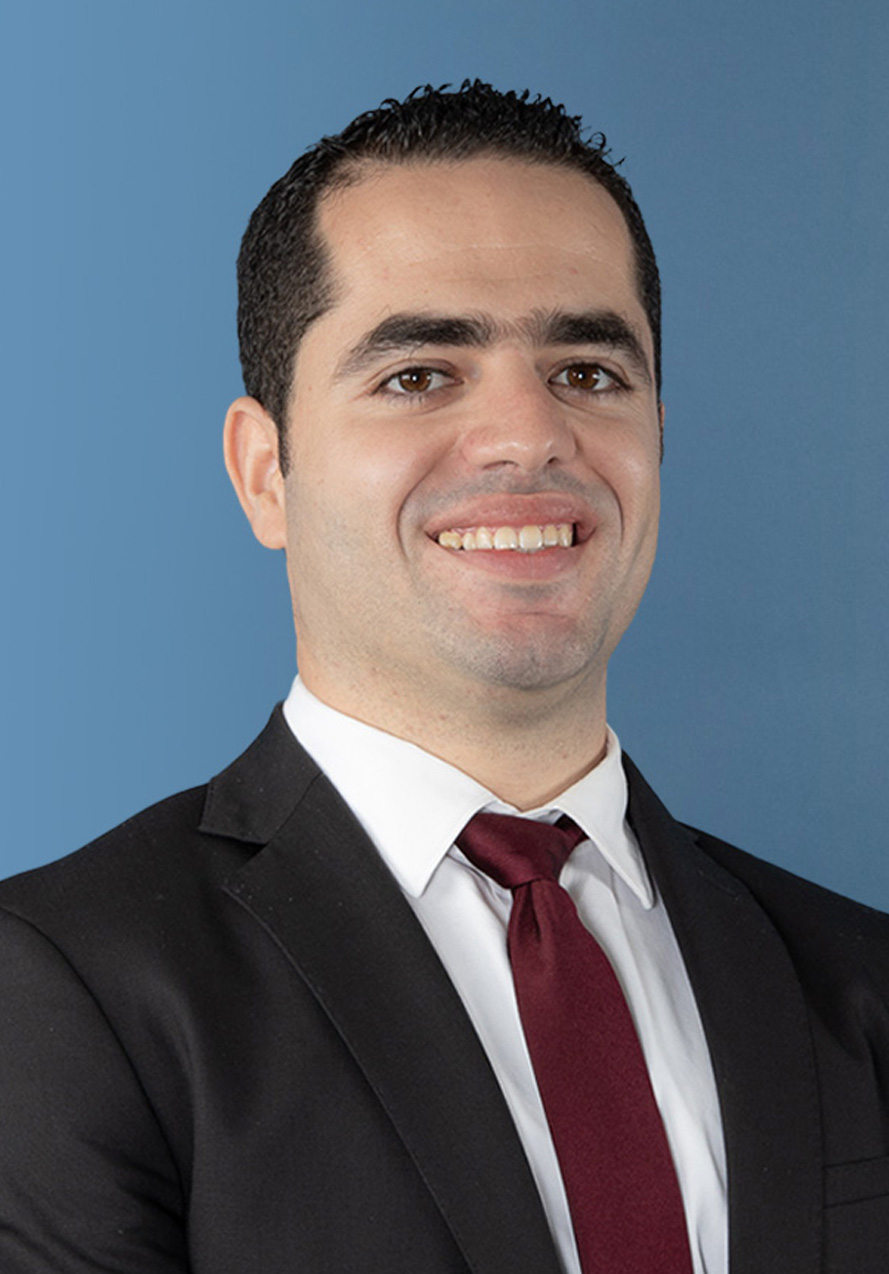
Hamza Saoudi
Senior Economist
Hamza Saoudi is a Senior Economist at the Policy Center for the New South (PCNS).At the PCNS, Hamza Saoudi conducts research on labor market dynamics, social protection systems, and inclusive growth, with a particular focus on Morocco and Africa. He is also interested in macroeconomic stabilization policies, international trade, and long-term economic development.He has contributed to PCNS projects and publications addressing informality, social protection, and inequality in developing economies.He also served as the project coordinator of the Oxford Handbook of the Moroccan Economy, published by Oxford University Press in 2026.Before joining the PCNS in 2017, Hamza Saoudi contributed to the development of quantitative models for bank credit risk management.Hamza Saoudi holds ...
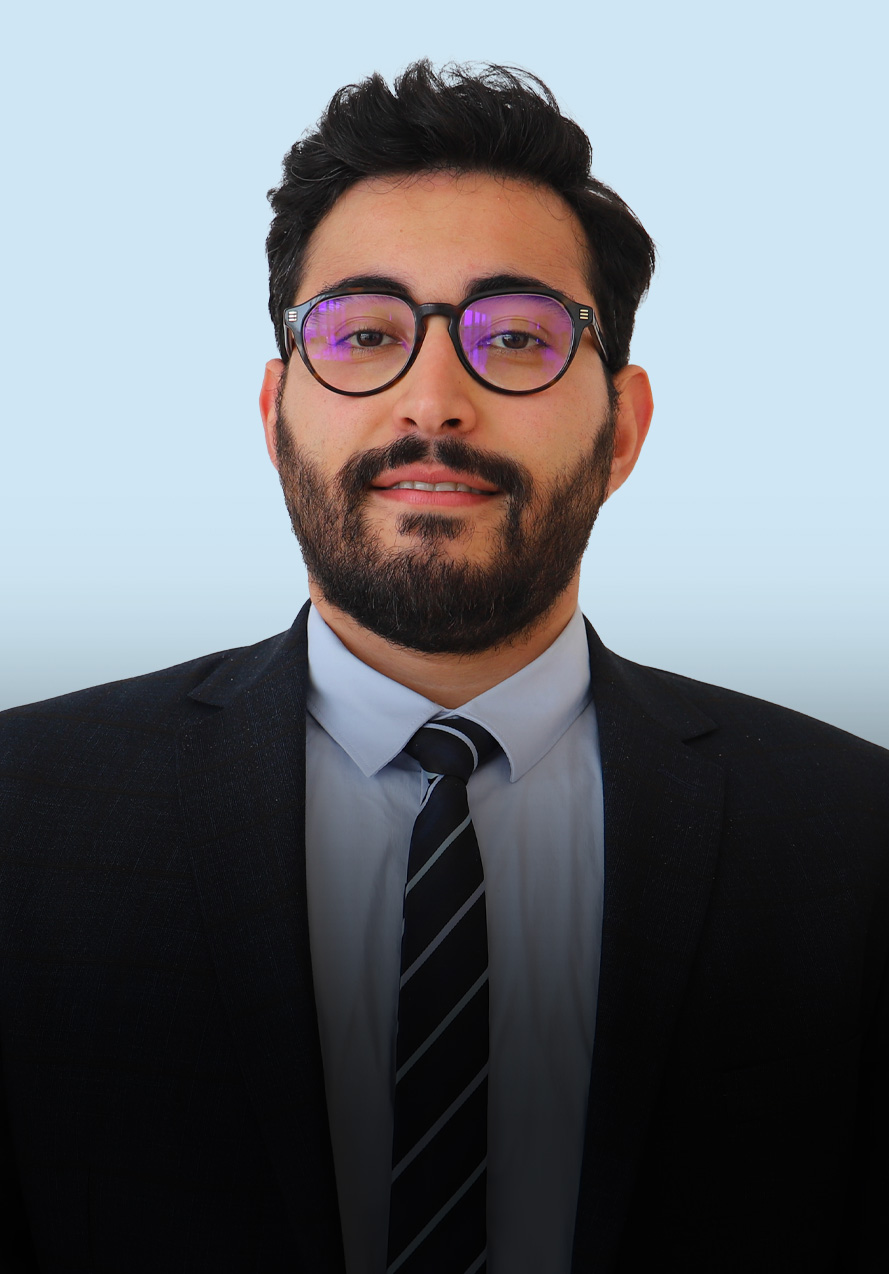
Adnane Lahzaoui
Economist
« Adnane Lahzaoui is an economist at the Policy Center for the New South (PCNS), which he joined in august 2023. His work focuses on economic growth and labor market dynamics, with an interest in broader socio-economic issues.Mr. Lahzaoui holds a dual master’s degree in International Economics and Development from Paris Dauphine University – PSL and in Development Economics from Faculty of Governance, Economic, and Social Sciences at Mohammed VI Polytechnic University»
...
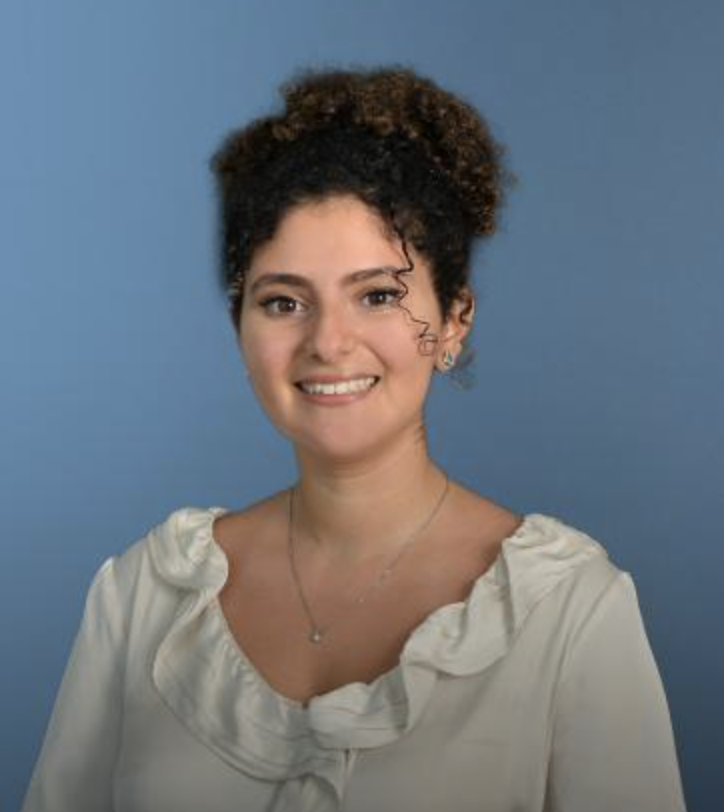
Sabrine Emran
Senior Economist
Sabrine Emran is a Senior Economist at the Policy Center for the New South (PCNS).At the PCNS, Sabrine Emran conducts research on the Energy Transition, Climate Finance, and Critical Minerals, focusing on the energy priorities of developing countries in the context of sustainable development, just energy transition, and global climate commitments.Before joining the PCNS in 2022, Sabrine Emran worked as a Commodities Analyst and Risk Management Consultant, specializing in agricultural and energy commodities as well as foreign exchange risk. She also held a position at Lyxor Asset Management as Request for Proposal and Product Specialist, where she focused on alternative investment asset classes and collaborated closely with institutional investors.Sabrine Emran holds a master’s ...