(FR) The informal sector in Morocco

May 12, 2026

Cet épisode analyse le poids du secteur informel dans l’économie marocaine et ses principaux défis. Les intervenants expliquent que l’informel constitue à la fois un mécanisme de survie pour une grande partie de la population et un frein à la productivité, à la fiscalité et à la protection sociale. Ils montrent également que la formalisation dépend surtout des incitations économiques, fiscales et sociales mises en place par l’État.

Speakers
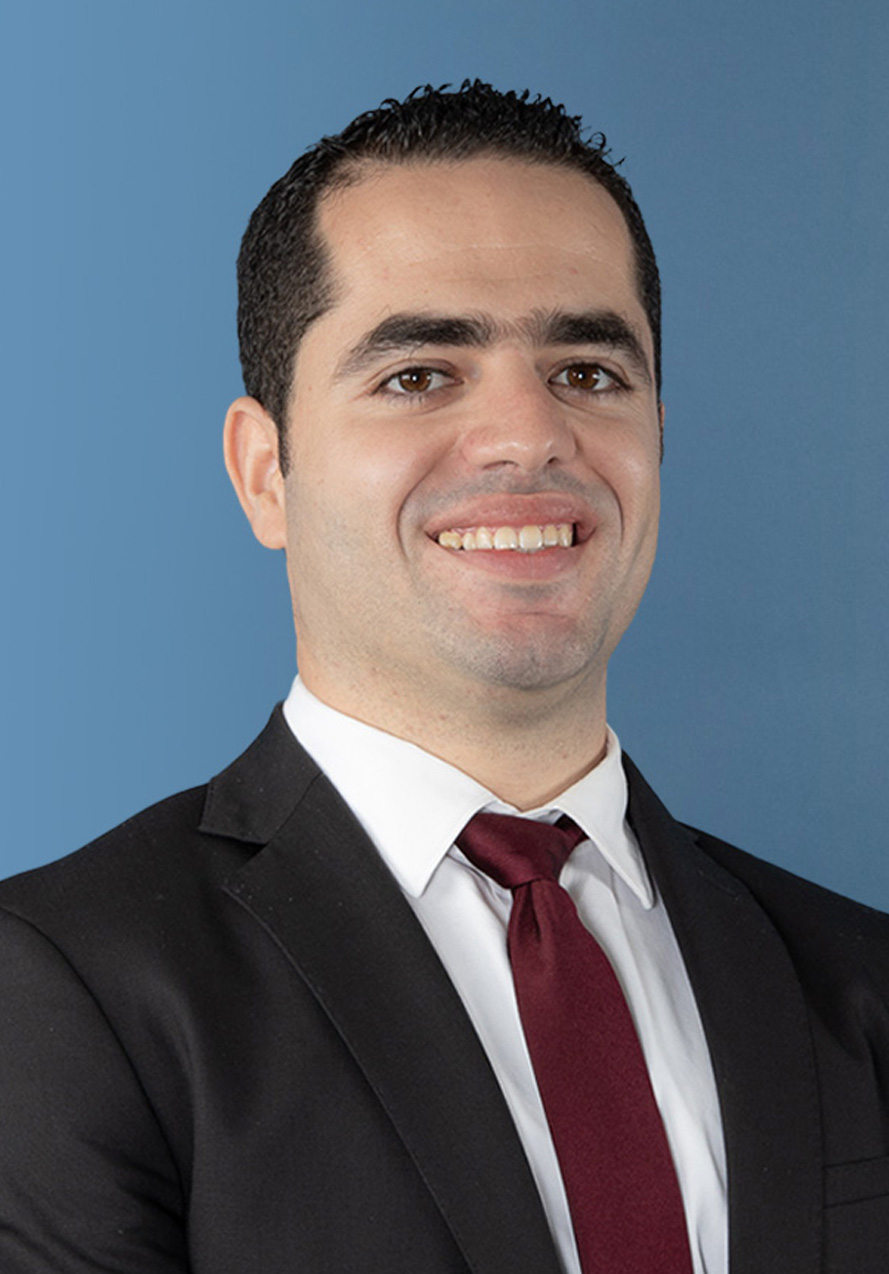
Hamza Saoudi
Senior Economist
Hamza Saoudi is a Senior Economist at the Policy Center for the New South (PCNS).At the PCNS, Hamza Saoudi conducts research on labor market dynamics, social protection systems, and inclusive growth, with a particular focus on Morocco and Africa. He is also interested in macroeconomic stabilization policies, international trade, and long-term economic development.He has contributed to PCNS projects and publications addressing informality, social protection, and inequality in developing economies.He also served as the project coordinator of the Oxford Handbook of the Moroccan Economy, published by Oxford University Press in 2026.Before joining the PCNS in 2017, Hamza Saoudi contributed to the development of quantitative models for bank credit risk management.Hamza Saoudi holds ...
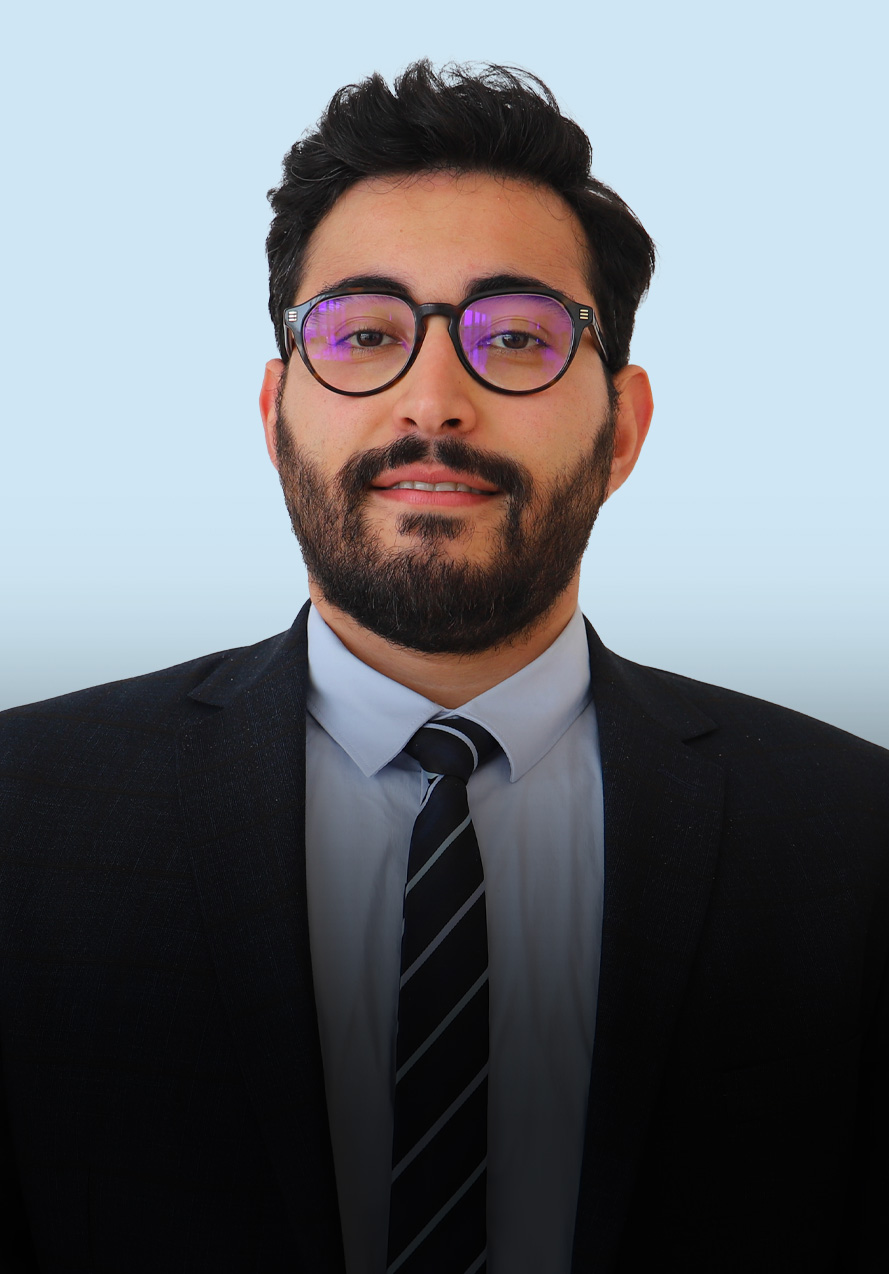
Adnane Lahzaoui
Economist
« Adnane Lahzaoui is an economist at the Policy Center for the New South (PCNS), which he joined in august 2023. His work focuses on economic growth and labor market dynamics, with an interest in broader socio-economic issues.Mr. Lahzaoui holds a dual master’s degree in International Economics and Development from Paris Dauphine University – PSL and in Development Economics from Faculty of Governance, Economic, and Social Sciences at Mohammed VI Polytechnic University» ...

Sabrine Emran
Senior Economist
Sabrine Emran is a Senior Economist at the Policy Center for the New South (PCNS).At the PCNS, Sabrine Emran conducts research on the Energy Transition, Climate Finance, and Critical Minerals, focusing on the energy priorities of developing countries in the context of sustainable development, just energy transition, and global climate commitments.Before joining the PCNS in 2022, Sabrine Emran worked as a Commodities Analyst and Risk Management Consultant, specializing in agricultural and energy commodities as well as foreign exchange risk. She also held a position at Lyxor Asset Management as Request for Proposal and Product Specialist, where she focused on alternative investment asset classes and collaborated closely with institutional investors.Sabrine Emran holds a master’s ...


RELATED CONTENT

  • Authors
    March 3, 2021
    Brazil, an oil-exporting nation, was still struggling to recover from the depression which started around 2014/15 when it was hit by a quick succession of shocks: the COVID-19 pandemic and the oil price collapse. The global pandemic triggered major economic dislocations and contractions in foreign and domestic markets, which further exacerbated the fall in demand for oil, sending world prices tumbling further. Poverty was already widespread in Brazil pre-pandemic. And despite recen ...
  • March 02, 2021
    The Covid-19 pandemic has severely damaged the global economy. Confinement policies, global value chains disruption and risk aversion in the financial systems markets have brought the glo ...
  • Authors
    Paola Maniga
    Yassine Moustanjidi
    February 15, 2021
    The COVID-19 pandemic has exposed new vulnerabilities in social, infrastructure, and governance systems. In the first months of the pandemic, there was a genuine concern about the capacity of the Global South to contain the spread of the virus. African cities were particularly vulnerable, with some experts1, including the head of WHO2, predicting a catastrophe for the continent. Despite the structural and chronic challenges that African cities face, including informality, poverty, a ...
  • Authors
    February 12, 2021
    This paper provides a preliminary assessment of COVID-19’s impact on Africa, focusing on the sub-Saharan Africa (SSA) countries, based on information available as of October 2020. We first identify the two key long-term issues of the SSA countries before the crisis: resource dependency and slow productivity growth. COVID-19 has hit SSA countries hard, causing human and economic destruction and wiping out economic progress from the last decade. Instead of growing at 2.9% in 2020, as ...
  • January 27, 2021
    Fédérateur et vecteur d’inclusion, le sport est mentionné dans l’Agenda 2030 pour le développement durable : il contribue à la paix, à l’autonomisation des femmes et des jeunes ainsi qu’à l’atteinte des Objectifs de développement durable (ODD) en matière de santé, d’éducation et de cohé...
  • Authors
    Sous la direction de
    December 29, 2020
    Dès les premiers cas du Coronavirus relevés en Afrique, les prédictions les plus sombres ont été faites sur la catastrophe sanitaire à venir sur le continent, en raison d’un certain nombre de caractéristiques supposées favoriser la propagation de l’épidémie. Ces prévisions ont été démenties par la rapidité des ripostes des Etats et par divers autres facteurs. La progression de la Covid-19 en Afrique n’est pas le fait d’une dynamique unique mais plutôt de multiples profils de risques ...
  • Authors
    December 14, 2020
    L’économie marocaine fait face à une année 2020 extrêmement difficile et complexe. La crise provoquée par le choc de la Covid-19 est singulière, multicanale et fondamentalement différente des crises précédentes. Elle altère le système productif par un double choc d’offre et de demande, amplifié, de passage, par une crise de confiance. Alors que l’année 2020 touche à sa fin, il est crucial de dresser une première évaluation circonstanciée des ramifications de cette crise, qui permett ...