(FR) The informal sector in Morocco

May 12, 2026

Cet épisode analyse le poids du secteur informel dans l’économie marocaine et ses principaux défis. Les intervenants expliquent que l’informel constitue à la fois un mécanisme de survie pour une grande partie de la population et un frein à la productivité, à la fiscalité et à la protection sociale. Ils montrent également que la formalisation dépend surtout des incitations économiques, fiscales et sociales mises en place par l’État.

Speakers
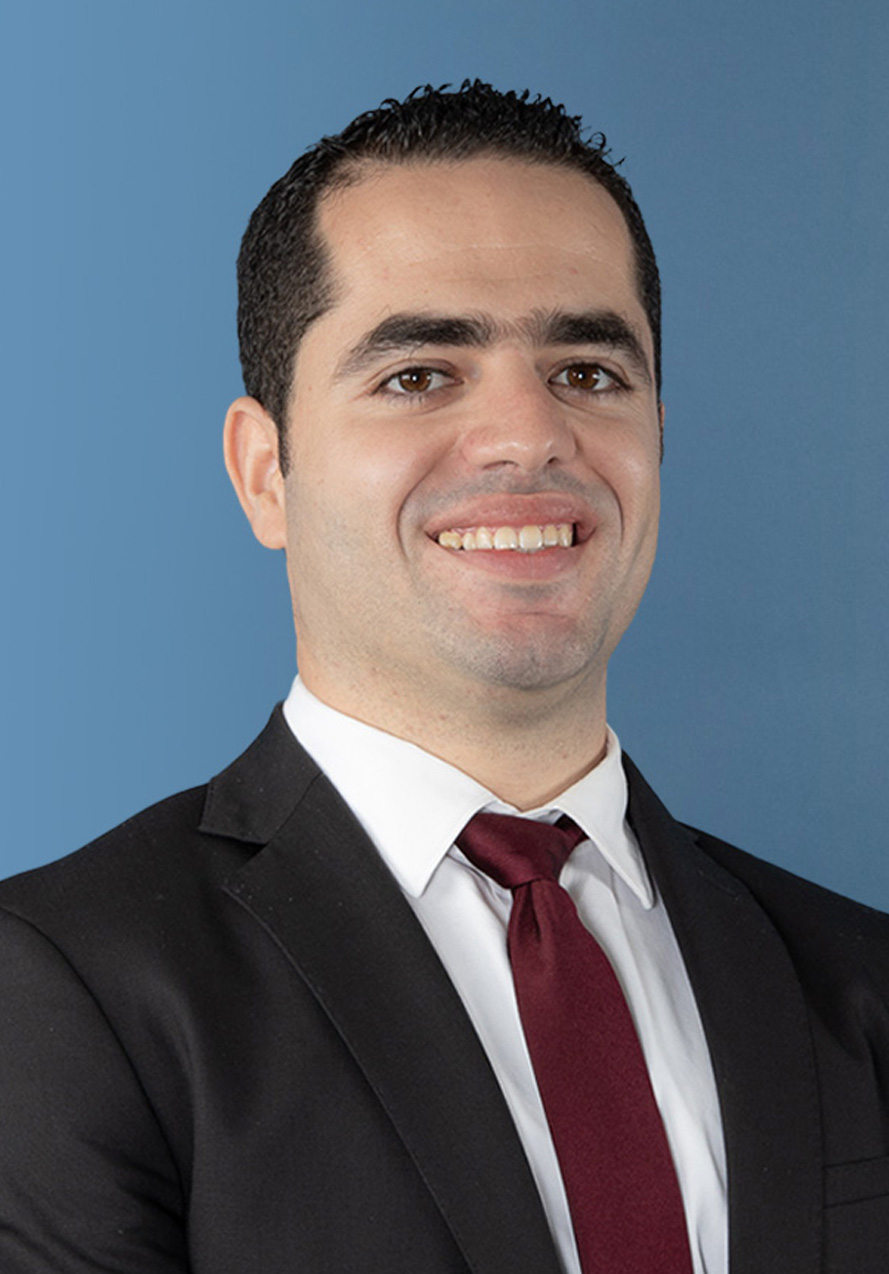
Hamza Saoudi
Senior Economist
Hamza Saoudi is a Senior Economist at the Policy Center for the New South (PCNS).At the PCNS, Hamza Saoudi conducts research on labor market dynamics, social protection systems, and inclusive growth, with a particular focus on Morocco and Africa. He is also interested in macroeconomic stabilization policies, international trade, and long-term economic development.He has contributed to PCNS projects and publications addressing informality, social protection, and inequality in developing economies.He also served as the project coordinator of the Oxford Handbook of the Moroccan Economy, published by Oxford University Press in 2026.Before joining the PCNS in 2017, Hamza Saoudi contributed to the development of quantitative models for bank credit risk management.Hamza Saoudi holds ...
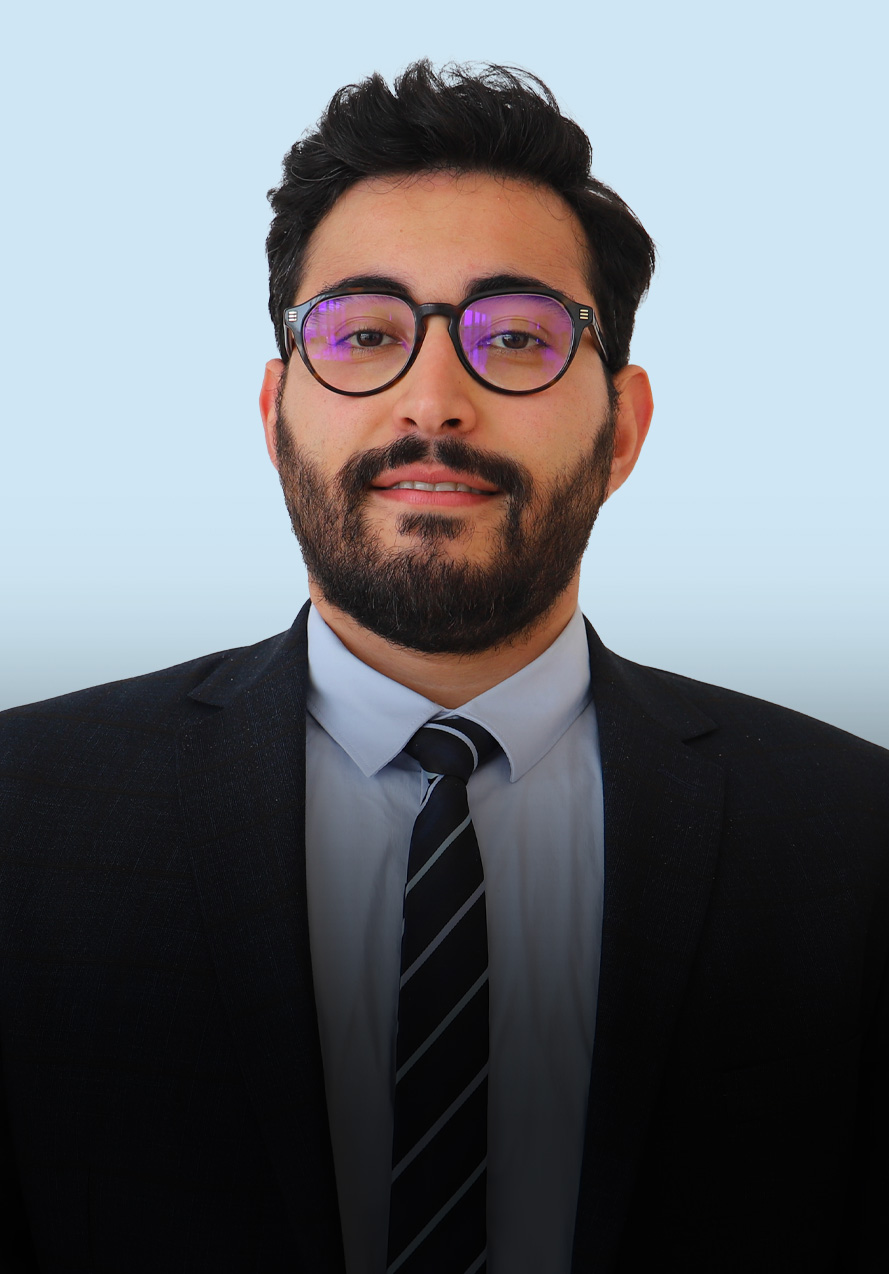
Adnane Lahzaoui
Economist
« Adnane Lahzaoui is an economist at the Policy Center for the New South (PCNS), which he joined in august 2023. His work focuses on economic growth and labor market dynamics, with an interest in broader socio-economic issues.Mr. Lahzaoui holds a dual master’s degree in International Economics and Development from Paris Dauphine University – PSL and in Development Economics from Faculty of Governance, Economic, and Social Sciences at Mohammed VI Polytechnic University» ...

Sabrine Emran
Senior Economist
Sabrine Emran is a Senior Economist at the Policy Center for the New South (PCNS).At the PCNS, Sabrine Emran conducts research on the Energy Transition, Climate Finance, and Critical Minerals, focusing on the energy priorities of developing countries in the context of sustainable development, just energy transition, and global climate commitments.Before joining the PCNS in 2022, Sabrine Emran worked as a Commodities Analyst and Risk Management Consultant, specializing in agricultural and energy commodities as well as foreign exchange risk. She also held a position at Lyxor Asset Management as Request for Proposal and Product Specialist, where she focused on alternative investment asset classes and collaborated closely with institutional investors.Sabrine Emran holds a master’s ...

RELATED CONTENT

  • Authors
    January 26, 2022
    COVID-19 has caused serious damage throughout the entire world. As of mid-2021, the global fiscal cost of COVID-19—excluding the most important consequences, such as human lives, mental health effects, restrictions of human freedom, and other non-pecuniary components, have amounted to at least $16.5 trillion, about 18% of world GDP (Dinh 2021). Financial support has varied across countries depending on income level, political willingness, and the extent of the pandemic in each econo ...
  • Authors
    Gerson Javier Pérez Valbuena
    Diana Ricciulli
    Jaime Bonet
    Inácio Araújo
    Fernando Perobelli
    December 28, 2021
    This paper analyses the regional economic differences in the impact of lockdown measures to prevent the spread of COVID-19 ordered by Colombia’s national gov­ernment. Using an input-output model, we estimate regional economic losses by extracting a group of formal and informal workers from different sectors of the economy. Results show regional differences in the impact of lockdown measures on their labour markets, local economies, and productive sectors. We also find that periphera ...
  • Authors
    Morten Seja
    December 20, 2021
    A Case for Regulators to Green Financial Inclusion Financial Inclusion is an Excellent Tool for Combating Poverty It is well known that supporting financial inclusion is a relevant tool in lifting people out of poverty. There is plenty of empirical evidence showing that financial inclusion significantly reduces poverty and income inequality in developing countries. Concerted efforts to support financial inclusion globally have existed since the United Nations Capital Development ...
  • Authors
    Alessandro Minuto-Rizzo
    Alessandro Politi
    Claire Spencer
    Abdulaziz Sager
    Mahboub E. Hashem
    Matt Herbert
    Umberto Profazio
    Eman Ragab
    Brahim Oumansour
    Ashraf Mohamed Keshk
    Jean-Loup Samaan
    Ahmad Masa’deh
    Giovanni Romani
    November 11, 2021
    Since its very beginning in 2011, the Middle East and Deep Maghreb have been a fundamental priority for the Foundation. As this year marks the 10th anniversary of the Arab uprisings, our Dossier wants to provide a meaningful understanding of the future dynamics of an area that, despite several positive attempts, is still affected by major instability. Gathering the perspectives of a pool of distinguished regional and international analysts, this publication dives into the socio-econ ...
  • Authors
    October 21, 2021
    In the World Economic Outlook, published October 12, the International Monetary Fund (IMF) slightly lowered its forecast for global economic growth this year to 5.9%, while maintaining a forecast of 4.9% for 2022. It also emphasized the “divergence” in the pace and extent of economic recovery in different countries. Two factors are highlighted in explaining the divergence. First, there are the different paces and extent of vaccination in different countries, that is, the ‘Great Vac ...
  • June 11, 2021
    Inequality is nowadays one of the most important issues facing many economies around the world, not only in developing countries but also in advanced and emerging ones. Today, there is a ...
  • May 27, 2021
    En partenariat avec l’ISCAE Dans le cadre de la pandémie de COVID-19, le dialogue entre citoyens, scientifiques et décideurs politiques et la répartition de leurs rôles au sein de la société ont été un élément déterminant dans les réponses apportées à cette crise. Dans chaque pays, la c...
  • April 26, 2021
    La Tunisie a fêté récemment le 10ème anniversaire de la révolution qui a mis fin à l’ancien régime bénalien et défini les principes de la IIème République. Ayant pour principales doléances la croissance économique et la justice sociale, la révolution tunisienne était exclusivement sociale. Or, l’appropriation de la révolution par l’Assemblée nationale constituante (ANC) et le quartet du dialogue national qui ont privilégié le chantier des réformes démocratiques au détriment des réfo ...
  • Authors
    March 24, 2021
    This report is part of a partnership between the Policy Center for the New South and the Atlantic Council’s Africa Center.   New technologies, such as automation, artificial intelligence and industrial robots, are often seen as a real danger for existing jobs and also for future job-creation prospects. There is a perception that they will make work redundant and lead to massive job destruction. However, others believe that automation, like previous technological waves , ...