(FR) Composition and Performance of the Moroccan Manufacturing Sector

April 29, 2026

Cet épisode explore le parcours industriel du Maroc depuis l’indépendance, en retraçant le passage des industries textiles traditionnelles vers des secteurs à forte valeur ajoutée tels que l’automobile, l’aéronautique et l’électronique. Il examine comment ces transformations redéfinissent le paysage industriel, en mettant en lumière les acquis, les contraintes persistantes et le potentiel encore inexploité. Des orientations stratégiques sont proposées afin de renforcer la compétitivité, la diversification et l’intégration du Maroc dans l’économie mondiale.

Speakers
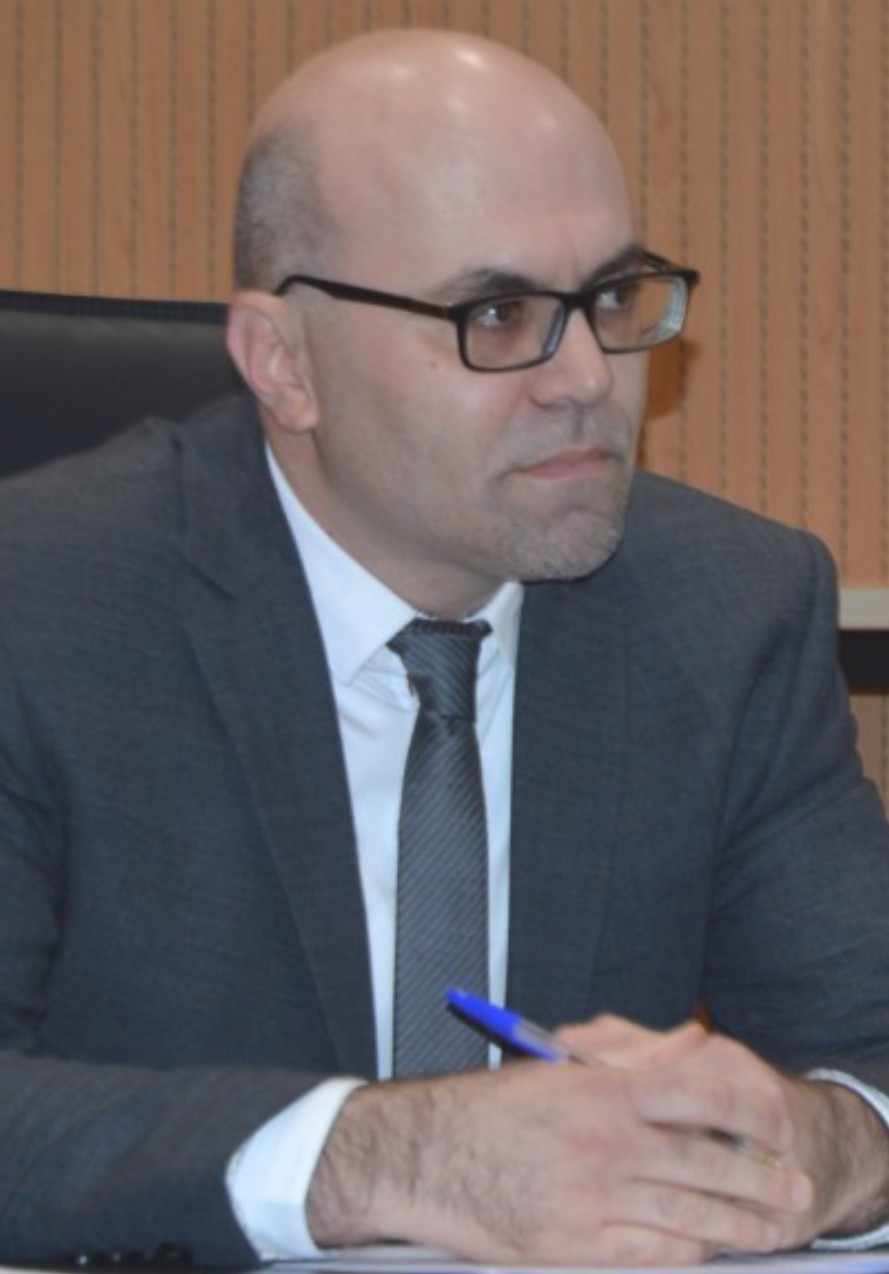
Karim El MOKRI
Senior Expert Economist, The Economic, Social and Environmental Council
Karim El Mokri is an economist-researcher with a PhD in economics from Mohammed V University in Rabat. Over the course of his career, he has held various positions at the central bank of Morocco and the Policy Center for the New South. He currently serves as a Senior Expert at Morocco’s Economic, Social, and Environmental Council. His research focuses on industrial policy, structural transformation, and economic complexity, as well as labour market dynamics, the economic impact of automation and artificial intelligence, and both monetary and fiscal policies. He has contributed to numerous publications in these fields. ...
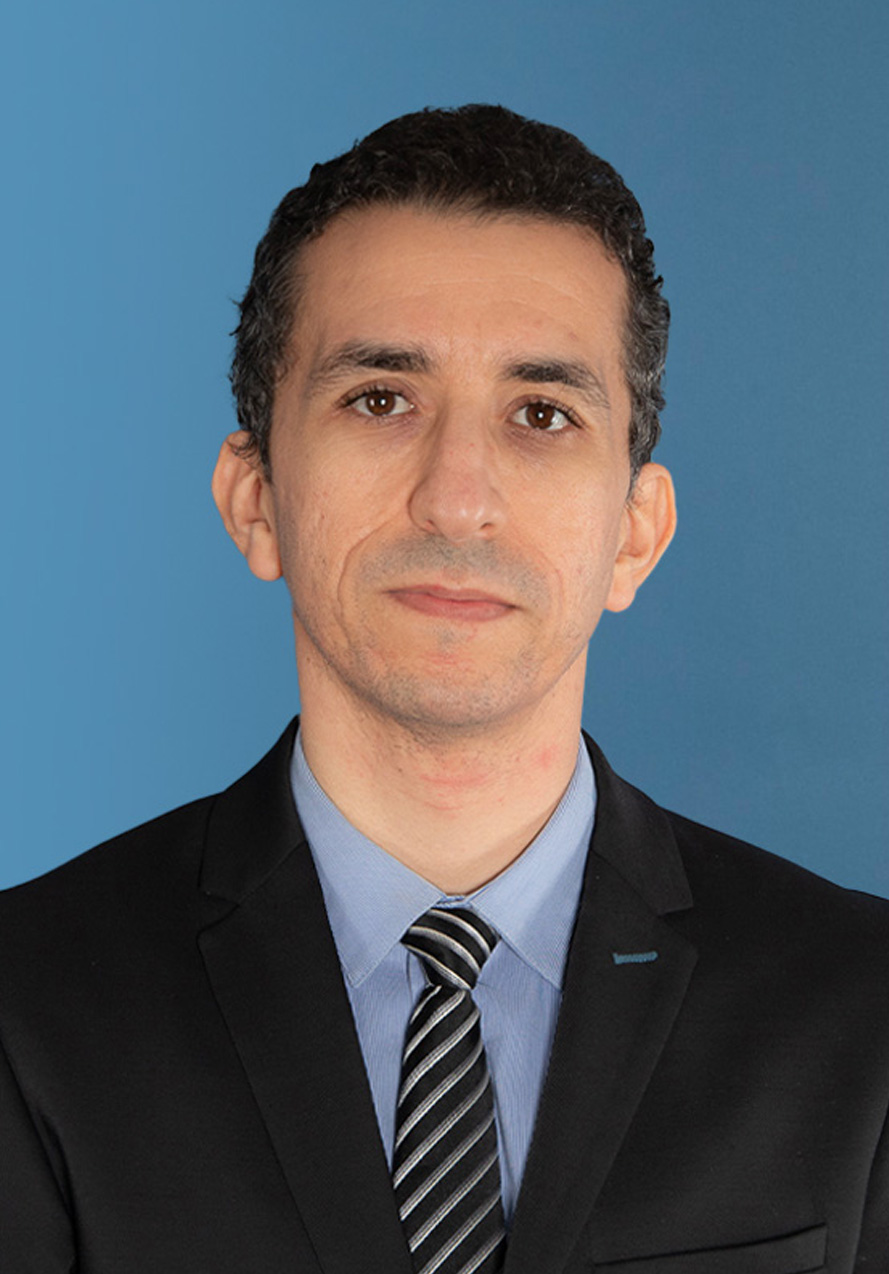
Abdelaaziz Ait Ali
Head - Research in Economics
Abdelaaziz Ait Ali is a principal Economist and head of the Research Department at the Policy Center for the New South. He joined the Center in 2014 after five years of experience at the Central Bank of Morocco. He worked as an economist in the International Studies and Relations Department and was analyzing the real estate price index and financial asset prices for monetary policy and financial stability purposes. Since then, Abdelaaziz has focused on cyclical and structural issues of the Moroccan economy, including macroeconomic management and industrial policy design. He has published articles on the reform of the exchange rate regime in the Moroccan economy and its implications for macroeconomic regulation, as well as on the evolution of the macroeconomic framework over th ...
RELATED CONTENT

  • Authors
    Taoufik Abbad
    July 5, 2017
    The continuous and reinforced process of accumulating physical capital, in which Morocco has embarked since the early 2000s, has helped to preserve the stability of the fundamental equilibrium and cushion the economy from various external and exogenous shocks. However, these accumulation efforts have not led to a significant increase in productivity gains or to an accelerated transformation of the productive base. This Policy Brief aims to describe the underpinnings of the capital a ...
  • June 21, 2017
    Ce podcast est présenté par Moubarack Lo. Il y analyse l’apport de l’adhésion marocaine à la CEDEAO suite à l’accord de principe donné par ses membres au 51e sommet de Monrovia le 4 juin ...
  • Authors
    December 23, 2015
    Global economic growth is likely to be a little better in 2016 than this year’s lackluster outcome. The ongoing slow recovery in the United States and Europe is likely to continue. However, weakness in China as well as several large emerging markets, and sluggishness of world trade, mean that risks are weighted on the downside of this forecast. Morocco, which is reliant on European markets, is a heavy importer of oil, and whose currency has devalued in effective terms, should find t ...
  • Authors
    Clémence Vergne
    November 19, 2015
    Au cours de la dernière décennie, le Ghana a enregistré des taux de croissance moyens supérieurs à 7 % par an, ce qui lui a permis d’accéder au statut de pays à revenu intermédiaire de la tranche inférieure. Toutefois, la croissance a récemment marqué le pas pour s’établir à 4,2 % en 2014, ce qui soulève la question de la pérennité du modèle de développement du pays. Le Ghana se trouve désormais à un stade critique de son processus de développement. Une transformation structurelle ...
  • Authors
    Pierre-Richard Agénor
    January 24, 2015
    L’économie marocaine fait actuellement face au risque de se retrouver « prise en tenaille », entre, d’un côté les pays à faible revenu en croissance rapide, bénéficiant d’une main-d’oeuvre abondante et bon marché, et, de l’autre, les pays à moyen revenu, capables d’innover rapidement. De plus, les investissements massifs de la Chine en Afrique subsaharienne ont contribué à accélérer la participation de certains pays de cette région à la nouvelle division internationale du travail, p ...
  • Authors
    Pierre-Richard Agénor
    January 24, 2015
    OCP Policy Center est ravi de recueillir vos commentaires et d’engager la discussion autour de la publication de son dernier livre sur la stratégie de croissance du Maroc à l’horizon 2025 dans un environnement international en mutation, co-écrit par Pierre Richard Agénor et Karim El Aynaoui. L’économie marocaine fait actuellement face au risque de se retrouver « prise en tenaille », entre, d’un côté les pays à faible revenu en croissance rapide, bénéficiant d’une main-d’œuvre abond ...