حديث الثلاثاء - زلزال الحوز: الأبعاد الاقتصادية والسياساتية لجهود إعادة الإعمار

September 25, 2024

بعد مرور عام على زلزال الحوز الذي خلف خسائر بشرية ومادية جسيمة في عدة أقاليم بالمغرب، تشهد عملية إعادة الإعمار تقدماً ملحوظاً، إلا أن التحديات لا تزال قائمة أمام استعادة الحياة الطبيعية للسكان المحليين. وبينما نراجع الإنجازات التي تحققت حتى الآن، ما هي الدروس التي يمكن استخلاصها لتعزيز الاستدامة في جهود إعادة البناء؟ وكيف يمكن ضمان استمرار الدعم لضمان التنمية المستدامة للمناطق المتضررة؟

Speakers
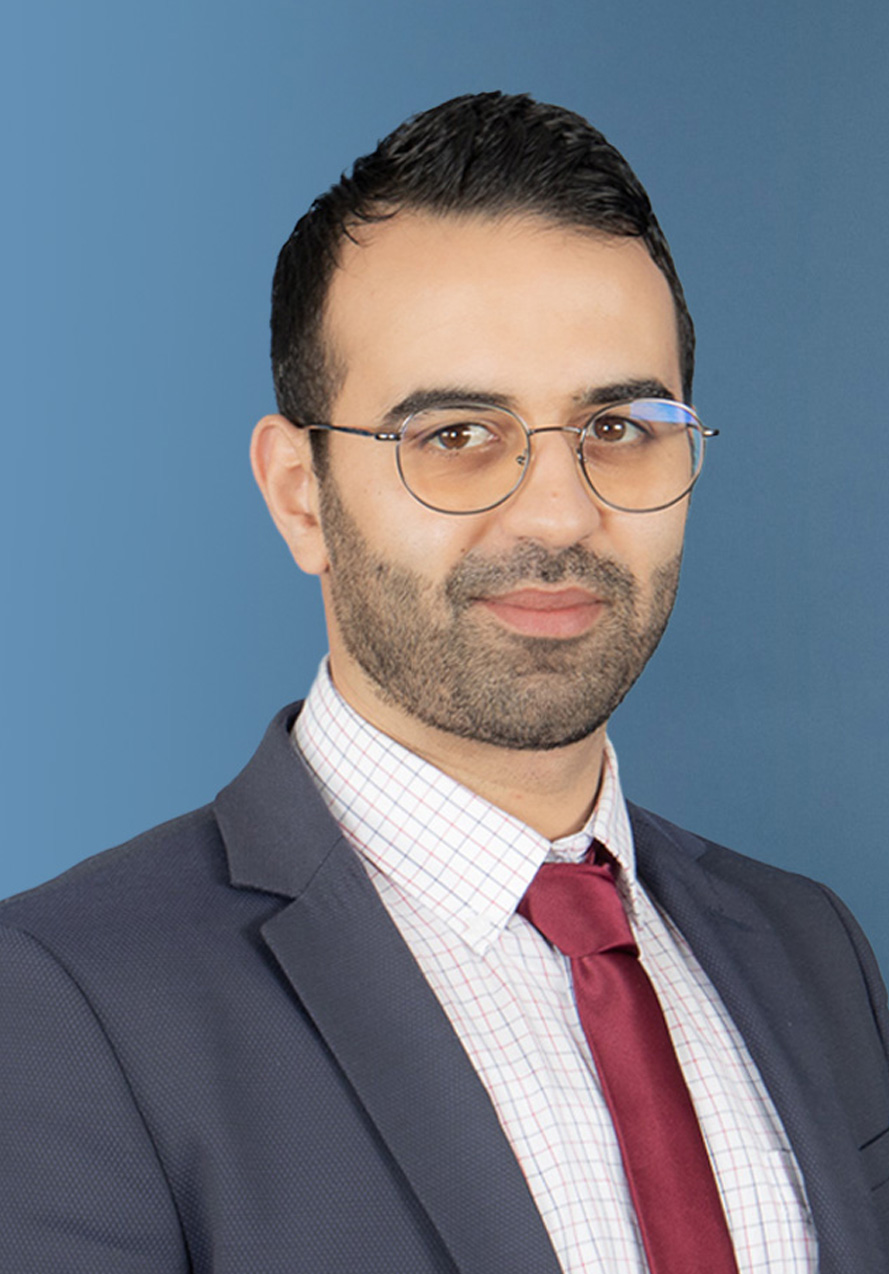
Badr Mandri
Economist
Badr Mandri is a Senior Economist at the Policy Center for the New South (PCNS), after an experience at Morocco's Haut-Commissariat au Plan (HCP). His research focuses primarily on macroeconomics, commodity markets, and development economics, having notably directed a collective volume on human capital. He also serves as an executive trainer at Mohammed VI Polytechnic University (UM6P), delivering specialized programs on public finance and fiscal policy for public sector professionals.Badr Mandri holds a Master's degree in Applied Economics from Mohammed V University in Rabat. ...
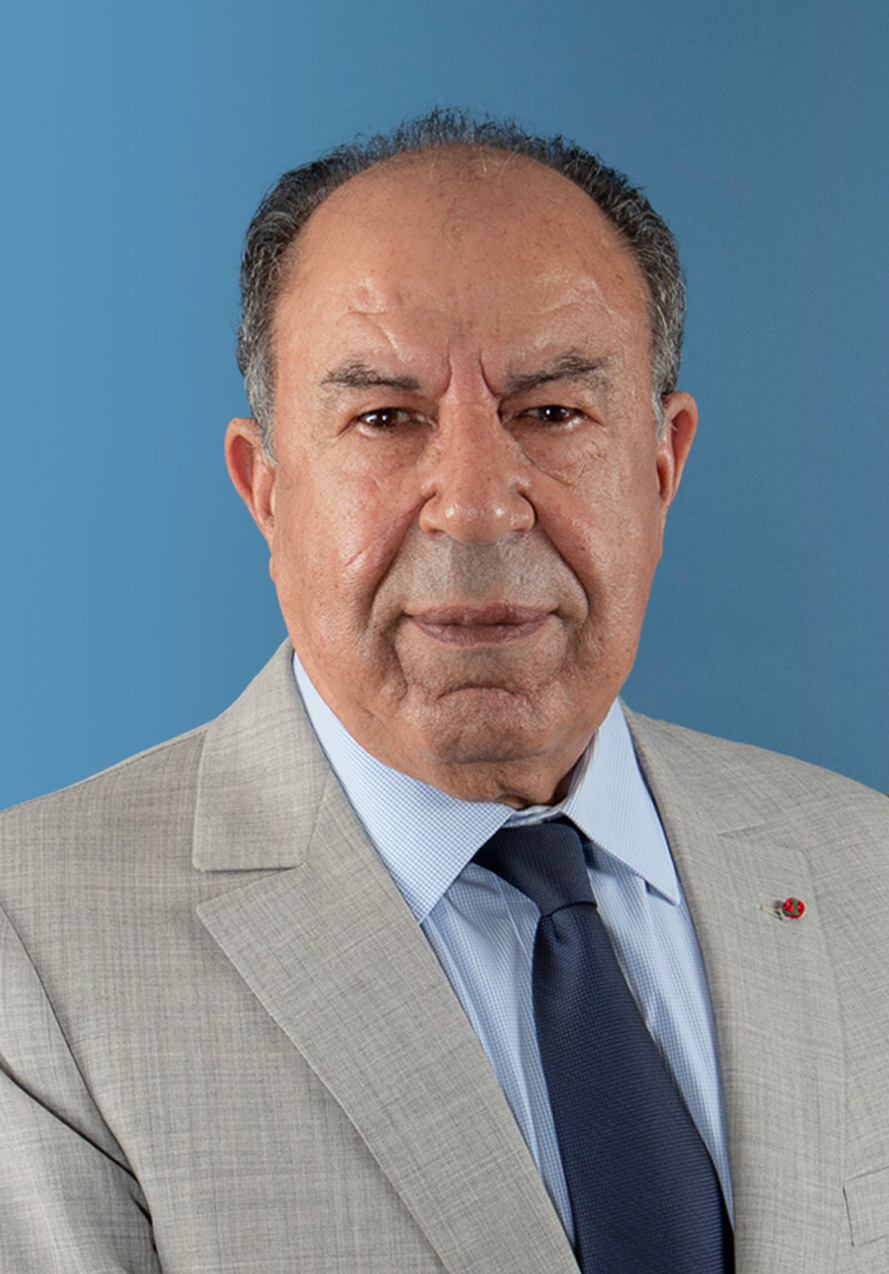
M'hammed Dryef
Senior Fellow
M’hammed Dryef is a Senior Fellow at the Policy Center for the New South, and a Professor of Practice at Mohammed VI Polytechnic University, where he also serves as a Special Advisor to the Public Policy School (PPS). He graduated from the École Nationale d’Administration Publique (ENAP) in 1972 and also holds two postgraduate diplomas in Private Law, obtained in 1975 and 1977 from Mohammed V University in Rabat. In 1992, he earned a PhD in Public Law from the Pierre Mendès-France University in Grenoble. M’hammed Dryef began his administrative career in 1972 as Deputy Administrator at the Ministry of Administrative Affairs, General Secretariat of the Government. From 1974 to 1977, he served as Chief of Staff to the Secretary of State in charge of Housing, Urban ...
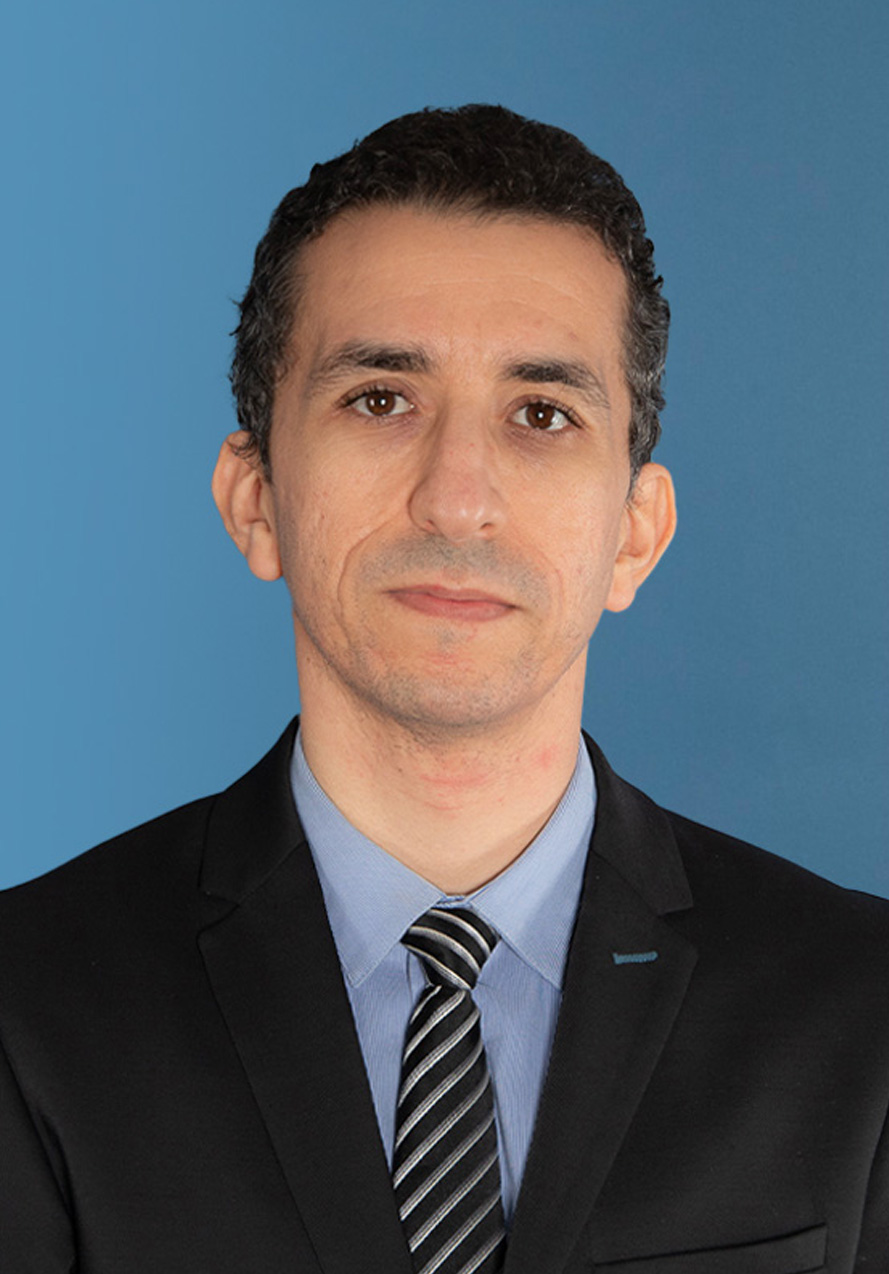
Abdelaaziz Ait Ali
Head - Research in Economics
Abdelaaziz Ait Ali is a principal Economist and head of the Research Department at the Policy Center for the New South. He joined the Center in 2014 after five years of experience at the Central Bank of Morocco. He worked as an economist in the International Studies and Relations Department and was analyzing the real estate price index and financial asset prices for monetary policy and financial stability purposes. Since then, Abdelaaziz has focused on cyclical and structural issues of the Moroccan economy, including macroeconomic management and industrial policy design. He has published articles on the reform of the exchange rate regime in the Moroccan economy and its implications for macroeconomic regulation, as well as on the evolution of the macroeconomic framework over th ...

RELATED CONTENT

  • June 1, 2020
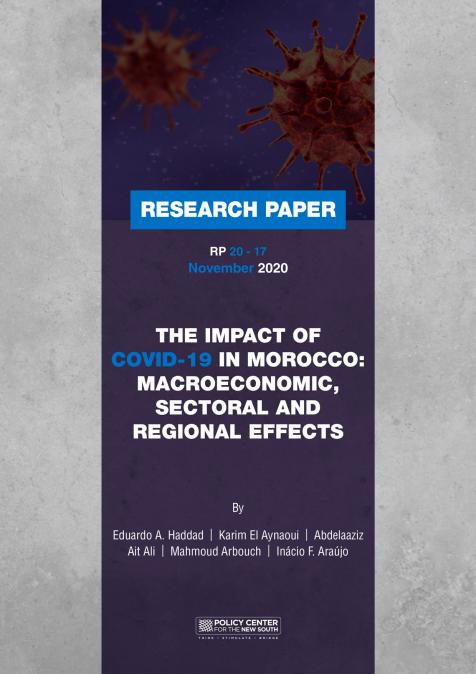
    تدور خطة العمل التي تم وضعها في مواجهة جائحة كوفيد 19 حول ثلاثة محاور: الصحة والاقتصاد والنظام الاجتماعي. وفي كل مجال من هذه المجالات، ساعدت مبادرات المؤسسات العامة والقطاع الخاص وأعضاء المجتمع المدني حتى الآن على الحد من أضرار الوباء على الصعيد الصحي، تسعى الجهود المبذولة إلى التحكم في انتشار المرض من أجل ضمان احتواء المنظومة الصحية لتدفق الحالات بشكل أفضل، خصوصا بالنظر إلى الموارد المحدودة والموزعة بشكل متفاوت على مستوى التراب الوطني. وقد تم إعطاء الأولوية في هذا السياق إلى الزيا ...
  • April 30, 2020
    Face à la pandémie du COVID-19, un plan d’action a été établi autour de trois axes : santé, économie et ordre social. Dans chacun de ces champs, le concours des institutions publiques, du secteur privé et des membres de la société civile a permis jusque-là de limiter les dégâts et d’avoir un certain contrôle sur la pandémie. Sur le plan sanitaire, l’intervention vise une maîtrise de la progression de la maladie pour une meilleure absorption des flux par le système de santé, aux moy ...
  • April 27, 2020
    Avec moins de 200 décès à ce jour, le Maroc a su enrayer l’épidémie de Covid-19. Mais le pays redoute une explosion de la pauvreté. Pour Karim El Aynaoui, président du Policy Center for the New South, il est essentiel de repenser l’économie marocaine. Bientôt deux mois après le premier cas déclaré de Covid-19, diagnostiqué le 4 mars, le Maroc est parvenu en grande partie à conjurer la menace sanitaire. Sur les presque 21 000 tests faits au 23 avril, il compte ainsi 17 295 cas ...
  • Authors
    Leila Farah Mokaddem
    April 24, 2020
    Alors que les pays africains semblaient être épargnés par le coronavirus en début de crise, il apparait clairement aujourd’hui que ces derniers souffriront également des retombées négatives de cette pandémie. Compte tenu du nombre de cas relativement bas en comparaison avec les autres régions du monde, les systèmes de santé ne sont pas encore soumis à la pression observée ailleurs mais cela ne saurait tarder. Cependant, les effets négatifs sur l’économie sont eux déjà largement per ...
  • Authors
    Youssef El Jai
    April 1, 2020
    « Economists have a bad track record in predictions, so I will not try my hand at predicting the effect of the novel coronavirus (COVID-19) on the global financial system or the global economy. » Thorsten Beck .ctc ul{padding-left:30px; } .ctc ul li{list-style:disc;} Comme le dit si bien Thorsten Beck, il serait illusoire de prévoir à ce stade, compte tenu de l’information disponible, un impact chiffré de la crise sur l’économie. A l’issue de son Conseil du17 mars 2020, ...
  • September 1, 2019
    Income inequality is high in Morocco. In 2013, the share of national income1  of the richest 10% in Morocco stood at nearly 32%, 12 times higher than the share of national income of the poorest 10% of the population. This paper argues that, drawing on international experience, there is much more that Morocco’s government can do to reduce inequality while at the same time enhancing growth and – possibly – doing so in a manner that is budget-neutral or even budget-positive. Top o ...
  • August 23, 2019
    Income inequality is high in Morocco. In 2013, the share of national income of the richest 10% in Morocco stood at nearly 32%, 12 times higher than the share of national income of the poorest 10% of the population. High inequality can adversely affect long-term growth as it tends to be associated with underutilization of human potential. This paper argues that, drawing on international experience, there is much more that Morocco’s government can do to reduce inequality while at the ...
  • Authors
    Thomas Pereira da Silva
    March 7, 2018
    This proposal seeks to contribute to reduce, in a cost-effective way, Morocco’s unusually high, persistent and growing unemployment level for university graduates1. It complements and enhances the existing Université Internationale de Rabat (UIR) Public-Private Partnership (PPP). Tertiary enrolment in Morocco has been increasing above what seems to be labor market absorptive capacity. Over the past decade, the share of the unemployed with university degrees as a percentage of total ...
  • Authors
    Coordonné par
    Zineb Bouba
    Appui technique: Pierre-Richard Agénor
    March 9, 2017
    Dans le sillage des débats actuels sur la contribution de la femme à la création de richesses, le présent ouvrage s’essaye d’y contribuer moyennant des approches méthodologiques innovantes couvrant plusieurs champs d’analyse conciliant l’égalité de genre, les politiques publiques et la croissance économique au Maroc. Il offre, ainsi, un diagnostic exhaustif de l’évolution des inégalités de genre en termes, notamment, d'accès à l'emploi, à l'éducation, à la santé, à l'infrastructure, ...