(AR) Economic History of Morocco - مسار الاقتصاد المغربي عبر التاريخ

April 10, 2026

تتتبع هذه الحلقة التاريخ الاقتصادي للمغرب منذ تهميشه في القرن التاسع عشر تحت ضغط القوى الأوروبية، مرورًا بالثنائية الاستعمارية والتنمية التي قادها الدولة بعد الاستقلال، وصولًا إلى برامج التكيف الهيكلي في الثمانينيات. وقد عززت الإصلاحات الأخيرة مرونة الاقتصاد، مع مساهمة قطاعات الزراعة، وصناعة السيارات، والفوسفات في النمو. ومع ذلك، يواجه المغرب تحديات عالمية جديدة تتطلب نموذجًا تنمويًا يركز على الشمول الاجتماعي، والابتكار، والتحول البيئي

Speakers
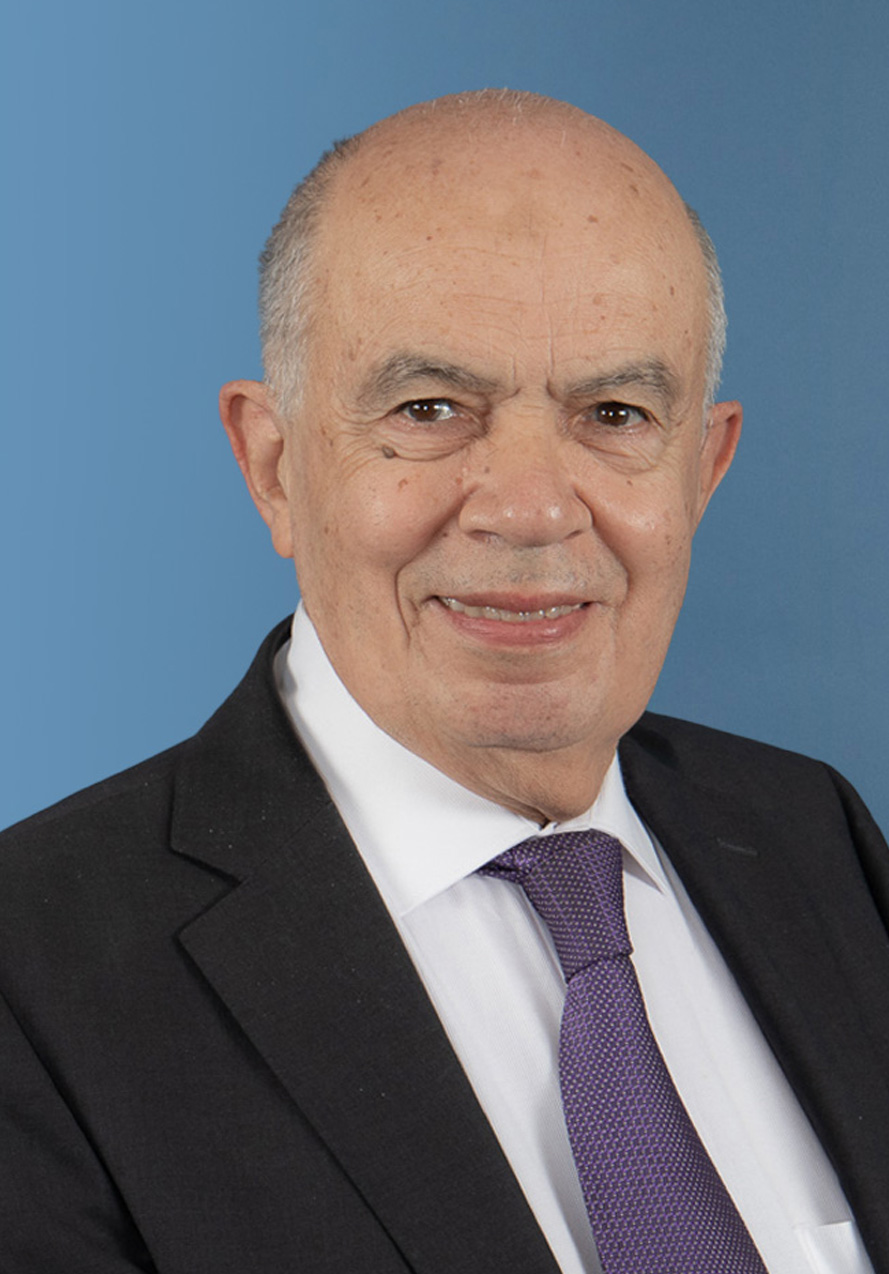
Fathallah Oualalou
Senior Fellow
Fathallah Oualalou is an economist, Senior Fellow at the Policy Center for the New South.  He obtained his PhD in economics from the University of Paris in 1968. Prior to joining the Policy Center for the New South, he served as a professor at Mohammed V University in Rabat and other higher education institutions in Morocco, and as an associate professor at several foreign universities. He is the author of numerous books and articles in the fields of economic theory, financial economics, international economic relations, the economies of Maghreb countries, the Arab world, and the Euro-Mediterranean area. In addition, he was the president of the Association of Moroccan Economists at the Union of Arab Economists. His political activism began with the creation, in the 1960 ...
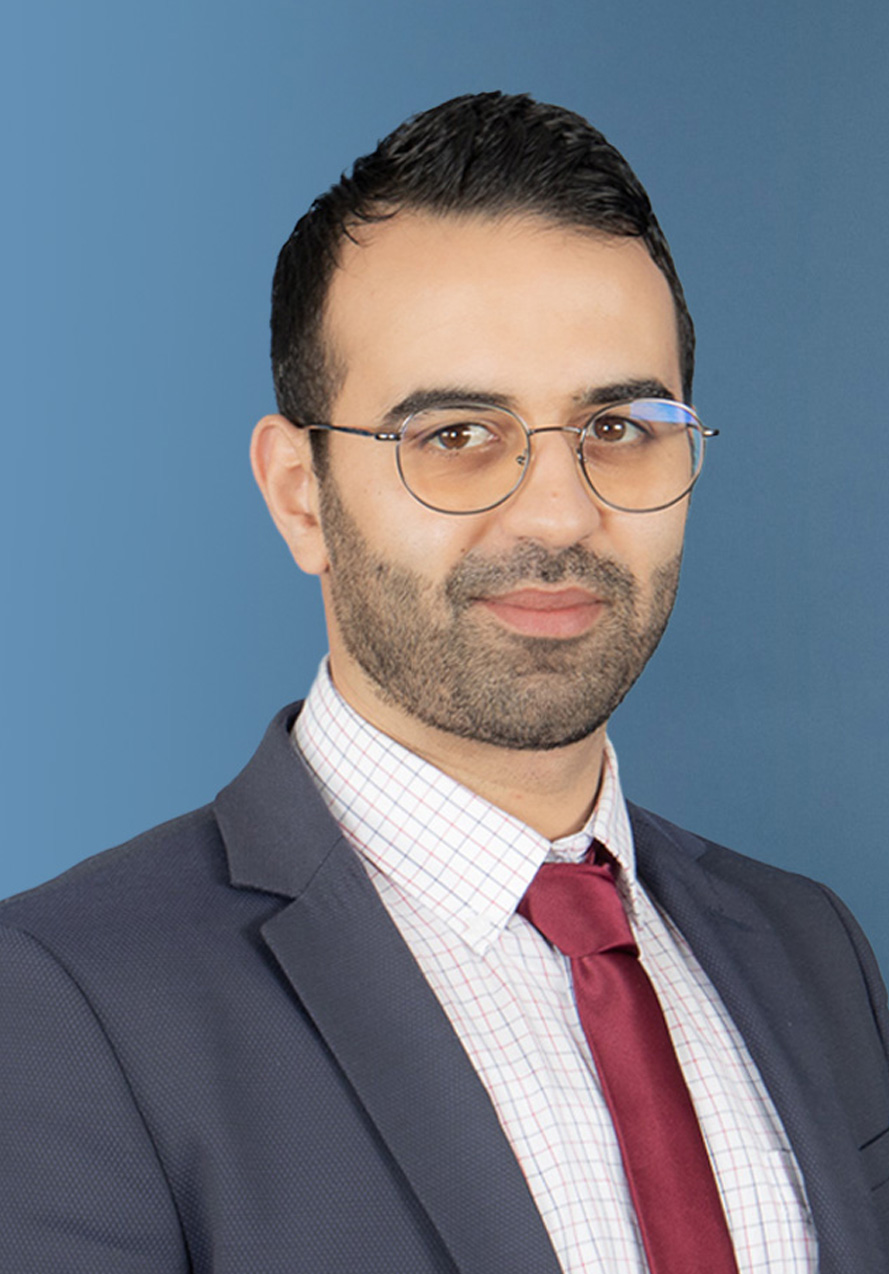
Badr Mandri
Economist
Badr Mandri is an Economist who joined Policy Center for the New South after two years’ experience at the Moroccan national statistics office (HCP, High Commission for Planning). His research activities focus on development macroeconomics especially on fiscal policy and development financing. Badr Mandri holds a master’s degree in applied economics, and is currently a PhD student at Mohamed V University in Rabat; ...

RELATED CONTENT

  • June 17, 2021
    Africafé reviens ce jeudi 17 juin à 17h30 avec un nouvel épisode. Présenté par Youssef Tobi, spécialiste en relations internationales, Africafé décrypte l'actualité des organisations africaines et du continent avec des experts africains. Dans cet épisode, Youssef El Jai donne une vision...
  • Authors
    December 30, 2020
    According to this month’s OECD economic outlook, global GDP --- which took a huge hit from the pandemic and is still 3% below its level of a year ago – will not recover its pre-pandemic level until the end of 2021. In a downside scenario, the return could take almost a year longer. The OECD predictions, which imply high and protracted unemployment, are in line with the view of many other official and private organizations. The arrival of effective vaccines such as Pfizer-BioNTech wa ...
  • Authors
    Attioui Abdelali
    Billaudot Bernard
    Chafiq Adnane
    December 30, 2020
    Le présent rapport a pour objet d’analyser les implications sur la croissance et le développement du Maroc de son insertion dans l’économie mondiale. Cette analyse est menée en comparant la dynamique économique observée après 1998 à celle qui l’a été avant. En effet, la période 1998-2018 est celle au cours de laquelle se sont manifestés les effets du choix acté et assumé politiquement de l’ouverture (ou du libre-échange, si on préfère). Pour avant, nous nous en tenons à la période 1 ...
  • Authors
    Sous la direction de
    December 29, 2020
    Dès les premiers cas du Coronavirus relevés en Afrique, les prédictions les plus sombres ont été faites sur la catastrophe sanitaire à venir sur le continent, en raison d’un certain nombre de caractéristiques supposées favoriser la propagation de l’épidémie. Ces prévisions ont été démenties par la rapidité des ripostes des Etats et par divers autres facteurs. La progression de la Covid-19 en Afrique n’est pas le fait d’une dynamique unique mais plutôt de multiples profils de risques ...
  • Authors
    December 22, 2020
    After reaching a peak against other currencies in March this year, the dollar fell by almost 15% until the beginning of December. According to Bloomberg, asset portfolio managers have been assuming "short" positions against the dollar, that is, betting on its fall ahead. The dollar is expected to devalue against the euro, the yen, and the Chinese RMB in 2021. The peak last March, during the coronavirus financial shock, reflected the search for a safe haven in short-t ...
  • December 16, 2020
    The COVID-19 pandemic has hit the Moroccan economy hard, as elsewhere in the world. A collapse in external demand and a lockdown lasting more than three months have profoundly altered economic activity in Morocco, causing its first recession since 1995. The implementation of the confinement and social distancing measures was strict and came two weeks after the detection of the first cases of COVID-19 in Morocco on March 2, 2020. The lockdown was extended three times and lasted aroun ...
  • Authors
    December 7, 2020
    The pandemic is accelerating history, in the sense that it is leading to the speeding up of some recent trends. In the case of globalization, the pandemic will not reverse it, but it will reshape it. Here we take a bird’s eye view of global trade during the pandemic, relate it to previous trends, and guess how global value chain managers and government trade policymakers are likely to react. A Bird’s Eye View of Global Trade during the Pandemic World trade took a deep dive during ...
  • Authors
    August 6, 2020
    La COVID-19 a asséné un puissant coup de massue à l’économie mondiale, en combinant une terrible pandémie à un effondrement de la production dû au confinement de la moitié de la population active mondiale. L’incertitude générée par le choc médical et économique paralyse les consommateurs et les investisseurs, et la dispersion des prévisions économiques à court terme est plus grande qu’elle ne l’a jamais été dans l’histoire moderne, environ six fois plus que lors de la grande crise f ...
  • Authors
    Karim EL Mokri
    July 27, 2020
    The current pandemic has hit all countries hard, with severe repercussions at all levels. In economic terms, and given the scale of the damage, countries have reacted quickly by drawing on their available toolboxes. However, unlike in 2008, room for maneuver this time is much more limited and many countries have no choice but to go into massive debt to cope with the effects of the pandemic. For a country like Morocco, such a situation should lead the authorities concerned to study a ...
  • July 24, 2020
    Depuis 2018, le Ghana est considéré par le Fonds monétaire international (FMI) comme le bon élève de l'Afrique. Bon élève dans le respect de la démocratie qui lui permet d'attirer de nombreux investisseurs mais, aussi, bon élève de par les résultats économiques obtenus pour réduire son inflation et relancer sa croissance économique, suite à un programme d'ajustement structurel, soutenu par le FMI, mis en place en 2015, et qui s'est achevé en 2019. Ces résultats, le Ghana les doit a ...