(AR) Economic History of Morocco - مسار الاقتصاد المغربي عبر التاريخ

April 10, 2026

تتتبع هذه الحلقة التاريخ الاقتصادي للمغرب منذ تهميشه في القرن التاسع عشر تحت ضغط القوى الأوروبية، مرورًا بالثنائية الاستعمارية والتنمية التي قادها الدولة بعد الاستقلال، وصولًا إلى برامج التكيف الهيكلي في الثمانينيات. وقد عززت الإصلاحات الأخيرة مرونة الاقتصاد، مع مساهمة قطاعات الزراعة، وصناعة السيارات، والفوسفات في النمو. ومع ذلك، يواجه المغرب تحديات عالمية جديدة تتطلب نموذجًا تنمويًا يركز على الشمول الاجتماعي، والابتكار، والتحول البيئي

Speakers
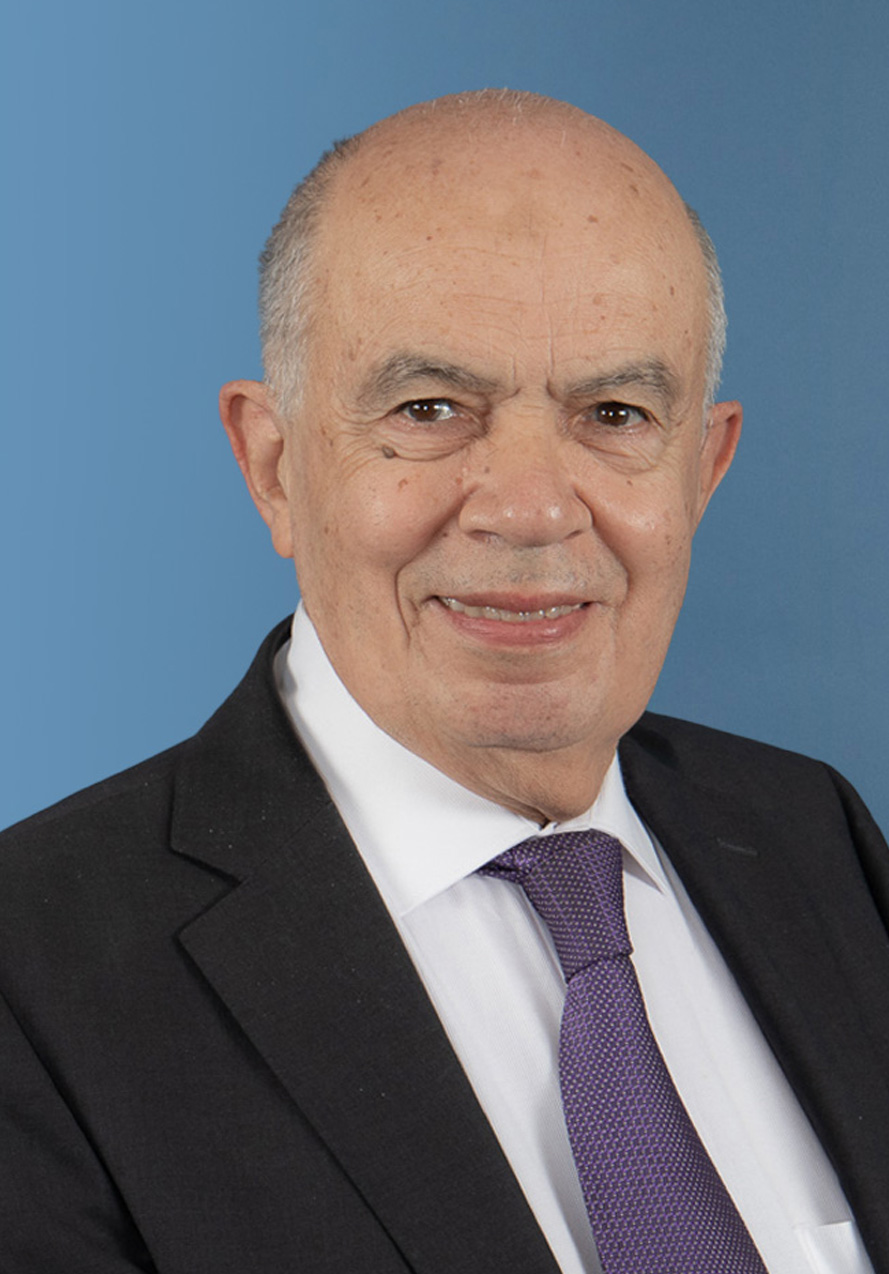
Fathallah Oualalou
Senior Fellow
Fathallah Oualalou is an economist, Senior Fellow at the Policy Center for the New South.  He obtained his PhD in economics from the University of Paris in 1968. Prior to joining the Policy Center for the New South, he served as a professor at Mohammed V University in Rabat and other higher education institutions in Morocco, and as an associate professor at several foreign universities. He is the author of numerous books and articles in the fields of economic theory, financial economics, international economic relations, the economies of Maghreb countries, the Arab world, and the Euro-Mediterranean area. In addition, he was the president of the Association of Moroccan Economists at the Union of Arab Economists. His political activism began with the creation, in the 1960 ...
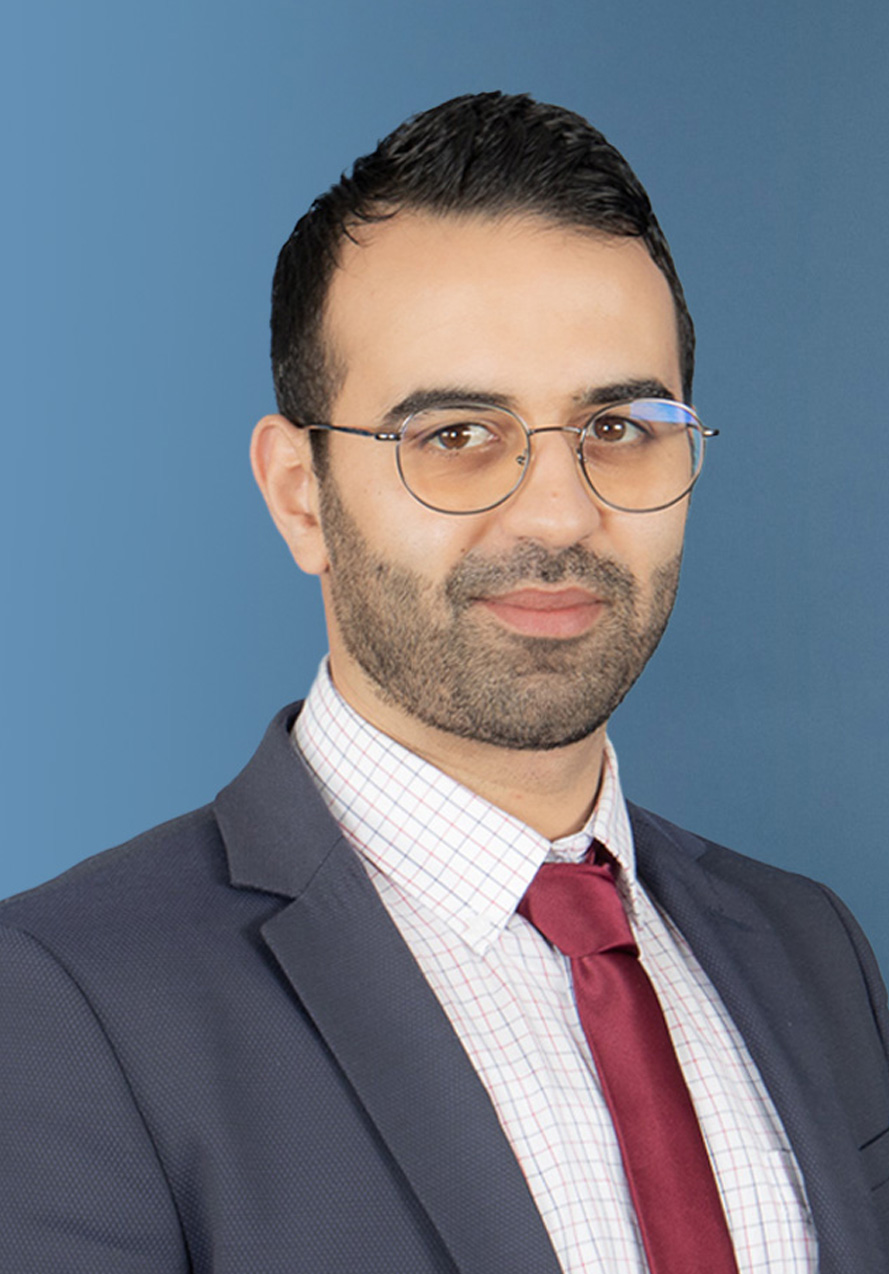
Badr Mandri
Economist
Badr Mandri is an Economist who joined Policy Center for the New South after two years’ experience at the Moroccan national statistics office (HCP, High Commission for Planning). His research activities focus on development macroeconomics especially on fiscal policy and development financing. Badr Mandri holds a master’s degree in applied economics, and is currently a PhD student at Mohamed V University in Rabat; ...

RELATED CONTENT

  • Authors
    Moubarack Lo
    Mohamed Ben Omar NDIAYE
    June 15, 2022
    La question de la mise en œuvre du projet de monnaie unique de la CEDEAO a encore été au centre des discussions entre les chefs d’État de la CEDEAO lors de leur 57ème session ordinaire, tenue à Niamey le 7 septembre 2020, et lors de laquelle ils ont décidé pour diverses raisons un nouveau report à une date ultérieure, après ceux de 2003, 2005, 2009 et 2015. Les chefs d’État ont aussi évoqué l’élaboration d’une « nouvelle feuille de route », sans toutefois déterminer u ...
  • June 10, 2022
    The latest IMF projections indicate that global growth will be 4.4% in 2022 after 5.9% in 2021. These projections make us very optimistic for the future, but they certainly cannot heal th ...
  • June 7, 2022
    يعتبر التضخم مقياسا اقتصاديا يعنى بتطور الأسعار في أسواق السلع والخدمات كما انه يرصد القدرة الشرائيّة. وقد شهد معدل التضخم مؤخرا ارتفاعات غير مسبوقة في بقاع عدة، قارن بعض الخبراء الاقتصاديين بينها وبين مرحلة الركود التضخمي في سبعينيات القرن الماضي، اخذين كمنطلق مجموعة من ...
  • May 20, 2022
    Traders have worried that the war involving Russia and Ukraine could stoke inflation, further disrupt supply chains and derail the global economic recovery. Scarcity of food has led ...
  • April 29, 2022
    Following on the heels of the COVID-19 pandemic and severe drought in North Africa, the Russian invasion of Ukraine – large exporters of food and, in the case of Russia, energy— may inflict increased hunger on the food insecure in Morocco – despite mitigating measures by the government. Morocco is so far successfully shielding its large poor and vulnerable population by subsidizing essential commodities. With memories of the violent protests during the 2007/08 food and fuel crisis ...
  • Authors
    February 3, 2022
    COVID-19 has ravaged nearly every country in the world, with the globalization of recent decades intensifying its spread. As of mid-2021, the world had spent $16.5 trillion—18% of global GDP—to fight the disease. And that amount does not even include the most important losses such as deaths, mental health effects, restrictions on human freedom, and other nonmonetary suffering. Nearly 90% of this spending was by developed economies, with the rest by emerging market and developing eco ...
  • Authors
    December 21, 2021
    The Policy Center for The New South (PCNS) joined an inter-institutional effort between the Ibero-American General Secretariat (SEGIB), the United Nations Development Program (UNDP) and the International Development Research Centre (IDRC) in an international research project called ‘’Purpose-driven companies and the regulation of the Fourth Sector in Ibero-America’’. As this project grew to cover countries outside of Ibero-America, the PCNS was invited to write a chapter about ...
  • December 17, 2021
    The research project “Purpose-driven companies and the regulation of the Fourth Sector in Ibero- America” is part of an inter-institutional effort involving the Ibero-American General Secretariat (SEGIB), the United Nations Development Program (UNDP) and the International Development Research Centre (IDRC). The project has its origin in the results of a previous research developed by SEGIB (Fourth Sector companies and the SDGs in Ibero-America, 2020), through which we analyzed the i ...
  • Authors
    December 6, 2021
    Between January 2020 and June 2021, the world spent about US $16.5 trillion (18% of world GDP) to fight COVID-19, and this amount does not even include the most important losses such as deaths, mental health effects, restrictions on human freedom, and other nonmonetary suffering. Nearly 90% of this amount was spent by developed economies; the rest by emerging market and developing economies. Low-income countries spent just US $12.5 billion, or less than 0.0001% of the total. Moreove ...
  • August 24, 2021
    تجدون أقوى لحظات حديث الثلاثاء حول المواضيع الاقتصادية لهذه السنة : رؤى استشرافية لما بعد الجائحة، الاقتصاد غير المهيكل، دور القطاع الثالث، المغرب وسلاسل القيمة الاقليمية مع خبراء وباحثين اقتصادين ...