Séminaire de présentation Rapport annuel sur l’économie de l’Afrique - Panel 2 & 3

November 4, 2022

Panel 2: Les Communautés Economiques Régionales : Quel apport à la résilience africaine dans un contexte de chocs multidimensionnels ?

Modérateur:           

Abdelaaziz Aït Ali, Manager – Département d’économie, Policy Center for the New South
 

Intervenant.e.s :

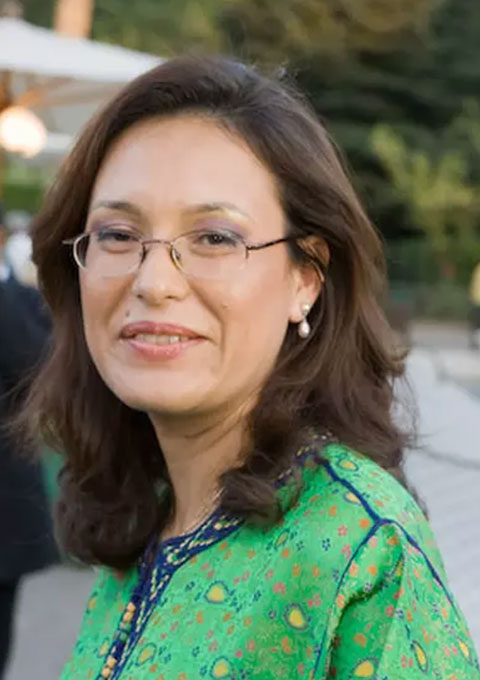
Nezha Alaoui M’hammdiSenior Fellow, Policy Center for the New South
IGAD : Une communauté régionale à l’épreuve des chocs

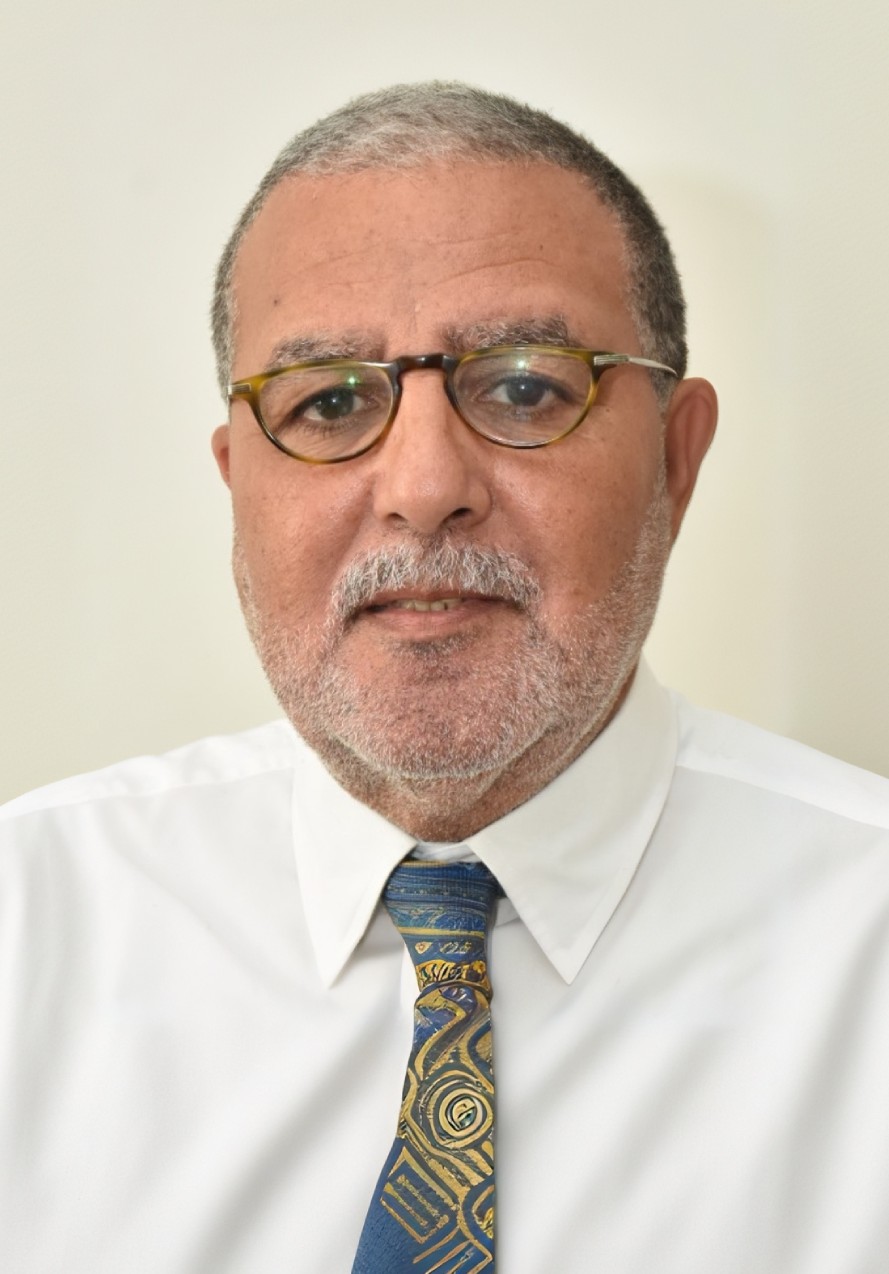
Muhammed BaEnseignant-chercheur en économie, Université Gaston Berger
COMESA : Quelle relance économique post-Covid ?

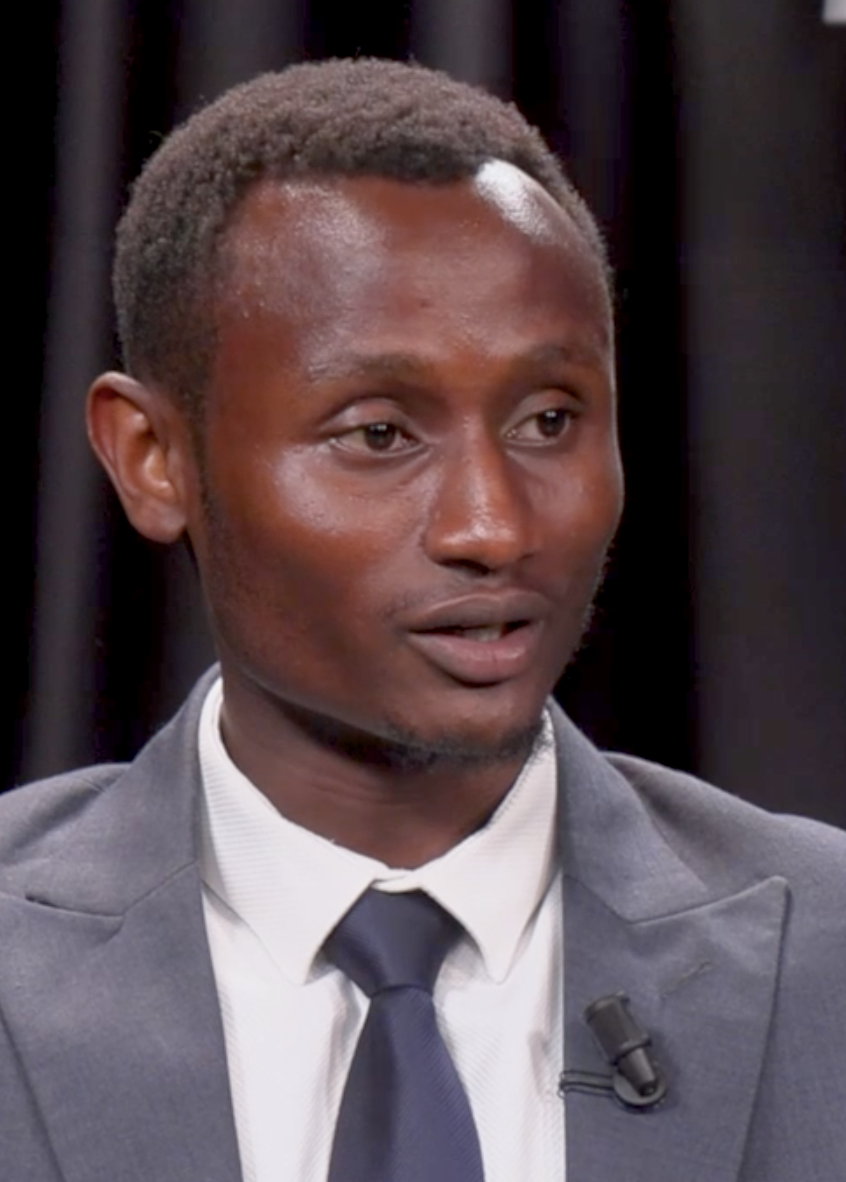
Brian Kelly NyagaChercheur associé, Anjarwalla & Khanna
SADEC: Post-Covid recovery in the South Africa Development Community
 

Discutant.e.s :

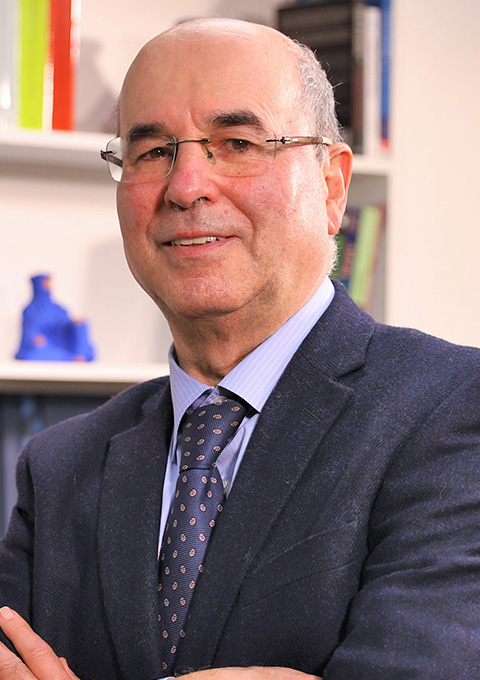
Azzedine Ghoufrane Professeur, Université Mohammed V
Hicham HafidProfesseur – Chercheur, Institut Des Etudes Africaines


Discussion avec l’audience


Panel 3 : L’Intégration continentale Africaine face à de nouveaux défis

Modérateur:

Idriss El Abbassi, Professeur, Laboratoire d’économie Appliquée, Université Mohammed V
 

Interventant.e.s:

Pierre JacquemotMaitre de conférence, Sciences-Po Paris
Les enjeux du financement de la relance économique à moyen terme en Afrique

Solomon MuqayiMaitre de conférence, Université du Zimbabwe
The impact of the Covid-19 Pandemic on the Activities of the African Union Commission

Dennis Njau, Consultant, Palme Research & Training Consultants
Africa’s Post Covid Recovery at the continental level: Non-tariff Barriers

Fatima Ezzahra Mengoub, Economiste Senior, Policy Center for the New South           
The Green transition in Africa-Europe relations: status and prospects
 

Discutant.e.s:

Philipp Schattenmann, Chef du Cluster Energie, Deutsche Gesellschaft für Internationale Zusammenarbeit
Mohammed Benayad, Ancien Secrétaire Générale du département du Commerce Extérieur

Discussion avec l’audience


Closing Remarks

Larabi Jaïdi, Senior Fellow Policy Center for the New South
Speakers
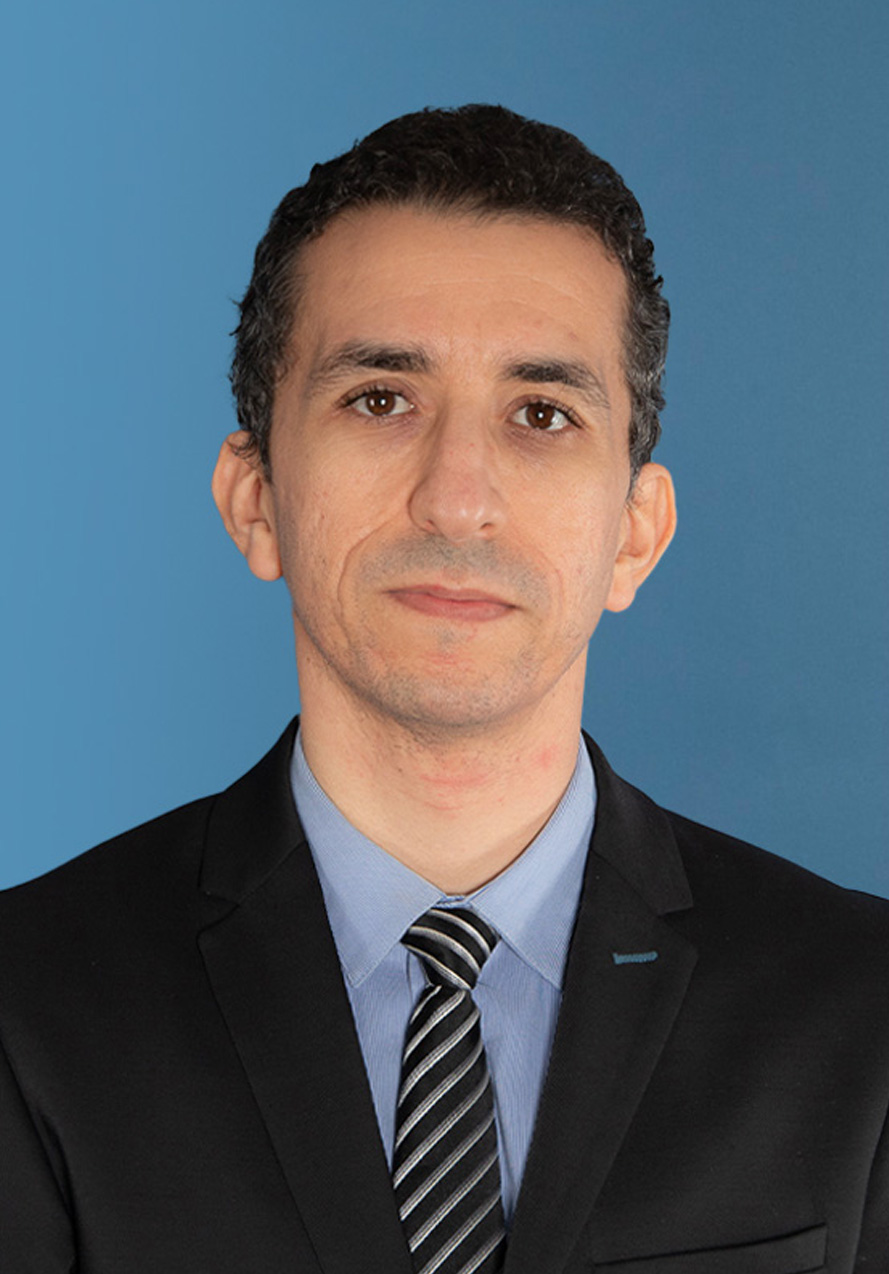
Abdelaaziz Ait Ali
Head - Research in Economics
Abdelaaziz Ait Ali is a principal Economist and head of the Research Department at the Policy Center for the New South. He joined the Center in 2014 after five years of experience at the Central Bank of Morocco. He worked as an economist in the International Studies and Relations Department and was analyzing the real estate price index and financial asset prices for monetary policy and financial stability purposes. Since then, Abdelaaziz has focused on cyclical and structural issues of the Moroccan economy, including macroeconomic management and industrial policy design. He has published articles on the reform of the exchange rate regime in the Moroccan economy and its implications for macroeconomic regulation, as well as on the evolution of the macroeconomic framework over th ...
Nezha Alaoui M’hammdi
Senior Fellow
Mrs. Nezha Alaoui M’Hammdi is Senior Fellow at Policy Center for the New South (since 2020) and the current Ambassador of His Majesty the King of Morocco to Ethiopia and Djibouti since 2016. She has served as first Permanent Representative of the Kingdom of Morocco after its return to the African Union by 2017, and to the Peace and Security Council of the AU (April 2018). She is currently Dean of the Council of Arab League Ambassadors to Ethiopia She also served from 2013 to 2016 as an Ambassador of Morocco to Ghana, Togo and Benin, being the first Moroccan female Ambassador of the Kingdom of Morocco in Africa. After joining the Moroccan Ministry of Foreign Affairs of Morocco in 1989, Mrs. Nezha Alaoui M’Hammdi served mainly in Italy and Ghana. During her assignment, from 2 ...
Fatima Ezzahra Mengoub
Senior Economist
Fatima Ezzahra Mengoub, researcher, development specialist, and policy analyst, is a Senior Economist at the Policy Center for the New South. She holds a PhD. in Economics applied to agriculture and an engineering degree in agricultural economics both from the Hassan II Institute of Agronomy and Veterinary Sciences. Her research addresses agricultural and rural development including agricultural growth analysis, economic structural change, inter and intra-regional agricultural trade, water management, and food security. She has also taught macroeconomics, microeconomics, and decision-making courses at the Hassan II Institute of Agronomy and Veterinary Sciences (IAV), the School of Governance and Economics (EGE), and the Faculty of Governance, Economics, and Social Sciences (FG ...
Larabi Jaïdi
Senior Fellow
Larabi Jaïdi is a Senior Fellow at the Policy Center for the New South and an Affiliate Professor at Mohammed VI Polytechnic University. His areas of expertise include international economy, economic policies, international economic relations, regional economies, social development, international relations, and Mediterranean studies. He also served on the Special Commission on the New Development Model of Morocco, a consultative body created in November 2019 to formulate the country's new developmental guidelines. Jaïdi is a former Professor at Mohamed V University in Rabat-Agdal and a founding member of both the Centre Marocain de Conjoncture and the Groupement d’Etudes et de Recherches sur la Méditerranée.   Prof. Jaïdi previously served as Advisor to the Prime Minist ...
Muhammed Ba
Enseignant-chercheur en économie, Université Gaston Berger
...
Azzedine Ghoufrane
Doyen, titulaire de la chaire de l’OMC, Faculté des Sciences Juridiques, Economiques et Sociales, Université Mohammed V, Rabat
...
Hicham Hafid
Professeur – Chercheur, Institut Des Etudes Africaines
...
Philipp Schattenmann
Chef du Cluster Energie, Deutsche Gesellschaft für Internationale Zusammenarbeit
...
Mohammed Benayad
Ancien Secrétaire Générale du département du Commerce Extérieur
...

RELATED CONTENT

  • Authors
    January 23, 2026
    Introduction: COP30 as a Test of Reality, Not AmbitionCOP30 in Belém was never going to be a breakthrough. In a world marked by fiscal exhaustion, geopolitical rivalry, and eroding trust in multilateralism, expecting transformational climate cooperation bordered on denial. The choice of the Amazon as host carried symbolic weight, but symbolism does not override power, interests, or institutional capacity.The outcome of COP30 confirms a deeper truth: the global climate regime has ent ...
  • January 23, 2026
    The post-1945 international order, an architecture born of war-weariness and colonial twilight, is now a majestic but empty shell. Its foundational promise—a universal system of rules administered impartially—has been hollowed out by decades of selective enforcement, instrumentalized law, and a chasm between the rhetorical ideals of its custodians and their geopolitical practice. This is not a temporary dysfunction, but a systemic failure of legitimacy. From the invasion of Iraq und ...
  • January 6, 2026
    La création de l’Alliance des États du Sahel (AES) symbolise une rupture politique et géostratégique majeure, appuyée sur un discours souverainiste et anti-occidental. Deux ans après, Mali, Burkina Faso et Niger peinent à assurer leur intégrité territoriale, à stabiliser leur sécurité intérieure et à bâtir une gouvernance solide. L’intégrité territoriale est un problème commun aux trois États, car dans ces pays, la cohésion de l’État et le contrôle du territoire sont directement men ...
  • December 22, 2025
    This paper presents the theoretical specification and current developments of a Spatial (Interprovincial) Computable General Equilibrium (SCGE) model for Morocco. The model is formulated as a Johansen-type CGE system, solved in linearized form, and is designed to analyze the regional and national impacts of policy shocks within an integrated interregional economic framework. The Moroccan economy is disaggregated into 72 provinces, 20 production sectors, multiple institutional agents ...
  • Authors
    Ahmed Ouhnini
    December 5, 2025
    L’« uberisation », terme né du nom de l’entreprise américaine Uber au début des années 2010, désigne initialement un modèle économique fondé sur la mise en relation directe entre offre et demande via des plateformes numériques. Rapidement popularisé, le concept s’est élargi, avec Airbnb dans l’hébergement, puis à une multitude d’autres secteurs : livraison de repas, services à domicile, commerce en ligne, voire des métiers traditionnellement régulés ou corporatistes. Ce néologisme t ...
  • Authors
    Arkebe Oqubay
    November 17, 2025
    Morocco has emerged as one of Africa's success stories, achieving significant progress in economic transformation and the green transition over the past 25 years. Continuing and deepening this transformation is essential to reach the country’s goal of becoming a high-income economy in the coming decades. Significant challenges include managing the risk of the middle-income trap, addressing demographic pressures, promoting inclusive growth, ensuring environmental sustainability, and ...
  • August 22, 2025
    This episode explores the opportunities and challenges of achieving deeper economic integration under the African Continental Free Trade Area (AfCFTA). We discuss the potential for boosting intra-African trade, industrialization, and investment flows. The conversation highlights the nee...
  • Authors
    Edited by
    July 14, 2025
    Available soon on livremoi. The 2025 edition of the African Economic Report continues in the spirit of previous versions. It presents a broad overview of the continent’s economic evolution and offers insights into Africa’s relationship with the rest of the world. In other words, it explores how Africa navigates the effects of global fragmentation within its regional spaces while pursuing its ambition of continental integration. ...