(AR) Economic History of Morocco - مسار الاقتصاد المغربي عبر التاريخ

April 10, 2026

تتتبع هذه الحلقة التاريخ الاقتصادي للمغرب منذ تهميشه في القرن التاسع عشر تحت ضغط القوى الأوروبية، مرورًا بالثنائية الاستعمارية والتنمية التي قادها الدولة بعد الاستقلال، وصولًا إلى برامج التكيف الهيكلي في الثمانينيات. وقد عززت الإصلاحات الأخيرة مرونة الاقتصاد، مع مساهمة قطاعات الزراعة، وصناعة السيارات، والفوسفات في النمو. ومع ذلك، يواجه المغرب تحديات عالمية جديدة تتطلب نموذجًا تنمويًا يركز على الشمول الاجتماعي، والابتكار، والتحول البيئي

Speakers
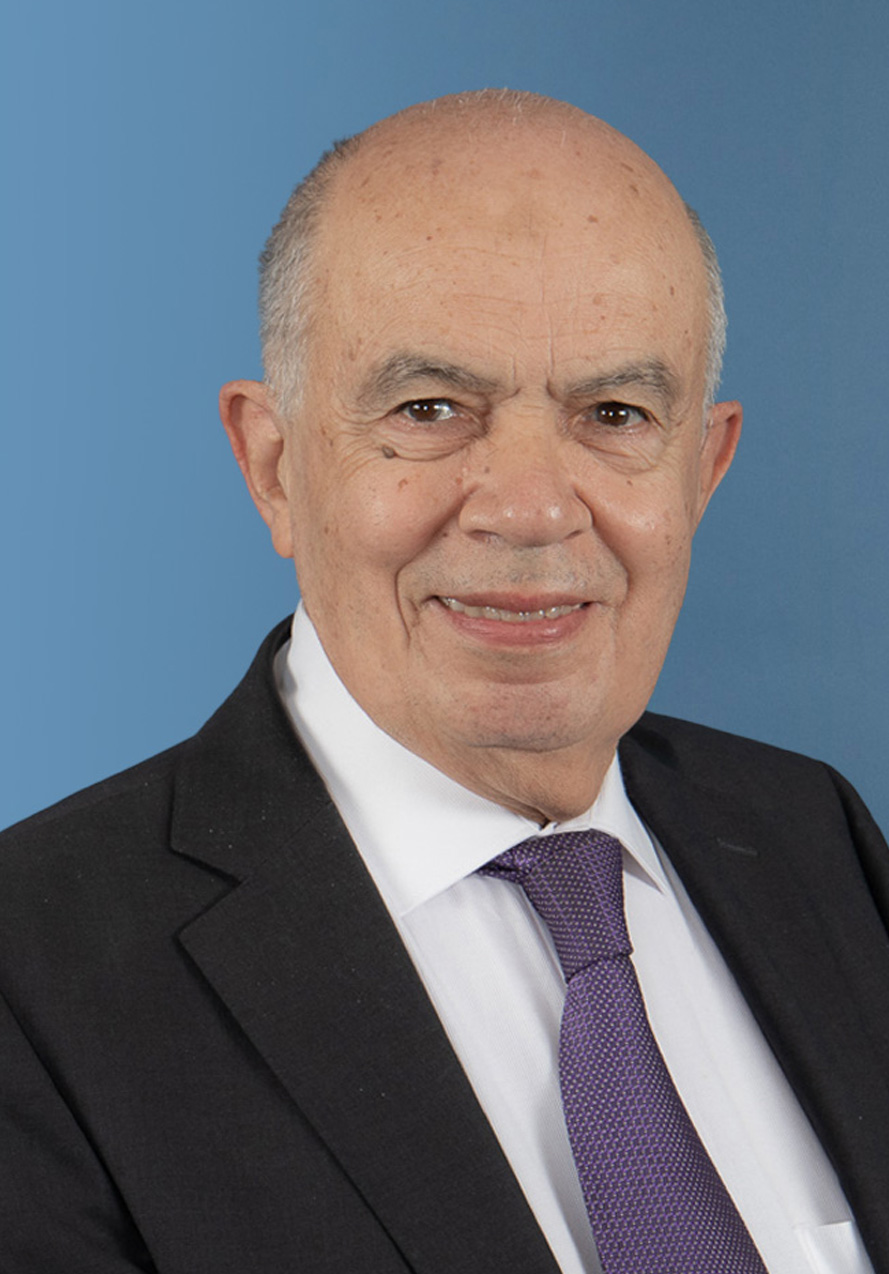
Fathallah Oualalou
Senior Fellow
Fathallah Oualalou is an economist, Senior Fellow at the Policy Center for the New South.  He obtained his PhD in economics from the University of Paris in 1968. Prior to joining the Policy Center for the New South, he served as a professor at Mohammed V University in Rabat and other higher education institutions in Morocco, and as an associate professor at several foreign universities. He is the author of numerous books and articles in the fields of economic theory, financial economics, international economic relations, the economies of Maghreb countries, the Arab world, and the Euro-Mediterranean area. In addition, he was the president of the Association of Moroccan Economists at the Union of Arab Economists. His political activism began with the creation, in the 1960 ...
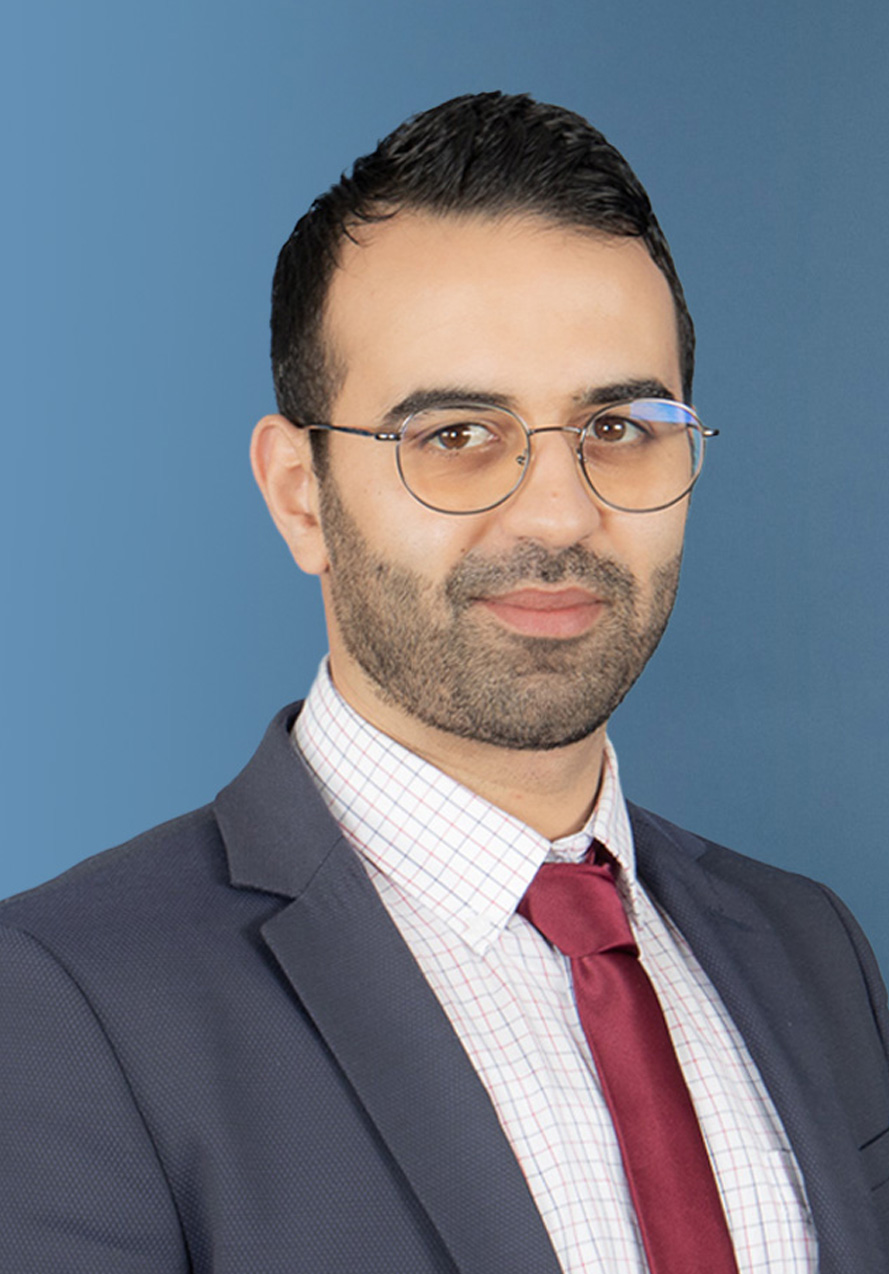
Badr Mandri
Economist
Badr Mandri is an Economist who joined Policy Center for the New South after two years’ experience at the Moroccan national statistics office (HCP, High Commission for Planning). His research activities focus on development macroeconomics especially on fiscal policy and development financing. Badr Mandri holds a master’s degree in applied economics, and is currently a PhD student at Mohamed V University in Rabat; ...

RELATED CONTENT

  • Authors
    Sampawende J. Tapsoba
    March 24, 2025
    The return of President Donald Trump could significantly impact macroeconomic policy in Africa. The effects may vary across the continent. Nations that remain neutral towards U.S. influence are likely to benefit, while those aligned with the U.S.'s rivals or lacking immediate economic advantages may be deprioritized in U.S. foreign policy. In this article, we examine the channels through which U.S. policies and the change in political discourse could affect macroeconomic policies in ...
  • Authors
    Under the supervision of
    July 12, 2024
    The 2024 Annual Report on the African Economy is dedicated to monetary and financial issues on the Continent. There are three reasons for this choice. African economies are exposed to macro-financial instabilities partly generated by global monetary and financial turbulence. The Continent’s currencies and financial systems are engaged in very different dynamics, where routine methods and daring, if not risky, practices coexist. The question of the architecture of the internationa ...
  • February 8, 2024
    Depuis 2016, on assiste à une dynamique de création de fonds souverains africains. En 2023, on recense 21 pays et 24 fonds souverains. Sur la seule période 2016-23, celle de la deuxième vague, huit pays vont se doter d’un premier fonds souverain, et d’un deuxième, dans le cas du Maroc, en 2022. Cette étude rappelle tout d’abord l’historique d’une création qui commence, dès 1994, au Botswana, avec le Pula Fund, précisant pour chacun des 24 fonds leur date de création, leur ...
  • Authors
    Elhoussaine Wahyana
    January 12, 2024
    The debate on global value chains (GVCs) has emphasized countries’ contributions to value-added creation. From an intercountry perspective, a new body of research is addingto this debate by studying how subnational regions contribute to the indicators in specific countries. Proper assessment of economic contributions is essential for designing incentive policies. This paper analyzes the role played by the main trading partners of Moroccan regi ...
  • December 26, 2023
    في ختام هذا العام، يُخصص مركز السياسات من أجل الجنوب الجديد حلقة خاصة من برنامجه الأسبوعي"حديث الثلاثاء"، لاستعراض أبرز تطورات الاقتصادية خلال عام 2023. هذا العام شهد تحولات عديدة وتحديات غير اعتيادية ، فكيف أثرت هذه التغيرات على الاقتصادات العالمية؟ وما هو الدور الذي أضافته الجغرافيا ا...
  • December 5, 2023
    في حلقة هذا الأسبوع سنحاول مناقشة موضوع القطاع غير المُهيكَل في المغرب، أبرز التحديات وأفاق المستقبل. حيث أن ظاهرة العمالة غير الرسمية أصبحت تأخذ حيزا كبيرا في مختلف النقاشات العالمية الدائرة حول مسألة التنمية، والمغرب يعد من بين الدول التي تبقى فيها الظاهرة عند مستويات مرتفعة كون منظو...
  • November 30, 2023
    This Chapter was originally published on Cape Town Chronicles   The history of debt in Africa is a long and painful one. It began in the 1980s, when the public finances of most developing countries deteriorated following two episodes of oil shocks, leading to a "lost decade" of low growth, increased poverty, and political instability. The recovery from the debt crisis only became possible following initiatives in favour of heavily indebted poor countries (HIPC) and ...
  • Authors
    Ali Elguellab
    Elhadj Ezzahid
    November 1, 2023
    The role of the production network in shock propagation has been an issue of considerable interest since the Great Recession. However, the empirical literature has only focused on advanced and emerging countries. This paper aims to contribute to filling this gap by examining the case of Morocco, a developing country belonging to the lower-middle-income group. The question is whether its production network is a factor in amplifying idiosyncratic industry-level shocks or, conversely, ...
  • October 06, 2023
    The confluence of Covid 19 and the ongoing war between Russia and Ukraine has resulted in a troublesome surge of inflation not seen for decades. Developing nations, particularly in Africa ...
  • Authors
    Sous la direction de
    September 21, 2023
    Cette édition du Rapport économique de l’Afrique est construite autour d’une thématique d’une grande actualité : les conséquences des incertitudes et des risques aussi bien sanitaires que climatiques et sécuritaires sur les économies du continent. L’exercice est d’autant plus légitime que la recomposition de l’ordre mondial questionne la place du continent à l’échelle planétaire, sur les plans économique, social et environnemental. L’économie mondiale est confrontée à des défis glo ...