(AR) Economic History of Morocco - مسار الاقتصاد المغربي عبر التاريخ

April 10, 2026

تتتبع هذه الحلقة التاريخ الاقتصادي للمغرب منذ تهميشه في القرن التاسع عشر تحت ضغط القوى الأوروبية، مرورًا بالثنائية الاستعمارية والتنمية التي قادها الدولة بعد الاستقلال، وصولًا إلى برامج التكيف الهيكلي في الثمانينيات. وقد عززت الإصلاحات الأخيرة مرونة الاقتصاد، مع مساهمة قطاعات الزراعة، وصناعة السيارات، والفوسفات في النمو. ومع ذلك، يواجه المغرب تحديات عالمية جديدة تتطلب نموذجًا تنمويًا يركز على الشمول الاجتماعي، والابتكار، والتحول البيئي

Speakers
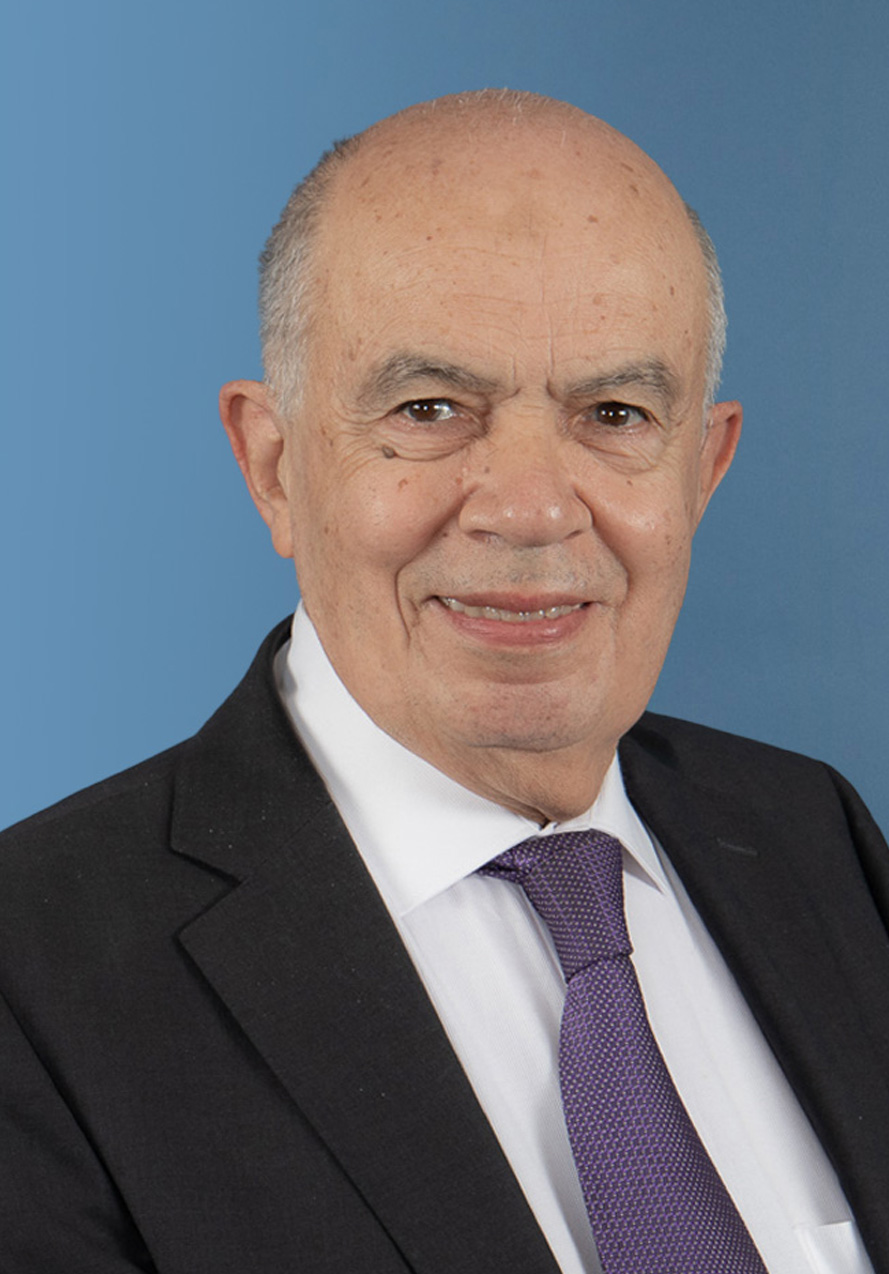
Fathallah Oualalou
Senior Fellow
Fathallah Oualalou is an economist, Senior Fellow at the Policy Center for the New South.  He obtained his PhD in economics from the University of Paris in 1968. Prior to joining the Policy Center for the New South, he served as a professor at Mohammed V University in Rabat and other higher education institutions in Morocco, and as an associate professor at several foreign universities. He is the author of numerous books and articles in the fields of economic theory, financial economics, international economic relations, the economies of Maghreb countries, the Arab world, and the Euro-Mediterranean area. In addition, he was the president of the Association of Moroccan Economists at the Union of Arab Economists. His political activism began with the creation, in the 1960 ...
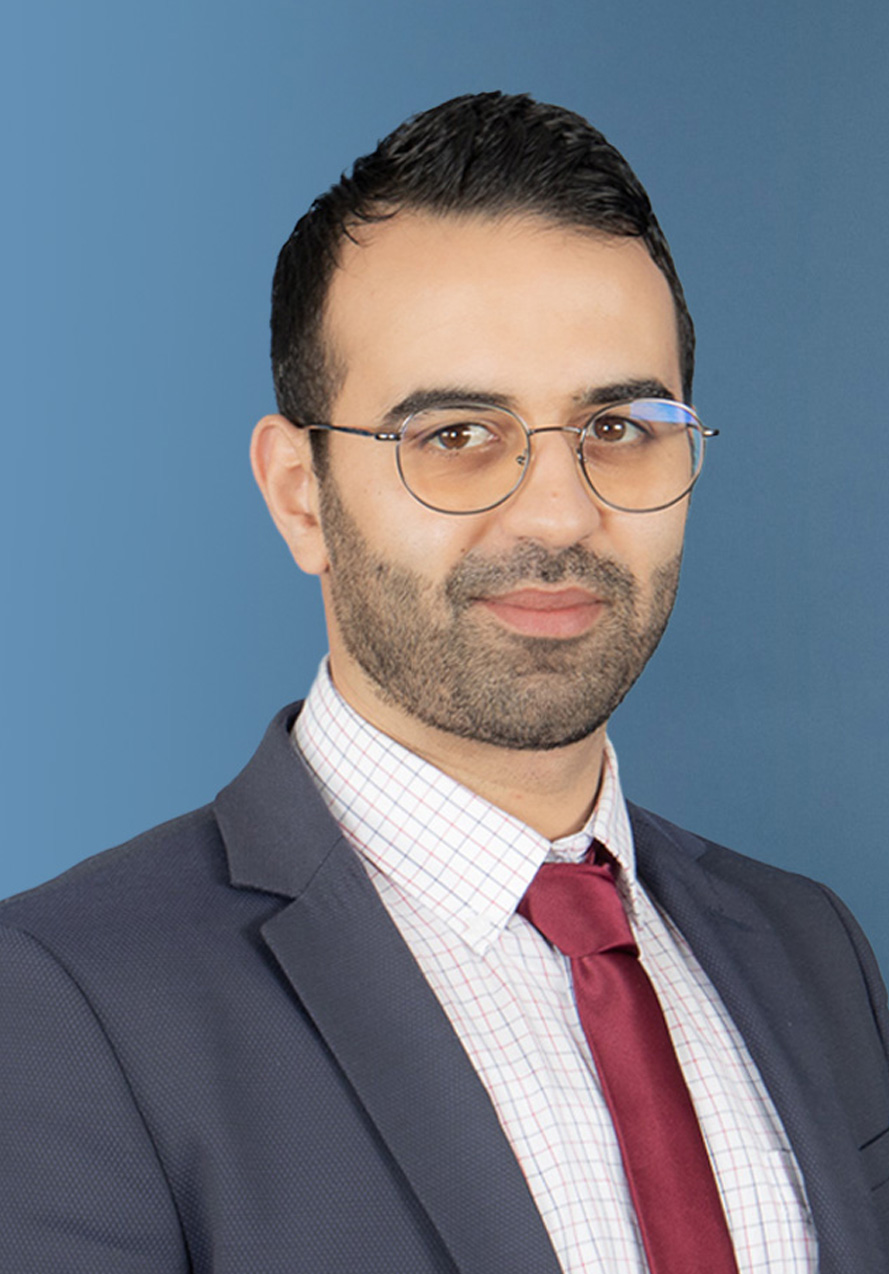
Badr Mandri
Economist
Badr Mandri is an Economist who joined Policy Center for the New South after two years’ experience at the Moroccan national statistics office (HCP, High Commission for Planning). His research activities focus on development macroeconomics especially on fiscal policy and development financing. Badr Mandri holds a master’s degree in applied economics, and is currently a PhD student at Mohamed V University in Rabat; ...

RELATED CONTENT

  • Authors
    Mohammed Germouni
    May 8, 2020
    An examination, inevitably bound to be broad in scope, of the economic and social implications for a country, in this case Morocco, of a sudden pandemic that has broken out in virtually most parts of the world, can only be a prelude to a broader and more comprehensive study to be undertaken in due course. For obvious reasons, especially as the current crisis induced by the primacy of health, could later evolve into a form of economic depression as various multifaceted aid and suppor ...
  • April 30, 2020
    Face à la pandémie du COVID-19, un plan d’action a été établi autour de trois axes : santé, économie et ordre social. Dans chacun de ces champs, le concours des institutions publiques, du secteur privé et des membres de la société civile a permis jusque-là de limiter les dégâts et d’avoir un certain contrôle sur la pandémie. Sur le plan sanitaire, l’intervention vise une maîtrise de la progression de la maladie pour une meilleure absorption des flux par le système de santé, aux moy ...
  • Authors
    Youssef El Jai
    April 28, 2020
    Dans le combat contre la pandémie du Covid-19, le Maroc a choisi de fermer ses frontières aériennes, maritimes et terrestres pour contenir la propagation du virus. En décrétant, par la suite, un confinement strict, les autorités actaient l’arrêt partiel de l’économie, avec la mise en place de mesures d’aide en faveur des catégories précaires et des entreprises rencontrant des difficultés sous la houlette du Comité de Veille économique (CVE). Le ralentissement de l’économie a conduit ...
  • Authors
    Francisco Cordoba Otalora
    April 21, 2020
    We are entering an economic cycle with a changing nature of consumption focusing on necessities. It seems like the times of luxury, entertainment and vacations are over, at least until the discovery of a vaccine for COVID-19. The unfolding of the health crisis that we have been witnessing in Italy, Spain and other advanced economies will not be as severe as the economic crisis that the Coronavirus will unleash. The International Monetary Fund has been warning us that the financial ...
  • Authors
    Mouhamadou Moustapha Ly
    April 6, 2020
    Covid-19 has a far-reaching impact and is imposing a slowdown on the world economy, raising fears of the worst consequences on production, jobs and the immediate future of developing economies. Fiscal and monetary authorities around the world are engaging in policies to support their economies with unprecedented funds and initiatives. The African continent, also affected by the pandemic, is pursuing courageous economic (fiscal and monetary) policies, but the main question is what ne ...
  • Authors
    April 3, 2020
    Using a Structural vector auto-regression analysis, this paper attempts to answer the question of the feasibility of a currency union in the Economic community of West African states (ECOWAS). The study focuses on a particular criterion of the theory of optimum currency area (OCA) i.e. the similarity of business cycles. The main results suggest important discrepancies between countries that are already within the WAEMU (CFA Franc) arrangement and countries that have their own arrang ...
  • Authors
    Seleman Kitenge
    March 30, 2020
    Illicit financial flows (IFFs) have become a serious threat to the attainment of global development goals. On February 28th, 2020, the President of the United Nations General Assembly, Tijjani Muhammad-Bande, and the President of ECOSOC, Mona Juul, have announced a high-level panel on international financial accountability, transparency, and integrity (FACTI) as a means to address this challenge, which inhibits financing for the Sustainable Development Goals. This paper provides an ...
  • Authors
    Mouhamadou Moustapha Ly
    March 25, 2020
    Le Covid-19 marque les esprits et impose à l’économie mondiale un ralentissement qui fait craindre les pires conséquences sur la production, les emplois et sur le futur immédiat des économies en développement. Les autorités budgétaires et monétaires à travers le monde s’engagent dans des politiques de soutien aux économies, avec des fonds et des initiatives inédits. Le continent africain, également touché par la pandémie, mène lui aussi des politiques économiques courageuses (budgét ...
  • March 9, 2020
    The Moroccan diaspora contributes in major ways to Morocco’s economic development. Moroccan migrants ease the country’s chronic unemployment and underemployment problems, send remittances, invest in the home country, and typically visit Morocco frequently as tourists. In addition to that migrants usually retain close links with Morocco, and help in less direct ways to forge trade and third-party investment links between Morocco and their host countries. Drawing on the relatively sma ...
  • Authors
    Françoise Nicolas
    January 24, 2020
    Les relations économiques entre la Corée et l’Afrique ont commencé à se développer à compter de 2006, année qui a marqué un tournant avec le lancement de l’année de l’amitié avec l’Afrique et l’Initiative coréenne pour le développement de l’Afrique. Aujourd’hui, bien que les flux d’aide coréenne à destination de l’Afrique soient en constante augmentation celle-ci reste un partenaire économique de second rang pour Séoul. Ni le commerce, ni les investissements directs étrangers (IDE) ...