(AR) Economic History of Morocco - مسار الاقتصاد المغربي عبر التاريخ

April 10, 2026

تتتبع هذه الحلقة التاريخ الاقتصادي للمغرب منذ تهميشه في القرن التاسع عشر تحت ضغط القوى الأوروبية، مرورًا بالثنائية الاستعمارية والتنمية التي قادها الدولة بعد الاستقلال، وصولًا إلى برامج التكيف الهيكلي في الثمانينيات. وقد عززت الإصلاحات الأخيرة مرونة الاقتصاد، مع مساهمة قطاعات الزراعة، وصناعة السيارات، والفوسفات في النمو. ومع ذلك، يواجه المغرب تحديات عالمية جديدة تتطلب نموذجًا تنمويًا يركز على الشمول الاجتماعي، والابتكار، والتحول البيئي

Speakers
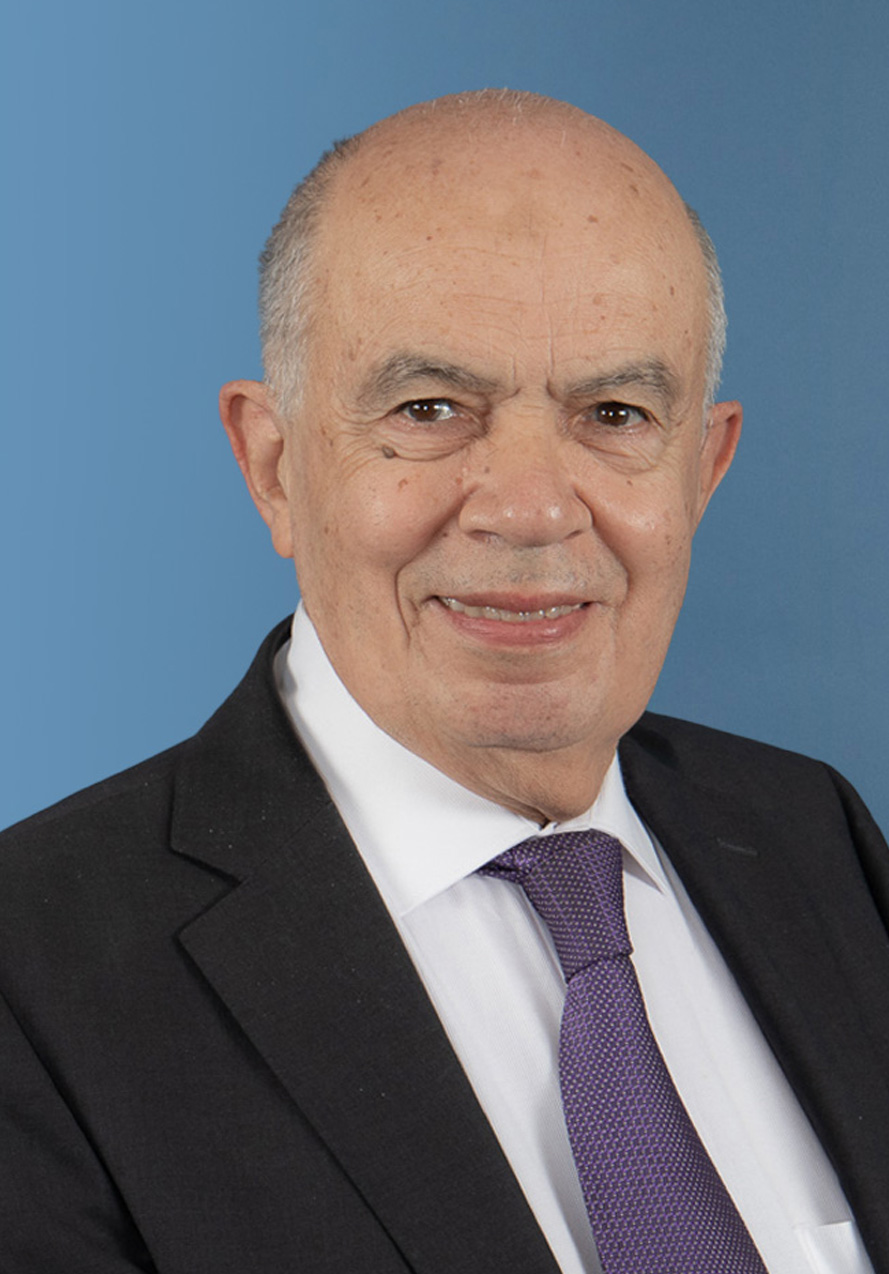
Fathallah Oualalou
Senior Fellow
Fathallah Oualalou is an economist, Senior Fellow at the Policy Center for the New South.  He obtained his PhD in economics from the University of Paris in 1968. Prior to joining the Policy Center for the New South, he served as a professor at Mohammed V University in Rabat and other higher education institutions in Morocco, and as an associate professor at several foreign universities. He is the author of numerous books and articles in the fields of economic theory, financial economics, international economic relations, the economies of Maghreb countries, the Arab world, and the Euro-Mediterranean area. In addition, he was the president of the Association of Moroccan Economists at the Union of Arab Economists. His political activism began with the creation, in the 1960 ...
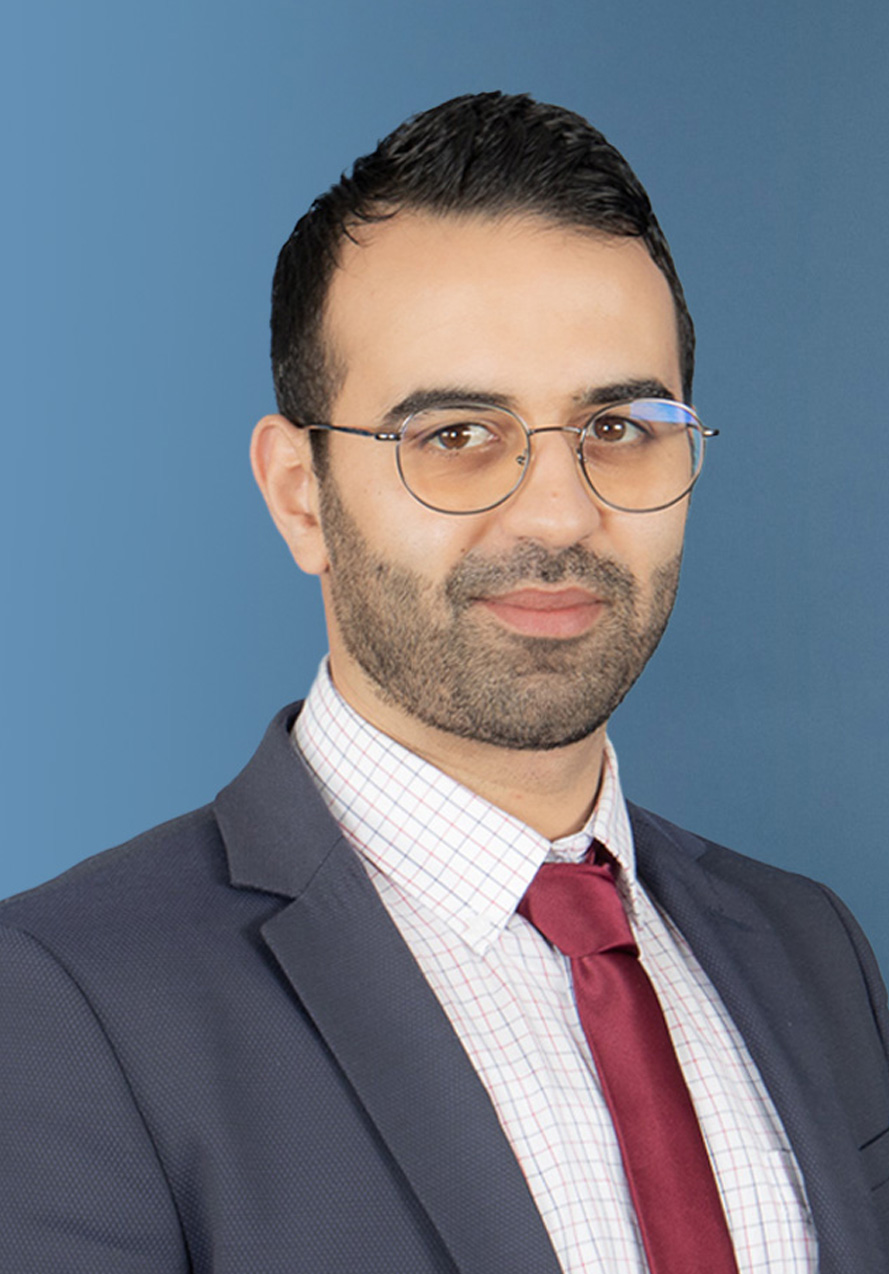
Badr Mandri
Economist
Badr Mandri is an Economist who joined Policy Center for the New South after two years’ experience at the Moroccan national statistics office (HCP, High Commission for Planning). His research activities focus on development macroeconomics especially on fiscal policy and development financing. Badr Mandri holds a master’s degree in applied economics, and is currently a PhD student at Mohamed V University in Rabat; ...

RELATED CONTENT

  • Authors
    Olalekan Samuel
    Mma Amara Ekeruche
    Adedeji Adeniran
    February 12, 2019
    This study was carried out within the framework of the Global Economic Governance Africa (GEGAfrica) funded by the UK Department for International Development. The GEGAfrica programme is a policy research and stakeholder engagement aimed at strengthening the influence of African coalitions at global economic governance forums and increase, inter alia, the visibility and the outreach of African views at the regional and worldwide levels. Policy Center for the New South was requested ...
  • January 1, 2019
    Morocco has moved towards a more flexible exchange rate system, by widening its currency fluctuation bands to +/- 2.5% around a central price. This transition will, in time, equip the Moroccan economy with a macroeconomic instrument acting as a shock absorber and facilitating rapid adjustment at lower costs. In the absence of such a mechanism, adjustment to macroeconomic shocks at times requires a contraction in demand and thereby a cyclical downturn in growth to restore external ba ...
  • Authors
    August 13, 2018
    Depuis la fin de l’année 2017, le président Donald Trump mène plusieurs batailles commerciales, contre différents partenaires, sous prétextes de sauver des emplois industriels américains et de réduire le déficit commercial des États-Unis. S’il est difficile de se prononcer sur les effets des combats commerciaux amorcés par le président Trump, l’importance des opposants et des échanges pour l’économie mondiale en fait une source de risque pour la croissance, les emplois et les prix à ...
  • December 14, 2017
    Moderator: André Caillé, Board Member, Junex - Eric Festa, Senior Vice President, LNG Business Development, Total - R. Andreas Kraemer, Founder & Chairman, Ecologic Institute - Thione Niang, Co-Founder of Akon Lighting Africa - Simone Tagliapietra, Research Fellow, Bruegel ...
  • Authors
    Taoufik Abbad
    July 5, 2017
    The continuous and reinforced process of accumulating physical capital, in which Morocco has embarked since the early 2000s, has helped to preserve the stability of the fundamental equilibrium and cushion the economy from various external and exogenous shocks. However, these accumulation efforts have not led to a significant increase in productivity gains or to an accelerated transformation of the productive base. This Policy Brief aims to describe the underpinnings of the capital a ...
  • Authors
    Taoufik Abbad
    July 5, 2017
    Le processus continu et renforcé de l’accumulation du capital physique, dans lequel s’est engagé le Maroc depuis le début des années 2000, a permis de préserver la stabilité des équilibres fondamentaux et d’amortir les différents chocs exogènes, aussi bien internes qu’externes. Cependant, cet effort d’accumulation n’a pas permis d’insuffler un accroissement significatif des gains de productivité et d’accélérer la transformation de la base productive. Ce Policy Brief propose de décri ...
  • June 21, 2017
    Ce podcast est présenté par Moubarack Lo. Il y analyse l’apport de l’adhésion marocaine à la CEDEAO suite à l’accord de principe donné par ses membres au 51e sommet de Monrovia le 4 juin ...