(AR) Economic History of Morocco - مسار الاقتصاد المغربي عبر التاريخ

April 10, 2026

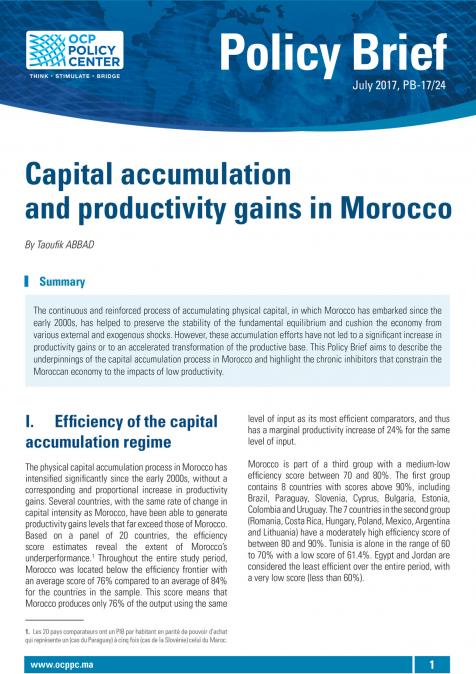
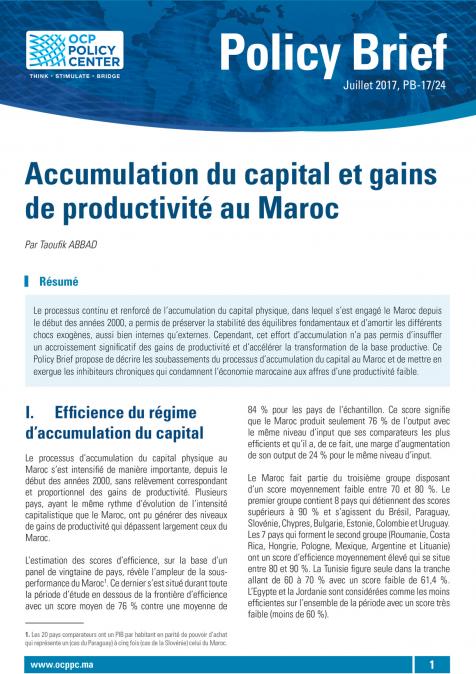
تتتبع هذه الحلقة التاريخ الاقتصادي للمغرب منذ تهميشه في القرن التاسع عشر تحت ضغط القوى الأوروبية، مرورًا بالثنائية الاستعمارية والتنمية التي قادها الدولة بعد الاستقلال، وصولًا إلى برامج التكيف الهيكلي في الثمانينيات. وقد عززت الإصلاحات الأخيرة مرونة الاقتصاد، مع مساهمة قطاعات الزراعة، وصناعة السيارات، والفوسفات في النمو. ومع ذلك، يواجه المغرب تحديات عالمية جديدة تتطلب نموذجًا تنمويًا يركز على الشمول الاجتماعي، والابتكار، والتحول البيئي

Speakers
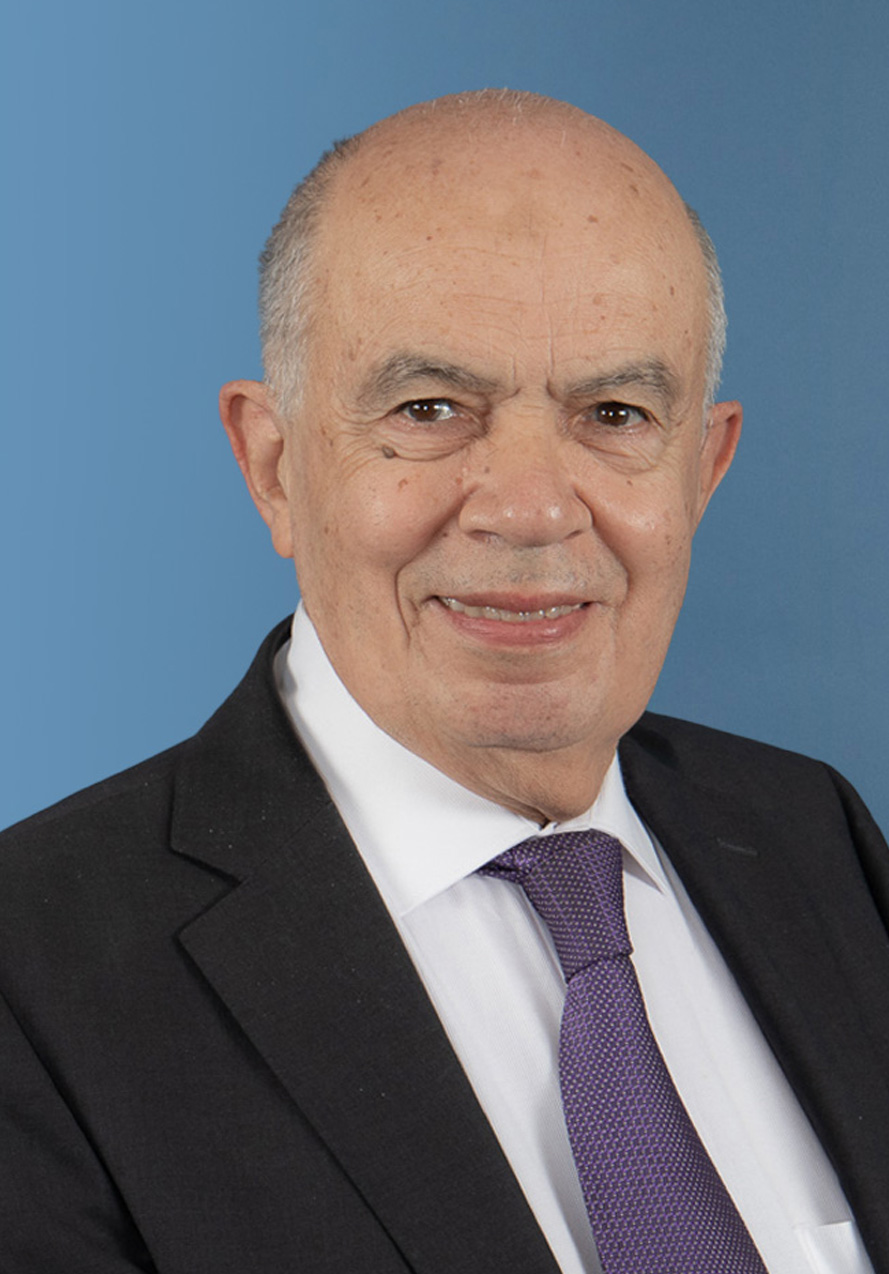
Fathallah Oualalou
Senior Fellow
Fathallah Oualalou is an economist, Senior Fellow at the Policy Center for the New South.  He obtained his PhD in economics from the University of Paris in 1968. Prior to joining the Policy Center for the New South, he served as a professor at Mohammed V University in Rabat and other higher education institutions in Morocco, and as an associate professor at several foreign universities. He is the author of numerous books and articles in the fields of economic theory, financial economics, international economic relations, the economies of Maghreb countries, the Arab world, and the Euro-Mediterranean area. In addition, he was the president of the Association of Moroccan Economists at the Union of Arab Economists. His political activism began with the creation, in the 1960 ...
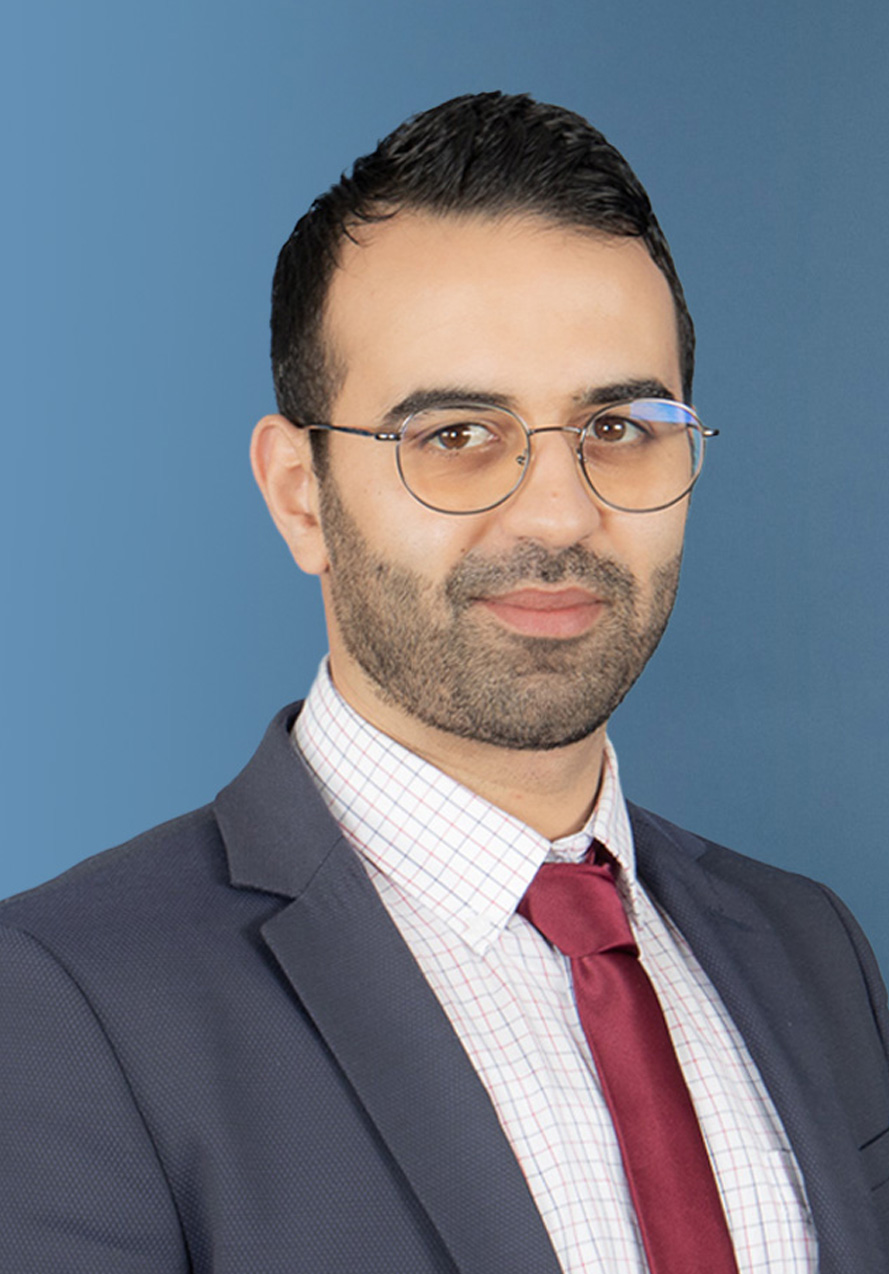
Badr Mandri
Economist
Badr Mandri is an Economist who joined Policy Center for the New South after two years’ experience at the Moroccan national statistics office (HCP, High Commission for Planning). His research activities focus on development macroeconomics especially on fiscal policy and development financing. Badr Mandri holds a master’s degree in applied economics, and is currently a PhD student at Mohamed V University in Rabat; ...

RELATED CONTENT

  • Authors
    Mohamed Hamza Sallouhi
    March 23, 2016
     Partie 1. Le ralentissement économique de la Chine : une transition inquiétante  L’incertitude sur les marchés financiers, la transition de l’économie chinoise vers un modèle de croissance moins extraverti et le ralentissement du rythme de la croissance des pays émergents, sont autant de facteurs qui fragilisent considérablement une croissance mondiale durable et synchronisée. Dans ce contexte, l’OCP Policy Center a tenu une table ronde animée par Patrick Artus ...
  • Authors
    Zouhair Aït Benhamou
    March 2, 2016
    Discrepancies in output fluctuations between emerging and developed economies are well documented in the literature. Differences however within developing economies have not been sufficiently scrutinised. This paper argues that global and regional shocks primarily drive the business cycle in emerging economies, and provides estimated results for cycle variance decomposition. The paper also offers a theoretical framework to check on the set of stylized facts common and specific to em ...
  • Authors
    December 23, 2015
    Global economic growth is likely to be a little better in 2016 than this year’s lackluster outcome. The ongoing slow recovery in the United States and Europe is likely to continue. However, weakness in China as well as several large emerging markets, and sluggishness of world trade, mean that risks are weighted on the downside of this forecast. Morocco, which is reliant on European markets, is a heavy importer of oil, and whose currency has devalued in effective terms, should find t ...
  • Authors
    Karim El Mokri
    Aziz Ragbi
    Said Tounsi
    November 23, 2015
    The issue of a powerful fiscal policy comeback is not only being debated in Europe. It is also interesting for Morocco, in many respects. If in Europe there is controversy between the proponents of the structural budgetary balance rule and critics of restrictive policies in the context of major financial and recessive shocks, in the South of the Mediterranean fiscal policy is caught between the multiple social and economic requirements and the constraint of sustainability. ...
  • Authors
    Edité par:
    Karim El Mokri
    Aziz Ragbi
    Said Tounsi
    November 23, 2015
    Depuis le déclenchement de la crise économique et financière internationale, la politique budgétaire a connu un vif regain d’intérêt dans les arènes académiques et dans les débats des policy-makers, aussi bien dans les pays avancés que ceux en voie de développement. Pour un pays en voie de développement comme le Maroc, l’importance de la politique budgétaire réside dans le potentiel qu’elle offre en matière de stabilisation du cycle économique et de relance de l’activité en période ...
  • Authors
    Clémence Vergne
    November 19, 2015
    Au cours de la dernière décennie, le Ghana a enregistré des taux de croissance moyens supérieurs à 7 % par an, ce qui lui a permis d’accéder au statut de pays à revenu intermédiaire de la tranche inférieure. Toutefois, la croissance a récemment marqué le pas pour s’établir à 4,2 % en 2014, ce qui soulève la question de la pérennité du modèle de développement du pays. Le Ghana se trouve désormais à un stade critique de son processus de développement. Une transformation structurelle ...