حديث الثلاثاء : واقع الطبقات الوسطى والقدرة الشرائية في المغرب

March 18, 2025

كشفت المندوبية السامية للتخطيط في نتائج البحث الوطني الأخير حول معيشة الأسر المغربية معطيات تثير النقاش، أبرزها وضع الطبقة الوسطى التي تُعد ركيزة أساسية للاستقرار الاقتصادي والاجتماعي ومحركًا رئيسيًا للنمو. لكن هذه الطبقة تواجه اليوم تحديات غير مسبوقة، وأهمها تصاعد غلاء المعيشة. فما هو وضع الطبقة الوسطى في المغرب وتطورها حسب آخر الأبحاث؟ هل استفادت فعلاً من مظاهر النمو والتنمية الاقتصادية في السنوات الأخيرة؟ وكيف تأثرت بالصدمات الاقتصادية في السنوات الماضية؟

Speakers
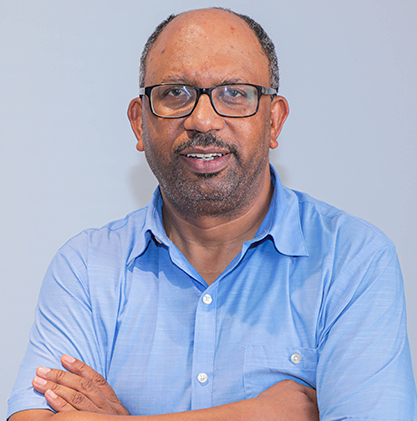
Abdelkhalek Touhami
Full Professor at Mohammed VI Polytechnic University, Rabat
Touhami Abdelkhalek is a Researcher in Applied Economics, specializing in econometrics, development and public policy analysis. Affiliated with the Africa Institute of Research in Economics and Social Sciences (AIRESS) and associated with several international centres (ERF, FEMISE, CRDE, etc.), his work focuses on modelling, economic policy evaluation, poverty, and inequality. He has published several articles in journalssuch as Review of Economics and Statistics and Applied Economics and contributed to the RDH50 report. A professor at the FGSES—UM6P since 2021, after more than 30 years at INSEA, he heads the Master’s and PhD programs in economics. He was awarded the Wissam Al Arch in 2017 and is member of the Competition Council since 2018. ...
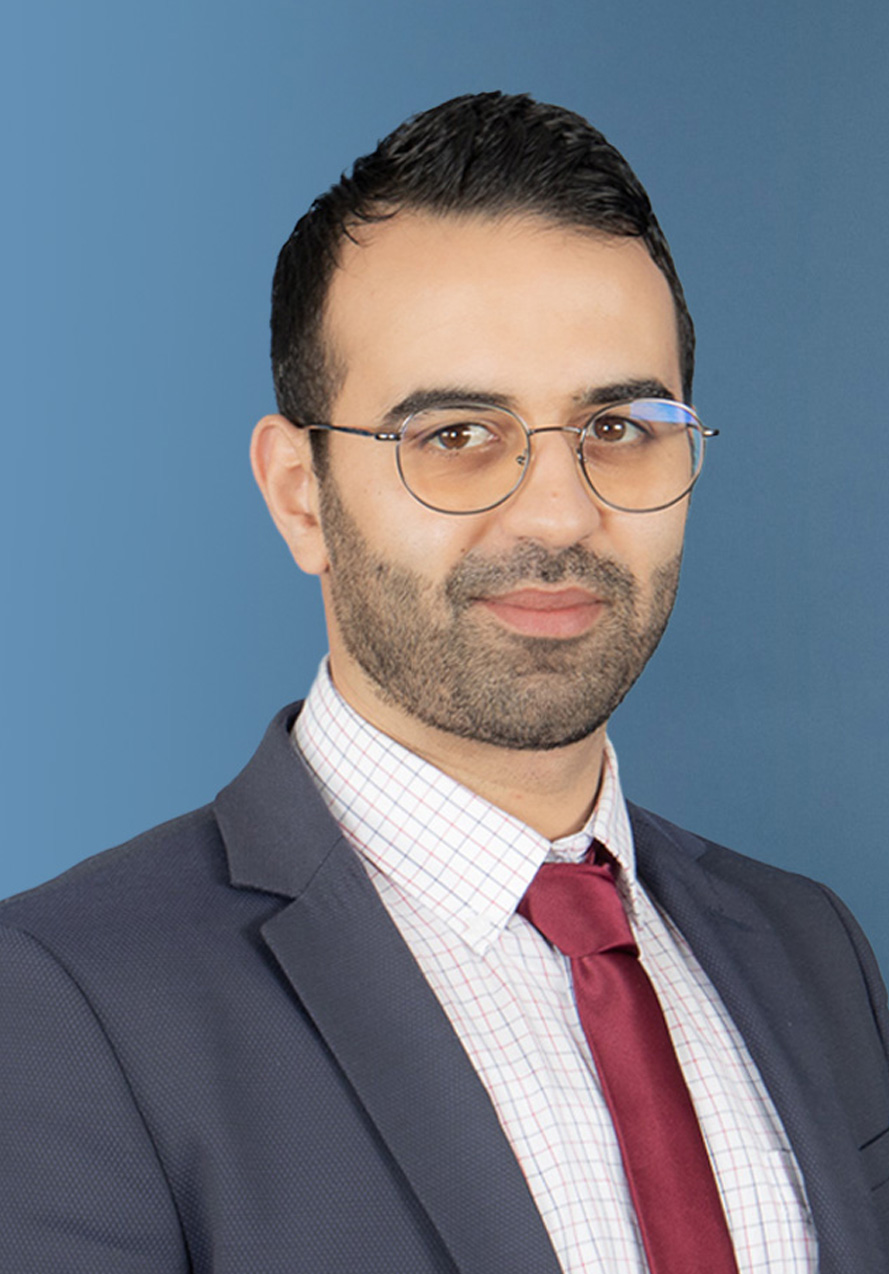
Badr Mandri
Economist
Badr Mandri is an Economist who joined Policy Center for the New South after two years’ experience at the Moroccan national statistics office (HCP, High Commission for Planning). His research activities focus on development macroeconomics especially on fiscal policy and development financing. Badr Mandri holds a master’s degree in applied economics, and is currently a PhD student at Mohamed V University in Rabat; ...
RELATED CONTENT

  • April 27, 2020
    Avec moins de 200 décès à ce jour, le Maroc a su enrayer l’épidémie de Covid-19. Mais le pays redoute une explosion de la pauvreté. Pour Karim El Aynaoui, président du Policy Center for the New South, il est essentiel de repenser l’économie marocaine. Bientôt deux mois après le premier cas déclaré de Covid-19, diagnostiqué le 4 mars, le Maroc est parvenu en grande partie à conjurer la menace sanitaire. Sur les presque 21 000 tests faits au 23 avril, il compte ainsi 17 295 cas ...
  • Authors
    Leila Farah Mokaddem
    April 24, 2020
    Alors que les pays africains semblaient être épargnés par le coronavirus en début de crise, il apparait clairement aujourd’hui que ces derniers souffriront également des retombées négatives de cette pandémie. Compte tenu du nombre de cas relativement bas en comparaison avec les autres régions du monde, les systèmes de santé ne sont pas encore soumis à la pression observée ailleurs mais cela ne saurait tarder. Cependant, les effets négatifs sur l’économie sont eux déjà largement per ...
  • Authors
    Youssef El Jai
    April 1, 2020
    « Economists have a bad track record in predictions, so I will not try my hand at predicting the effect of the novel coronavirus (COVID-19) on the global financial system or the global economy. » Thorsten Beck .ctc ul{padding-left:30px; } .ctc ul li{list-style:disc;} Comme le dit si bien Thorsten Beck, il serait illusoire de prévoir à ce stade, compte tenu de l’information disponible, un impact chiffré de la crise sur l’économie. A l’issue de son Conseil du17 mars 2020, ...
  • September 1, 2019
    Income inequality is high in Morocco. In 2013, the share of national income1  of the richest 10% in Morocco stood at nearly 32%, 12 times higher than the share of national income of the poorest 10% of the population. This paper argues that, drawing on international experience, there is much more that Morocco’s government can do to reduce inequality while at the same time enhancing growth and – possibly – doing so in a manner that is budget-neutral or even budget-positive. Top o ...
  • August 23, 2019
    Income inequality is high in Morocco. In 2013, the share of national income of the richest 10% in Morocco stood at nearly 32%, 12 times higher than the share of national income of the poorest 10% of the population. High inequality can adversely affect long-term growth as it tends to be associated with underutilization of human potential. This paper argues that, drawing on international experience, there is much more that Morocco’s government can do to reduce inequality while at the ...
  • Authors
    Thomas Pereira da Silva
    March 7, 2018
    This proposal seeks to contribute to reduce, in a cost-effective way, Morocco’s unusually high, persistent and growing unemployment level for university graduates1. It complements and enhances the existing Université Internationale de Rabat (UIR) Public-Private Partnership (PPP). Tertiary enrolment in Morocco has been increasing above what seems to be labor market absorptive capacity. Over the past decade, the share of the unemployed with university degrees as a percentage of total ...
  • Authors
    Coordonné par
    Zineb Bouba
    Appui technique: Pierre-Richard Agénor
    March 9, 2017
    Dans le sillage des débats actuels sur la contribution de la femme à la création de richesses, le présent ouvrage s’essaye d’y contribuer moyennant des approches méthodologiques innovantes couvrant plusieurs champs d’analyse conciliant l’égalité de genre, les politiques publiques et la croissance économique au Maroc. Il offre, ainsi, un diagnostic exhaustif de l’évolution des inégalités de genre en termes, notamment, d'accès à l'emploi, à l'éducation, à la santé, à l'infrastructure, ...
  • Authors
    June 16, 2016
    L’écart entre filles et garçons en termes de scolarisation, au Maroc, a longtemps préoccupé tant les académiciens que les décideurs. En revanche, très peu d’études se sont penchées sur l’analyse de cet écart sous une toile de fond quantitative. Ce présent travail s’intéresse à l’écart genre en termes d’acquis scolaires en lecture. La finalité étant de mettre en exergue les facteurs influençant les différences de performance entre les genres ainsi que leur ampleur. Pour ce faire, une ...
  • Authors
    May 20, 2016
    The 2015-2030 strategic vision innovates the Moroccan educational system. Unlike previous reforms, this vision addresses problems that have long been ignored. Among these problems is the quality of education. Although educational quality may have been included in previous reform programs, it is considered as one of the priorities in this new vision. The purpose of this Policy Brief is to assess the status of learning achievement, which is an integral part of educational quality, of ...