Stability and Realignment in the Sahel: What Role for Global and Middle Powers and Atlantic Africa ?

February 12, 2026

The Sahel faces insurgencies, political instability, climate shocks, and humanitarian crises. How are global powers, middle powers, and Atlantic African nations shaping security, governance, and development in the region? Join us as we explore challenges, opportunities, and the path forward for a stable and integrated Sahel.

Speakers
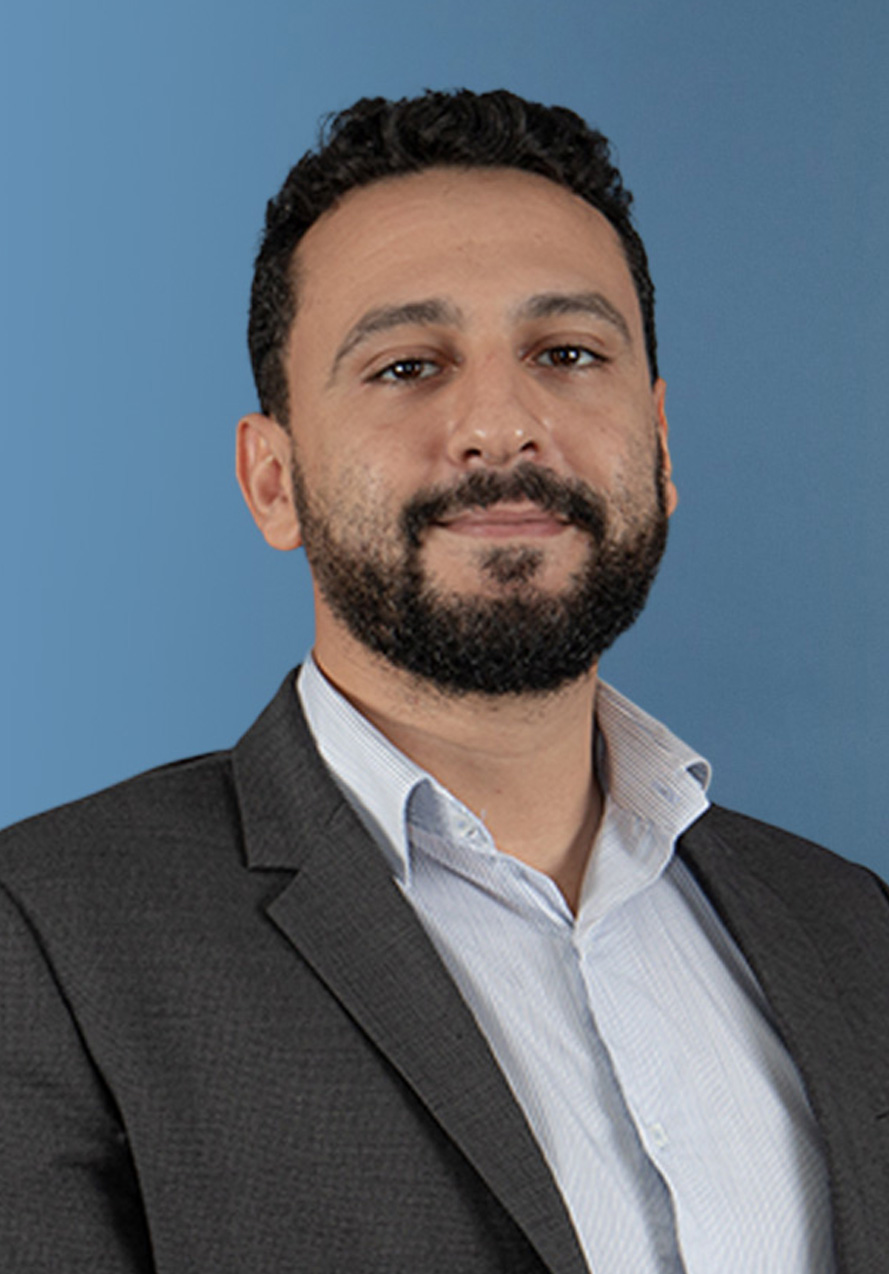
Akram Zaoui
Chargé de Mission to the Executive President
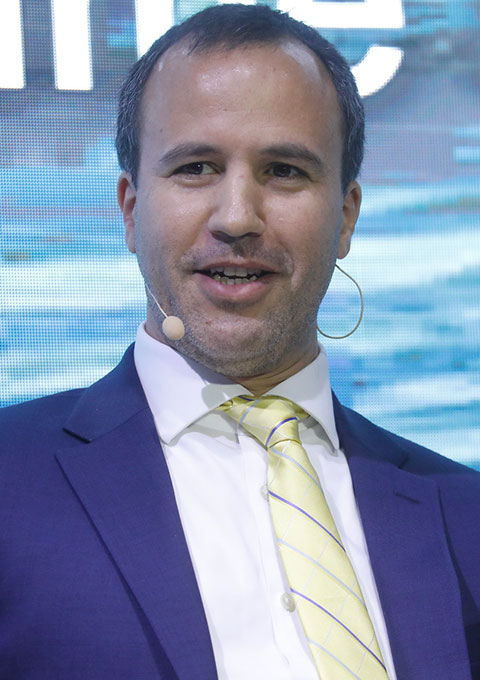
Akram Zaoui is a Senior International Relations Specialist and Chargé de Mission to the Executive President at the Policy Center for the New South (PCNS). Prior to this, he was Manager of Research Support and the Public Policy Lab at the PCNS. His main area of interest is the geopolitical economy of the Extended Middle East and North Africa (MENA) region. From 2018 to 2020, Zaoui was the coordinator of a network of 70+ civil society organizations (CSOs) across France, working with foundations, government, local communities, and the private sector. Zaoui holds a dual degree in corporate and public management from HEC Paris and Sciences Po, as well as a bachelor's degree (licence) in history from Université Paris 1 Panthéon-Sorbonne. He audited courses in Iranian and Shia Stud ...
Rida Lyammouri
Senior Fellow
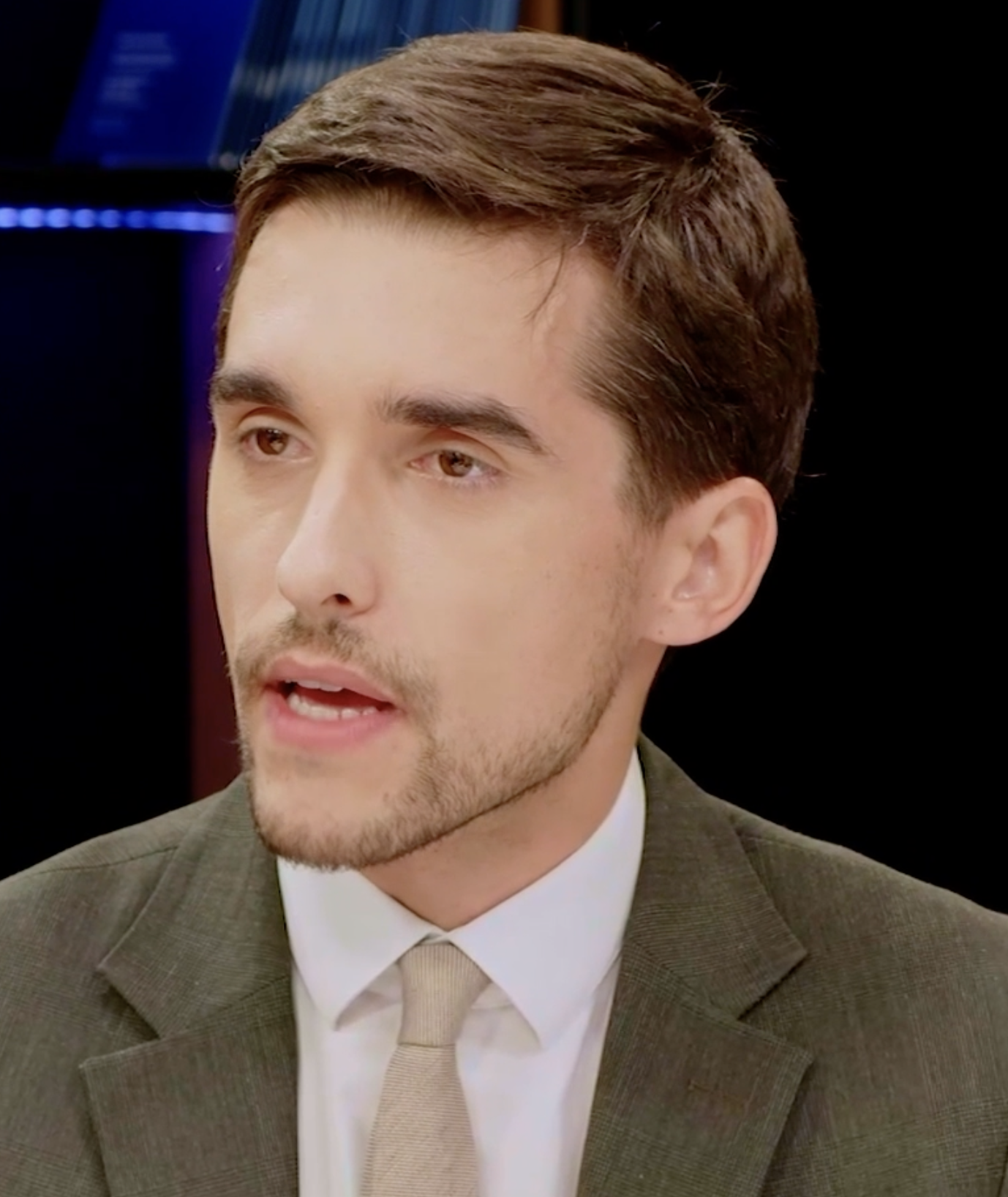
Rida Lyammouri is a senior fellow at the Policy Center for the New South (PCNS). He is also a senior West Africa and Lake Chad Basin researcher and advisor, with expertise in regional conflicts, violent extremism, climate change, migration, and trafficking. His research activities focus on geopolitics and international relations in the West African Sahel and Lake Chad Basin, regions he has worked on for 14 years, including in the field. He has extensive experience supporting both governmental and non-governmental organizations in the areas of international development, security, countering violent extremism and terrorism, preventing conflicts, ensuring humanitarian access, and migration. Mr. Lyammouri has contributed to in-depth research and analysis reports aiming at building ...

RELATED CONTENT

  • Authors
    Laura Sanders
    May 12, 2022
    An HRW report details the massacre of at least 300 civilians in the central Malian town of Moura — the deadliest single atrocity in the country’s decade-long armed conflict. Most of the victims were from the Peuhl ethnic group. The widespread political and social exclusion of the Peuhl puts them at further risk of this type of violence and drives a cycle of grievances and fear that empowers violent extremist organizations (VEOs) and impedes peacebuilding. National governments and in ...
  • Authors
    March 16, 2022
    Of all the regions included in this report series, Tillabéri is the region that scores best when it comes to both general community resilience, as well as traditional and religious authorities’ functioning. The region is not as exposed to shocks as Est (Burkina Faso) and Ménaka (Mali), and its ability to recover from shocks is high compared to the other regions. Trust in traditional and religious authorities is comparatively high as is their equal treatment of different subgroups in ...
  • Authors
    Mathieu Pellerin
    March 2, 2022
    La situation sécuritaire dans le Sahel central est à ce point dégradée que la menace djihadiste déborde désormais sur la partie nord des pays côtiers d’Afrique de l’Ouest. Les régions de l’Est et des Cascades au Burkina Faso ou celles de Sikasso et de Kayes au Mali constituent des bases arrière permettant aux groupes djihadistes – et principalement à la Jama’at Nasr al-Islam wal Muslimin (JNIM) pour l’instant – de s’étendre au Bénin, en Côte d’Ivoire, et dans une moindre mesure au T ...
  • Authors
    March 1, 2022
    Dans un contexte de gouvernance complexe, où autorités traditionnelles et modernes se côtoient même si leur pouvoir décroît, le Mali connait depuis de nombreuses années une situation sécuritaire alarmante, notamment dans le centre du pays. La montée des tensions entre communautés agricoles et pastorales est aggravée par la présence de groupes extrémistes. La population du Cercle de Niono, dans la région de Ségou, a été victime de violences inouïes pendant plusieurs mois avant que de ...
  • Authors
    Jakana Thomas
    Lauren Van Metre
    February 28, 2022
    This article was initially published on usip.org   The presence of CBAGs raises issues that force a rethink of local implementation of peacebuilding processes. The RESOLVE Network’s multiyear research on Community-Based Armed Groups (CBAGs) has established critical findings for the international community on how to engage, manage and transform violent actors in conflict-affected states. While mitigation efforts tend to target anti-state extremist org ...
  • Authors
    Pierre Englebert
    February 11, 2022
    Almost ten years after the beginning of the security crisis in the Sahel, Burkina Faso, Mali, and Niger face a graver predicament than ever before. In the throes of multiple insurgencies, they and their foreign patrons, including France, have shown the limits of military containment. While these three countries are the victims of terrorist aggression, their crises also have deep domestic roots, including long-standing patterns of state abuses of their populations, even in the more d ...
  • December 10, 2021
    The Cabo insurgency constitutes one of the most significant threats to peace and security in Southern Africa subregion. This podcast explores the various challenges the insurgency in this ...
  • Authors
    November 29, 2021
    The proliferation of community-based armed groups (CBAGs) in Mali’s Mopti and Ségou Regions has contributed to transforming Central Mali into a regional epicenter of conflict since 2016. Due to the lack of adequate presence of the state, certain vulnerable, conflict-affected communities resorted to embracing non-state armed groups as security umbrellas in the context of inter-communal violence. These local conflicts are the result of long-standing issues over increasing pressure on ...
  • Authors
    November 9, 2021
    Events in the Sahel, and Mali especially, are taking an uncertain and worrying turn. Mali witnessed two coups d’état in less than a year, while the West African Sahel went through its most violent year yet and there are no signs that the violence is slowing down. In the midst of this unprecedented instability, recent developments involving Mali’s transitional government and the international community, France in particular, provide no assurances that things are likely to improve any ...
  • Authors
    November 2, 2021
    In the Sahel, and Central Mali in particular, the proliferation of armed groups over the past decade has resulted in formal and informal non-state governance structures. This paper assesses the various definitions and typologies associated with rebel and jihadist governance in order to better understand the mechanisms of governance provision used by key non-state governance providers in Central Mali.   ...