Stability and Realignment in the Sahel: What Role for Global and Middle Powers and Atlantic Africa ?

February 12, 2026

The Sahel faces insurgencies, political instability, climate shocks, and humanitarian crises. How are global powers, middle powers, and Atlantic African nations shaping security, governance, and development in the region? Join us as we explore challenges, opportunities, and the path forward for a stable and integrated Sahel.

Speakers
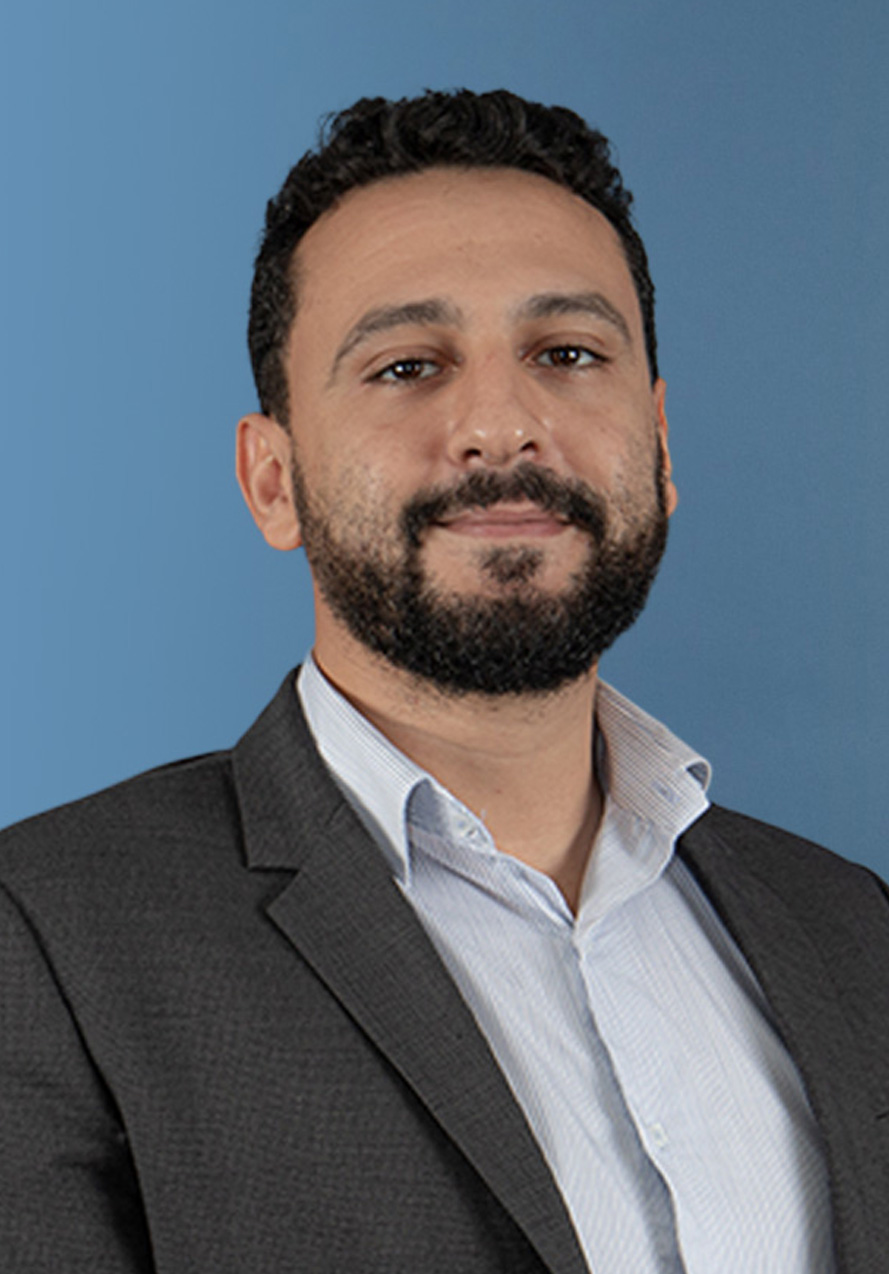
Akram Zaoui
Chargé de Mission to the Executive President
Akram Zaoui is a Senior International Relations Specialist and Chargé de Mission to the Executive President at the Policy Center for the New South (PCNS). Prior to this, he was Manager of Research Support and the Public Policy Lab at the PCNS. His main area of interest is the geopolitical economy of the Extended Middle East and North Africa (MENA) region. From 2018 to 2020, Zaoui was the coordinator of a network of 70+ civil society organizations (CSOs) across France, working with foundations, government, local communities, and the private sector. Zaoui holds a dual degree in corporate and public management from HEC Paris and Sciences Po, as well as a bachelor's degree (licence) in history from Université Paris 1 Panthéon-Sorbonne. He audited courses in Iranian and Shia Stud ...
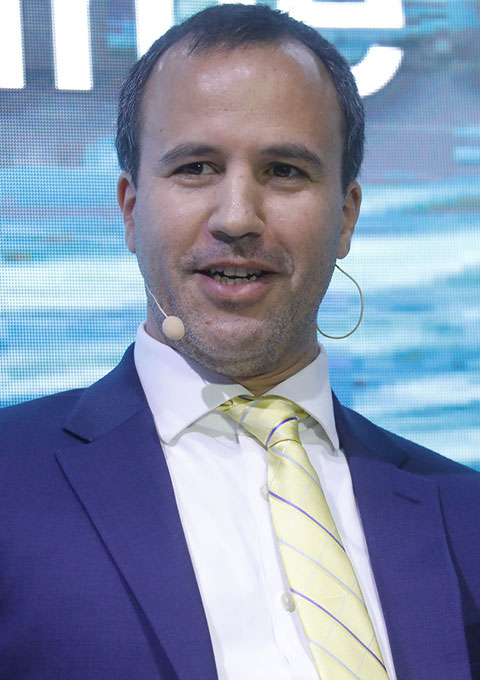
Rida Lyammouri
Senior Fellow
Rida Lyammouri is a senior fellow at the Policy Center for the New South (PCNS). He is also a senior West Africa and Lake Chad Basin researcher and advisor, with expertise in regional conflicts, violent extremism, climate change, migration, and trafficking. His research activities focus on geopolitics and international relations in the West African Sahel and Lake Chad Basin, regions he has worked on for 14 years, including in the field. He has extensive experience supporting both governmental and non-governmental organizations in the areas of international development, security, countering violent extremism and terrorism, preventing conflicts, ensuring humanitarian access, and migration. Mr. Lyammouri has contributed to in-depth research and analysis reports aiming at building ...

RELATED CONTENT

  • Authors
    Lemine Ould M. Salem
    June 6, 2018
    Les quatre acteurs majeurs de la crise libyenne ont approuvé, le 29 mai 2018, lors du Sommet organisé par le Président français Emmanuel Macron au Palais de l’Elysée à Paris, une “Déclaration politique sur la Libye” qui prévoit l’organisation le 10 décembre prochain d’un double scrutin, législatif et présidentiel. Ce texte “historique”, selon le Chef de l’Etat français, reste cependant menacé par la complexité de la réalité sur le terrain libyen. On ne compte plus les initiatives v ...
  • May 25, 2018
    Is it possible to reasonably reflect and analyze the Sahara conflict without taking into account, on the one hand, the relevance of both legal and extra-legal factors, and on the other hand, the interplay between the different stakeholders involved ? This intensely complex topic requires taking into consideration not only regulations of international law, but also the geopolitical, anthropological, and security aspects intertwined in the matter ...
  • Authors
    Sabine Cessou
    April 19, 2018
    L’Afrique centrale a fait l’objet du focus sous-régional de la deuxième partie des cinquièmes Dialogues stratégiques, une rencontre biannuelle organisée le 11 avril dernier à Paris par l’OCP Policy Center et HEC.  Renouveler le partenariat Europe-Afrique Le débat s’est d’abord inscrit dans une réflexion générale sur « l’Afrique et le monde». Dans ce cadre, le partenariat traditionnel entre l’Afrique et l’Europe semble avoir besoin de se renouveler, dans la mesu ...
  • Authors
    Sabine Cessou
    April 13, 2018
    L’avenir de l’Inde a fait débat le 11 avril en présence de 110 personnes, lors des 5èmes Dialogues stratégiques, une rencontre biannuelle organisée à Paris par l’OCP Policy Center et le Centre HEC de géopolitique.  En 2050, l’Inde comptera 17 % de la population globale et aura le troisième PIB mondial. « Le ralentissement de la croissance en Chine n’occultera peut-être plus l’essor de cette grande démocratie », a noté Jacques Gravereau, président du HEC Eurasia Institute. Soul ...
  • Authors
    April 5, 2018
    Are we witnessing a third generation of jihadism rearing its head in the Sahel? In the wake of the globalised movement of jihad in the 1990s, spearheaded by Afghan jihadists and propelled forward by Osama bin Laden and al-Qaeda, another trend has emerged in recent years with the advent of Daesh (also known as ISIS and ISIL) – a trend that is characterised by the territorialisation of the struggle and the revival of the Caliphate dream. These two movements have engaged in fierce conf ...
  • December 12, 2017
    Africa has a history of foreign military interventions, dating back to the colonial era. The 21st century has seen an intensification of foreign and intra-African military intervention. The reasons include competition and the desire to maintain spheres of influence, the war on terrorism...
  • December 12, 2017
    Countries in the Sahel are facing political changes that affect the rest of the continent and the world. The Sahel region has had a long history of vulnerability owing to dry land conditions, climate change as well as movements of people. These factors have resulted in porous frontiers ...
  • From

    30
    11:00 am October 2026
     Transnational organized crime has become a major driver of conflict and instability across Africa, exploiting porous borders, weak governance, and protracted crises. In regions such as the Sahel, the Horn of Africa, the Great Lakes, and the Gulf of Guinea, criminal networks involved in illicit trafficking and financial flows increasingly intersect with armed groups and violent extremists, undermining state authority, peace processes, and regional security.Against this backdrop, the Policy Center for the New South (PCNS) is organizing a webinar on October 30, 2026, within the framework of the African Union Network of Think Tanks for Peace (AU NeTT4Peace) Knowledge Series, under the theme “Regional Cooperation in Responding to Transnational Organized Crime.”Recognizing tha ...
  • From

    10
    5:30 pm September 2026
    This episode of Africafé features H.E. Abdisaid Muse Ali, former Somali Foreign Minister, discussing Somalia's federal system tensions, the decline of Western support for peacekeeping missions, the Ethiopia-Somaliland MOU dispute over Red Sea access, and the growing role of Turkey and Gulf states in the region. He calls for durable political settlement and greater African ownership of security solutions. ...