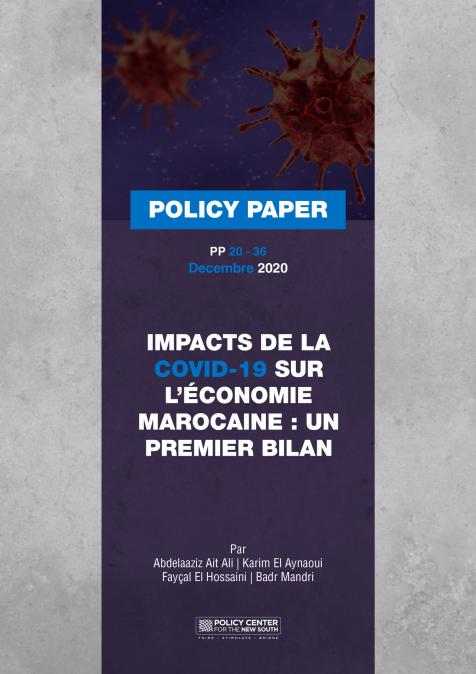
(FR) Moroccan Industrial Policy

May 6, 2026

Dans cette interview, l’évolution de la politique industrielle marocaine est analysée : planification étatique (1960–1980), libéralisation (1980–1990), puis intégration dans les chaînes de valeur mondiales (à partir des années 2000). Aujourd’hui, face au protectionnisme et au nearshoring, le Maroc doit capitaliser sur ses atouts structurels et renforcer les partenariats public-privé et régionaux.

Speakers
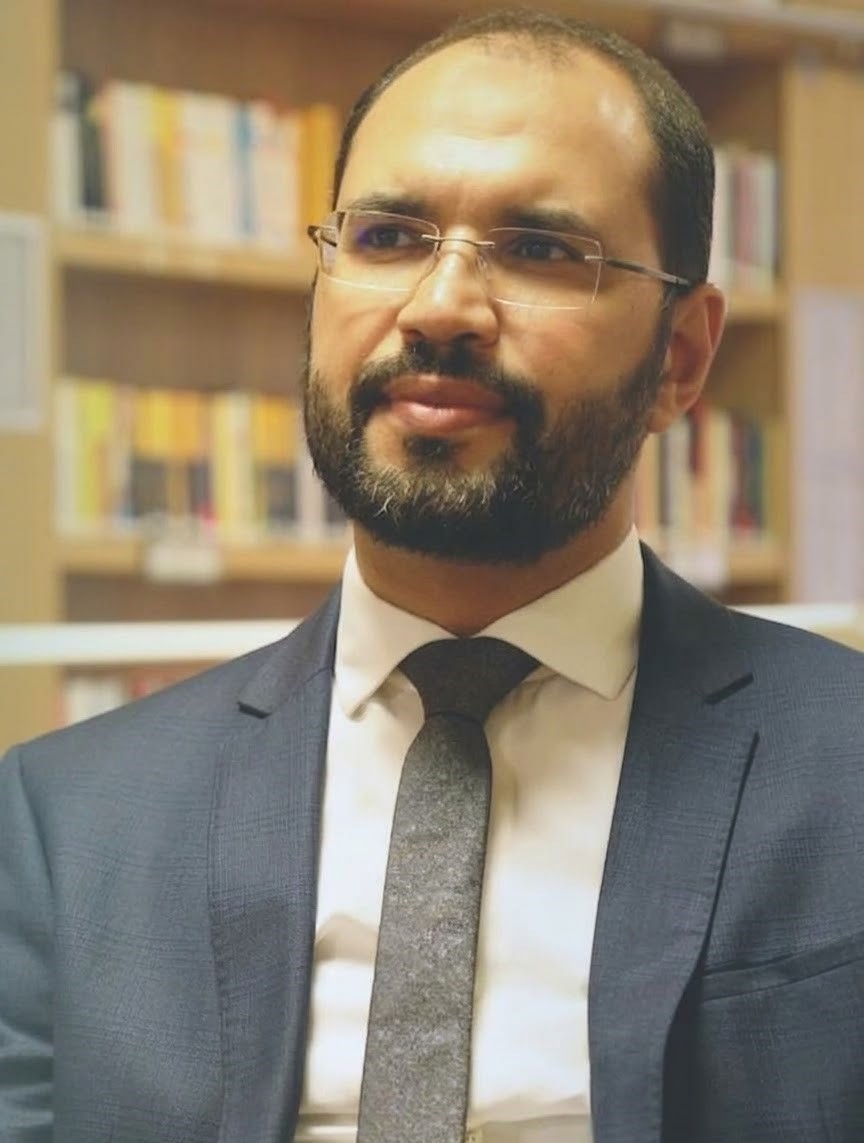
Ilyes Boumahdi
Head of division, Evaluation of Sectoral Policies, Ministry of Economy and Finance
Ilyes Boumahdi has a PhD in quantitative economics (2023, INSEA). He has been Head of Service at DEPF/Ministry of Economy and Finances since 2002 and an adjunct professor at INSEA since 2007. He has had several research papers published in Scopus indexed journals elating to regional disparities, smart specialization, spatial evaluation of well-being, and unconventional big data. He also holds a Specialized Master of Public Action (2020, UM6P-Benguerir and Ecole des Ponts ParisTech), a Diploma of Advanced Studies in Statistics (2001, Free University of Brussels), an Engineer Diploma in Statistics (2000, INSEA), and a Bachelor’s degree in Mathematics (2000, Mohamed V University). ...
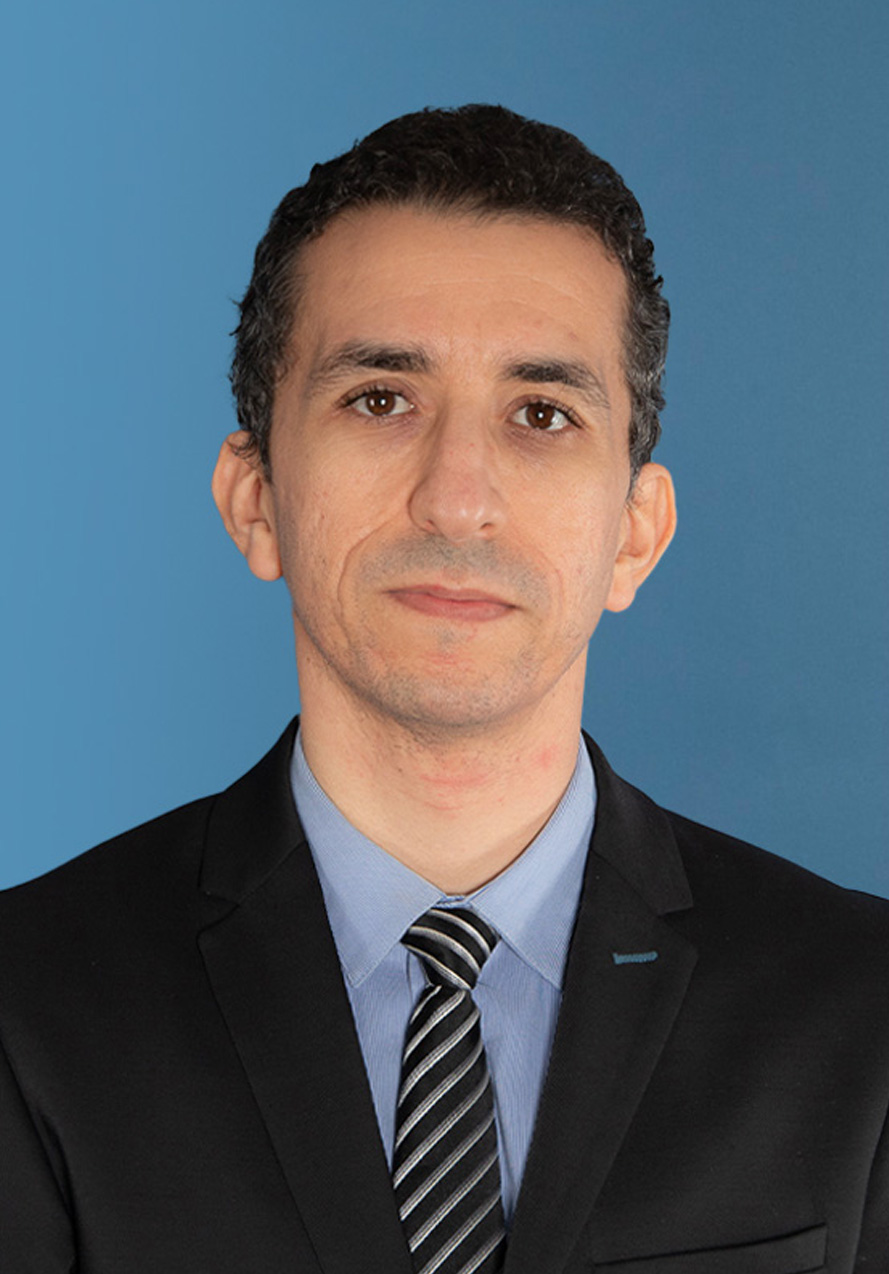
Abdelaaziz Ait Ali
Head - Research in Economics
Abdelaaziz Ait Ali is a principal Economist and head of the Research Department at the Policy Center for the New South. He joined the Center in 2014 after five years of experience at the Central Bank of Morocco. He worked as an economist in the International Studies and Relations Department and was analyzing the real estate price index and financial asset prices for monetary policy and financial stability purposes. Since then, Abdelaaziz has focused on cyclical and structural issues of the Moroccan economy, including macroeconomic management and industrial policy design. He has published articles on the reform of the exchange rate regime in the Moroccan economy and its implications for macroeconomic regulation, as well as on the evolution of the macroeconomic framework over th ...

RELATED CONTENT

  • Authors
    Youssef El Jai
    September 15, 2020
    Avant l'ère coloniale, l'émission d'argent en Afrique de l'Ouest dépendait de la traite des esclaves. Avec l'avènement du régime colonial, les pièces d'argent ont été importées puis progressivement imposées comme outil de coercition. La trajectoire postcoloniale a été différente pour les anciennes colonies britanniques et françaises. Alors que les premières ont retrouvé leur souveraineté monétaire, les secondes ont conservé une union monétaire sous l’égide de la France. La propositi ...
  • September 2, 2020
    The year 2020 is one of the most difficult years for the global automotive industry. The pandemic first appeared in a region of China known for its developed automotive sector. Initially, it was the South Asian manufacturers who first felt the impact of the shutdown in China before the pandemic shifted to Europe and the United States and before the disruption of value chains took on a global dimension. In Morocco, the sector has not remained immune to this turbulent context and its ...
  • Authors
    Alioune Sall
    August 17, 2020
    The transformation of the Economic Community of Western African States (ECOWAS) into a « Confederation of States » is sometimes considered, including by the Heads of State of the Community, as a natural next step in the process of deeper integration in West Africa. The purpose of this study is to explore its feasibility and relevance, based on the experience of other continents. A confederation of states can be defined as an association of sovereign states which, by means of an int ...
  • Authors
    Alioune Sall
    Moubarack Lo
    July 2, 2020
    La transformation de la Communauté Economique des Etats de l’Afrique de l’Ouest (CEDEAO) en « confédération d’Etats » est parfois évoquée, y compris au niveau des Chefs d’Etat de la Communauté, comme une prochaine étape naturelle du processus d’approfondissement de l’intégration en Afrique de l’Ouest. La présente étude a pour objet d’en explorer la faisabilité et la pertinence, en se fondant sur l’expérience vécue dans d’autres continents. Une Confédération d’Etats peut être défini ...
  • Authors
    June 16, 2020
    La nature indispensable du transport aérien dans la conduite de la diplomatie et des affaires, la croissance de l’économie et le développement du commerce, fait que ce secteur est aujourd’hui sous le feu des projecteurs. Bien que ce ne soit pas la première crise traversée par le secteur aérien, elle reste sans conteste celle qui a engendré le plus de dégâts en un laps de temps relativement court. Il est vrai que les industries de l’aérien et du tourisme ont toutes deux déjà été mise ...
  • June 4, 2020
    Jeunesse et Covid-19 : Les défis de l’emploi en Afrique du Nord (Langue : Français) Le Policy Center for the New South, en partenariat avec le Fonds Monétaire International (FMI), organise un webinaire sous le thème « Jeunesse et Covid-19 : les défis de l’emploi en Afrique du Nord », et...
  • June 1, 2020
    تدور خطة العمل التي تم وضعها في مواجهة جائحة كوفيد 19 حول ثلاثة محاور: الصحة والاقتصاد والنظام الاجتماعي. وفي كل مجال من هذه المجالات، ساعدت مبادرات المؤسسات العامة والقطاع الخاص وأعضاء المجتمع المدني حتى الآن على الحد من أضرار الوباء على الصعيد الصحي، تسعى الجهود المبذولة إلى التحكم في انتشار المرض من أجل ضمان احتواء المنظومة الصحية لتدفق الحالات بشكل أفضل، خصوصا بالنظر إلى الموارد المحدودة والموزعة بشكل متفاوت على مستوى التراب الوطني. وقد تم إعطاء الأولوية في هذا السياق إلى الزيا ...
  • Authors
    Adil El Madani
    May 20, 2020
    Despite the global magnitude of the COVID-19 crisis, the response to the pandemic has mainly occurred at national level, with very poor global coordination so far. For Africa, which will provide one in four of the world’s consumers by 2050, coming out of the crisis will cost at least $100 billion. The average ratio of public revenue to GDP in African countries is only 19%, and the debt burden already absorbs 22% of that revenue, giving many African governments limited scop ...
  • April 30, 2020
    Face à la pandémie du COVID-19, un plan d’action a été établi autour de trois axes : santé, économie et ordre social. Dans chacun de ces champs, le concours des institutions publiques, du secteur privé et des membres de la société civile a permis jusque-là de limiter les dégâts et d’avoir un certain contrôle sur la pandémie. Sur le plan sanitaire, l’intervention vise une maîtrise de la progression de la maladie pour une meilleure absorption des flux par le système de santé, aux moy ...