(FR) Moroccan Industrial Policy

May 6, 2026

Dans cette interview, l’évolution de la politique industrielle marocaine est analysée : planification étatique (1960–1980), libéralisation (1980–1990), puis intégration dans les chaînes de valeur mondiales (à partir des années 2000). Aujourd’hui, face au protectionnisme et au nearshoring, le Maroc doit capitaliser sur ses atouts structurels et renforcer les partenariats public-privé et régionaux.

Speakers
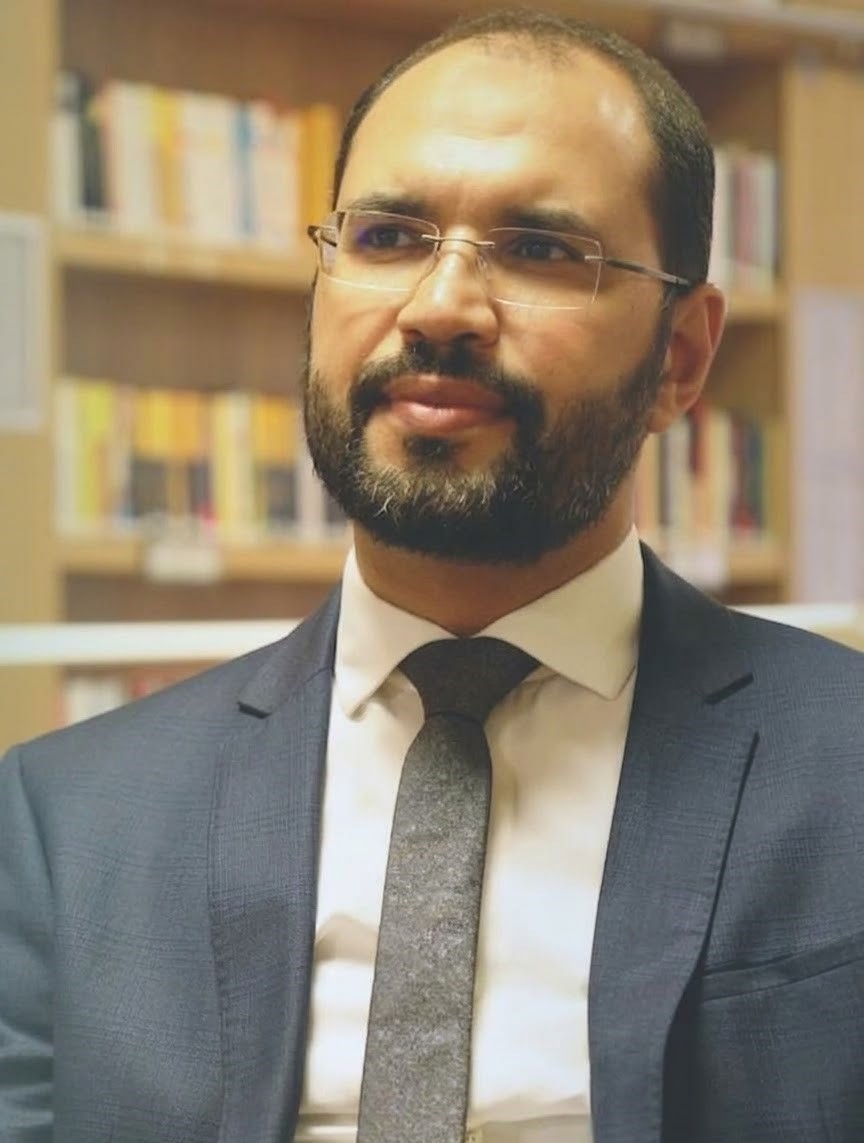
Ilyes Boumahdi
Head of division, Evaluation of Sectoral Policies, Ministry of Economy and Finance
Ilyes Boumahdi has a PhD in quantitative economics (2023, INSEA). He has been Head of Service at DEPF/Ministry of Economy and Finances since 2002 and an adjunct professor at INSEA since 2007. He has had several research papers published in Scopus indexed journals elating to regional disparities, smart specialization, spatial evaluation of well-being, and unconventional big data. He also holds a Specialized Master of Public Action (2020, UM6P-Benguerir and Ecole des Ponts ParisTech), a Diploma of Advanced Studies in Statistics (2001, Free University of Brussels), an Engineer Diploma in Statistics (2000, INSEA), and a Bachelor’s degree in Mathematics (2000, Mohamed V University). ...
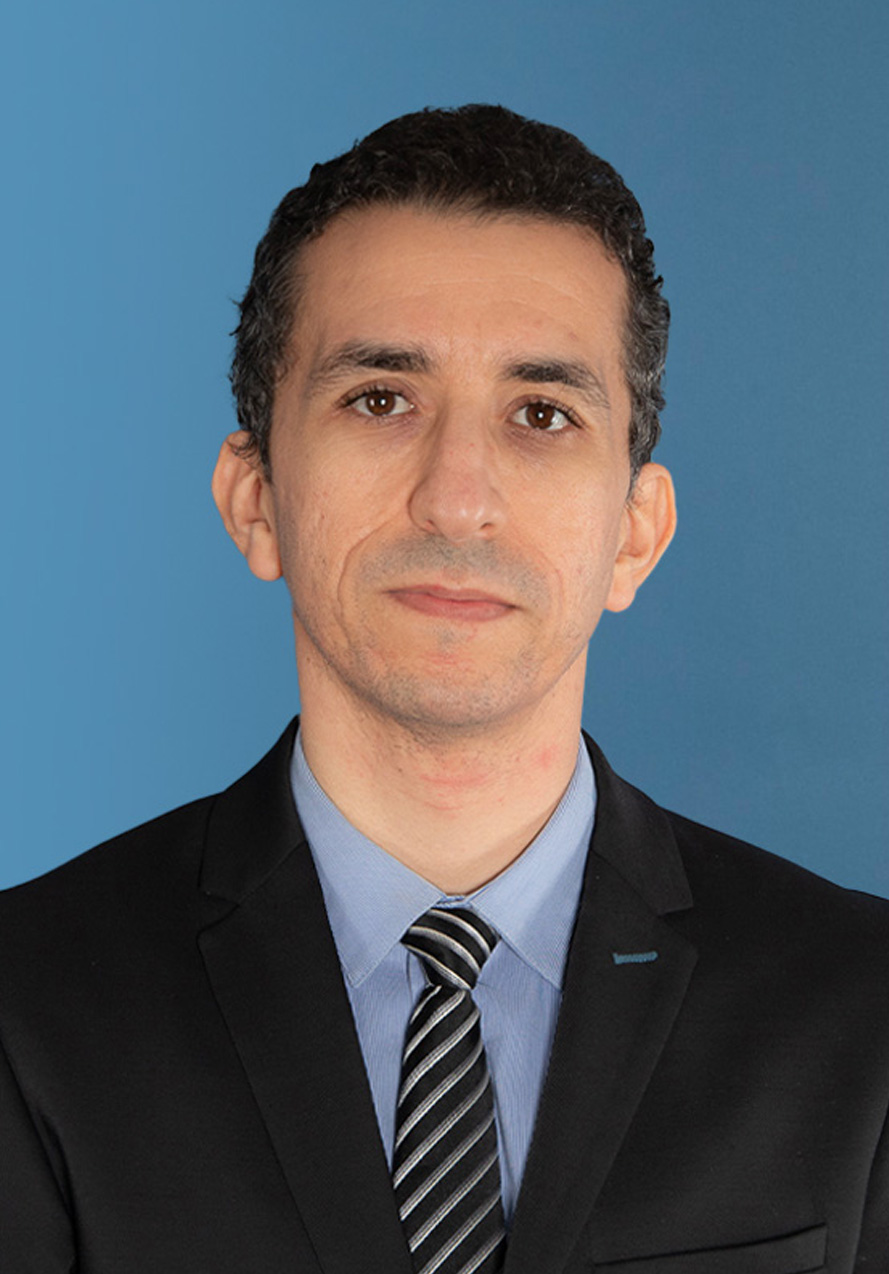
Abdelaaziz Ait Ali
Head - Research in Economics
Abdelaaziz Ait Ali is a principal Economist and head of the Research Department at the Policy Center for the New South. He joined the Center in 2014 after five years of experience at the Central Bank of Morocco. He worked as an economist in the International Studies and Relations Department and was analyzing the real estate price index and financial asset prices for monetary policy and financial stability purposes. Since then, Abdelaaziz has focused on cyclical and structural issues of the Moroccan economy, including macroeconomic management and industrial policy design. He has published articles on the reform of the exchange rate regime in the Moroccan economy and its implications for macroeconomic regulation, as well as on the evolution of the macroeconomic framework over th ...


RELATED CONTENT

  • October 01, 2021
    The climate crisis is a latent threat that has been brewing for several years. Its repercussions affect both individuals and economies. Since the Paris Agreement, progress has stalled in ...
  • Authors
    Raffaele Della Croce
    Miguel Vazquez
    September 29, 2021
    In order to close the financing gap in green technologies, finding new mechanisms to enhance the participation of the private sector, combined with that of the public sector, in financing sustainable and climate-resilient infrastructure is a must. In this context, some unlisted instruments are going to be needed to enhance financing of green infrastructure. Besides, the development of properly structured projects, with risks and returns in line with the preferences of the different ...
  • Authors
    Chami Abdelilah
    Derj Atar
    Hammi Ibtissem
    Morazzo Mariano
    Naciri Yassine
    with the technical support of AFRY
    July 29, 2021
    As decarbonization is a long-term process and requires significant investments, specific financial and non- financial measures will need to be implemented, both in the short and long term, to facilitate this transition. In Part II of Morocco’s decarbonization pathway Policy Brief series, an update of the decarbonization scenarios was presented. It revealed that the Increased Ambition and Green Development scenarios achieve higher decarbonization targets than current policy. It showe ...
  • Authors
    Chami Abdelilah
    Derj Atar
    Hammi Ibtissem
    Morazzo Mariano
    Naciri Yassine
    with the technical support of AFRY
    July 23, 2021
    La décarbonisation est un processus à long terme qui nécessite des investissements importants. Ainsi, des mesures financières et non financières spécifiques devront être mises en œuvre, à la fois à court et à long termes, pour faciliter cette transition. Dans la deuxième partie de la série de Policy Briefs sur la trajectoire de décarbonisation du Maroc, une mise à jour des scénarios de décarbonisation a été présentée. Elle révèle que les scénarios « Ambition accélérée » et « Dévelop ...
  • Authors
    Chami Abdelilah
    Derj Atar
    Hammi Ibtissem
    Morazzo Mariano
    Naciri Yassine
    with the technical support of AFRY
    July 19, 2021
    Morocco's significant renewable energy resources offer an unprecedented opportunity to anchor the country’s economic and political choices in the energy transition, and to turn the transition into an essential lever for economic development. This is all the more relevant as the costs of renewable energies have dropped over the past 10 years2, and now offer strong potential, not only for creating green jobs but for ensuring a dynamic and resilient economic growth as well. In 2020, ne ...
  • Authors
    Chami Abdelilah
    Derj Atar
    Hammi Ibtissem
    Morazzo Mariano
    Naciri Yassine
    with the technical support of AFRY
    July 9, 2021
    Les conséquences du changement climatique sont de plus en plus visibles au Maroc. Le schéma changeant des précipitations et de la sécheresse, l'augmentation des températures moyennes et des canicules, les inondations et l'augmentation du niveau de la mer affectent de plus en plus de nombreuses régions. Et pourtant, le taux d'émission de gaz à effet de serre (GES) du Maroc est relativement faible, comparé à celui d'autres pays. En 20162, les émissions totales de GES du Maroc ont atte ...
  • Authors
    Chami Abdelilah
    Derj Atar
    Hammi Ibtissem
    Morazzo Mariano
    Naciri Yassine
    with the technical support of AFRY
    July 9, 2021
    The consequences of climate change are becoming progressively more visible in Morocco. Changes in rainfall patterns and drought, increases in average temperatures and heatwaves, flooding, and rising sea levels are increasingly affecting several regions. Yet, Morocco has a relatively low greenhouse gas (GHG) emission rate, compared to other countries. In 20162, Morocco’s total GHG emissions reached 86127.7 gigagram of carbon dioxide equivalent (Gg CO2-eq), totaling around 0.2% of glo ...
  • Authors
    Chami Abdelilah
    Derj Atar
    Hammi Ibtissem
    Morazzo Mariano
    Naciri Yassine
    with the technical support of AFRY
    July 9, 2021
    Les importantes ressources en énergies renouvelables du Maroc offrent une opportunité sans précédent d’ancrer les choix économiques et politiques du pays dans la transition énergétique, et de faire de cette transition un levier essentiel du développement économique. Ceci est d’autant plus important que le coût des énergies renouvelables a baissé au cours des 10 dernières années2 et présente désormais un fort potentiel, non seulement de création d’emplois verts mais aussi de croissan ...