(FR) Moroccan Industrial Policy

May 6, 2026

Dans cette interview, l’évolution de la politique industrielle marocaine est analysée : planification étatique (1960–1980), libéralisation (1980–1990), puis intégration dans les chaînes de valeur mondiales (à partir des années 2000). Aujourd’hui, face au protectionnisme et au nearshoring, le Maroc doit capitaliser sur ses atouts structurels et renforcer les partenariats public-privé et régionaux.

Speakers
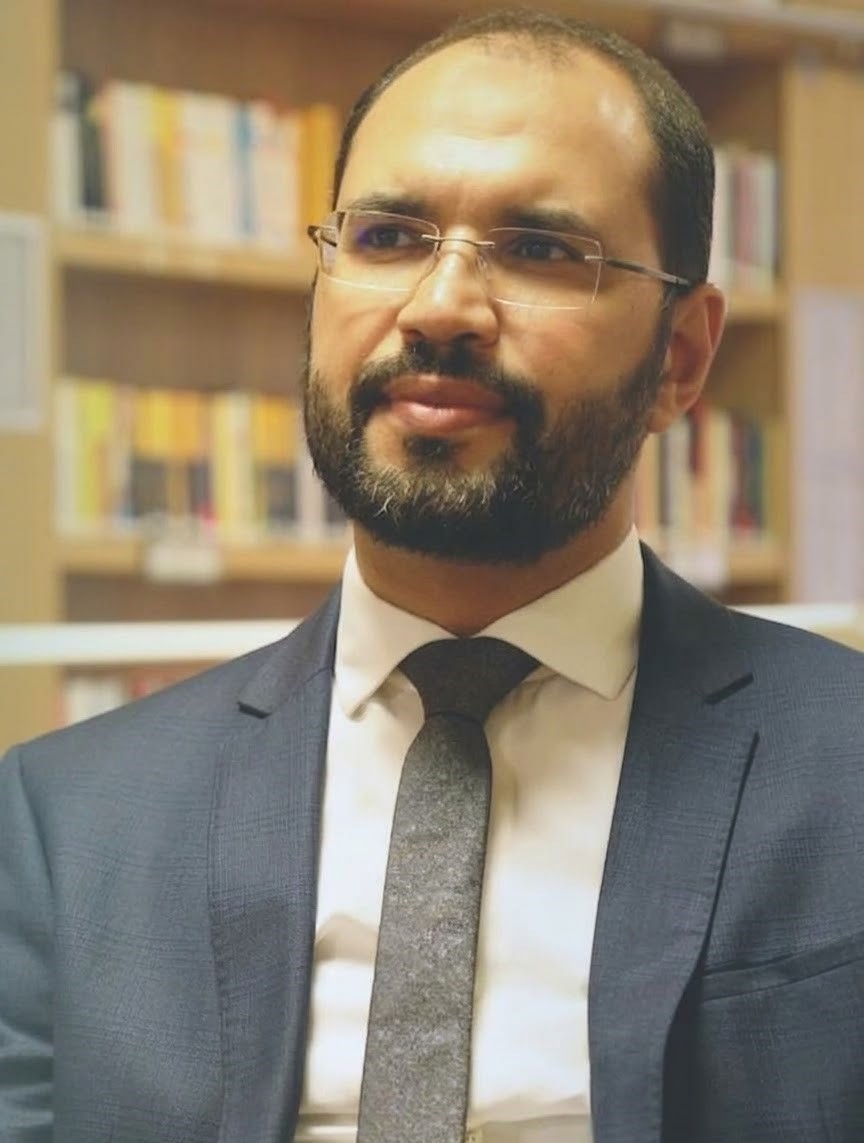
Ilyes Boumahdi
Head of division, Evaluation of Sectoral Policies, Ministry of Economy and Finance
Ilyes Boumahdi has a PhD in quantitative economics (2023, INSEA). He has been Head of Service at DEPF/Ministry of Economy and Finances since 2002 and an adjunct professor at INSEA since 2007. He has had several research papers published in Scopus indexed journals elating to regional disparities, smart specialization, spatial evaluation of well-being, and unconventional big data. He also holds a Specialized Master of Public Action (2020, UM6P-Benguerir and Ecole des Ponts ParisTech), a Diploma of Advanced Studies in Statistics (2001, Free University of Brussels), an Engineer Diploma in Statistics (2000, INSEA), and a Bachelor’s degree in Mathematics (2000, Mohamed V University). ...
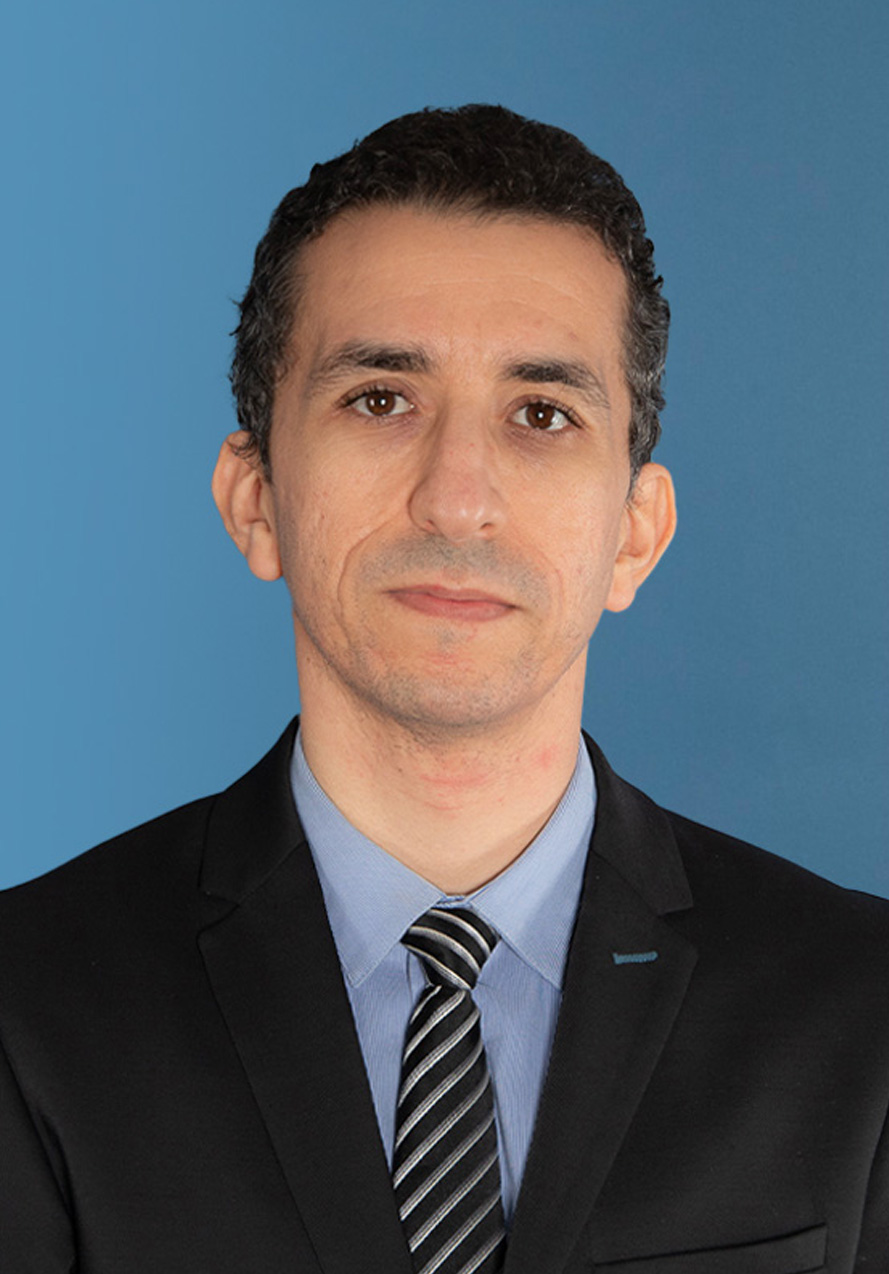
Abdelaaziz Ait Ali
Head - Research in Economics
Abdelaaziz Ait Ali is a principal Economist and head of the Research Department at the Policy Center for the New South. He joined the Center in 2014 after five years of experience at the Central Bank of Morocco. He worked as an economist in the International Studies and Relations Department and was analyzing the real estate price index and financial asset prices for monetary policy and financial stability purposes. Since then, Abdelaaziz has focused on cyclical and structural issues of the Moroccan economy, including macroeconomic management and industrial policy design. He has published articles on the reform of the exchange rate regime in the Moroccan economy and its implications for macroeconomic regulation, as well as on the evolution of the macroeconomic framework over th ...
RELATED CONTENT

  • Authors
    Nassim Hajouji
    February 15, 2022
    Using education and elite configurations as the main variables of analysis, this Policy Paper aims to show how higher levels of popular sector incorporation during elite conflicts, namely in the process of formulating and implementing policies related to education reforms, can negatively affect the economic complexity of developing countries. To do so, it analyzes the experiences of Mauritius and Singapore and links foundational political economy theories, particularly developmental ...
  • Authors
    February 9, 2022
    Energy markets have experienced significant disruptions since the outbreak of COVID-19. In late 2021, soaring natural gas prices triggered a new crisis, leading to risks of energy supply shortages worldwide and propelling the issue of energy security to the forefront. Africa will not be spared the repercussions of this crisis, which could further increase energy inequality, which is in turn linked to other forms of inequality. Indeed, in a context of persistent inflation, the lack o ...
  • Authors
    February 3, 2022
    COVID-19 has ravaged nearly every country in the world, with the globalization of recent decades intensifying its spread. As of mid-2021, the world had spent $16.5 trillion—18% of global GDP—to fight the disease. And that amount does not even include the most important losses such as deaths, mental health effects, restrictions on human freedom, and other nonmonetary suffering. Nearly 90% of this spending was by developed economies, with the rest by emerging market and developing eco ...
  • January 31, 2022
    According to the Oslo Manual, innovation can be defined as “the implementation of a new or significantly improved product (good or service), or process, a new marketing method or a new organisational method in business practices, workplace organisations or external relations” (OECD, 2005, p. 46). For today’s middle-income countries in Africa, innovation is essential to sustain growth and promote the transition to high-income status. This paper begins by providing a summary of theore ...
  • October 01, 2021
    The climate crisis is a latent threat that has been brewing for several years. Its repercussions affect both individuals and economies. Since the Paris Agreement, progress has stalled in ...
  • Authors
    Raffaele Della Croce
    Miguel Vazquez
    September 29, 2021
    In order to close the financing gap in green technologies, finding new mechanisms to enhance the participation of the private sector, combined with that of the public sector, in financing sustainable and climate-resilient infrastructure is a must. In this context, some unlisted instruments are going to be needed to enhance financing of green infrastructure. Besides, the development of properly structured projects, with risks and returns in line with the preferences of the different ...
  • Authors
    Chami Abdelilah
    Derj Atar
    Hammi Ibtissem
    Morazzo Mariano
    Naciri Yassine
    with the technical support of AFRY
    July 29, 2021
    As decarbonization is a long-term process and requires significant investments, specific financial and non- financial measures will need to be implemented, both in the short and long term, to facilitate this transition. In Part II of Morocco’s decarbonization pathway Policy Brief series, an update of the decarbonization scenarios was presented. It revealed that the Increased Ambition and Green Development scenarios achieve higher decarbonization targets than current policy. It showe ...
  • Authors
    Chami Abdelilah
    Derj Atar
    Hammi Ibtissem
    Morazzo Mariano
    Naciri Yassine
    with the technical support of AFRY
    July 23, 2021
    La décarbonisation est un processus à long terme qui nécessite des investissements importants. Ainsi, des mesures financières et non financières spécifiques devront être mises en œuvre, à la fois à court et à long termes, pour faciliter cette transition. Dans la deuxième partie de la série de Policy Briefs sur la trajectoire de décarbonisation du Maroc, une mise à jour des scénarios de décarbonisation a été présentée. Elle révèle que les scénarios « Ambition accélérée » et « Dévelop ...