(FR) Moroccan Industrial Policy

May 6, 2026

Dans cette interview, l’évolution de la politique industrielle marocaine est analysée : planification étatique (1960–1980), libéralisation (1980–1990), puis intégration dans les chaînes de valeur mondiales (à partir des années 2000). Aujourd’hui, face au protectionnisme et au nearshoring, le Maroc doit capitaliser sur ses atouts structurels et renforcer les partenariats public-privé et régionaux.

Speakers
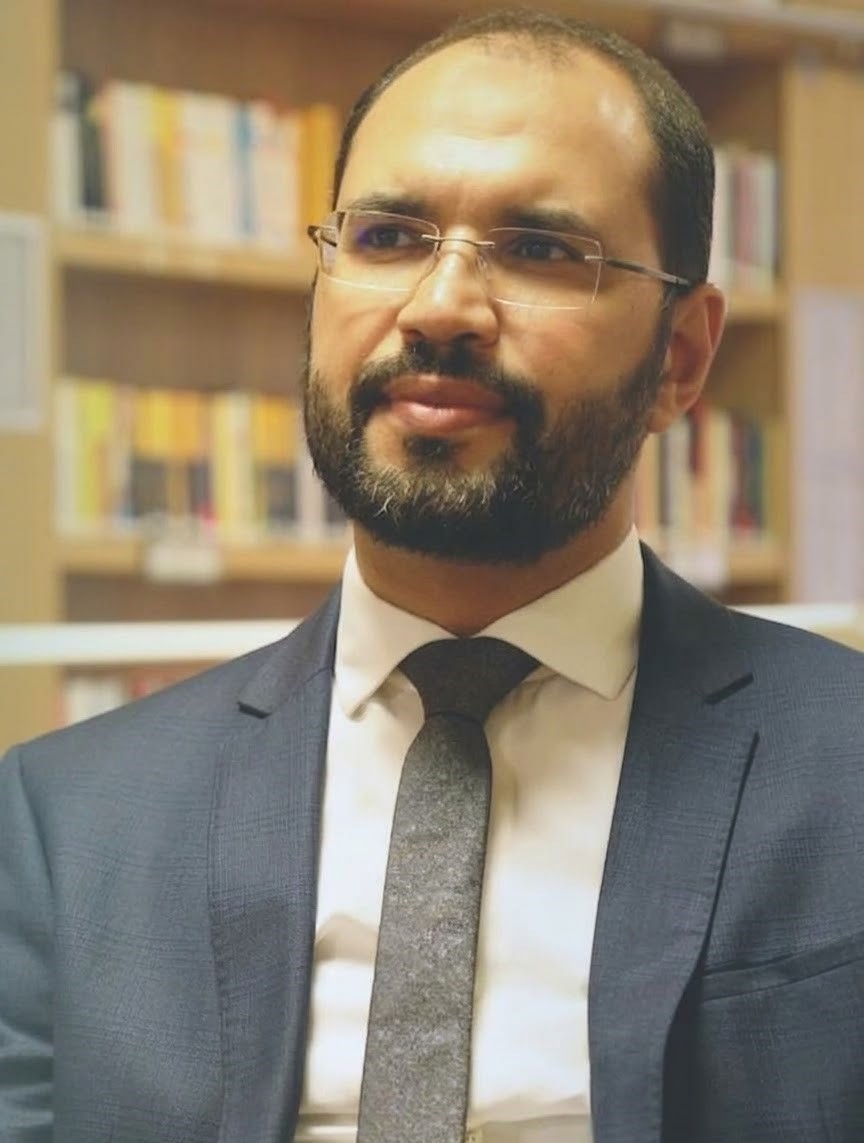
Ilyes Boumahdi
Head of division, Evaluation of Sectoral Policies, Ministry of Economy and Finance
Ilyes Boumahdi has a PhD in quantitative economics (2023, INSEA). He has been Head of Service at DEPF/Ministry of Economy and Finances since 2002 and an adjunct professor at INSEA since 2007. He has had several research papers published in Scopus indexed journals elating to regional disparities, smart specialization, spatial evaluation of well-being, and unconventional big data. He also holds a Specialized Master of Public Action (2020, UM6P-Benguerir and Ecole des Ponts ParisTech), a Diploma of Advanced Studies in Statistics (2001, Free University of Brussels), an Engineer Diploma in Statistics (2000, INSEA), and a Bachelor’s degree in Mathematics (2000, Mohamed V University). ...
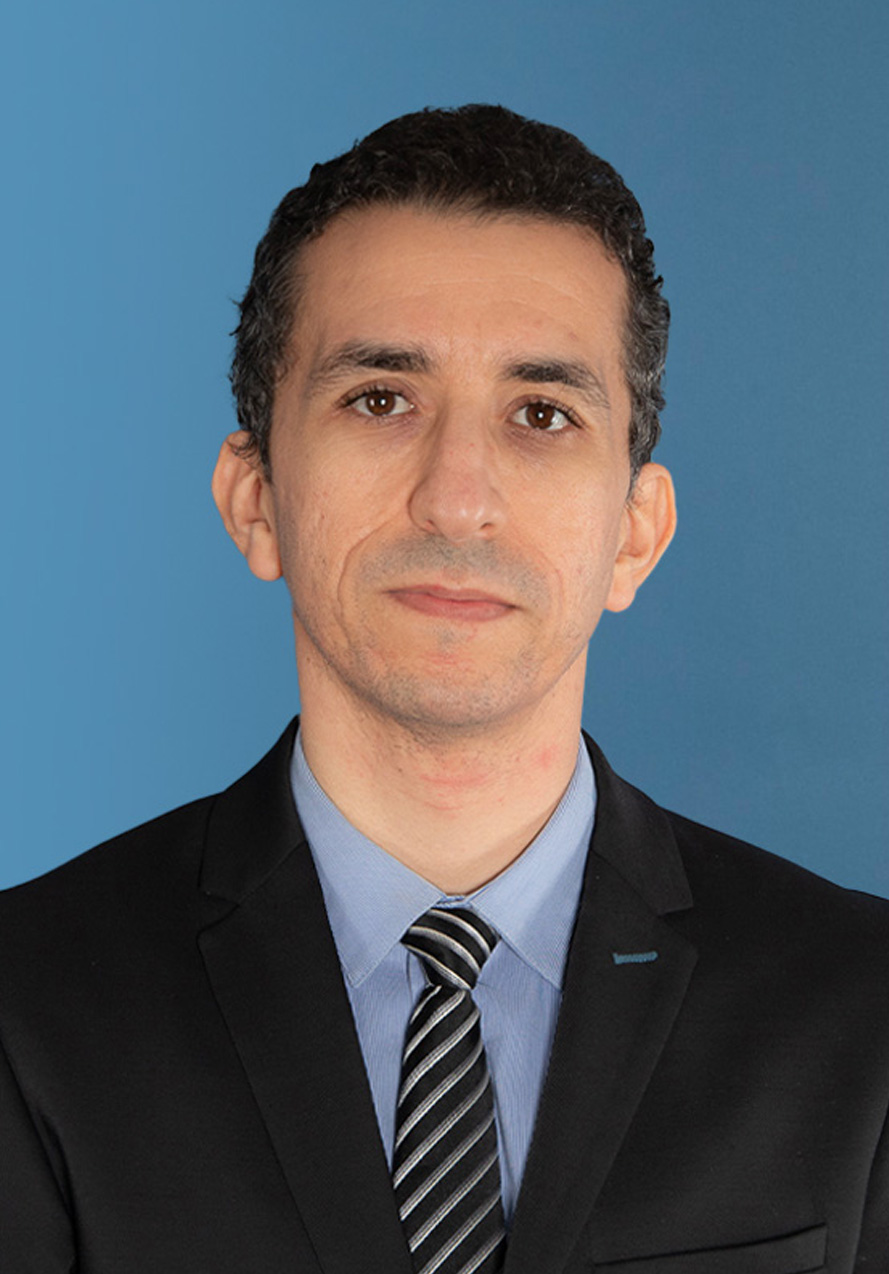
Abdelaaziz Ait Ali
Head - Research in Economics
Abdelaaziz Ait Ali is a principal Economist and head of the Research Department at the Policy Center for the New South. He joined the Center in 2014 after five years of experience at the Central Bank of Morocco. He worked as an economist in the International Studies and Relations Department and was analyzing the real estate price index and financial asset prices for monetary policy and financial stability purposes. Since then, Abdelaaziz has focused on cyclical and structural issues of the Moroccan economy, including macroeconomic management and industrial policy design. He has published articles on the reform of the exchange rate regime in the Moroccan economy and its implications for macroeconomic regulation, as well as on the evolution of the macroeconomic framework over th ...


RELATED CONTENT

  • Authors
    December 27, 2022
    En Afrique, le niveau de la vulnérabilité économique des pays reste élevé et représente un obstacle à la croissance économique et à la réduction de la pauvreté. Ce constat nous mène à étudier cette problématique pour un échantillon des pays africains les plus exposés aux chocs économiques. En effet, ce travail a pour objectif principal d’identifier les effets des composantes des deux indicateurs de vulnérabilité et de résilience économique sur le niveau de reve ...
  • December 8, 2022
    Cette étude concerne 33 États du continent africain où, en 2022, le % des détenteurs de cryptomonnaies de chaque pays, par rapport à sa population est au minimum de 1 %. À eux seuls, trois parmi ce groupe de pays, que sont l’Afrique du Sud, le Kenya et le Nigeria, totalisent plus de 333 millions de personnes, avec des pourcentages de leurs détenteurs de cryptomonnaies proches compris entre plus de 12 % en Afrique du Sud, plus de 11 % au Kenya et plus de 10 % au Nigeria. À l' ...
  • November 24, 2022
    This chapter was originally published in the book "Africa–Europe Cooperation and Digital Transformation", co-edited by Chux Daniels, Benedikt Erfoth, and Chloe Teevan Since the mid-2010s, North African countries have been pursuing what some observers have called a “return to Africa” (Dworkin, 2020). Egypt, Morocco, and Tunisia have attempted to position themselves as major components of Europe- Mediterranean-Africa infrastructure and supply chains corridors (Tanchum, 2020). The thr ...
  • Authors
    November 17, 2022
    This piece examines the role of labor and religious movements in the face of the “informalization” of the African economy. How does the growth of an informal sector set back class formation and labor activism? How will the rise of economic networks outside formal economic and political channels affect state capacity? Can labor unions develop organizational independence if the labor market is segmented with a growing number of informal workers? What happens when labor market “insider ...