Publications /
Policy Paper
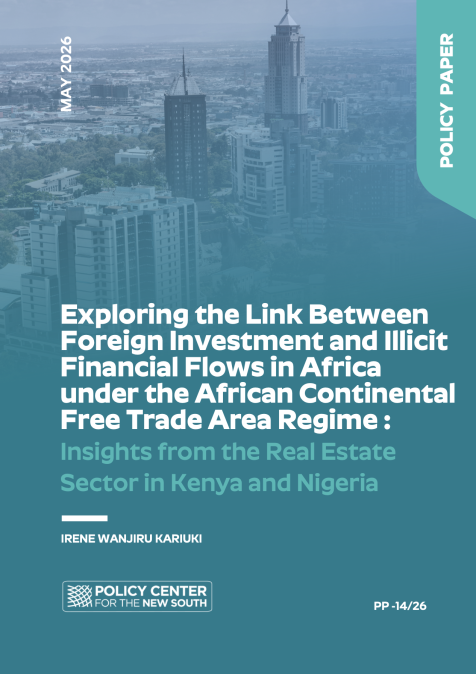
The Organisation for Economic Co-operation and Development estimates that Africa loses as much as USD 60 billion each year in illicit financial flows (IFFs). Undoubtedly, the IFFs strip substantial amounts of resources from African countries, and the immediate impact is a reduction in national expenditure and investment. This translates into inadequate public services, including hospitals, schools, national security, and transport infrastructure. It also contributes to rising unemployment, which in turn fuels higher crime rates, persistent poverty, and related socio-economic challenges.
One anticipated success of the African Continental Free Trade Area (AfCFTA) is increased intra-and extra-African investment. This, however, will not come without consequences, including a likely rise in financial and related crimes. As African economies continue to open up and attract foreign investment, there is a growing need to balance the benefits with the potential risks of IFFs, and to propose practical mitigation measures—lest illicit outflows ultimately erode the gains generated by new investments.
This brief explores the relationship between foreign investment and IFFs in Africa by assessing the legal framework under the AfCFTA, as well as the regulatory and enforcement gaps that may allow IFF actors—often operating under the guise of legitimate investors—to operate across the continent. The brief also offers recommendations that, if implemented, can significantly contribute to the fight against IFFs.