Podcasts

Back

حديث الثلاثاء: التطرف العنيف: المقاربات والاسباب وآليات المكافحة

21
February 2023
Akram Zaoui & El Mostafa Rezrazi

طبقا لقرار من المجلس العام لمنظمة الأمم المتحدة يخصص يوم 12 فبراير للاحتفال بمكافحة التطرف العنيف. وبعد ان تصدر الموضوع قائمة جدول أعمال القوى العظمى بعد اعلان تنظيم الدولة بقيام خلافة اسلامية سنة 2014 وحتى انهياره وانهزامه في الاراضي التي كان قد سيطر عليها على خلفية الهجوم الذي شنه على الموصل ومحافظات عراقية اخرى صيف 2014، بعد ذلك اذا، يبدو ان تراجع اهتمام العواصم الكبرى بموضوع التطرف العنيف. فأزمات أخرى متراكمة مست هيكل النظام الدولي وزعزعته، او ذكرت الغرب واوروبا بالتحديد بخطر الحرب الكلاسيكية مع جيوش نظامية تملك قدرات تفوق بكثير تلك التي تملكها المنظمات الارهابية. الا ان التطرف العنيف بمختلف اشكاله لا يزال يهدد امن البلاد والعباد في منطقتنا العربية وقارتنا الافريقية. وفي الوقت ذاته تكاثرت وازدادت تطرفا وميولة الى العنف مجموعات تنتسب الى اليمين التطرف في الغرب. فما هي دوافع التطترف العنيف؟ وما هيا خاصيات العرض المتطرف؟ وكيف تتعامل الدول والمغرب بالتحديد لمعالجة هذا التحدي؟
RELATED CONTENT

  • Authors
    Corinne Dufka
    Niccola Milnes
    December 8, 2025
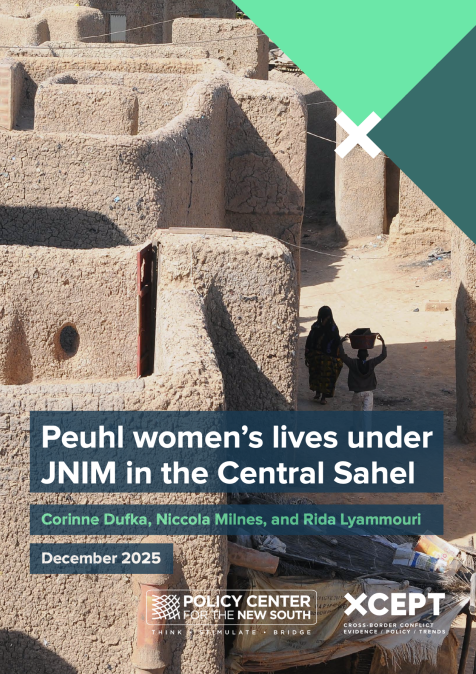
    Although the crises affecting the Sahel have been widely analysed through the lenses of armed groups, state fragility and geopolitics, much less is known about how women experience insurgent governance in their everyday lives. This is particularly pertinent to members of the pastoralist Peuhl ethnic group, which has been strategically targeted for recruitment by the Central Sahel’s dominant Islamist armed group, Jama’at Nusrat al-Islam wal-Muslimin (JNIM), as a means of facilitating ...
  • Authors
    December 1, 2025
    This Paper was originally published on transatlantic.org The contemporary maritime domain is increasingly recognized as a geopolitical and economic space, but also as an environment intertwined with human, social, ecological, and governance systems ashore. The United Nations Institute for Disarmament Research (UNIDIR 2024) report argues that maritime security has evolved from a narrow naval and state-centered concern into a multidimensional issue embedded in global human s ...
  • Authors
    Fadoua Ammari
    March 13, 2025
    L’extrémisme violent au Sahel trouve ses racines dans une combinaison de facteurs historique, politique et socio-économique, tels que l’instabilité étatique, la marginalisation de certaines communautés et l’influence d’idéologies transnationales. Ce Papier retrace l’émergence et l’expansion de groupes comme Al-Qaïda au Maghreb Islamique (AQMI) et l’État islamique au Grand Sahara (EIGS), ainsi que leur fragmentation, illustrée par la création de nouveaux groupes, comme le ...
  • February 21, 2023
    طبقا لقرار من المجلس العام لمنظمة الأمم المتحدة يخصص يوم 12 فبراير للاحتفال بمكافحة التطرف العنيف. وبعد ان تصدر الموضوع قائمة جدول أعمال القوى العظمى بعد اعلان تنظيم الدولة بقيام خلافة اس ...
  • February 15, 2023
    طبقا لقرار من المجلس العام لمنظمة الأمم المتحدة يخصص يوم 12 فبراير للاحتفال بمكافحة التطرف العنيف. وبعد ان تصدر الموضوع قائمة جدول أعمال القوى العظمى بعد اعلان تنظيم الدولة بقيام خلافة اسلامية سنة 2014 وحتى انهياره وانهزامه في الاراضي التي كان قد سيطر عليها على خلفية الهجوم الذي شنه على...
  • Authors
    March 7, 2022
    More than two years ago I wrote in a report: “The current downward security trends in Mali, Niger, and Burkina Faso should serve as a wake-up call for the states in the Gulf of Guinea, mainly Ivory Coast, Ghana, Togo, and Benin.” Recent attacks in the northern Ivory Coast and Benin show that signs of earlier years now have taken on unique characteristics. Signs of the expansion of violent extremist organizations (VEOs) to coastal states have been there since at least since 2015. The ...
  • Authors
    Mathieu Pellerin
    March 2, 2022
    La situation sécuritaire dans le Sahel central est à ce point dégradée que la menace djihadiste déborde désormais sur la partie nord des pays côtiers d’Afrique de l’Ouest. Les régions de l’Est et des Cascades au Burkina Faso ou celles de Sikasso et de Kayes au Mali constituent des bases arrière permettant aux groupes djihadistes – et principalement à la Jama’at Nasr al-Islam wal Muslimin (JNIM) pour l’instant – de s’étendre au Bénin, en Côte d’Ivoire, et dans une moindre mesure au T ...
  • Authors
    March 1, 2022
    Dans un contexte de gouvernance complexe, où autorités traditionnelles et modernes se côtoient même si leur pouvoir décroît, le Mali connait depuis de nombreuses années une situation sécuritaire alarmante, notamment dans le centre du pays. La montée des tensions entre communautés agricoles et pastorales est aggravée par la présence de groupes extrémistes. La population du Cercle de Niono, dans la région de Ségou, a été victime de violences inouïes pendant plusieurs mois avant que de ...
  • Authors
    November 9, 2021
    Events in the Sahel, and Mali especially, are taking an uncertain and worrying turn. Mali witnessed two coups d’état in less than a year, while the West African Sahel went through its most violent year yet and there are no signs that the violence is slowing down. In the midst of this unprecedented instability, recent developments involving Mali’s transitional government and the international community, France in particular, provide no assurances that things are likely to improve any ...
  • Authors
    November 2, 2021
    In the Sahel, and Central Mali in particular, the proliferation of armed groups over the past decade has resulted in formal and informal non-state governance structures. This paper assesses the various definitions and typologies associated with rebel and jihadist governance in order to better understand the mechanisms of governance provision used by key non-state governance providers in Central Mali.   ...