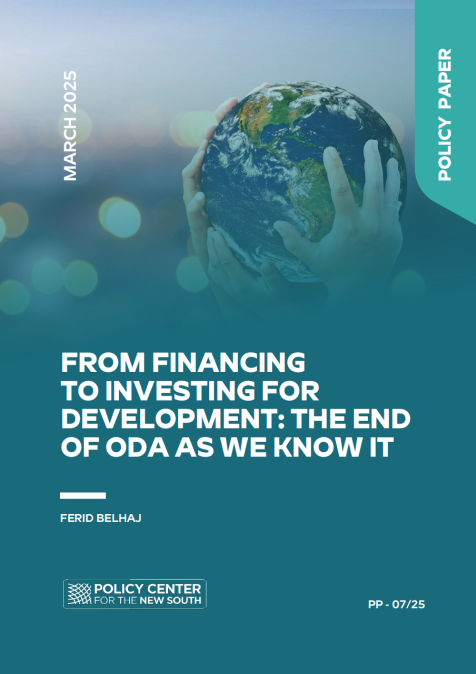
Marchés de capitaux et marchés financiers : quels leviers de développement au Maroc ?

May 11, 2026

Cet épisode interroge la capacité du Maroc à atteindre ses ambitions économiques avec un système de financement encore largement dominé par les banques. Dans un contexte de besoins croissants en investissement et de transformation du tissu productif, les marchés de capitaux apparaissent comme un levier stratégique pour mobiliser l’épargne, soutenir les entreprises et diversifier les sources de financement. À travers l’analyse de Mohammed Benmoussa, l’épisode met en lumière les réformes et dynamiques nécessaires pour faire des marchés de capitaux un moteur durable de croissance et de compétitivité pour le Maroc.

Speakers
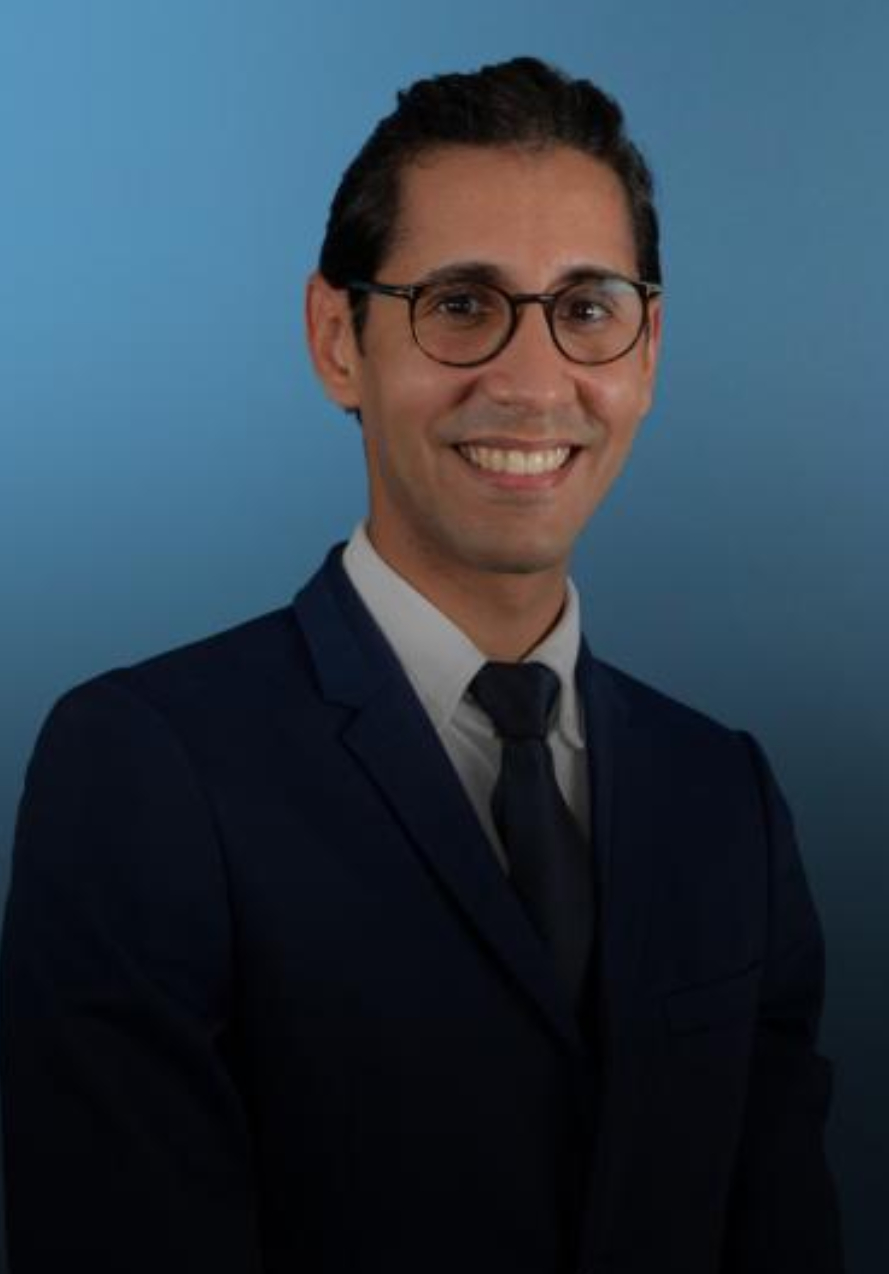
Ahmed Ouhnini
Economist, Policy Center for the New South
Ahmed Ouhnini is an Economist at the Policy Center for the New South. His research area covers agricultural economics, human and social development. Previously, he has worked as a researcher at the Paris School of Economics (PSE) and has also a record of working in consulting services in Morocco. Ahmed holds an engineering Diploma in Agriculture and Rural Development from the National School of Agriculture of Meknes and a Master’s Degree in Law, Economics and Management from the Paris 1 Pantheon Sorbonne Institute of Development. ...
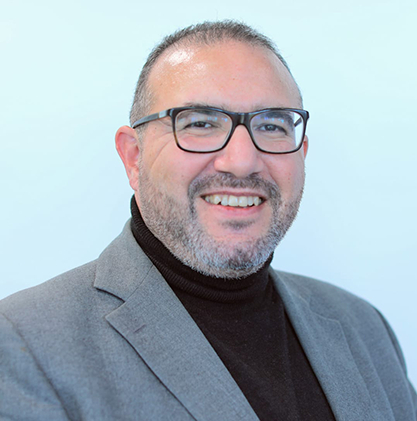
Mohammed Benmoussa
Affiliate Professor, Mohammed VI Polytechnic University, Rabat
Mohammed Benmoussa is a Moroccan economist and senior consultant in economic policy, taxation, and public finance, as well as a former banker and capital market practitioner. He is Professor of Corporate and Market Finance at Mohammed VI Polytechnic University. In December 2019, he was appointed by HM King Mohammed VI to the Special Commission on the New Development Model. He is also President of the Forum of Progressive Economists, President of the Damir Movement and the La Samir Front. He previously served as President of the Brokerage Firms Association and Vice-President of the Casablanca Stock Exchange. ...

RELATED CONTENT

  • December 19, 2023
    يخصص مركز السياسات من أجل الجنوب الجديد حلقة خاصة من برنامجه الأسبوعي "حديث الثلاثاء" لمناقشة اشكالية المديونية في الجنوب : الواقع والافاق. حلقة خاصة في اطار النسخة الثانية عشر لمؤتمر الحوارات الأطلسية الدي ينظمه مركز السياسات من أجل الجنوب الجديد كل سنة، والتي اقيمت بمر...
  • December 8, 2023
    In this interview, Dr. Harinder Kohli, Founding Director and Chief Executive of the Emerging Markets Forum discusses the escalation of interest rates in the U.S. has consistently instilled a sense of apprehension in emerging markets, given the conventional outcome of capital outflows re...
  • December 5, 2023
    في حلقة هذا الأسبوع سنحاول مناقشة موضوع القطاع غير المُهيكَل في المغرب، أبرز التحديات وأفاق المستقبل. حيث أن ظاهرة العمالة غير الرسمية أصبحت تأخذ حيزا كبيرا في مختلف النقاشات العالمية الدائرة حول مسألة التنمية، والمغرب يعد من بين الدول التي تبقى فيها الظاهرة عند مستويات مرتفعة كون منظو...
  • November 30, 2023
    This Chapter was originally published on Cape Town Chronicles   The history of debt in Africa is a long and painful one. It began in the 1980s, when the public finances of most developing countries deteriorated following two episodes of oil shocks, leading to a "lost decade" of low growth, increased poverty, and political instability. The recovery from the debt crisis only became possible following initiatives in favour of heavily indebted poor countries (HIPC) and ...
  • November 24, 2023
    Debt in the Global South was a key point of discussion during the last annual meetings of the World Bank and International Monetary Fund which took place in Marrakesh on October 2023. Whi ...
  • November 22, 2023
    As part of the webinar series: “The Global Economy in Transition : Implications for Developing Countries”, the Policy Center for the New South is organizing a webinar titled: " The Future of Central Banks in Emerging Markets and Developing Countries” to contribute to the ...
  • Authors
    November 21, 2023
    Multiple shocks faced by the global economy over the past three years have apparently shaken the conventional wisdom on gains from economic integration, and have sparked widespread calls for protectionist and nationalist policies. Is there already evidence of some ‘deglobalization’, or do the factors that underlie globalization remain strong enough despite the shocks? So far, there are no signs of an overall reversal in the long-term trend of greater global trade integration. Howev ...
  • Authors
    Ali Elguellab
    Elhadj Ezzahid
    November 1, 2023
    The role of the production network in shock propagation has been an issue of considerable interest since the Great Recession. However, the empirical literature has only focused on advanced and emerging countries. This paper aims to contribute to filling this gap by examining the case of Morocco, a developing country belonging to the lower-middle-income group. The question is whether its production network is a factor in amplifying idiosyncratic industry-level shocks or, conversely, ...
  • Authors
    October 26, 2023
    The Brazilian economy is stuck in a so-called middle-income trap—growth that stalled long before Brazil caught up with the living standards of the highly industrialized countries. After exhibiting a stellar performance in the decades before the 1980s, the economy has since been unable to sustain growth for long periods. The predicament can be summarized using a medical analogy: Brazil has been suffering from both productivity anemia and public sector bloat. On the one hand, it hasn ...
  • Authors
    Xiaofeng Wang
    October 13, 2023
    The surprising victory of Javier Milei, the unconventional ‘anarcho-capitalist’ candidate, in the August primaries ahead of Argentina’s October 2023 general election, can be largely credited to his commitment to dollarize the Argentine economy, a move perceived as the ultimate solution to bring an end to the nation's economic turmoil. The potential shift from the local currency to the dollar has sparked concerns about Argentina's bilateral currency swap line with China. This swap l ...