Les Politiques Economiques de Relance Post-Covid-19 : Regards Croisés

June 12, 2020

Le Laboratoire d’Economie Appliquée ( LEA) de la Faculté des Sciences Juridiques Economiques et Sociales Rabat - AGDAL en partenariat avec le Policy Center for the New South, a le plaisir de vous inviter à participer à la table ronde organisée sous le thème «Les politiques économiques de relance Post Covid-19 : Regards croisés », qui se tiendra le vendredi 12 juin 2020 à 18h00 (Heure de Rabat). Les politiques économiques de gestion de la crise issue du covid-19 sont en rupture avec les pratiques antérieures. Elles sont audacieuses et révèlent au grand jour la capacité des pays, quand ils mettent en stand-by les prêts à penser- orthodoxes-, à gérer des chocs extrêmes. Il s’agit maintenant d’examiner la capacité des politiques économiques de relance post Covid-19 à l’échelle internationale et au Maroc, de saisir cet effet de révélation, de le traduire en stratégies innovantes à même de reconstruire un Maroc social inclusif et durable.
Speakers
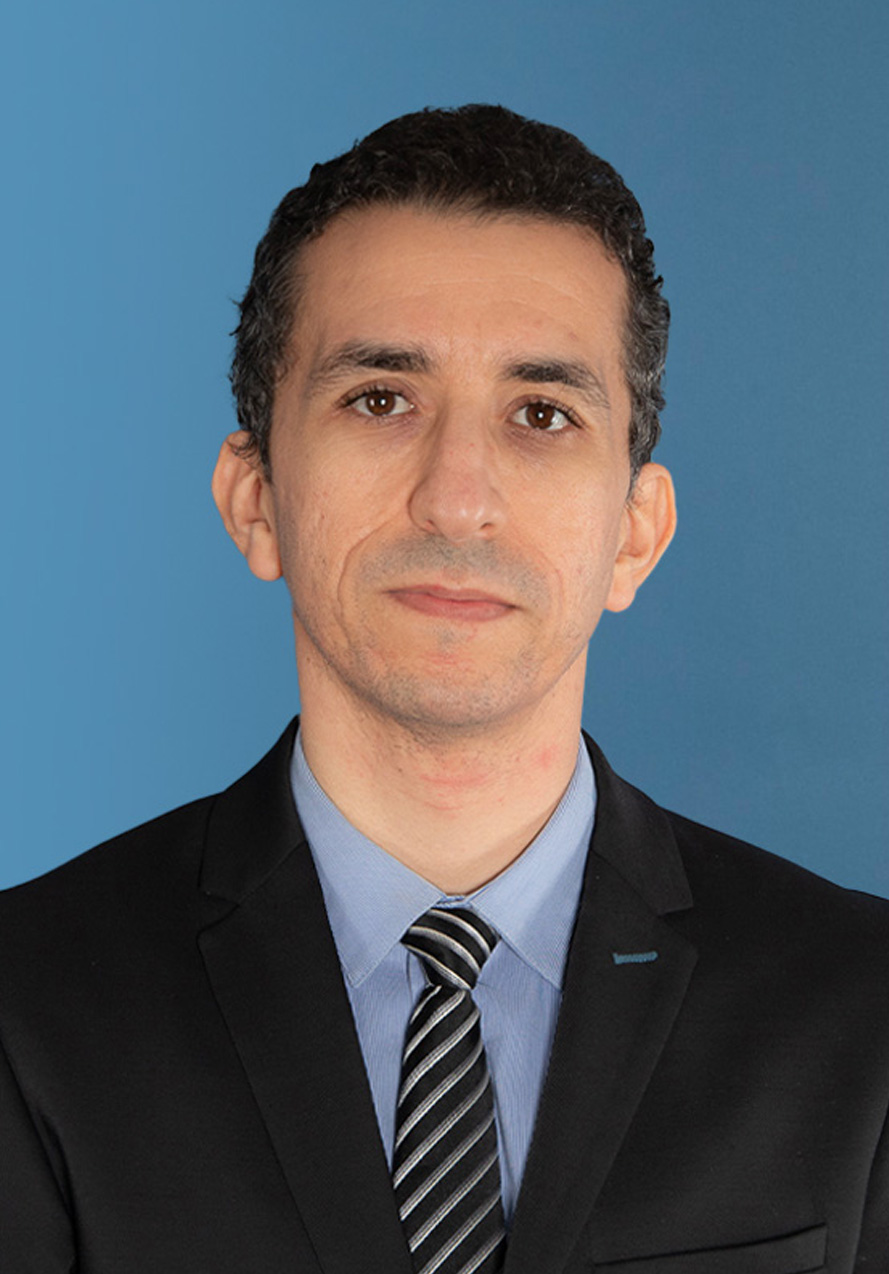
Abdelaaziz Ait Ali
Head - Research in Economics
Abdelaaziz Ait Ali is a principal Economist and head of the Research Department at the Policy Center for the New South. He joined the Center in 2014 after five years of experience at the Central Bank of Morocco. He worked as an economist in the International Studies and Relations Department and was analyzing the real estate price index and financial asset prices for monetary policy and financial stability purposes. Since then, Abdelaaziz has focused on cyclical and structural issues of the Moroccan economy, including macroeconomic management and industrial policy design. He has published articles on the reform of the exchange rate regime in the Moroccan economy and its implications for macroeconomic regulation, as well as on the evolution of the macroeconomic framework over th ...
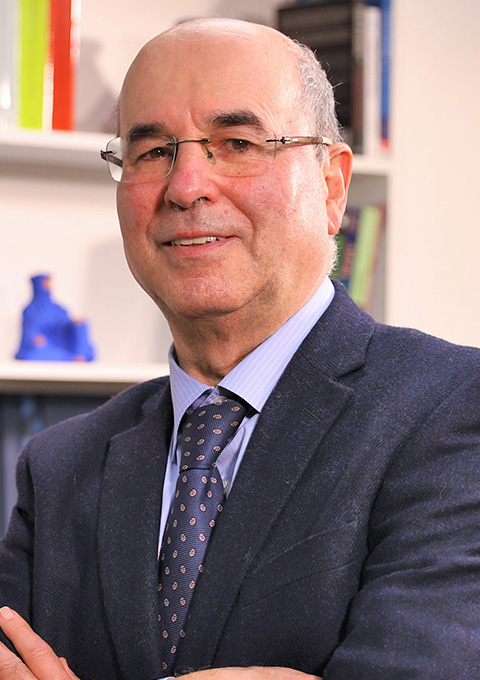
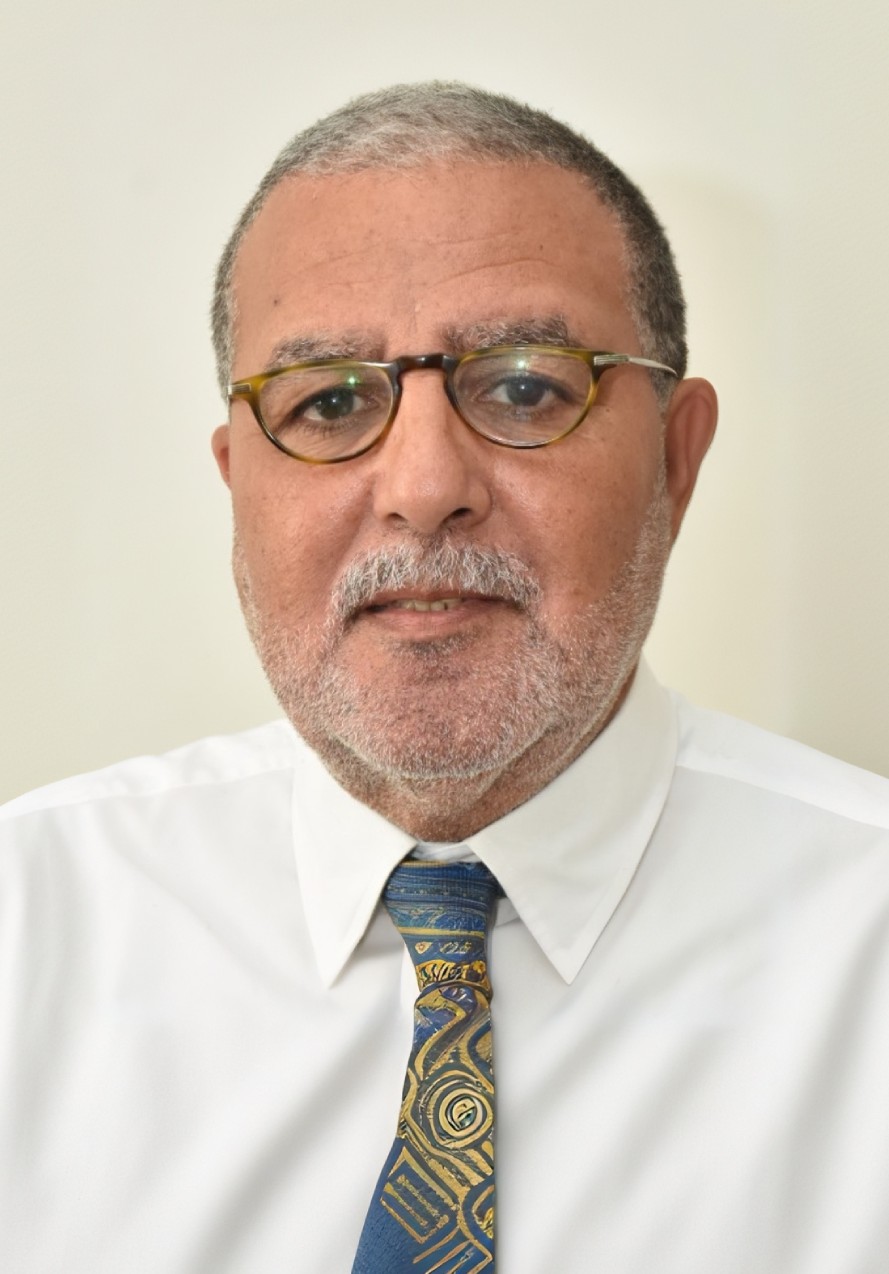
Idriss El Abbassi
Professor of economics, Mohammed V University
Idriss El Abbassi is a Professor of Economics at Mohammed V University in Rabat and coordinator of the Master’s programme in economics. He holds a PhD from Florida State University, and his research focuses on open-economy macroeconomics, growth, and structural transformation. He teaches at both the Master’s and PhD levels and is a founding member of the Laboratory of Applied Economics. A former director of the EMPRETEC/UNCTAD programme in Morocco, he has also been a visiting professor in London. He co-authored Human Capital and Economic and Social Development in Morocco and has recently published in The Economic and Labour Relations Review and Structural Change and Economic Dynamics. ...
Lahcen Oulhaj
Laboratoire d'Economie Appliquée (LEA), FSJES Agdal
...
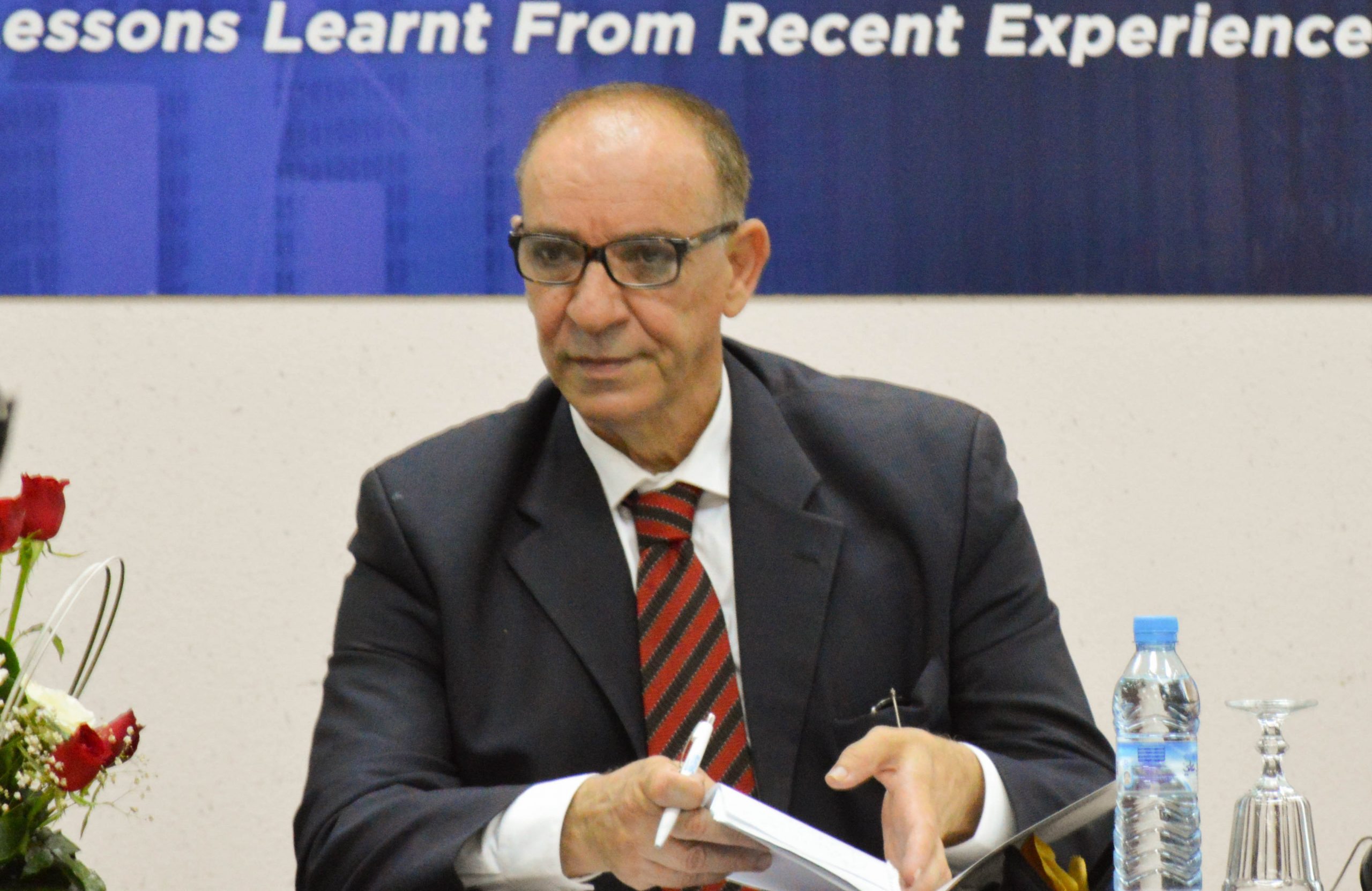
Larabi Jaïdi
Senior Fellow
Larabi Jaïdi is a Senior Fellow at the Policy Center for the New South and an Affiliate Professor at Mohammed VI Polytechnic University. His areas of expertise include international economy, economic policies, international economic relations, regional economies, social development, international relations, and Mediterranean studies. He also served on the Special Commission on the New Development Model of Morocco, a consultative body created in November 2019 to formulate the country's new developmental guidelines. Jaïdi is a former Professor at Mohamed V University in Rabat-Agdal and a founding member of both the Centre Marocain de Conjoncture and the Groupement d’Etudes et de Recherches sur la Méditerranée.   Prof. Jaïdi previously served as Advisor to the Prime Minist ...
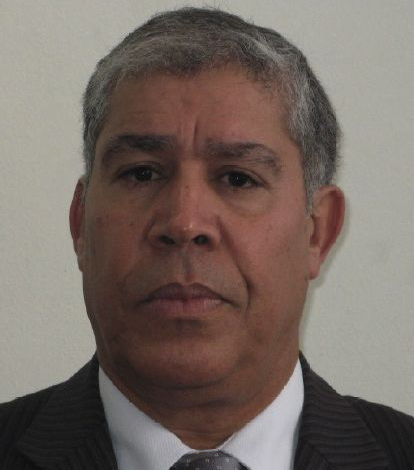
Saïd Tounsi
Professor and Researcher, Mohammed V University
Saïd Tounsi is a Professor and Researcher at Mohammed V University in Rabat. A specialistin economic policies, particularly fiscal policy, he has authored several studies onpublic debt sustainability and exchange rate regimes in developing countries. He has alsoco-edited collective volumes on macroeconomic policies in Morocco. A former trainer atthe IGF and Bank Al-Maghrib, he combines academic expertise with institutional experiencein analysing national and international economic dynamics. ...

RELATED CONTENT

  • September 24, 2019
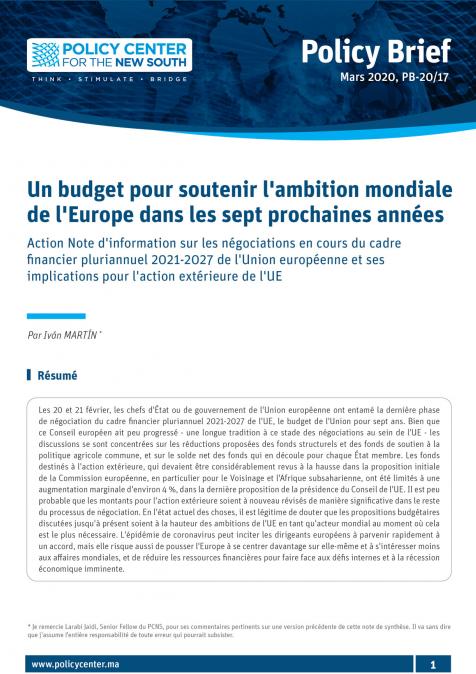
    En pleine transition ordonnée de son régime de change, sous l'autorité bienveillante du Fonds monétaire international (FMI), le Royaume du Maroc est un exemple très concret des avantages et des inconvénients des deux régimes de change dominants ces dernières décennies/change fixe et change flottant /. L’objet de cette note est de rappeler, tout d'abord, les fondamentaux économiques des deux systèmes et leur environnement historique (I). Ensuite, à la lumière de ces fondamentaux, pré ...
  • September 17, 2019
    INTERVIEW avec Patrick Plane 1/ Selon votre indice de compétitivité durable en matière d’attractivité, le Maroc occupait, en 2016, la 5ème place en Afrique, en même temps qu’il se situait en haut du tableau en termes de résistance aux vulnérabilités. Que révèlent pour vous ces classemen...
  • September 1, 2019
    Income inequality is high in Morocco. In 2013, the share of national income1  of the richest 10% in Morocco stood at nearly 32%, 12 times higher than the share of national income of the poorest 10% of the population. This paper argues that, drawing on international experience, there is much more that Morocco’s government can do to reduce inequality while at the same time enhancing growth and – possibly – doing so in a manner that is budget-neutral or even budget-positive. Top o ...
  • Authors
    Satyandra Nayak
    August 27, 2019
    Since the Fed’s July meeting, when the Fed Funds Rate had a 0.25% cut, fears about the impact of the US-China trade war on the global economy have escalated. The US yield curve inversion received much attention as a harbinger of a slowdown in the global and US economic outlooks. We approach here whether lights on next monetary policy events can be obtained from reading the minutes of the Fed’s meeting – and of the July meeting of the ECB governing council – released this week. The ...
  • Authors
    Mohammed Germouni
    August 26, 2019
    La création d’instruments financiers à la Conférence de Bretton Woods, à la fin de la Seconde  Guerre mondiale, était une nouveauté pour l’époque et avait sonné la fin du chacun pour soi « monétaire », en jetant les bases d’un système de changes fixes mais ajustables reconnaissant, cependant, et dès le départ, la primauté du dollar de la nouvelle grande puissance. Le Fonds monétaire international (FMI) devant se charger de venir en aide aux pays à la balance des paie ...
  • August 23, 2019
    Income inequality is high in Morocco. In 2013, the share of national income of the richest 10% in Morocco stood at nearly 32%, 12 times higher than the share of national income of the poorest 10% of the population. High inequality can adversely affect long-term growth as it tends to be associated with underutilization of human potential. This paper argues that, drawing on international experience, there is much more that Morocco’s government can do to reduce inequality while at the ...
  • Authors
    Christos Daoulas
    August 22, 2019
    This note approaches the relationship between natural wealth and economic growth, using the case of Sub-Sahara African economies as an illustration. Delving into recent World Bank reports, it highlights how a sustained positive correlation between natural capital and GDP growth happens through the transformation of the former into other forms of assets: produced capital, human capital and other intangible assets. Governance features and the quality of macroeconomic policies are of t ...