(FR) The Moroccan fishing sector and sustainable development

June 3, 2026

Cet épisode met en lumière les défis et perspectives du secteur halieutique marocain à travers l’analyse du Pr. Abdelkabir Kamili. Il souligne que la durabilité des ressources marines n’est pas un frein à la croissance économique, mais une condition essentielle pour garantir la performance future du secteur, grâce à une gestion scientifique des stocks, la valorisation des produits et le développement d’une aquaculture durable. Face aux défis du changement climatique et à la volatilité des marchés internationaux, l’entretien met également en avant l’importance de la diversification, de l’innovation et du renforcement de la résilience du secteur.
 

Speakers
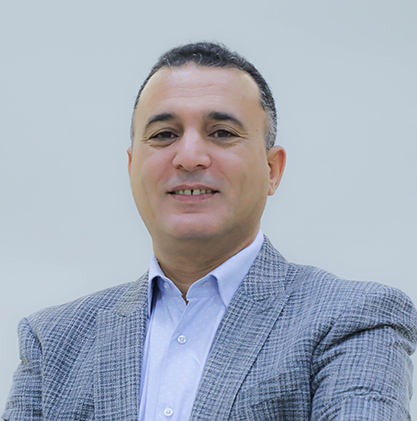
Abdelkabir Kamili
Assistant Professor, Mohammed VI Polytechnic University, Rabat
Abdelkabir Kamili, PhD in Economic and Social Sciences Applied to Agriculture from the Agronomic and Veterinary Institute—Hassan II, also holds a Master’s in Fisheries Economics and Management from the University of Barcelona and an Engineer Diploma in Rural Economics from the National School of Agriculture in Meknes. He teaches National Accounting & Macroeconomic Aggregates, and Global Public Goods & International Aid at Mohammed VI Polytechnic University. A former researcher at the National Fisheries Research Institute, he specializes in bioeconomic and computable general equilibrium (CGE) modelling, promoting sustainable fisheries through his publications on Moroccan fishery systems and contributions to FAO projects. ...

Rim Berahab
Senior Economist
Rim Berahab is Senior Economist at the Policy Center for the New South, which she joined in 2014. She is currently working on themes related to energy issues and their impacts on economic growth and long-term development. Her research areas also cover trade and regional integration challenges in Africa. Previously, she has also worked on questions related to gender inequalities in the labor market of North African countries. Rim spent three months at the International Monetary Fund (IMF), in 2016, in the Commodities Unit of the Research Department. She holds a State Engineering degree from the National Institute of Statistics and Applied Economics (INSEA). ...
RELATED CONTENT

  • Authors
    Marianna Albuquerque
    Rogerio Studart
    July 5, 2023
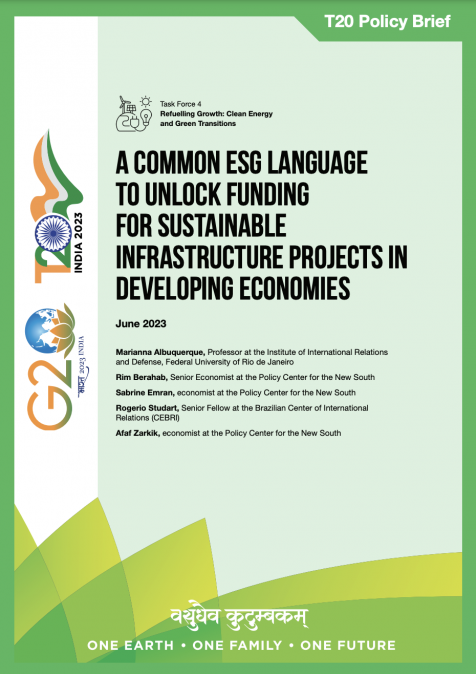
    This policy brief was originally published on t20ind.org   Despite the perception of abundant financial resources and technology worldwide, building quality project pipelines of sustainable infrastructure and securing funding for them remains a challenge for most developing countries. One potential solution to these obstacles is international cooperation among governments through enhancing cooperation among their national, regional, and multilateral development banks, wh ...
  • June 20, 2023
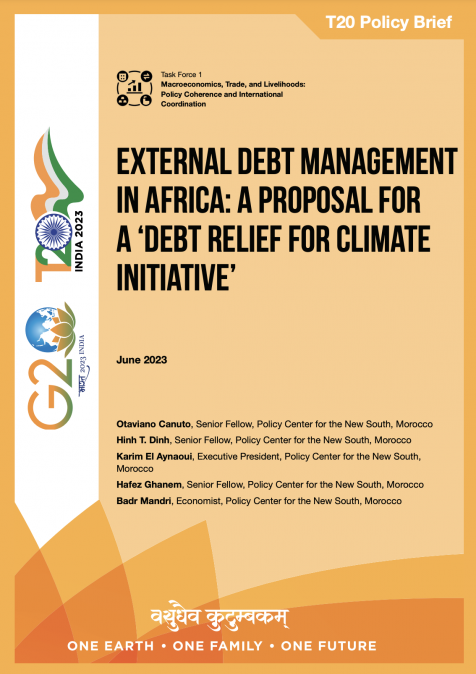
    This policy brief was originally published on T20 India website   A decade of poor growth, increased poverty, and political instability followed the serious debt difficulties that emerged worldwide in the 1980s. There are concerns that the looming debt crisis could create similar challenges and result in even more severe consequences. However, the current economic climate differs in many ways from that of the 1980s, when international banks and Paris Club credi ...
  • June 15, 2023
    Dr. Zaki Chahir, professeur en économie, a récemment publié un article intitulé "What Type of Trade is Promoted by Environmental Regulations" (Quel type de commerce est favorisé par les réglementations environnementales ?), dans lequel il examine l'imp...
  • Authors
    April 26, 2023
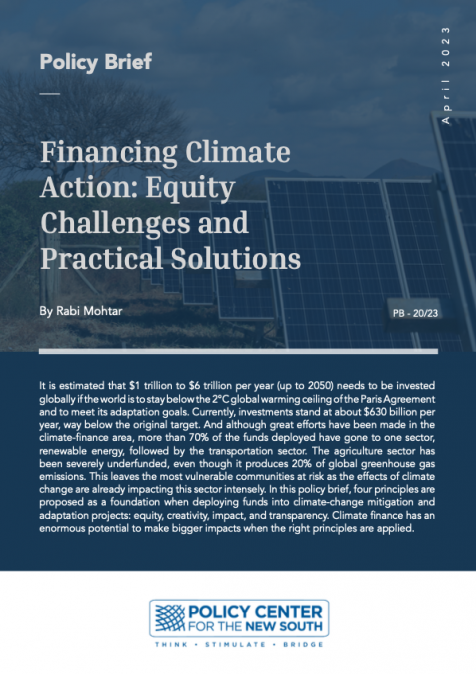
    It is estimated that $1 trillion to $6 trillion per year (up to 2050) needs to be invested globally if the world is to stay below the 2°C global warming ceiling of the Paris Agreement and to meet its adaptation goals. Currently, investments stand at about $630 billion per year, way below the original target. And although great efforts have been made in the climate-finance area, more than 70% of the funds deployed have gone to one sector, renewable energy, followed by the transportat ...
  • Authors
    March 7, 2023
    In April 2007, on my first day as vice president at the Inter-American Development Bank (IDB) in Washington D.C., I received an informal visit from Thomas E. Lovejoy, a celebrated American environmental scientist who died last year. He spoke to me of a “turning point” in deforestation in the Amazon, beyond which the consequences would be irreversible. He was interested in knowing how the IDB could help in the fight against deforestation. Thomas and the Brazilian environmental scien ...
  • July 6, 2022
    Le Policy Center for the New South et Enel Green Power Maroc co-organisent un webinaire sur "la tarification du carbone et le développement économique". Cette rencontre permettra de débattre des défis, des avantages et des limites des mécanismes de tarification du carbone et de leur imp...
  • May 10, 2022
    This is an exclusive interview with Rim Berahab, Senior Economist at the Policy Center for the New South, who engages with Helmut Sorge, Columnist at the Policy Center for the New South, in a conversation about the great threat of the climate crisis. Rim Berahab is the author of Chapter...