Why Think tanks Matter in Africa 2020

January 30, 2020

The Policy Center for the New South hosted a "Why Think Tanks Matter in Africa", in the framework of the annual Why Think Tanks Matter Forum, organized by the Think Tanks and Civil Societies Program (TTCSP). The Why Think Tanks Matter events serve not only to demonstrate the value and importance of think tanks around the world but also to highlight their instrumental role for determining in an early stage the new challenges that countries may face in various political and economic contexts. In this edition, speakers discussed the critical work think tanks perform in Africa according to their expertise.

Speakers
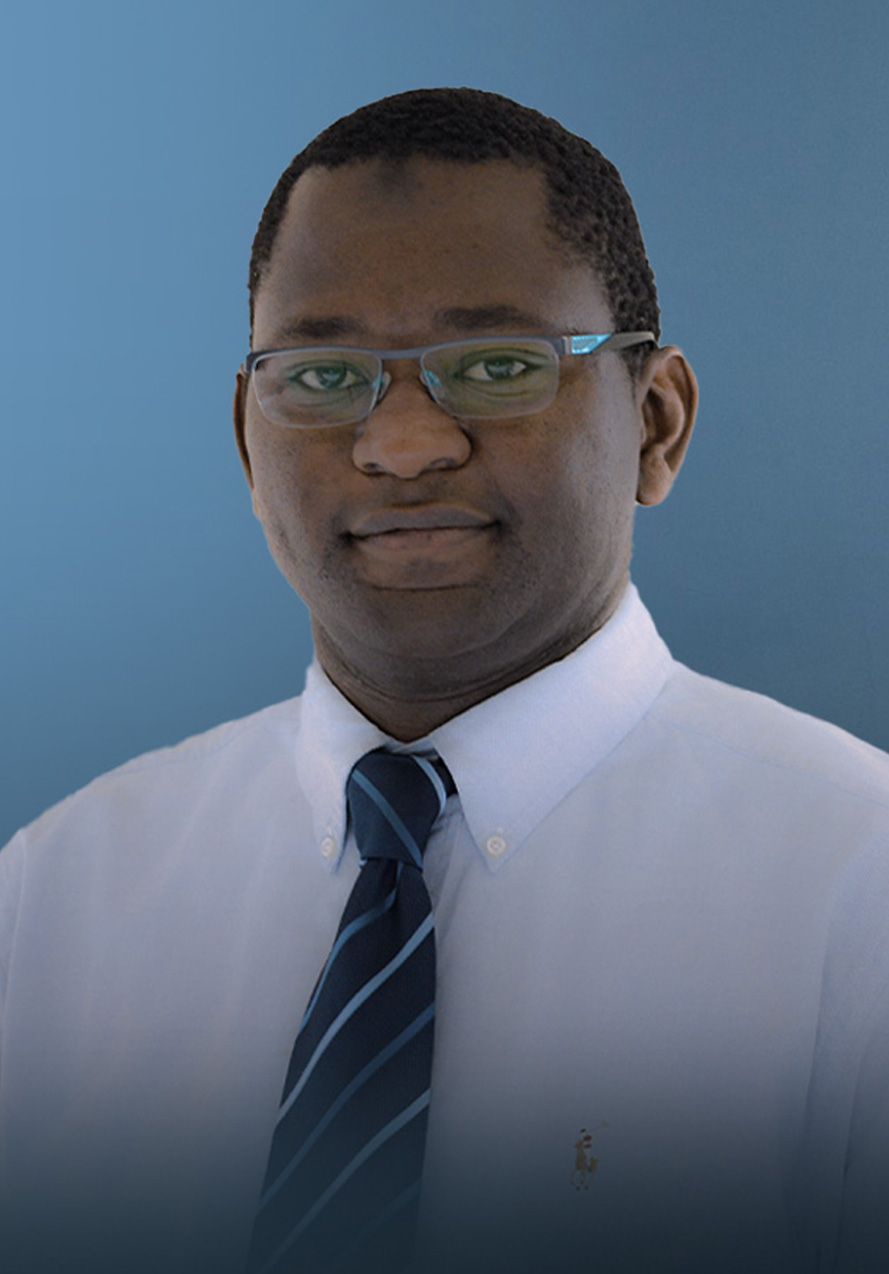
Mouhamadou Moustapha Ly
Economist, African Department of the International Monetary Fund (IMF)
Currently economist within the African Department of the International Monetary Fund in Washington DC, where he works on East African economies on various macroeconomic policy subjects and surveillance, he is also an affiliate professor of economics at Mohamed-6 Polytechnic university in Rabat (Morocco). Prior to that, Mouhamadou was senior economist at the Policy Center for the New South in Rabat (Morocco) working on development related issues and regional integration in the African continent. Mouhamadou also spent several years as assistant professor at Gaston Berger university in Saint-Louis (Senegal) and a lecturer at Auvergne university (France) and City university (London). He also worked as research fellow at the African Center for Statistics in the United Nations Econo ...
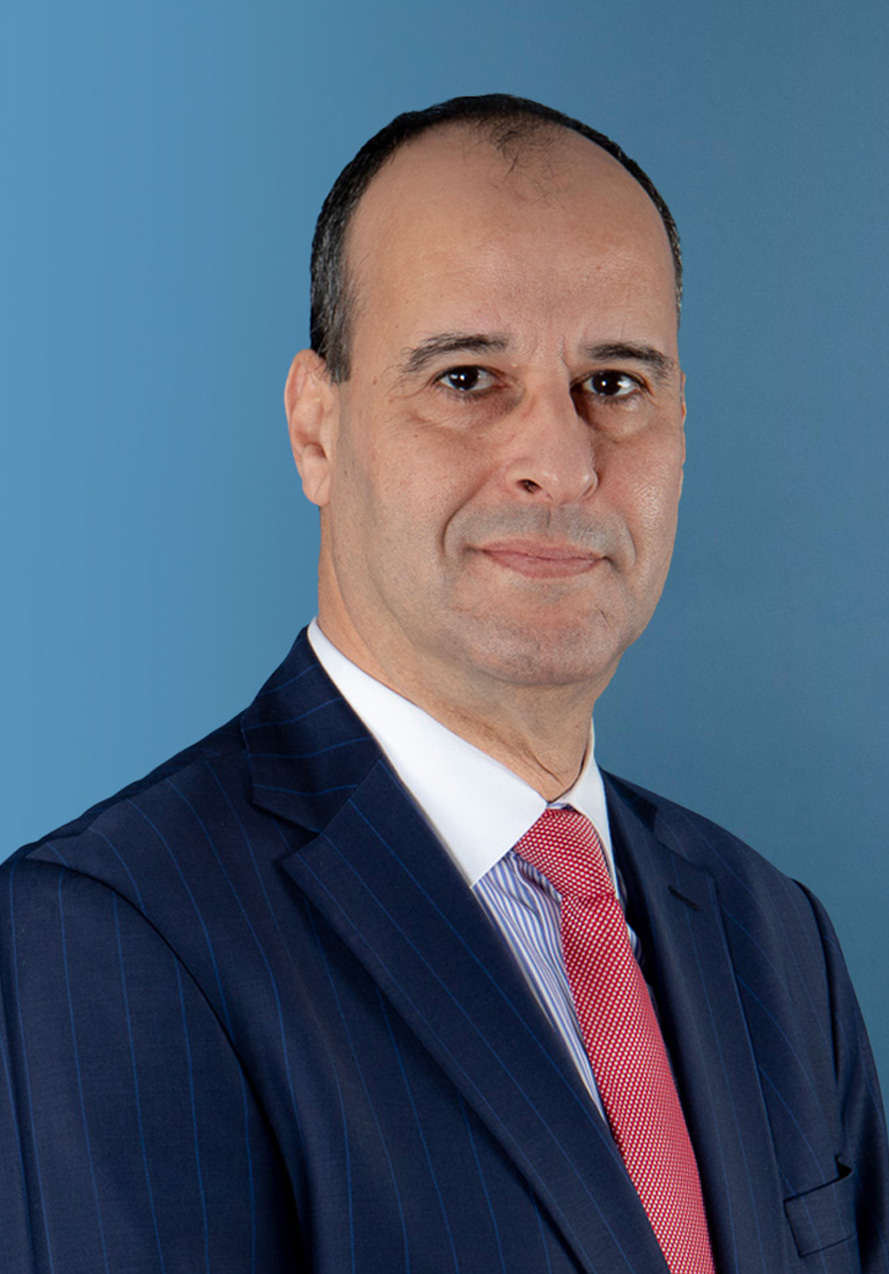
Khalid Chegraoui
Senior Fellow
Khalid Chegraoui is Senior Fellow at the Policy Center for the New South and Vice Dean of Political Sciences and International Relations at the Faculty of Governance, Economic and Social Sciences of the Mohammed VI University.  He began his teaching and research career in 1992 as a Research Assistant Professor at Sidi Mohammed Ben Abdallah University in Fez after earning his first doctorate in African Studies from the Mohammed V University in Rabat focusing on West Sub-Saharan Africa. He also earned a Doctorate of State in African Studies from the same University in 2002, where he focused on Contemporary West Africa, in 2003 he became Professor of History and Political Anthropology at the Institute of African Studies, Mohammed V University, consultant on African and Midd ...
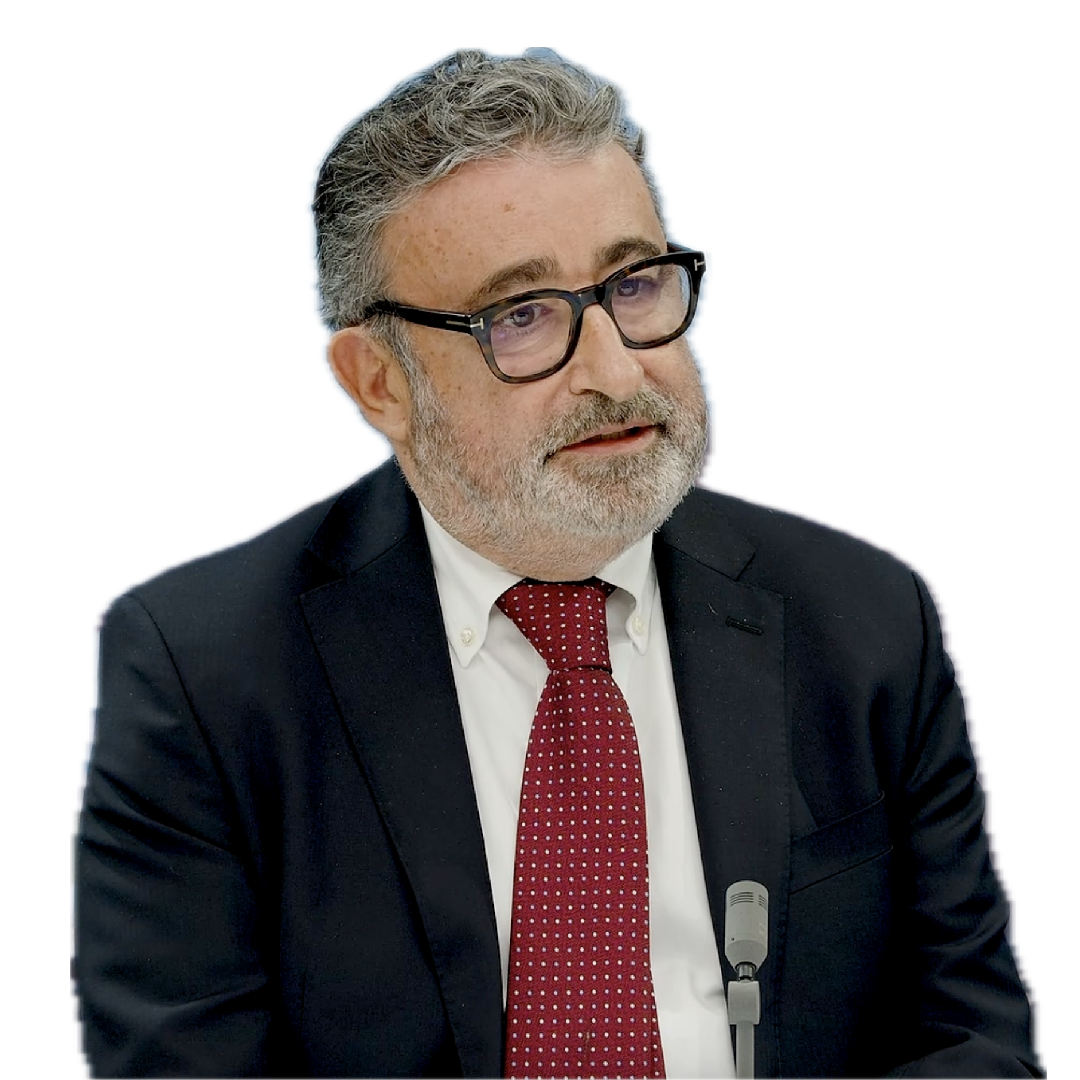
Luigi Narbone
Director, Mediterranean Platform & Professor of Practice, Luiss Guido Carli University
...

RELATED CONTENT

  • Authors
    Under the Supervision of
    Philippe Chalmin
    July 4, 2016
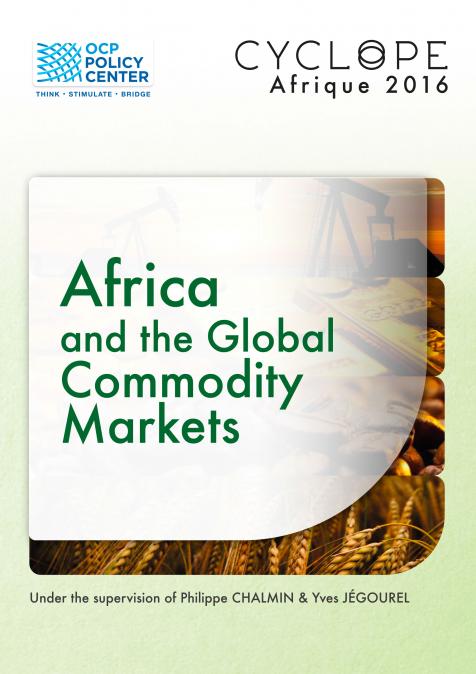
    Guinea’s bauxite, Moroccan phosphates, Nigerian Bonny Light, Zambian copper, Côte d'Ivoire’s cocoa, Ethiopian coffee or Madagascar’s vanilla: all are examples demonstrating that raw materials have a dimension that is as global as it is local. Global by the markets on which they are traded, local by their quality, a key element of their price, and their macroeconomic impact, particularly for Africa. In line with the 2016 CyclOpe report, which celebrates three decades of existence thi ...
  • Authors
    June 28, 2016
    Geographically, Egypt is located at the crossroads of several areas that are sometimes homogeneous and other times contradictory. These areas offer Egypt multiple opportunities to position itself in the region and in the world. However, the country is forced to manage its neighborhood’s contradictions. Historically, Egypt has inherited a past leadership that it is unable to maintain in absence of adequate leverage capacity. Its current resources and problems handicap its dream of re ...
  • Authors
    Karim EL Mokri
    June 21, 2016
    Le bassin Atlantique occupe une place stratégique dans l’économie mondiale vu le poids systémique que représente la partie Nord de la région. Néanmoins, cet espace demeure très hétérogène avec des écarts importants entre les économies qu’il englobe. Les analyses menées dans ce Brief montrent également le manque de synchronisation du cycle économique entre les pays de la région mais surtout le faible degré d’intégration commerciale et financière de la partie africaine du bassin. En o ...
  • Authors
    June 16, 2016
    L’écart entre filles et garçons en termes de scolarisation, au Maroc, a longtemps préoccupé tant les académiciens que les décideurs. En revanche, très peu d’études se sont penchées sur l’analyse de cet écart sous une toile de fond quantitative. Ce présent travail s’intéresse à l’écart genre en termes d’acquis scolaires en lecture. La finalité étant de mettre en exergue les facteurs influençant les différences de performance entre les genres ainsi que leur ampleur. Pour ce faire, une ...
  • Authors
    June 10, 2016
    Après avoir enregistré des baisses considérables au cours de l'année 2015, les prix des matières premières non renouvelables ont repris de la vigueur sur les quatre premiers mois de l'année 2016 avec, à la clé, une question essentielle pour nombre de pays et d'acteurs économiques : novembre 2015 peut-il être considéré comme le point bas du cycle permettant de croire à une reprise, sinon soutenue, du moins durable des marchés ? L'hypothèse semble raisonnable, mais les développements ...
  • Authors
    June 10, 2016
    De nombreux auteurs tentent de décrypter le sens de la politique russe dans ses relations avec le monde d'aujourd’hui. Le mot d’Obama qualifiant la Russie de puissance régionale avait de quoi provoquer les élites politiques russes qui développent une autre image de la place de leur pays dans le monde d’aujourd’hui. Il se dégage bien un relatif consensus des élites russes sur la nécessaire grandeur de la Russie. De fait, on comprend à travers les derniers événements que se faire rec ...