Why Think tanks Matter in Africa 2020

January 30, 2020

The Policy Center for the New South hosted a "Why Think Tanks Matter in Africa", in the framework of the annual Why Think Tanks Matter Forum, organized by the Think Tanks and Civil Societies Program (TTCSP). The Why Think Tanks Matter events serve not only to demonstrate the value and importance of think tanks around the world but also to highlight their instrumental role for determining in an early stage the new challenges that countries may face in various political and economic contexts. In this edition, speakers discussed the critical work think tanks perform in Africa according to their expertise.

Speakers
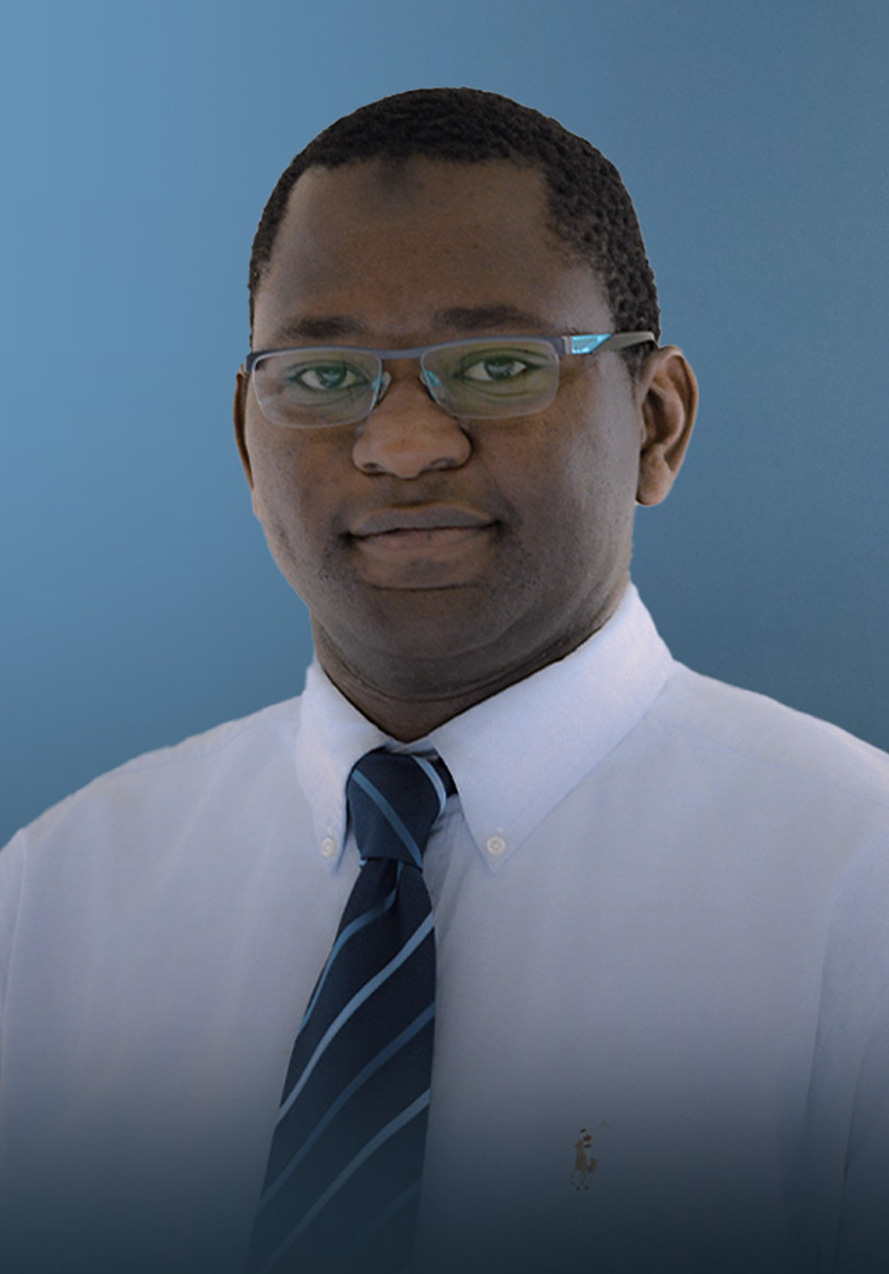
Mouhamadou Moustapha Ly
Economist, African Department of the International Monetary Fund (IMF)
Currently economist within the African Department of the International Monetary Fund in Washington DC, where he works on East African economies on various macroeconomic policy subjects and surveillance, he is also an affiliate professor of economics at Mohamed-6 Polytechnic university in Rabat (Morocco). Prior to that, Mouhamadou was senior economist at the Policy Center for the New South in Rabat (Morocco) working on development related issues and regional integration in the African continent. Mouhamadou also spent several years as assistant professor at Gaston Berger university in Saint-Louis (Senegal) and a lecturer at Auvergne university (France) and City university (London). He also worked as research fellow at the African Center for Statistics in the United Nations Econo ...
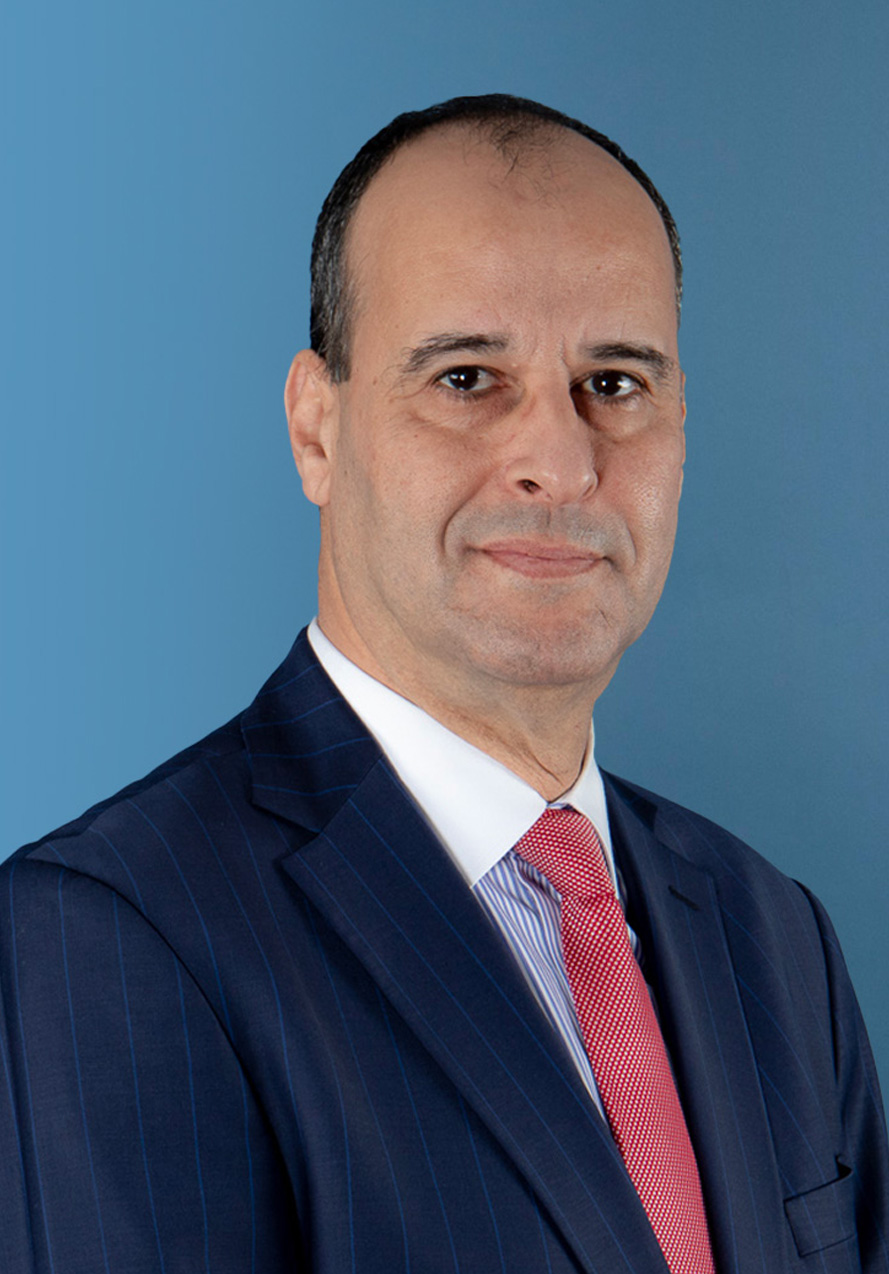
Khalid Chegraoui
Senior Fellow
Khalid Chegraoui is Senior Fellow at the Policy Center for the New South and Vice Dean of Political Sciences and International Relations at the Faculty of Governance, Economic and Social Sciences of the Mohammed VI University.  He began his teaching and research career in 1992 as a Research Assistant Professor at Sidi Mohammed Ben Abdallah University in Fez after earning his first doctorate in African Studies from the Mohammed V University in Rabat focusing on West Sub-Saharan Africa. He also earned a Doctorate of State in African Studies from the same University in 2002, where he focused on Contemporary West Africa, in 2003 he became Professor of History and Political Anthropology at the Institute of African Studies, Mohammed V University, consultant on African and Midd ...
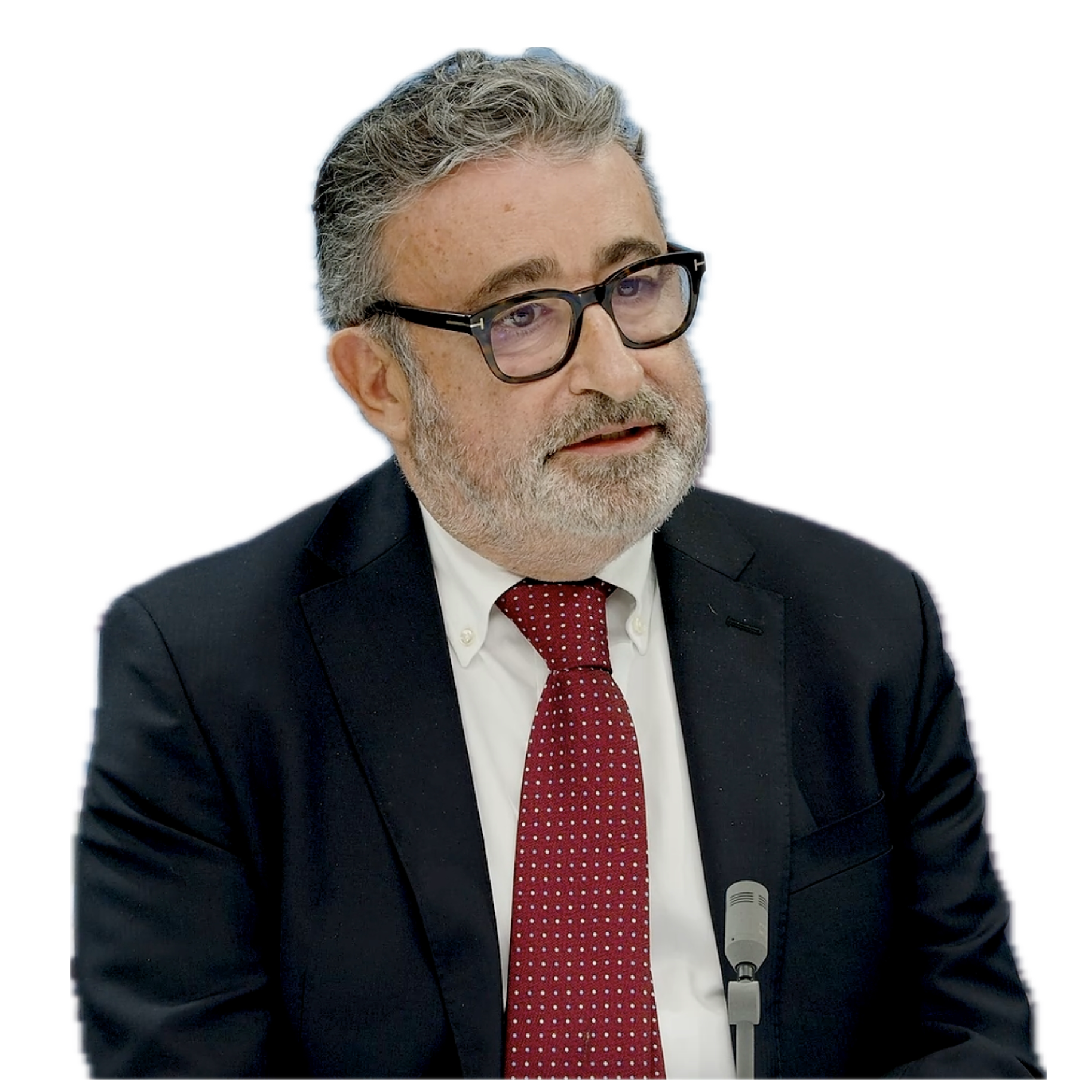
Luigi Narbone
Director, Mediterranean Platform & Professor of Practice, Luiss Guido Carli University
...


RELATED CONTENT

  • Authors
    February 17, 2026
    La Marche Verte fait partie de ces moments féconds qui n’ont pas cessé d’influer sur le cours des événements politiques du Maroc, par la place qu’elle a prise, dès le départ, dans la longue durée, le contexte dans lequel elle s’est déployée, la logique des interactions dans laquelle elle s’est inscrite par ses causes et ses effets, et comme une des figures éclatantes du récit national. ...
  • February 13, 2026
    Le général Olivier Tramond analyse la réduction de la présence militaire française en Afrique comme un changement stratégique profond plutôt qu’un renoncement. Au-delà des coups d’État et ...
  • Authors
    Amine Ghoulidi
    February 5, 2026
    This Paper was originally published on orient-online.com  The Western Mediterranean’s exposure to the Sahel is usually framed in terms of security spillovers and crisis management. This paper argues that this framing misreads how Sahelian access conditions now shape Mediterranean integration. Morocco’s Atlantic Initiative is a state-led corridor strategy combining Atlantic port infrastructure, inland transit routes, and energy systems to connect landlocked Sahelian economi ...
  • January 29, 2026
    Le Mali, le Burkina Faso et le Niger, réunis au sein de l’Alliance des États du Sahel (AES), affirment l’ambition de bâtir une souveraineté nationale qui leur permettrait de s’émanciper de la domination et des influences extérieures et de se doter d’une liberté d’action dans les choix de développement politique et économique. Cependant, cette ambition se heurte à de nombreuses contraintes économiques et sécuritaires.La souveraineté ne peut se construire sans une base économique soli ...
  • Authors
    January 27, 2026
    This paper revisits Big Push industrialization theory in the context of open economies deeply integrated into global value chains (GVCs). While classical Big Push models emphasize demand complementarities and coordination failures in largely closed economies, many middle-income countries now industrialize through foreign-owned, import-intensive production networks. We develop an extended Big Push framework that incorporates GVC integration and import leakage, and show how these feat ...
  • January 23, 2026
    This episode of AfriCAFÉ examines how Africa’s development aid landscape is shifting amid major cuts by traditional donors and changing global priorities. Through a discussion with Stephen Klingebiel and Andrew Sumner, it questions whether aid has truly driven development or fostered de...
  • Authors
    January 23, 2026
    Introduction: COP30 as a Test of Reality, Not AmbitionCOP30 in Belém was never going to be a breakthrough. In a world marked by fiscal exhaustion, geopolitical rivalry, and eroding trust in multilateralism, expecting transformational climate cooperation bordered on denial. The choice of the Amazon as host carried symbolic weight, but symbolism does not override power, interests, or institutional capacity.The outcome of COP30 confirms a deeper truth: the global climate regime has ent ...