Repenser le dialogue économique entre experts et citoyens

June 25, 2026

Les politiques économiques influencent directement le quotidien des citoyens, mais leur complexité alimente souvent distance, incompréhension et méfiance. Face à la désinformation et au manque de transparence, il devient essentiel de renouveler les formes de dialogue entre experts, décideurs et citoyens. Les outils numériques, les espaces participatifs et les démarches de vulgarisation peuvent contribuer à rendre les débats économiques plus accessibles et plus ouverts. Intégrer les perceptions, besoins et expériences des citoyens permettrait aussi de concevoir des politiques plus pertinentes, mieux comprises et mieux acceptées. Repenser ce dialogue constitue ainsi un levier pour renforcer la confiance, la participation publique et la résilience des décisions économiques.

Speakers
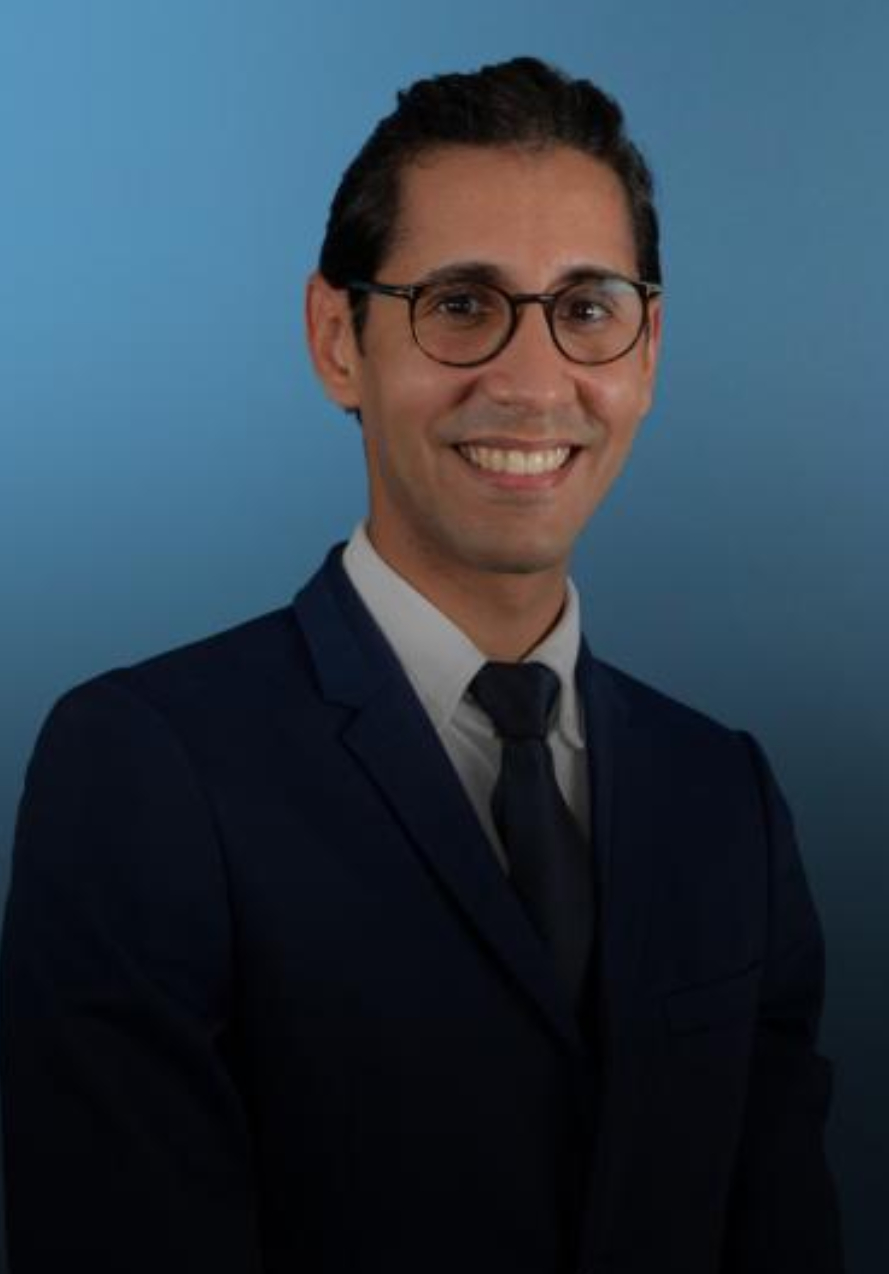
Ahmed Ouhnini
Economist, Policy Center for the New South
Ahmed Ouhnini is an Economist at the Policy Center for the New South. His research area covers agricultural economics, human and social development. Previously, he has worked as a researcher at the Paris School of Economics (PSE) and has also a record of working in consulting services in Morocco. Ahmed holds an engineering Diploma in Agriculture and Rural Development from the National School of Agriculture of Meknes and a Master’s Degree in Law, Economics and Management from the Paris 1 Pantheon Sorbonne Institute of Development. ...

RELATED CONTENT

  • Authors
    May 10, 2018
    The April issue of the IMF’s “World Economic Outlook (WEO)” included a chapter on how globalization has helped knowledge from technology leaders spread faster than before. Cross-border technological diffusion has not only contributed to rising domestic productivity levels in advanced and emerging economies, but also facilitated a partial reshaping of the technological innovation landscape, with some recipients becoming new significant sources of research and development (R&D) an ...
  • Authors
    Thomas Pereira da Silva
    March 7, 2018
    This proposal seeks to contribute to reduce, in a cost-effective way, Morocco’s unusually high, persistent and growing unemployment level for university graduates1. It complements and enhances the existing Université Internationale de Rabat (UIR) Public-Private Partnership (PPP). Tertiary enrolment in Morocco has been increasing above what seems to be labor market absorptive capacity. Over the past decade, the share of the unemployed with university degrees as a percentage of total ...
  • Authors
    August 31, 2016
    Following the adoption of the Sustainable Development Goals in 2015, we published part 1 of this policy series, presenting a comprehensive analytical and predictive model explaining the key factors leading to failure or success of DRM strategies in Africa. In part 2, we provide concrete illustrations of actionable solutions in order to help policy leaders implement DRM successfully for effective delivery of the SDGs. ...
  • Authors
    June 16, 2016
    L’écart entre filles et garçons en termes de scolarisation, au Maroc, a longtemps préoccupé tant les académiciens que les décideurs. En revanche, très peu d’études se sont penchées sur l’analyse de cet écart sous une toile de fond quantitative. Ce présent travail s’intéresse à l’écart genre en termes d’acquis scolaires en lecture. La finalité étant de mettre en exergue les facteurs influençant les différences de performance entre les genres ainsi que leur ampleur. Pour ce faire, une ...
  • Authors
    May 20, 2016
    The 2015-2030 strategic vision innovates the Moroccan educational system. Unlike previous reforms, this vision addresses problems that have long been ignored. Among these problems is the quality of education. Although educational quality may have been included in previous reform programs, it is considered as one of the priorities in this new vision. The purpose of this Policy Brief is to assess the status of learning achievement, which is an integral part of educational quality, of ...
  • From

    30
    5:30 pm June 2026
    في هذه الحلقة، نناقش دور الشباب المغربي في مواجهة التغير المناخي، من خلال إبراز مساهماتهم في العمل المناخي والتحديات التي تعيق تأثيرهم في صناعة القرار. كما نسلط الضوء على تقاطع المناخ مع قضايا الأمن والتنمية، وعلى أهمية تمكين الشباب وإشراكهم بشكل فعلي في بلورة سياسات مناخية أكثر استدامة وشمولاً. وتطرح الحلقة سؤال الانتقال من المشاركة الرمزية إلى التأثير الحقيقي في السياسات العمومية. كما تؤكد أن مواجهة التغير المناخي مسؤولية جماعية تتطلب تعبئة طاقات الشباب والمؤسسات والمجتمع المدني ...