Repenser le dialogue économique entre experts et citoyens

June 25, 2026

Les politiques économiques influencent directement le quotidien des citoyens, mais leur complexité alimente souvent distance, incompréhension et méfiance. Face à la désinformation et au manque de transparence, il devient essentiel de renouveler les formes de dialogue entre experts, décideurs et citoyens. Les outils numériques, les espaces participatifs et les démarches de vulgarisation peuvent contribuer à rendre les débats économiques plus accessibles et plus ouverts. Intégrer les perceptions, besoins et expériences des citoyens permettrait aussi de concevoir des politiques plus pertinentes, mieux comprises et mieux acceptées. Repenser ce dialogue constitue ainsi un levier pour renforcer la confiance, la participation publique et la résilience des décisions économiques.

Speakers
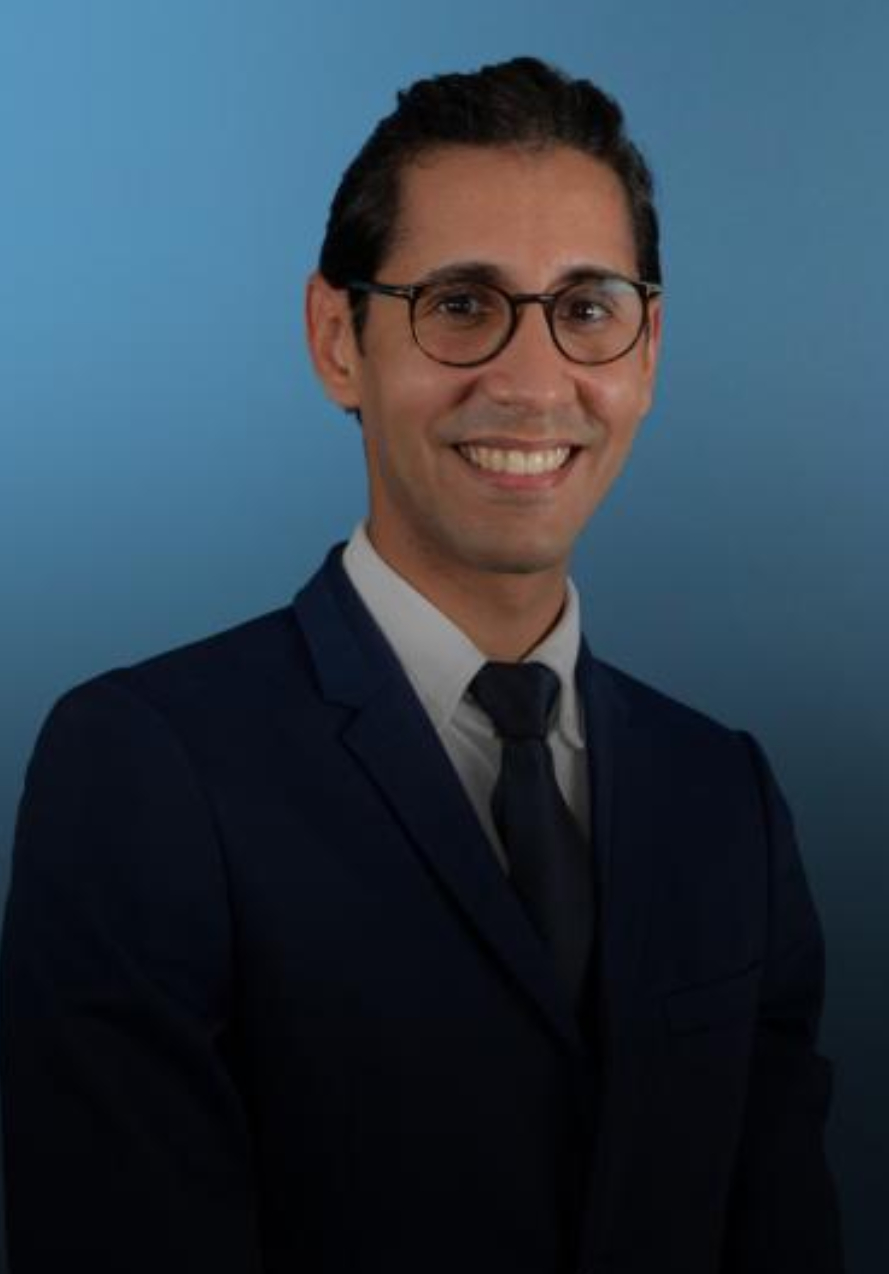
Ahmed Ouhnini
Economist, Policy Center for the New South
Ahmed Ouhnini is an Economist at the Policy Center for the New South. His research area covers agricultural economics, human and social development. Previously, he has worked as a researcher at the Paris School of Economics (PSE) and has also a record of working in consulting services in Morocco. Ahmed holds an engineering Diploma in Agriculture and Rural Development from the National School of Agriculture of Meknes and a Master’s Degree in Law, Economics and Management from the Paris 1 Pantheon Sorbonne Institute of Development. ...

RELATED CONTENT

  • June 26, 2023
    L’amélioration de la qualité des apprentissages constitue un défi majeur pour le système éducatif marocain. D’après de nombreuses évaluations, aussi bien qualitatives que quantitatives, le Maroc se place parmi les pays les moins performants en matière de qualité des acquis scolaires. Un autre aspect des faibles réalisations du pays au niveau des tests internationaux est le poids des élèves dits « peu performants1 », et considérés comme particulièrement à risque. L’importance de ce ...
  • October 19, 2022
    La place de l'intelligence artificielle (IA) dans notre vie quotidienne est de plus en plus importante. Ayant connu un essor considérable durant les dernières années, l’intelligence artificielle correspond aux technologies capables de traiter des sources hybrides et notamment des données non structurées. Ainsi, des tâches complexes sont déléguées à des procédés technologiques de plus en plus autonomes, en mesure d’impulser le développement économique et social du Maroc ...
  • April 25, 2022
    Retrouvez en exclusivité l’interview de Abdelhak Bassou, Senior Fellow au Policy Center for the New South, qui se livre à Helmut Sorge, Columnist au Policy Center for the New South, au sujet des multi-disparités présentes en Afrique. Abdelhak Bassou est l’auteur du Chapitre 5 du rapport...
  • Authors
    Abdelmounaim Fanidi
    April 19, 2022
    Suivant une analyse réaliste des relations internationales, des ‘facteurs objectifs’ ont été longtemps mis en avant pour expliquer le blocage de l’intégration régionale au Maghreb (e.g. le conflit du Sahara). Par une approche constructiviste, cet article a pour vocation d’analyser un facteur subjectif susceptible de freiner ou favoriser l’intégration maghrébine, en l’occurrence les identités nationales. Il se focalisera sur « les discours primordialistes ». Autrement dit, les discou ...
  • April 13, 2022
    Le Policy Center for the New South et le Centre pour l’Intégration en Méditerranée organisent un webinaire sur le thème « Le nexus éducation-compétences-mobilité » le mercredi 13 avril 2022 à 12:00 GMT/14:00 CET. La mobilité dans toutes ses ...
  • Authors
    Alessandro Minuto-Rizzo
    Bernardo Sorj
    Frannie Léautier
    Iskander Erzini Vernoit
    Kassie Freeman
    Nathalie Delapalme
    J. Peter Pham
    March 7, 2022
    The COVID-19 pandemic has had a huge impact on the global economy and has challenged the best minds to rethink how to design and implement an effective recovery. Countries in the wider Atlantic region have exhibited differential trajectories in traversing the pandemic. A number of countries in Europe succeeded in vaccinating most of their eligible populations, enabling life to return somewhat to normal. A smaller group of countries in Europe could manage infection rates even more ti ...
  • Authors
    Nassim Hajouji
    February 15, 2022
    Using education and elite configurations as the main variables of analysis, this Policy Paper aims to show how higher levels of popular sector incorporation during elite conflicts, namely in the process of formulating and implementing policies related to education reforms, can negatively affect the economic complexity of developing countries. To do so, it analyzes the experiences of Mauritius and Singapore and links foundational political economy theories, particularly developmental ...
  • March 5, 2021
    For the last 70 years, the social order in Europe has been based on the concept and practice of inter-generational solidarity. The welfare state granted every citizen, in addition to education and universal health services (and dependency care when needed in the most advanced welfare states), an old-age pension, which ensures that older generations do not suffer a huge income loss when retiring from work and are protected against insecurity. Population aging means that now, accordin ...
  • Authors
    Hanae Bezad
    Maximo Plo Seco
    Roger Hilton
    December 10, 2020
    The Atlantic basin faces considerable challenges on multiple fronts. Financial and economic struggles, coupled with political shifts and social turmoil, are reshaping the region’s geopolitical landscape. Unemployment, poverty, violence, migration, extremism, climate change and other problems are on the rise and the need to tackle them effectively is pressing. To find adequate solutions to these challenges, it is crucial to create inclusive discussions between the North and the Sout ...
  • Authors
    September 11, 2020
    Latin American and Caribbean economies need help, but organizations like the IDB are also stretched thin. First appeared at Americas Quarterly With Latin America and the Caribbean potentially facing years of difficulties due to the pandemic and related economic crises, attention has shifted to what multilateral institutions like the International Monetary Fund (IMF) might do to help. There’s no doubt they can play a crucial role in preventing another lost decade in the region. But ...