The Future of Central Banking: Crypto, AI, and Monetary Policies

January 13, 2026

Central banks are facing a new era where crypto and AI are reshaping how money is managed. Traditional monetary policies are evolving to meet these technological and financial challenges. This episode explores the risks, opportunities, and innovations redefining the future of finance. Discover how technology is transforming the heart of global economic decision-making.

Speakers
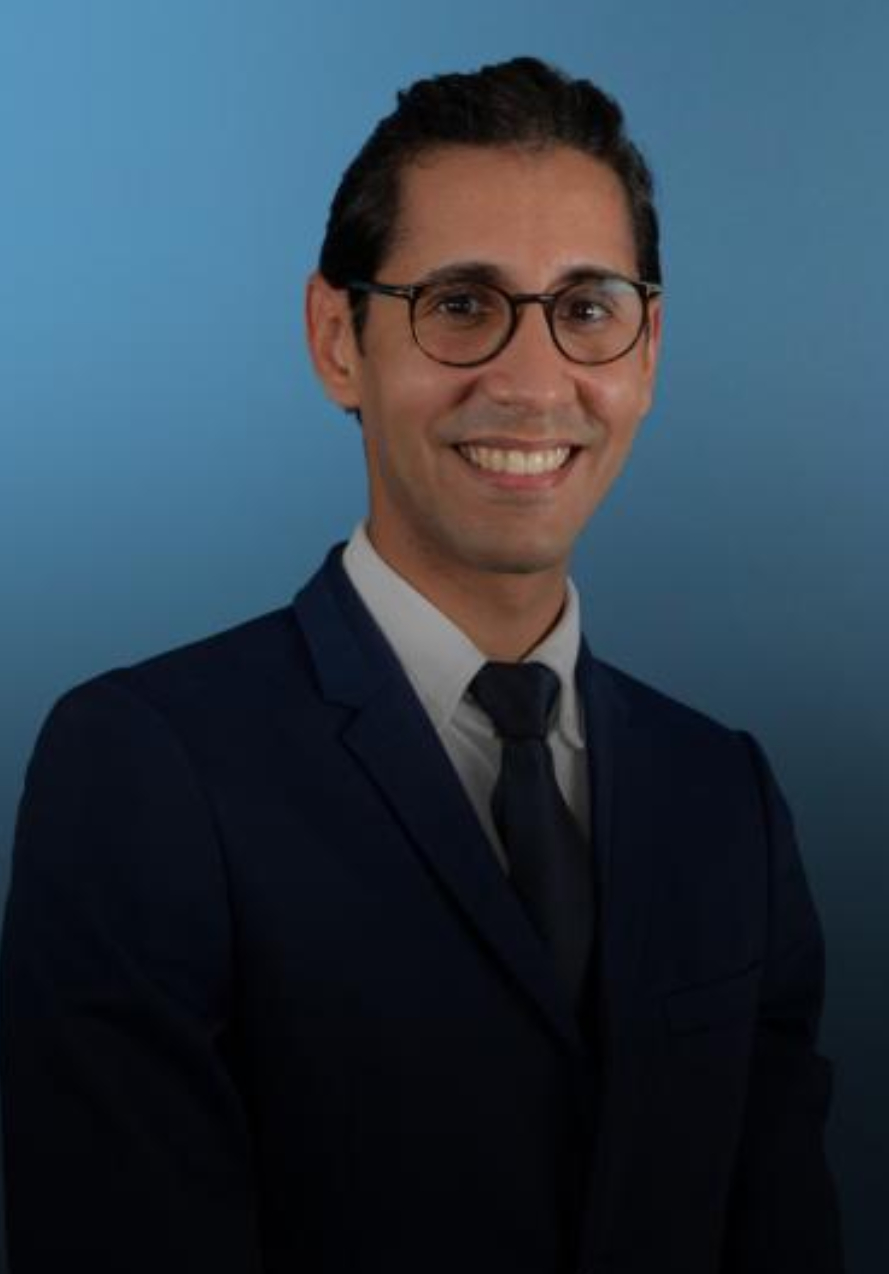
Ahmed Ouhnini
Economist, Policy Center for the New South
Ahmed Ouhnini is an Economist at the Policy Center for the New South. His research area covers agricultural economics, human and social development. Previously, he has worked as a researcher at the Paris School of Economics (PSE) and has also a record of working in consulting services in Morocco. Ahmed holds an engineering Diploma in Agriculture and Rural Development from the National School of Agriculture of Meknes and a Master’s Degree in Law, Economics and Management from the Paris 1 Pantheon Sorbonne Institute of Development. ...

Otaviano Canuto
Senior Fellow
Senior Fellow at the Policy Center for the New South, Affiliate Professor at Mohammed VI Polytechnic University and Non-Resident Senior Fellow at Brookings Institute. Former Vice President and Executive Director at the World Bank, Executive Director at the International Monetary Fund (IMF) and Vice President at the Inter-American Development Bank. ...

RELATED CONTENT

  • June 4, 2020
    Jeunesse et Covid-19 : Les défis de l’emploi en Afrique du Nord (Langue : Français) Le Policy Center for the New South, en partenariat avec le Fonds Monétaire International (FMI), organise un webinaire sous le thème « Jeunesse et Covid-19 : les défis de l’emploi en Afrique du Nord », et...
  • June 2, 2020
    بعد تفشي فيروس كورونا المستجد في جل مناطق العالم، اختلفت طرق التصدي له من دولة إلى أخرى. حيث اعتمدت الدول قرارات متفاوتة من حيث الصرامة في ظل الحد من تفشي هذا الوباء. وفي نفس الصدد، اتُخذت عدة قرارات لدعم المواطنين لكي يتاح لهم المرور من هذه الأزمة بأقل الأضرار الممكنة حيث تم الاعتماد ب...
  • June 1, 2020
    تدور خطة العمل التي تم وضعها في مواجهة جائحة كوفيد 19 حول ثلاثة محاور: الصحة والاقتصاد والنظام الاجتماعي. وفي كل مجال من هذه المجالات، ساعدت مبادرات المؤسسات العامة والقطاع الخاص وأعضاء المجتمع المدني حتى الآن على الحد من أضرار الوباء على الصعيد الصحي، تسعى الجهود المبذولة إلى التحكم في انتشار المرض من أجل ضمان احتواء المنظومة الصحية لتدفق الحالات بشكل أفضل، خصوصا بالنظر إلى الموارد المحدودة والموزعة بشكل متفاوت على مستوى التراب الوطني. وقد تم إعطاء الأولوية في هذا السياق إلى الزيا ...
  • Authors
    منى فياض
    May 21, 2020
    تم نشر هذا المقال في الأصل على موقع قناة الحرة طرح هذا الكتاب باكرا مواضيع النقاش المثارة حاليا، إثر اجتياح فيروس كورونا العالم، ودور الصين في التسبب به. أثارت الصين إعجاب كثيرين بفيديوهاتها وحركاتها التسويقية لتعاملها مع الوباء، من الروبوت الذي يحمل الوجبات للمحجورين، إلى قدرتها في السيطرة عليه ومساعدتها لإيطاليا في محنتها ولغيرها من البلدان فكرة الكتاب التي جمعت بين متخصص في الذكاء الاصطناعي وسياسي مهتم بالعلوم، جاءت كنوع من تحذير حول خطورة الوضع بانتظار الكارثة المقبلة التي ست ...
  • Authors
    منى فياض
    May 21, 2020
    تم نشر هذا المقال في الأصل على موقع قناة الحرة يقول یووال نوح هراري إن نمو الذكاء الاصطناعي والتقنيات البيولوجية قد يؤدي إلى إنتاج طبقة من "رجال متفوقين" يحكمون العالم ويحولون باقي البشر إلى "طبقة غير نافعة" (كتاب 21 مسألة للقرن الـ 21). كما تنبأ بأن التقدم العلمي سوف يولد لامساواة غير مسبوقة في التاريخ داخل المجتمعات، لكن أيضا بين الأمم. سوف تزداد الهوة بين البلدان الصناعية التي تسيطر على التكنولوجيا وتلك المحرومة منها، بل سوف لن تردم لاحقا. لاحقا، جاء تصريح الرئي ...
  • Authors
    May 21, 2020
    Our senior fellow, Otaviano Canuto, has contributed to Science Direct academic Journal, with a research paper entitled « Does the Brazilian policy for oil revenues distribution foster investment in human capital? », Volume 88, May 2020, 104760. This paper assesses the effect of oil revenues on health and education indicators (measures for human capital) in the Brazilian municipalities using exogenous oil price variations. The Oil Law of 1997, apart from to hugely increase the amoun ...
  • Authors
    Adil El Madani
    May 20, 2020
    Despite the global magnitude of the COVID-19 crisis, the response to the pandemic has mainly occurred at national level, with very poor global coordination so far. For Africa, which will provide one in four of the world’s consumers by 2050, coming out of the crisis will cost at least $100 billion. The average ratio of public revenue to GDP in African countries is only 19%, and the debt burden already absorbs 22% of that revenue, giving many African governments limited scop ...
  • April 30, 2020
    Face à la pandémie du COVID-19, un plan d’action a été établi autour de trois axes : santé, économie et ordre social. Dans chacun de ces champs, le concours des institutions publiques, du secteur privé et des membres de la société civile a permis jusque-là de limiter les dégâts et d’avoir un certain contrôle sur la pandémie. Sur le plan sanitaire, l’intervention vise une maîtrise de la progression de la maladie pour une meilleure absorption des flux par le système de santé, aux moy ...