(FR) Growth–poverty–monetary inequality nexus of Morocco

April 29, 2026

Cet épisode analyse les dynamiques du nexus croissance–pauvreté–inégalités monétaires au Maroc, en mettant en perspective la baisse significative de la pauvreté observée ces dernières années. Il interroge le rôle respectif de la croissance économique et des politiques publiques dans cette évolution. La discussion examine également le paradoxe d’une amélioration des conditions de vie sans réduction marquée des inégalités. Enfin, elle questionne les limites du modèle de croissance marocain et les enjeux d’une transformation structurelle encore inachevée.

Speakers
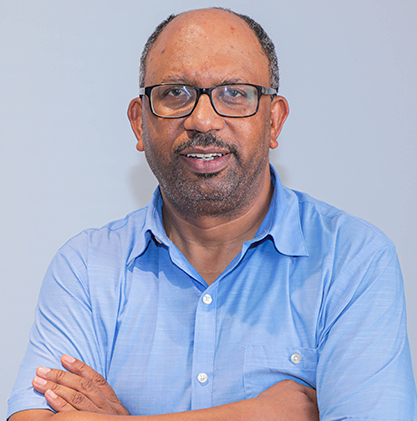
Abdelkhalek Touhami
Full Professor, Mohammed VI Polytechnic University, Rabat
Touhami Abdelkhalek is a Researcher in Applied Economics, specializing in econometrics, development and public policy analysis. Affiliated with the Africa Institute of Research in Economics and Social Sciences (AIRESS) and associated with several international centres (ERF, FEMISE, CRDE, etc.), his work focuses on modelling, economic policy evaluation, poverty, and inequality. He has published several articles in journalssuch as Review of Economics and Statistics and Applied Economics and contributed to the RDH50 report. A professor at the FGSES—UM6P since 2021, after more than 30 years at INSEA, he heads the Master’s and PhD programs in economics. He was awarded the Wissam Al Arch in 2017 and is member of the Competition Council since 2018. ...
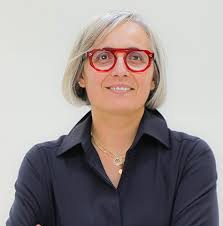
Dorothée Boccanfuso
Full Professor, Mohammed VI Polytechnic University, Rabat
Dorothée Boccanfuso is a Professor and Researcher in Development Economics,specializing in the analysis of welfare, poverty, inequality, and the evaluation of publicpolicies. She has published more than 30 articles in scientific journals such as AppliedEconomics and Revue d’économie du développement. Affiliated with AIRESS, Centreinteruniversitaire de recherche en analyse des organisations (CIRANO), and EconomicResearch Forum (ERF), she has been conducting applied research in Africa and theFrancophone countries for over 25 years. She also chaired the Expert Committee on theGuaranteed Minimum Income in Quebec (2016–2018). Professor at UM6P since 2020, sheis Vice-Dean in charge of the economic pole of the FGSES. ...
Hamza Saoudi
Senior Economist
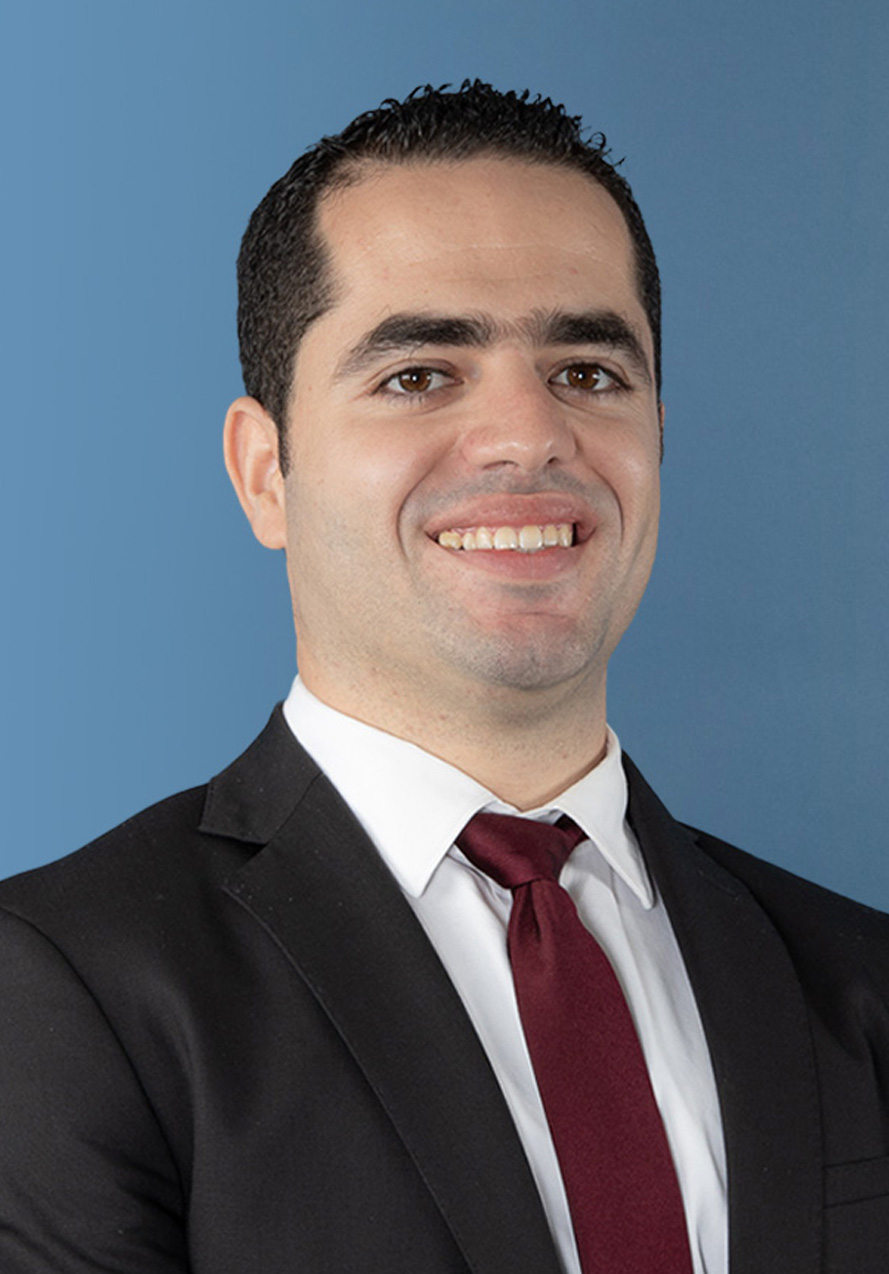
Hamza Saoudi is a Senior Economist at the Policy Center for the New South (PCNS).At the PCNS, Hamza Saoudi conducts research on labor market dynamics, social protection systems, and inclusive growth, with a particular focus on Morocco and Africa. He is also interested in macroeconomic stabilization policies, international trade, and long-term economic development.He has contributed to PCNS projects and publications addressing informality, social protection, and inequality in developing economies.He also served as the project coordinator of the Oxford Handbook of the Moroccan Economy, published by Oxford University Press in 2026.Before joining the PCNS in 2017, Hamza Saoudi contributed to the development of quantitative models for bank credit risk management.Hamza Saoudi holds ...

RELATED CONTENT

  • Authors
    Clélie Nallet
    April 23, 2018
    Since 2011 and the end of the post-election crisis, Côte d’Ivoire has returned to impressive economic growth. The country and its capital are drawing attention from a growing number of investors, and the “Abidjanian middle classes” are widely publicised and sought after. At the same time, Abidjanian consumption spaces have become particularly diversified and transformed. Abidjan provides many options for consumers who are operating in a competitive environment with a wide selection ...
  • Authors
    January 2, 2018
    Cyril Ramaphosa outpassed Dlamini Zuma in the elections for replacing Jacob Zuma at the head of the ANC. Yet, his victory does not allow him to enjoy a huge success given the short gap he has recorded against the Dlamini Zuma but also given the balance of power within the decision-making bodies. However, we must bear in mind that the current President, notoriously involved in corruption cases, is still being detracted even by his own supporters. Hence, such elements raise the questi ...
  • Authors
    Coordonné par
    Zineb Bouba
    Appui technique: Pierre-Richard Agénor
    March 9, 2017
    Dans le sillage des débats actuels sur la contribution de la femme à la création de richesses, le présent ouvrage s’essaye d’y contribuer moyennant des approches méthodologiques innovantes couvrant plusieurs champs d’analyse conciliant l’égalité de genre, les politiques publiques et la croissance économique au Maroc. Il offre, ainsi, un diagnostic exhaustif de l’évolution des inégalités de genre en termes, notamment, d'accès à l'emploi, à l'éducation, à la santé, à l'infrastructure, ...
  • July 13, 2016
    Housing is part of the United Nations 11th Sustainable Development Goal, which is to “make cities inclusive, safe, resilient and sustainable”. One of the most important targets of such a goal is to “ensure access for all to adequate, safe and affordable housing1 and basic services and upgrade slums”. Since 2007, the world has faced rising inequality, insecurity and climate change impact. According to UN Habitat, 54% of the world´s population currently live in cities. By 2050, this n ...
  • Authors
    May 20, 2016
    The 2015-2030 strategic vision innovates the Moroccan educational system. Unlike previous reforms, this vision addresses problems that have long been ignored. Among these problems is the quality of education. Although educational quality may have been included in previous reform programs, it is considered as one of the priorities in this new vision. The purpose of this Policy Brief is to assess the status of learning achievement, which is an integral part of educational quality, of ...
  • Authors
    October 27, 2015
    International trade has become a pervasive feature of our lives, yet it remains controversial and resisted across the world. High and rising income inequality, which is often blamed on international trade, especially trade with China, is one reason. But the main driver of inequality is new technology, not international trade. Although trade interacts with new technology in ways that often lead to higher inequality, trade and technology also lie at the root of economic advance. So th ...