Cet épisode revient sur les principaux défis de la politique budgétaire au Maroc, à partir du chapitre consacré au sujet dans le Oxford Handbook of the Moroccan Economy. Les intervenants soulignent le caractère largement structurel des déficits, la difficulté à sortir d’une politique budgétaire procyclique, ainsi que l’étroitesse de l’espace budgétaire face aux grandes réformes sociales et aux investissements à venir. Ils insistent enfin sur la nécessité d’élargir l’assiette fiscale, de mieux mobiliser le potentiel fiscal existant et de renforcer la gouvernance pour préserver la soutenabilité budgétaire à long terme.
Speakers
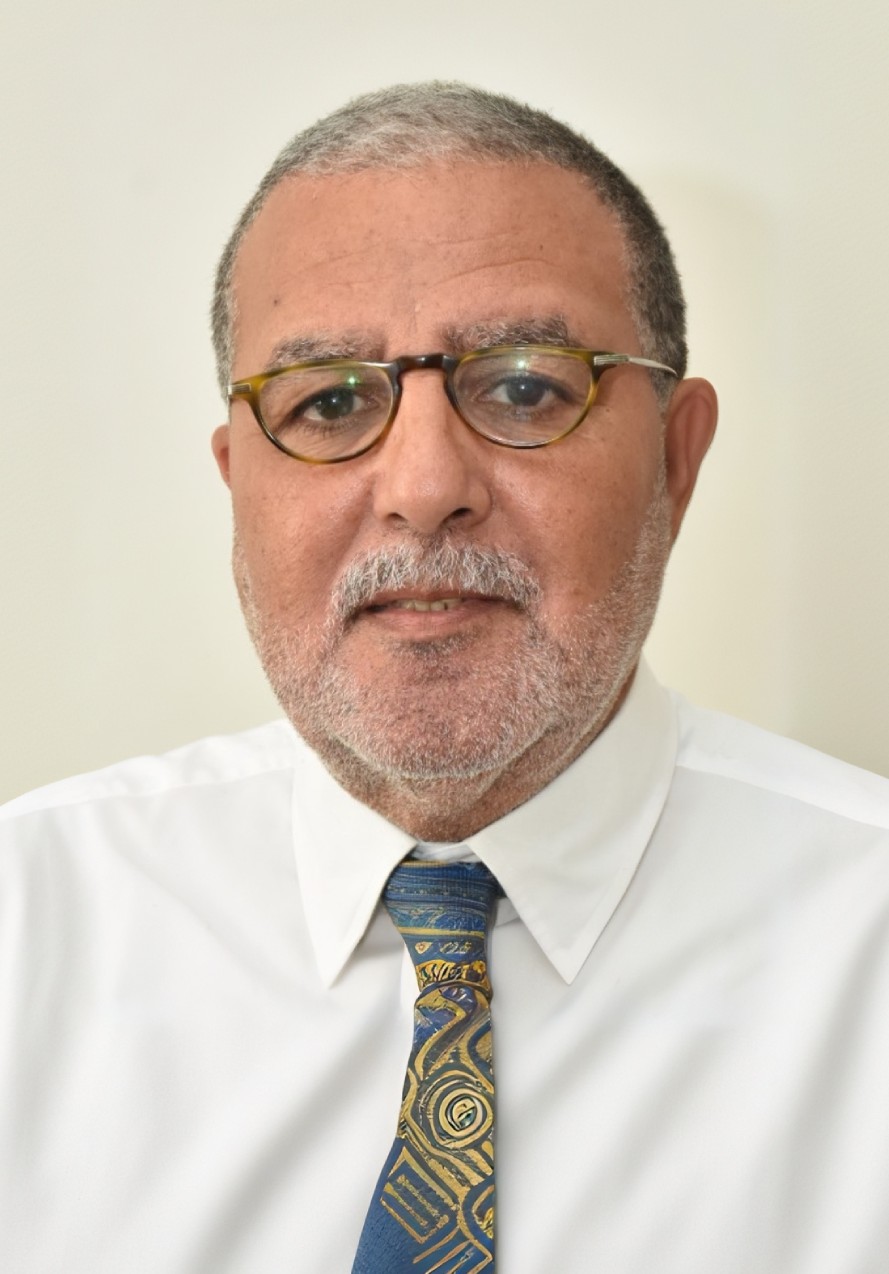
Idriss El Abbassi
Professor of economics, Mohammed V University
Idriss El Abbassi is a Professor of Economics at Mohammed V University in Rabat and coordinator of the Master’s programme in economics. He holds a PhD from Florida State University, and his research focuses on open-economy macroeconomics, growth, and structural transformation. He teaches at both the Master’s and PhD levels and is a founding member of the Laboratory of Applied Economics. A former director of the EMPRETEC/UNCTAD programme in Morocco, he has also been a visiting professor in London. He co-authored Human Capital and Economic and Social Development in Morocco and has recently published in The Economic and Labour Relations Review and Structural Change and Economic Dynamics.
...
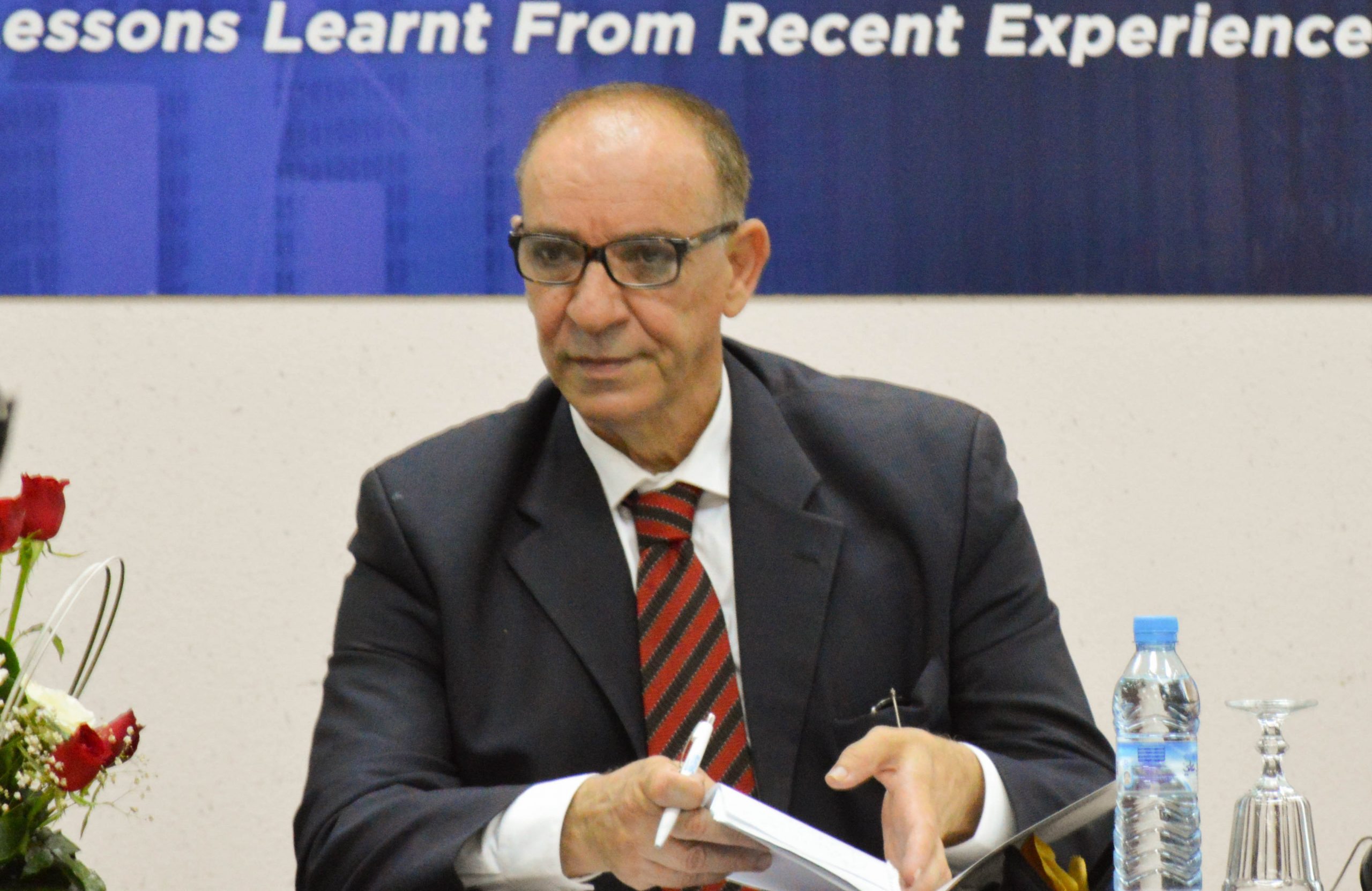
Saïd Tounsi
Professor and Researcher, Mohammed V University
Saïd Tounsi is a Professor and Researcher at Mohammed V University in Rabat. A specialistin economic policies, particularly fiscal policy, he has authored several studies onpublic debt sustainability and exchange rate regimes in developing countries. He has alsoco-edited collective volumes on macroeconomic policies in Morocco. A former trainer atthe IGF and Bank Al-Maghrib, he combines academic expertise with institutional experiencein analysing national and international economic dynamics.
...
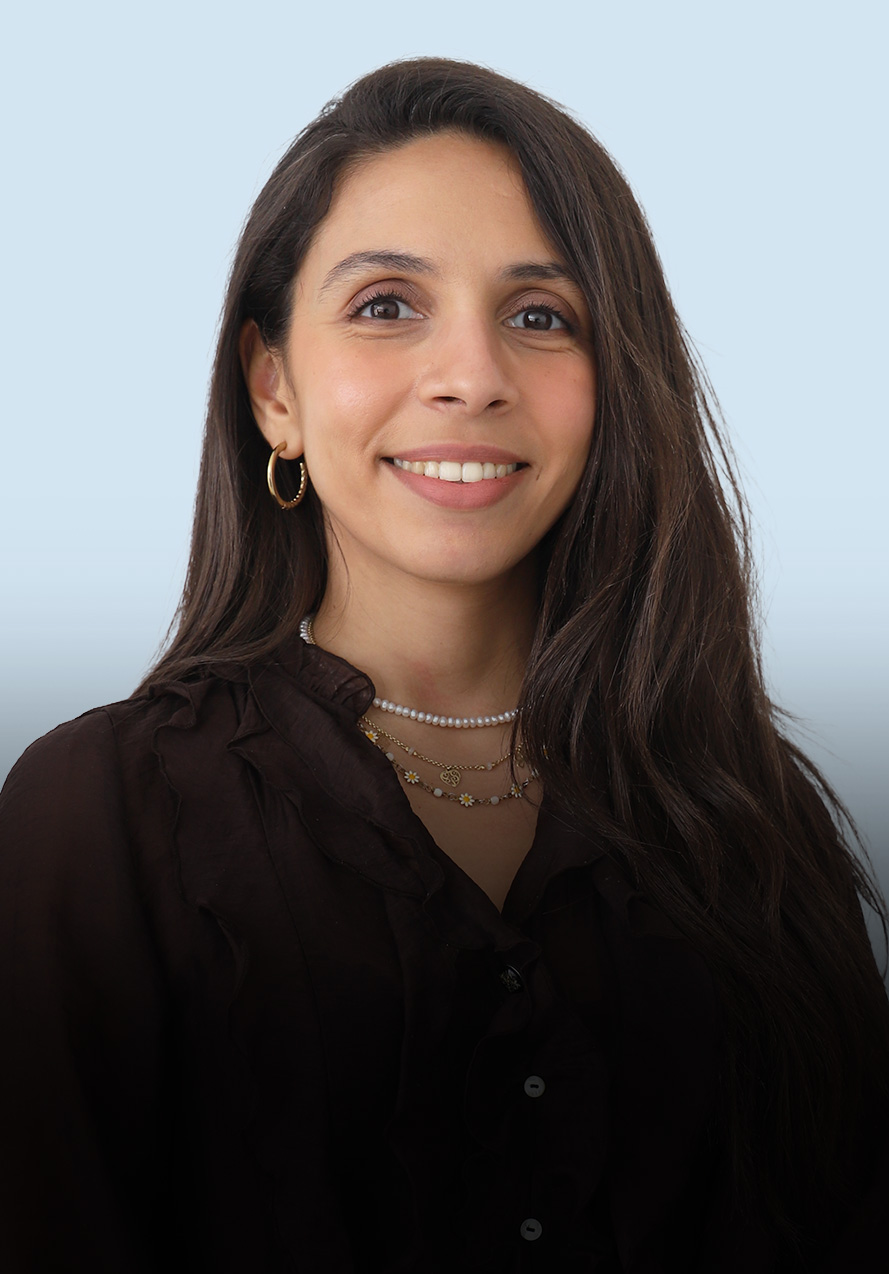
Rim Berahab
Senior Economist
Rim Berahab is Senior Economist at the Policy Center for the New South, which she joined in 2014. She is currently working on themes related to energy issues and their impacts on economic growth and long-term development. Her research areas also cover trade and regional integration challenges in Africa. Previously, she has also worked on questions related to gender inequalities in the labor market of North African countries. Rim spent three months at the International Monetary Fund (IMF), in 2016, in the Commodities Unit of the Research Department. She holds a State Engineering degree from the National Institute of Statistics and Applied Economics (INSEA).
...