Africafé: La régulation de l’intelligence artificielle en Afrique

February 22, 2024

La révolution intelligence artificielle submerge l’Afrique, en proie à d’importantes transitions. Reposant sur un processus d’imitation de l’intelligence humaine qui se base sur la création et l’application d’algorithmes, l’intelligence artificielle qui constitue le pilier de la quatrième révolution industrielle, est en mesure d’assoir l’émergence de l’Afrique, tout en accélérant la transformation de nombreux secteurs dont dépendra le futur du continent, notamment l’économie, l’agriculture, la santé, l’éducation et les services financiers. Cependant, bien que l’intelligence artificielle prend une place de plus en plus importante dans l’économie et les sociétés africaines, ses applications diverses, balbutiantes ou bien installées dans des secteurs d’activités variés, rendent sa régulation difficile au regard des enjeux industriels et éthiques qui l’accompagnent. La régulation de l’intelligence artificielle en Afrique qui consiste à encadrer le développement des technologies de l’IA, tout en favorisant l’innovation technologique, est dès lors indispensable pour éviter toute forme de dérive juridique. Si les Etats-Unis et l’UE ont un temps d’avance dans le domaine de la régulation de l’IA l’intelligence artificielle, l’Afrique compte bien rattraper son retard 
Speakers
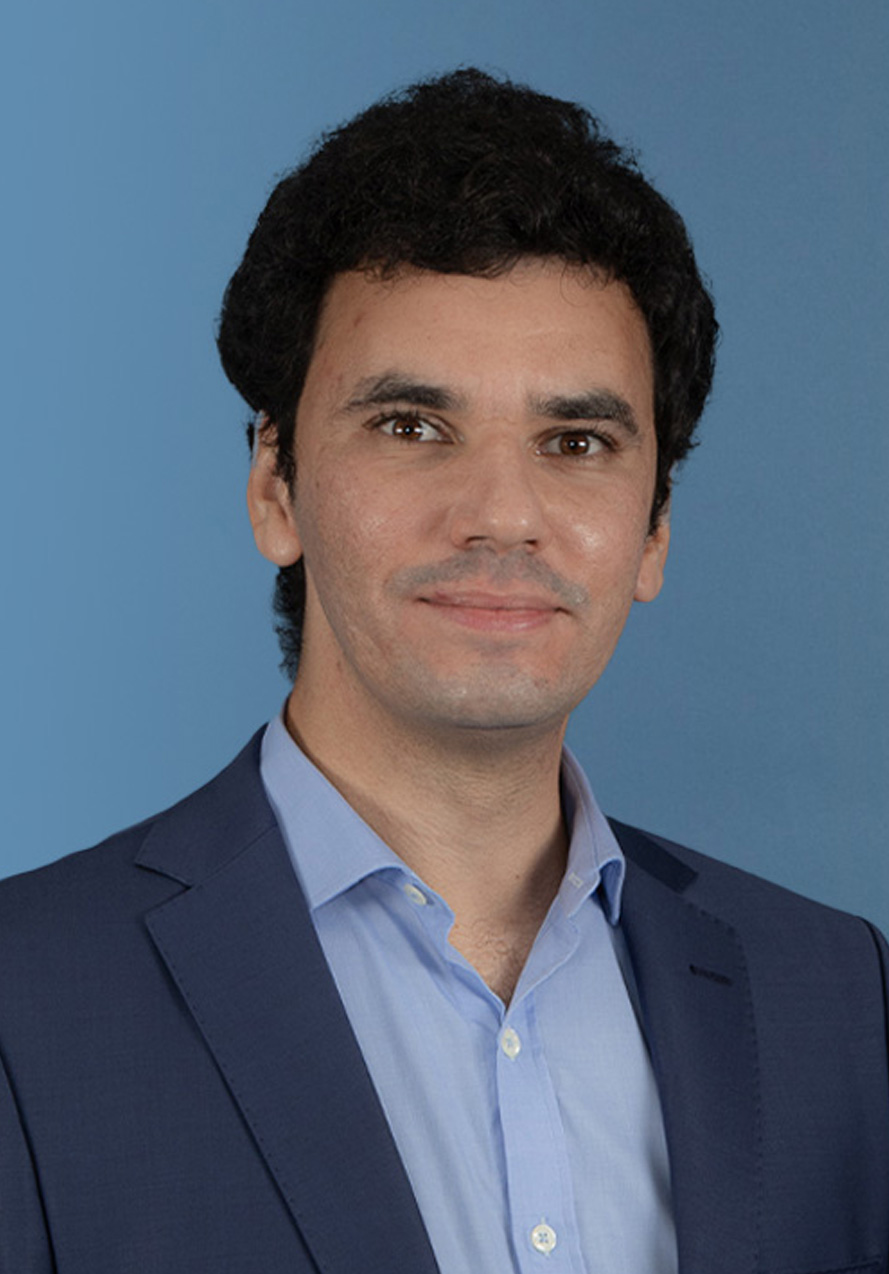
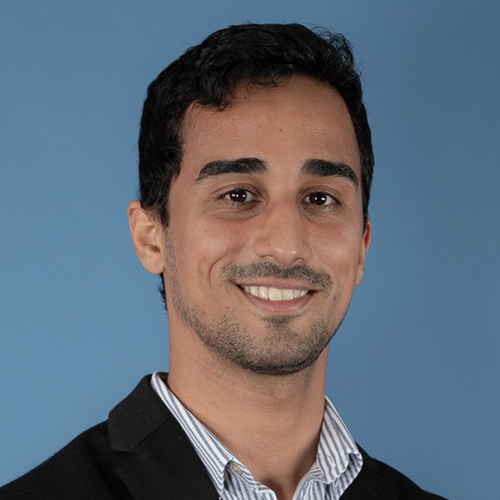
Abdessalam Saad Jaldi
Senior International Relations Specialist
Abdessalam Saad Jaldi is a Senior International Relations Specialist at the Policy Center for the New South (PCNS).He is also an Affiliate Professor of Digital Law and Emerging Technologies at University Mohammed VI Polytechnic (UM6P)At the PCNS, Jaldi conducts research encompassing the Maghreb, the European Union (EU), India, and the evolving landscape of international law, with a particular focus on artificial intelligence (AI) and maritime lawHe notably represented the PCNS as a member of the T20 Brasil task force 6 (TF 06) on “Strengthening Multilateralism and Global Governance”.Abdessalam Saad Jaldi holds a PhD in Law from the University of Strasbourg, as well as two master’s degrees: One in Public and Private International Law from the University of Strasbourg, and anoth ...

RELATED CONTENT

  • Authors
    April 20, 2026
    This paper was published as a book chapter in “The Economic Potential of Islamic Countries, Part B: Sustainability, Governance, Energy and Digital Transformation,” released by Emerald Publishing. The COVID-19 pandemic exposed significant deficiencies within social protection systems worldwide, especially in Middle Eastern and North African (MENA) countries. This underscores the urgent need to fortify these social protection schemes to ensure resilience in the face of crises (Sa ...
  • Authors
    Markus Goldstein
    Chema Triki
    Charley Ward
    April 16, 2026
    This blog was originally published on cgdev.org We recently wrapped up the second edition of the Growth Summit, organized by our three organizations and hosted by the Policy Center for the New South. The event was filled with eclectic voices. To give you a sense of the discussions, we’ve tried to capture some of the key messages from the 12 sessions (with no direct attribution).Overall, the eclecticism of the debate points to an uncomfortable truth: there is today no shared pla ...
  • April 16, 2026
    Gulf countries are increasingly shaping Africa’s political and economic landscape through investments in infrastructure, energy, and strategic sectors. Their flexible, capital-driven approach and strong political ties distinguish them from traditional partners. While creating opportunit...
  • April 15, 2026
    Cet épisode explore l’industrie des phosphates au Maroc, qui abrite 70 % des réserves mondiales et est portée par le Groupe OCP. De son leadership mondial dans les engrais à un repositionnement stratégique vers l’Afrique, OCP soutient la transformation agricole et la création de valeur....
  • Authors
    Abdelmonim Amachraa
    April 15, 2026
    This paper examines the complexities of the Moroccan agricultural model from a systemic and paradoxical viewpoint. It highlights the fundamental contradiction facing Moroccan agriculture: balancing export-driven growth and global competitiveness with rising ecological challenges and social inequalities, especially amid increasing water scarcity. Despite a strong export performance, Morocco’s agricultural sector remains fragile because of environmental and social vulnerabilities wors ...
  • April 14, 2026
    Cet épisode met en avant les industries automobile et aéronautique du Maroc en tant que moteurs de transformation industrielle, portées par le Pacte pour l’Émergence et le Plan d’Accélération Industrielle. Un écosystème solide composé de donneurs d’ordre, de fabricants internationaux et...
  • April 14, 2026
    في هذه الحلقة يتم تناول دور الجامعات المغربية في تعزيز الدبلوماسية العلمية للمغرب على المستويين الإقليمي والدولي، وإمكانية تحولها إلى فاعل أساسي في القوة الناعمة الوطنية، كما يناقش أهمية الشراكات الأكاديمية والبحثية الدولية في تعزيز الإشعاع العلمي ونقل المعرفة، ويتطرق كذلك إلى أبرز التح...