Technology, Military Power, and the New Geopolitics of Security

February 27, 2026

Technological and industrial capabilities have become core instruments of state power, reshaping military strategies, economic competition, and global influence. The rapid rise of AI, cyber warfare, autonomous systems, and advanced manufacturing is redefining how states project power and deter adversaries. While technological leadership offers opportunities for innovation and strategic advantage, it also generates new risks related to escalation, dependency, and asymmetric vulnerabilities. In this evolving geopolitical landscape, the ability to integrate technology, industry, and strategy is increasingly decisive for long-term sovereignty and influence.

Speakers
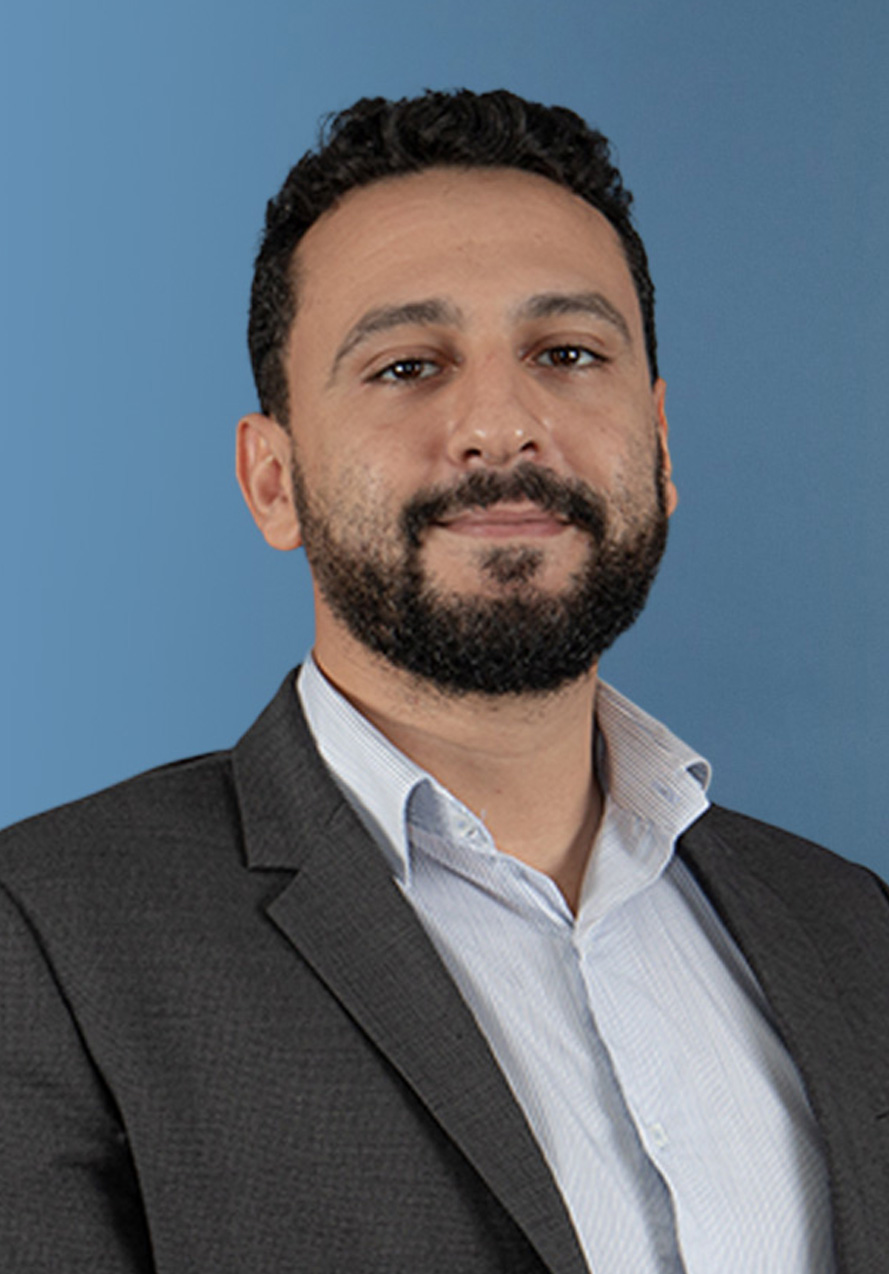
Akram Zaoui
Chargé de Mission to the Executive President
Akram Zaoui is a Senior International Relations Specialist and Chargé de Mission to the Executive President at the Policy Center for the New South (PCNS). Prior to this, he was Manager of Research Support and the Public Policy Lab at the PCNS. His main area of interest is the geopolitical economy of the Extended Middle East and North Africa (MENA) region. From 2018 to 2020, Zaoui was the coordinator of a network of 70+ civil society organizations (CSOs) across France, working with foundations, government, local communities, and the private sector. Zaoui holds a dual degree in corporate and public management from HEC Paris and Sciences Po, as well as a bachelor's degree (licence) in history from Université Paris 1 Panthéon-Sorbonne. He audited courses in Iranian and Shia Stud ...
RELATED CONTENT

  • Authors
    Sabine Cessou
    May 17, 2022
    Ce thème, abordé au Centre HEC de Géopolitique à Jouy-en-Josas, lors de la 12e édition des Dialogues stratégiques avec le Policy Center for the New South, une rencontre semestrielle, a permis de revenir dans le détail sur cette zone qui relie la Méditerranée à l’océan Indien, à la jointure de trois continents : l’Asie, l’Afrique et l’Europe. Cette route maritime qui s’étend sur plus de 2 200 km, pour une largeur qui varie de 300 km à moins de 30 km entre Djibouti et le Yémen, r ...
  • May 13, 2022
    Depuis 2016, le Policy Center for the New South et le Centre HEC de Géopolitique organisent chaque année deux éditions des « Dialogues Stratégiques ». Cette plateforme d’analyse et d’échange réunit des experts, des chercheurs provenant de différents think-tanks et du monde académique, d...
  • Authors
    May 10, 2022
    Les crises internationales de type de la guerre en Ukraine constituent des ruptures historiques qui induisent des changements profonds de paradigmes, mais aussi de systèmes d’alliances et de marges d’influence. Elles produisent, à terme, une nouvelle configuration des rapports de force, ce qui exige des acteurs des capacités d’anticipation et d’adaptation. Le continent Africain se trouve géopolitiquement, et en quelque sorte géographiquement, à la première loge de la guerre d ...
  • May 6, 2022
    The war in Ukraine ignited fierce opposition on grounds of principles of sovereignty and territorial integrity. Populations weighed in the balance of power. Yet, for principles invoked against Russia to find universal resonance, the West should ensure it acts in accordance with these principles. Global solidarity implies treating all peoples equally. ...
  • May 6, 2022
    La guerre d’Ukraine a suscité une vive réprobation au nom des principes de souveraineté et d’intégrité territoriale. Les populations ont pesé dans le rapport de force. Néanmoins, pour que les principes invoqués contre la Russie puissent nourrir un consensus universel, l’Occident devra lui-même agir en conformité avec eux. Une solidarité planétaire suppose de traiter tous les peuples de la même manière. ...
  • April 15, 2022
    Although there have been efforts to regulate the privatization of security, the problem is not the lack of international regulation, but the lack of convergence between international and national law on one hand, and government regulation and industry self-regulation, on the other. The growing number of actors in the contemporary security environment has added a layer of complexity, as it made accountability more diffuse and difficult to track, since the responsibility lies with mul ...
  • From

    15
    5:30 pm March 2022
    تشكّل الأزمة الروسية الاوكرانية تحديا جيوسياياً غير مسبوق في القارّة الأوروبيّة منذ الحرب العالمية الثانية. فقد تسبّبت في أكبر نزوح في أوروبا منذ 1945، حيث بلغ عدد النازحين الأوكرانيين الذين هربوا من بلادهم مليوني ونصف نسمة. موازاتاً مع ذلك، عادت الى الواجهة مواضيع كثيرة، نذكر منها امكانية الاصطدام المسلّح بين روسيا وحلف شمال الاطلسي، والحرب النووية. الّا أن انعكاسات الحرب لا تقتصر على اوروبا والغرب، بل تأثّر سلباً على الاقتصاد الدولي ودول الجنوب، وتهدّد الامن الغذائي في دول كثيرة، خاصة في المنطقة العربية وفي افريقيا ولفهم هذه الازمة بمختلف أبعادها ووضعها في سياقاتها النظرية والتاريخية والأمنية ومناقشة تأثيراتها الحاليّة أو المتوقَّعة في المدى القريب، ينظّم مركز السياسات من أجل الجنوب الجديد حلقة خاصّة من برنامج حديث الثلاثاء ستركّز على الأحداث الجارية في اوكرانيا وستطرح ...
  • March 15, 2022
    تشكّل الأزمة الروسية الاوكرانية تحديا جيوسياياً غير مسبوق في القارّة الأوروبيّة منذ الحرب العالمية الثانية. فقد تسبّبت في أكبر نزوح في أوروبا منذ 1945، حيث بلغ عدد النازحين الأوكرانيين الذين هربوا من بلادهم مليوني ونصف نسمة. موازاتاً مع ذلك، عادت الى الواجهة مواضيع كثيرة، نذكر منها امكا...
  • March 11, 2022
    L'opération militaire lancée le 24 février 2022 par les forces armées russes à l'intérieur du territoire de l’Ukraine a pour objectif déclaré d'empêcher l’Organisation du Traité de l’Atlantique Nord (OTAN) de se rapprocher de l”étranger proche” russe et de changer le régime à Kiev. Cette guerre, déclenchée par un membre permanent du Conseil de sécurité, a été menée en violation des principes cardinaux de la Charte des Nations unies. Elle a mis le monde au bord d’ ...
  • Authors
    March 11, 2022
    As of March 3, 2022, one week into the Russian invasion, over 1 million refugees (2.3% of the Ukrainian population) have fled Ukraine to neighboring European countries, notably Poland, as well as Hungary, Moldova, and Slovakia[1].  While the sheer flow of refugees is poised to generate the largest migration crisis in Europe since World War II, the response of European countries is substantially different from the one caused by the Syrian refugee crisis of 2015 - 1 million refug ...