Publications /
Opinion

This Opinion was originally published in asiapathways-adbi.org
When G20 leaders meet in Miami next month, the discussions are expected to focus on how to sustain growth in a world marked by economic fragmentation, supply chain disruptions, fiscal pressures, and geopolitical uncertainty. Yet the global economy’s success depends not only on G20 members, but also on the many developing countries outside the group. Strengthening regional cooperation is a practical way to bridge this gap.
Many non-G20 developing economies rely heavily on neighboring G20 members for exports, FDI, remittances, and development finance. Consequently, their fortunes are closely tied to regional economic conditions.
This reality has intensified as global fragmentation accelerates. Trade restrictions have increased sharply, official development assistance has declined, and developing countries continue to face a massive financing gap in achieving the Sustainable Development Goals. For many economies, the challenge is how to preserve growth opportunities when global cooperation falters.
In this context, regionalism offers a vital part of the solution. Regional cooperation is not a retreat from globalization; rather, it provides a practical mechanism to strengthen resilience, deepen integration, and create new growth opportunities. Crucially, it advances core G20 objectives, including robust supply chains, effective development finance, and economic stability.
Asia’s experience demonstrates what sustained regional cooperation can achieve. Over decades, regional institutions, trade agreements, and production networks—such as ASEAN, the Regional Comprehensive Economic Partnership (RCEP), and the Chiang Mai Initiative Multilateralisation (CMIM), first established in response to the Asian financial crisis of 1997/98—have fostered a deeply interconnected economic region. Today, intra-Asian trade accounts for over half of the region’s merchandise trade, proving that regional integration sustains growth amid global uncertainty.
Other regions are pursuing their own pathways. In Africa, high trade costs, infrastructure gaps, and fragmented markets constrain regional commerce. While initiatives like the African Continental Free Trade Area seek to address these barriers, success depends on connecting businesses, logistics, and financial systems across borders.
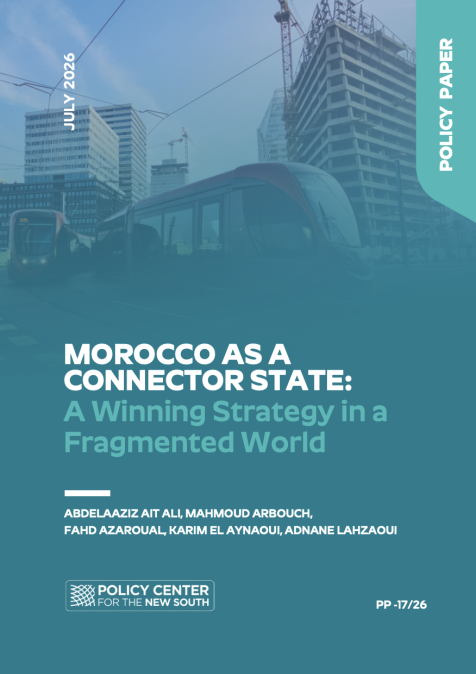
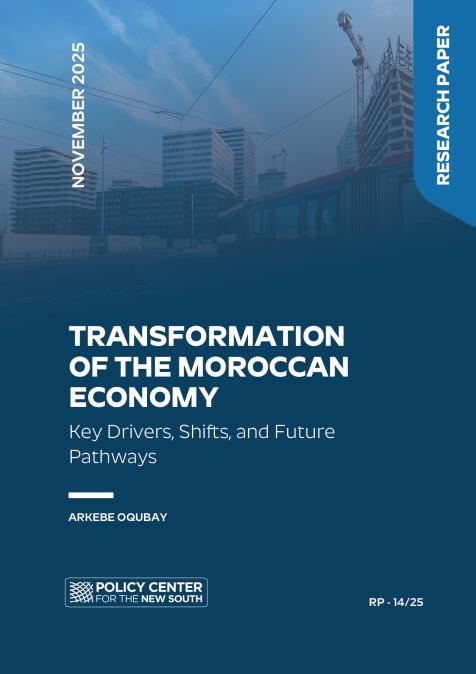
Connector economies can contribute to this process. These are countries with the industrial capabilities and logistics infrastructure to link neighbors to wider markets. Morocco, for instance, combines these capabilities with its geographic position and a substantial network of trade agreements, creating opportunities for African producers to access wider markets and integrate into global value chains. Realizing this potential requires supportive policies and targeted infrastructure investment.
To support sustainable growth, three priorities for G20 members stand out:
First, greater investment is needed by G20 countries in regional public goods, via regional platforms and MDBs. Transport corridors, power grids, broadband networks, digital payment systems, and disease surveillance generate cross-border benefits. Because these benefits are shared, such projects often face underinvestment. As discussions continue on enhancing development finance, greater emphasis on regional public goods, especially digital infrastructure, could deliver substantial returns for both G20 and non-G20 economies.
Second, regional trade arrangements must remain open and inclusive. The most successful agreements create opportunities not only for existing members but also for neighboring economies to join value chains. Through trade facilitation, standards support, and access to trade finance, open regional trade strengthens the multilateral trading system rather than restricting it.
Third, the G20 should strengthen regional financial safety nets that are essential to manage future shocks. Regional financing arrangements, including swap lines between central banks, can complement global institutions by providing additional layers of protection, improving crisis preparedness and strengthening confidence across regions.
As G20 leaders prepare for their summit in December, regionalism offers a practical way to translate the group’s growth agenda into tangible benefits for a wider community of nations. At a time when development finance is under pressure and global cooperation faces headwinds, strengthening regional partnerships represents a strategic investment in a resilient and interconnected global economy.