The US-Iran Conflict and the New Great-Power Landscape: Transatlantic Strains and China's Strategic Calculus

July 7, 2026

Following recent developments in the Middle East, the Policy Center for the New South is launching a three-part webinar series on the strategic, geopolitical, security, and economic consequences of the US-Iran conflict. 

Building on the publication Hormuz and the Invisible Fractures: The Price of a Distant War – Views from the New South, the series examines the Strait of Hormuz as both a vital maritime chokepoint and a fault line in a changing global order. While the recent U.S.–Iran agreement has eased immediate tensions, the crisis remains ongoing and continues to evolve, making this publication a timely snapshot of a dynamic and still-unfolding geopolitical landscape.

Drawing on the volume's multidisciplinary analysis, the webinars explore the conflict's implications for the New South, global trade routes, energy security, and the evolving international order, while fostering informed discussion on the long-term strategic lessons emerging from the crisis.

This session explores how the US-Iran conflict is reshaping relations among major global powers. The discussion assess the impact of the crisis on transatlantic cohesion, the evolving positions of Europe and the United States, and China's strategic calculations in this changing environment. Particular attention is being paid to the implications for global governance, great-power competition, and the emerging international order.
Speakers
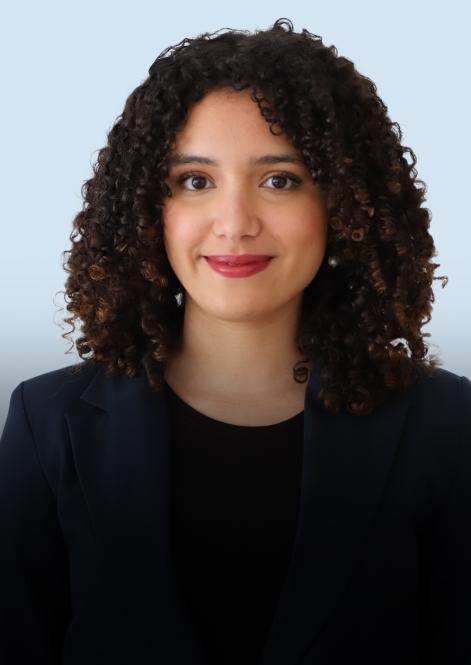
Khadija Mamouni
Junior Analyst - International Relations Research Department
...
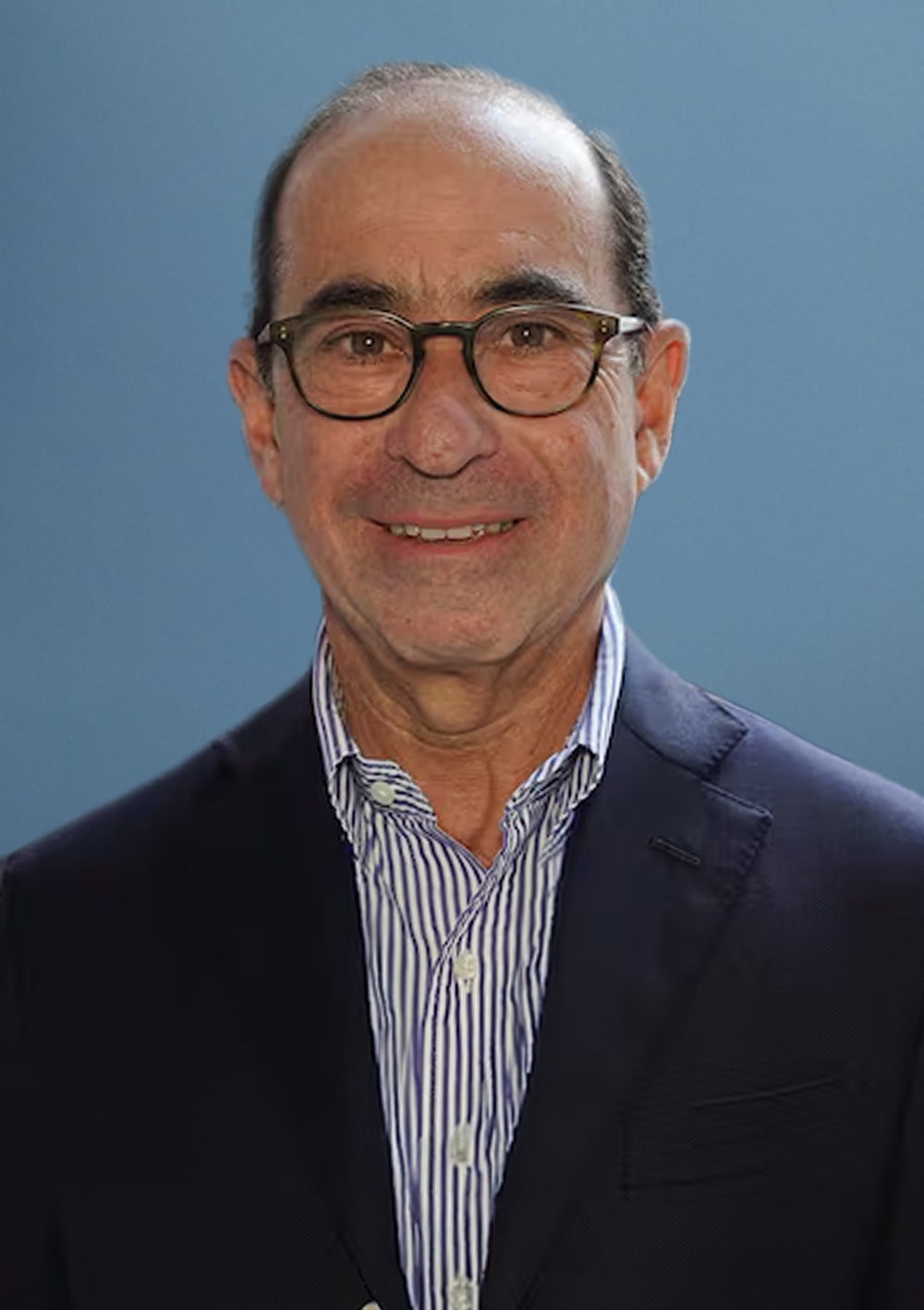
Ian O. Lesser
Senior Fellow
Ian Lesser is Senior Fellow at the Policy Center for the New South (PCNS). Based in Brussels, he also serves as Distinguished Fellow and Advisor to the President at the German Marshall Fund of the United States (GMF), where he has held several senior leadership roles, including Vice President and Acting President. Dr. Lesser has built a distinguished career at the intersection of transatlantic relations, strategy, and international security. He holds the Chair in Transatlantic Affairs at the College of Europe in Bruges. Before joining GMF, he was a Public Policy Scholar at the Woodrow Wilson International Center for Scholars, Vice President and Director of Studies at the Pacific Council on International Policy, and spent over a decade at the RAND Corporation focusing on s ...
Marcus Vinicius de Freitas
Senior Fellow
Marcus Vinicius De Freitas is Senior Fellow at Policy Center for the New South, focusing on International Law, International Relations and Brazil, and is currently a Visiting Professor of International Law and International Relations at China Foreign Affairs University in Beijing, China. Previously, he was a Professor of The Armando Alvares Penteado Foundation in Sao Paulo, where he served as the coordinator of their International Relations Program from December 2012 until December 2013. He was president of the Sao Paulo Directorate of the Progressive Party, having run for vice governor of the State of Sao Paulo in 2010, where his party polled in third place with more than 1.2 million votes. He also served as the Administrative Director of the Sao Paulo Metropolitan Housing Co ...

RELATED CONTENT

  • Authors
    Ian Lesser
    November 18, 2013
    This policy brief argues for a closer relationship between Morocco and the United States. Morocco’s geo-economic position is evolving in ways that will shape U.S. and international interests in the country and open new avenues for cooperation. Key drivers of change in this context include Morocco’s stake in greater economic integration in the Maghreb, a growing role in Africa, new energy and infrastructure projects, and the emergence of Morocco as a hub for communications around th ...
  • Authors
    Kassim Bouhou
    September 17, 2010
    Before the 9/11 events, US-Maghreb relations were growing stronger, especially after the United States had long left the floor to the Maghreb’s “natural” European partner. Therefore the American action in this region was in line with a mechanism previously set off by Clinton Administration member, Stuart Eizenstat, which aimed at reducing intra regional obstacles and stimulating American investments towards an area where Americans were little-represented. Hence Washington seemed mor ...