Redesigning Global Finance

January 30, 2025

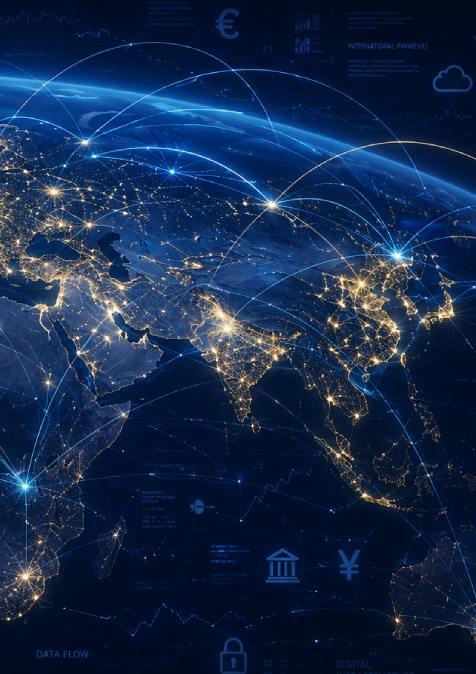
In this episode of Redesigning Global Finance, we explore the evolving landscape of global financial governance, focusing on how institutions like the IMF, World Bank, and regional development banks are adapting to new economic realities and global crises. The episode examines how financial systems must evolve to support the Sustainable Development Goals (SDGs) and highlights the transformative role of digital technologies such as cryptocurrencies, blockchain, AI, and fintech in reshaping financial infrastructure and promoting financial inclusion. At the same time, it addresses the regulatory, security, and governance challenges these innovations present. The discussion centers on the urgent reforms needed to ensure financial resilience, aligning capital flows with sustainable development in emerging markets, and the changing role of traditional financial institutions in the face of rising digital finance.
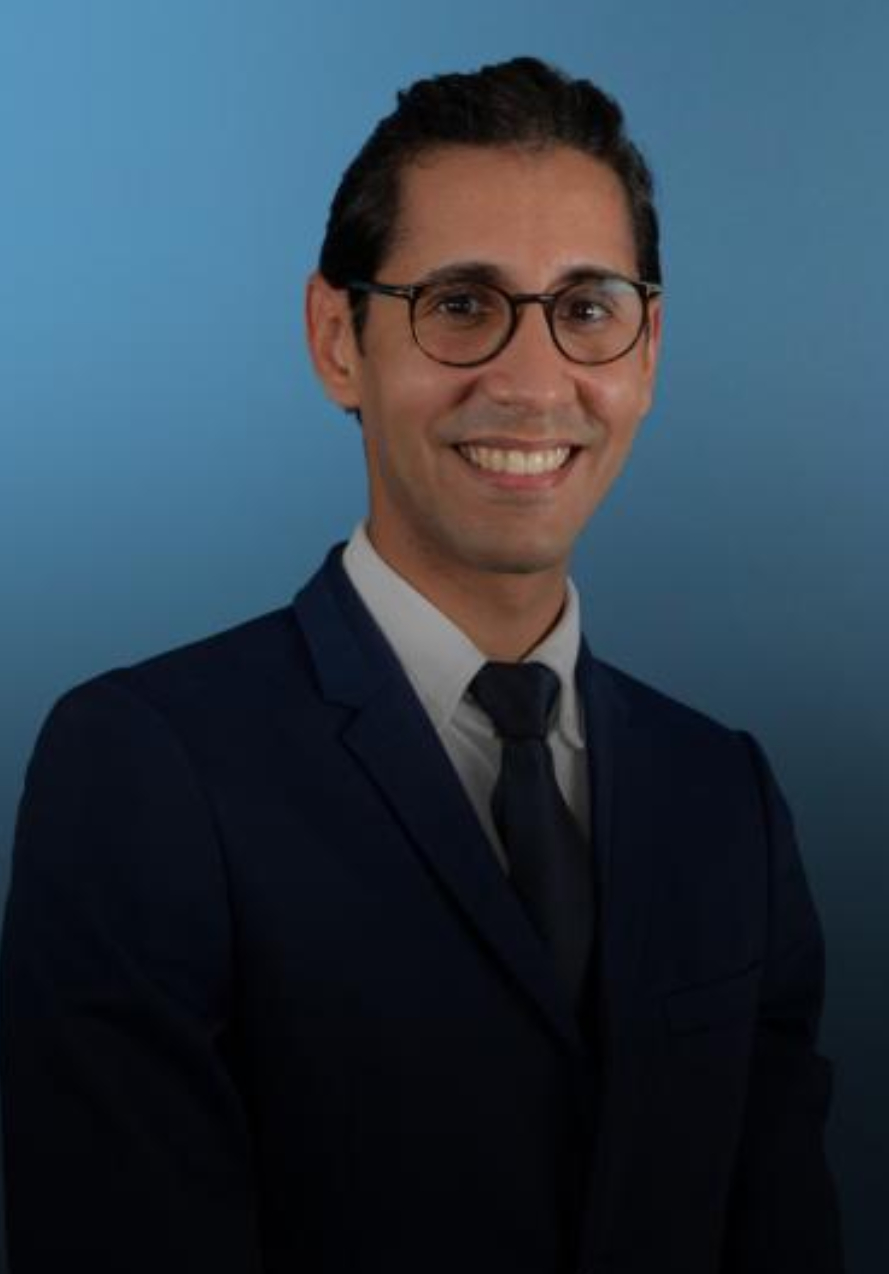
Speakers
Ahmed Ouhnini
Economist, Policy Center for the New South
Ahmed Ouhnini is an Economist at the Policy Center for the New South. His research area covers agricultural economics, human and social development. Previously, he has worked as a researcher at the Paris School of Economics (PSE) and has also a record of working in consulting services in Morocco. Ahmed holds an engineering Diploma in Agriculture and Rural Development from the National School of Agriculture of Meknes and a Master’s Degree in Law, Economics and Management from the Paris 1 Pantheon Sorbonne Institute of Development. ...
Ferid Belhaj
Senior Fellow
Ferid Belhaj took up the position of World Bank Vice President for Middle East and North Africa on July 1, 2018. Prior to this, he served as the Chief of Staff of the President of the World Bank Group for 15 months. From 2012 to 2017, Mr. Belhaj was World Bank Director for the Middle East, in charge of work programs in Lebanon, Syria, Jordan, Iraq and Iran, based in Beirut, Lebanon. In this capacity, he led the Bank’s engagement on the Syrian refugee crisis and its impact on the region, including the creation of new financing instruments to help countries hosting forcibly displaced people; the ramping up of the Bank drive towards the reconstruction and recovery of Iraq during and after the ISIS invasion and the scaling up of the Bank's commitments to Lebanon and Jordan. Befo ...
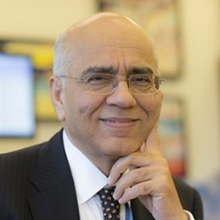
Masood Ahmed
President of the Center for Global Development
...

RELATED CONTENT

  • Authors
    April 20, 2026
    This paper was published as a book chapter in “The Economic Potential of Islamic Countries, Part B: Sustainability, Governance, Energy and Digital Transformation,” released by Emerald Publishing. The COVID-19 pandemic exposed significant deficiencies within social protection systems worldwide, especially in Middle Eastern and North African (MENA) countries. This underscores the urgent need to fortify these social protection schemes to ensure resilience in the face of crises (Sa ...
  • Authors
    Markus Goldstein
    Chema Triki
    Charley Ward
    April 16, 2026
    This blog was originally published on cgdev.org We recently wrapped up the second edition of the Growth Summit, organized by our three organizations and hosted by the Policy Center for the New South. The event was filled with eclectic voices. To give you a sense of the discussions, we’ve tried to capture some of the key messages from the 12 sessions (with no direct attribution).Overall, the eclecticism of the debate points to an uncomfortable truth: there is today no shared pla ...
  • April 14, 2026
    Cet épisode met en avant les industries automobile et aéronautique du Maroc en tant que moteurs de transformation industrielle, portées par le Pacte pour l’Émergence et le Plan d’Accélération Industrielle. Un écosystème solide composé de donneurs d’ordre, de fabricants internationaux et...
  • April 13, 2026
    This episode delves into Morocco’s healthcare system, tracing strides in maternal and child health, vaccination, and the quest for universal coverage. Morocco’s COVID-19 response, alongside initiatives like TADAMON and telemedicine, showcases innovation and resilience. Yet, gaps remain,...
  • April 13, 2026
    Résumé exécutif stratégiqueLe Maroc s’est engagé avec détermination dans une trajectoire de modernisation fondée sur la transition numérique, la transition verte et l’innovation. Ces dynamiques sont devenues des leviers stratégiques pour la compétitivité, l’attractivité et la création d’emplois à forte valeur ajoutée. Pourtant, l’analyse des données microéconomiques récentes révèle un paradoxe préoccupant : les entreprises les plus modernisées, moteurs de la croissance de demain, re ...
  • April 10, 2026
    تتتبع هذه الحلقة التاريخ الاقتصادي للمغرب منذ تهميشه في القرن التاسع عشر تحت ضغط القوى الأوروبية، مرورًا بالثنائية الاستعمارية والتنمية التي قادها الدولة بعد الاستقلال، وصولًا إلى برامج التكيف الهيكلي في الثمانينيات. وقد عززت الإصلاحات الأخيرة مرونة الاقتصاد، مع مساهمة قطاعات الزراعة،...
  • April 9, 2026
    This episode explores Morocco’s economic diplomacy, from 1980s liberalization to its rise in global value chains in automotive and aerospace. Strategic reforms and infrastructure projects have attracted investment and expanded ties across Africa, yet trade deficits linger. While Europea...