Presentation: The Global Terrorism Index (GTI)

March 9, 2022

The Global Terrorism Index (GTI) is an annual report produced by the Institute for Economics & Peace (IEP). Now on its 9th edition, the GTI provides a comprehensive summary of the key global trends and patterns in terrorism. It analyses a number of vital aspects of terrorism such as the socio-economic conditions under which it occurs, how terrorism changes over time, the geopolitical drivers and ideological aims of terrorist groups and the strategies used by terrorists.

In the previous edition, the GTI 2020 reported a decrease in deaths from terrorism for a fifth consecutive year. The drop of deaths by 15.5% was due to a reduction on the impact of terrorism in 103 countries. The decrease in deaths from terrorism was perceived in the MENA region, Russia, Eurasia, South America, and South Asia, with a 20% reduction. Yet terrorism became more widespread in other regions, concentrating in sub-Saharan Africa. The country with the highest increase in terrorism was Burkina Faso, followed by Sri Lanka.

Moreover, the economic impact of terrorism had decreased for five consecutive years, amounting to US$26.4 billion in 2019. The 2020 GTI identified a shifting landscape in terrorism, with the spread of ISIL affiliate groups in sub-Saharan Africa and the emergence of far-right terrorism across Western Europe and North America.

In this presentation, the panellists will discuss the trends in terrorism, radicalisation and violent extremism particularly in the Sahel region.
Speakers
Rida Lyammouri
Senior Fellow
Rida Lyammouri is a senior fellow at the Policy Center for the New South (PCNS). He is also a senior West Africa and Lake Chad Basin researcher and advisor, with expertise in regional conflicts, violent extremism, climate change, migration, and trafficking. His research activities focus on geopolitics and international relations in the West African Sahel and Lake Chad Basin, regions he has worked on for 14 years, including in the field. He has extensive experience supporting both governmental and non-governmental organizations in the areas of international development, security, countering violent extremism and terrorism, preventing conflicts, ensuring humanitarian access, and migration. Mr. Lyammouri has contributed to in-depth research and analysis reports aiming at building ...
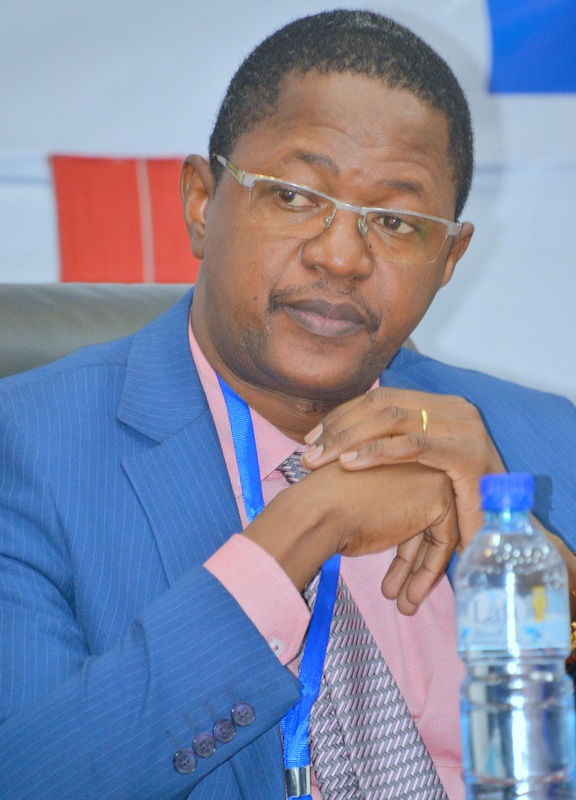
Serge Stroobants
Director Europe and the MENA region, Institute for Economics and Peace (IEP)
Serge Stroobants is the Director of Operations for Europe and the MENA region at the Institute for Economics and Peace. He is a former Colonel in the Belgian Armed Forces with an academic specialization in political sciences, international relations, security and defense, global risk analysis, foresight and crisis management. He holds degrees from the Belgian Royal Military Academy, the Free University of Brussels, Université Jean Moulin Lyon III (France), the German General Staff College and Vesalius College. He is an Assistant-Professor at Vesalius College in Brussels, teaching courses on NATO and the Transatlantic approaches to security and on Global terrorism and radicalization. He is considered to be a senior academic specialist on global terrorism and radicaliz ...
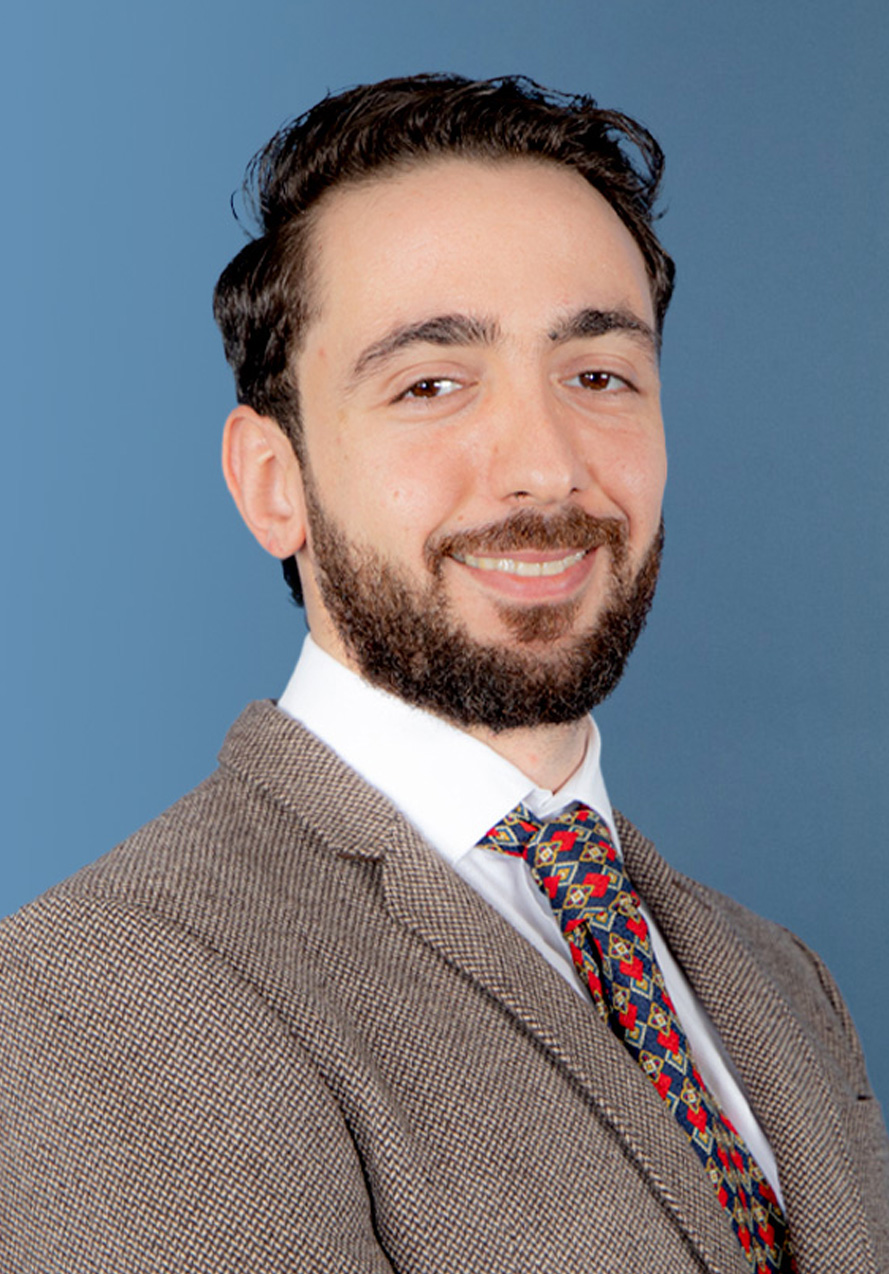
Youssef Tobi
International Relations Specialist
Tobi Youssef has joined the Policy Center for the New South in 2017. He is currently working on Politics and Governance in the Maghreb Region; his areas of expertise are geopolitics, political risk and nation building. Youssef Tobi obtained a Master Degree at Sciences Po Lyon  where he wrote two thesis on “ the role of Moroccan Bank in Africa, a non-state actor in service of the Diplomacy”  and the“ Chasm between the mediatic and associative representation of refugees : a case study”.  Prior to working at the Think tank, Tobi Youssef participated in a Social Entrepreneurship Project in Beirut, Lebanon and conducted an internship in a NGO based in Marseille where he assisted refugees and helped raise funds. ...
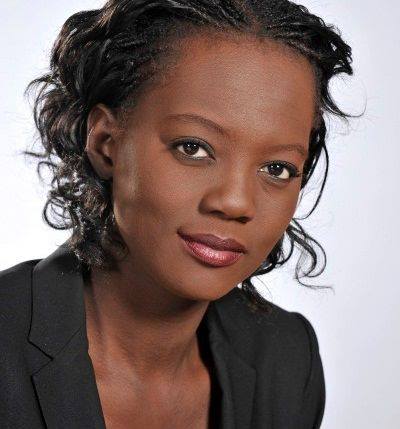
Rama Yade
Director, Africa Center Atlantic Council
Ambassador Rama Yade is director of the Atlantic Council’s Africa Center and senior fellow for the Europe Center. She is also a teacher of African affairs at Mohammed VI Polytechnic University in Morocco and, since 2017, at Sciences Po Paris. Prior to joining the Council, she was a consultant for the World Bank, advising the institution on education, youth, sports, human capital, and disability issues in Africa. She also has strong experience in the private sector as an editor in London, where she overviewed a collection of books about African millennials, and as director for development at a French consulting firm in corporate and social responsibility. Ambassador Yade has over a decade of experience working in French, European, and international politics. At the age of thirt ...

RELATED CONTENT

  • Authors
    October 6, 2017
    Le message essentiel de ce Policy Brief porte sur les profondeurs dans la crise du Sahel. Certains aspects de la crise tels que la violence extrémiste, les migrations, le crime transnational ou encore la précarité ne sont que les symptômes d’une maladie qui ne fera qu’empirer si les causes réelles et profondes ne sont pas traitées. En prenant le cas du G5 Sahel, comme cadre pour des commodités de l’étude et de l’analyse, nous n’insinuons en aucun cas que la crise est limitée aux cin ...
  • Authors
    Christopher S. Chivvis
    June 20, 2017
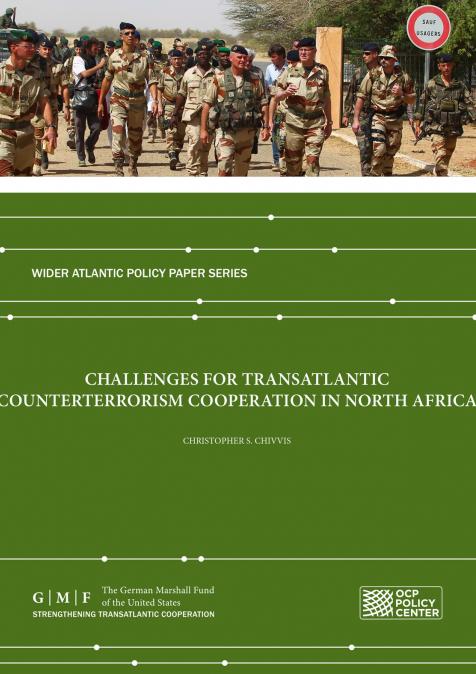
    The United States and Europe share a common interest in addressing the growing terrorist threats from North Africa. The emergence of ISIL as a force in the region — notably in Libya, but also in Egypt and to a lesser degree in Tunisia, Algeria, and Mali — is cause for genuine concern. The ISIL challenge is compounded by the persistence of older terrorist organizations, both local ones such as the region’s various Ansar al Sharias as well as al Qaeda in the Islamic Maghreb (AQIM), al ...
  • Authors
    February 15, 2017
    Au dernier trimestre de l’année 2016, les spécialistes du terrorisme étaient encore occupés par la contreradicalisation, l’endoctrinement et les dangers des départs des jeunes recrues vers les foyers de tension, alors que la question du retour chez eux commençait déjà à se poser, dans leurs pays d’origine, de ceux qui ont expérimenté la guerre et acquis d’importantes capacités de combat. Ils avaient dès les débuts de la deuxième décennie afflué en Syrie et en Irak de partout dans le ...
  • January 5, 2017
    Multiple players that destabilize the countries in the region characterize the terrorist landscape in the Sahel. Despite the fact that each terrorist group has particular areas of action and zones of influence, nevertheless two main ideological tendencies confront each other in the Sahel: on one hand, Al Qaeda in the Islamic Maghreb, and on the other, the Islamic State (IS) organization (also known as Daesh). However, some groups continue to act independently of the allegiances they ...
  • Authors
    Pascal Chaigneau
    Pierre-Marie Faivre
    Jeremy Ghez
    Jacques Gravereau
    Philippe Migaux
    Alain Oudot de Dain-ville
    October 17, 2016
    Cette publication conjointe entre HEC Center for Geopolitics et OCP Policy Center, compile douze Policy Papers qui ont été présentés, discutés et enrichis lors de la première édition des Dialogues Stratégiques, une plateforme d’analyse et de débat stratégique autour des principaux enjeux géopolitiques et sécuritaires internationaux, mais également régionaux revêtant une importance capitale pour les continents européen et africain. Ce premier volume des Dialogues Stratégiques est co ...
  • Authors
    Jean-Luc Peduzzi
    February 20, 2010
    On November 5th 2009, a cocaine-loaded Boeing 727 aircraft arriving from Venezuela was discovered torched and emptied on a makeshift airstrip in the Malian desert (Gao region). The sahel-saharan area is clearly a contact zone between very distant worlds. ...