Les Politiques Economiques de Relance Post-Covid-19 : Regards Croisés

June 12, 2020

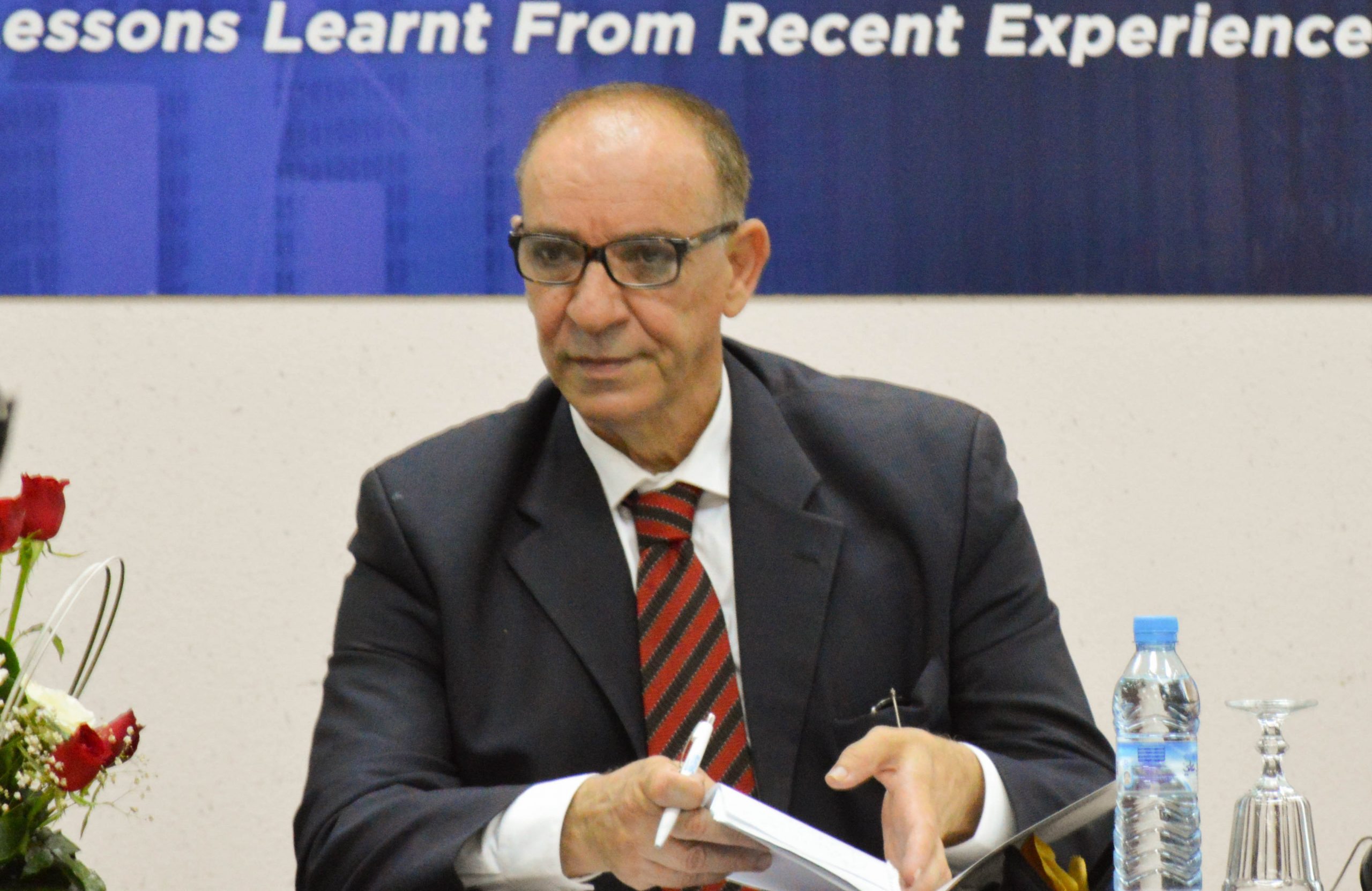
Le Laboratoire d’Economie Appliquée ( LEA) de la Faculté des Sciences Juridiques Economiques et Sociales Rabat - AGDAL en partenariat avec le Policy Center for the New South, a le plaisir de vous inviter à participer à la table ronde organisée sous le thème «Les politiques économiques de relance Post Covid-19 : Regards croisés », qui se tiendra le vendredi 12 juin 2020 à 18h00 (Heure de Rabat). Les politiques économiques de gestion de la crise issue du covid-19 sont en rupture avec les pratiques antérieures. Elles sont audacieuses et révèlent au grand jour la capacité des pays, quand ils mettent en stand-by les prêts à penser- orthodoxes-, à gérer des chocs extrêmes. Il s’agit maintenant d’examiner la capacité des politiques économiques de relance post Covid-19 à l’échelle internationale et au Maroc, de saisir cet effet de révélation, de le traduire en stratégies innovantes à même de reconstruire un Maroc social inclusif et durable.

Speakers
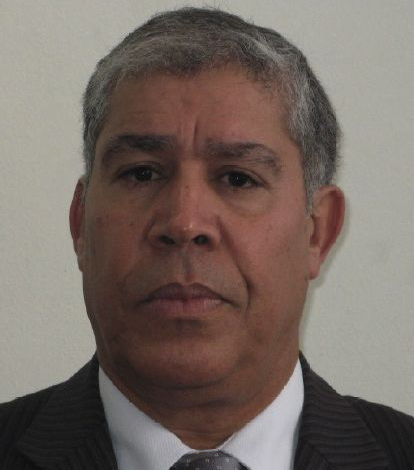
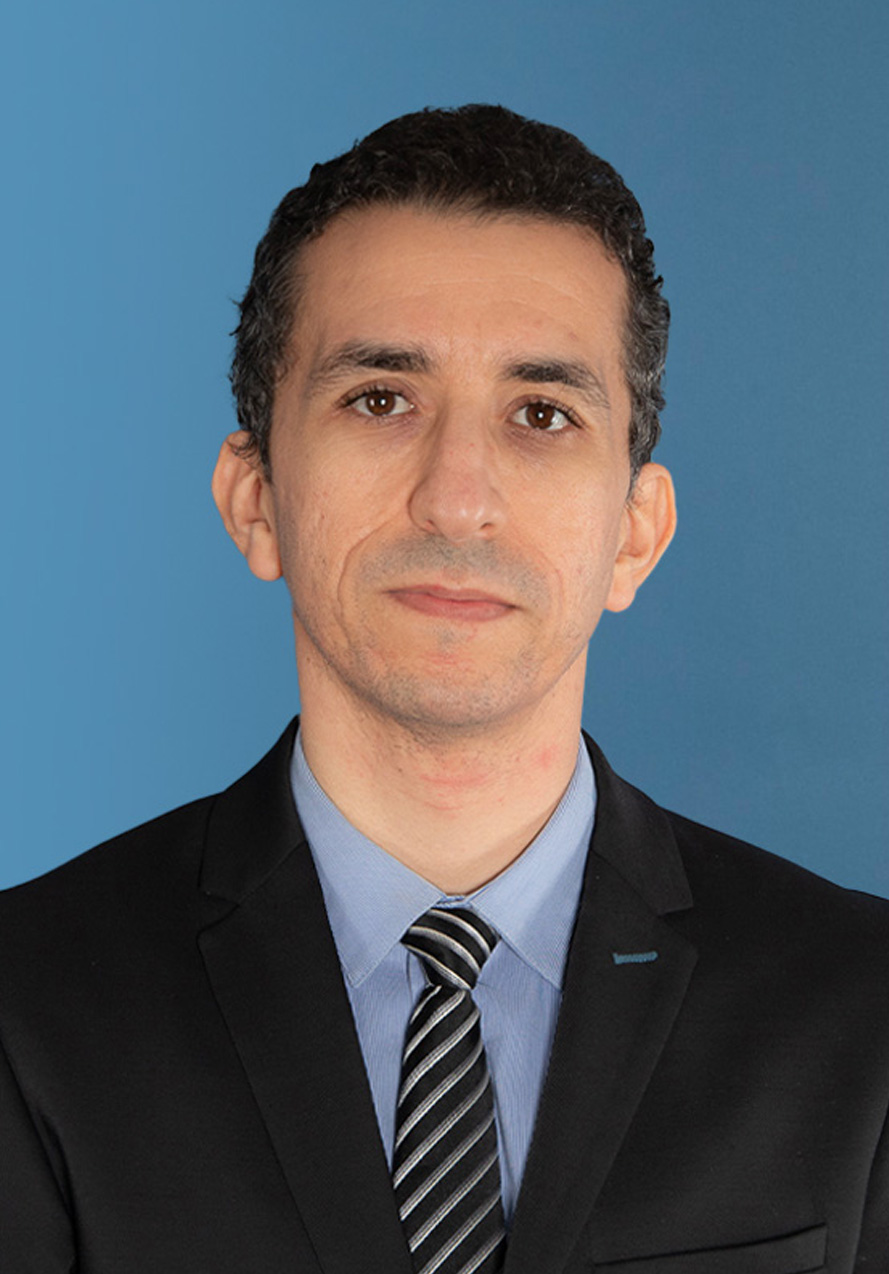
Abdelaaziz Ait Ali
Head - Research in Economics
Abdelaaziz Ait Ali is a principal Economist and head of the Research Department at the Policy Center for the New South. He joined the Center in 2014 after five years of experience at the Central Bank of Morocco. He worked as an economist in the International Studies and Relations Department and was analyzing the real estate price index and financial asset prices for monetary policy and financial stability purposes. Since then, Abdelaaziz has focused on cyclical and structural issues of the Moroccan economy, including macroeconomic management and industrial policy design. He has published articles on the reform of the exchange rate regime in the Moroccan economy and its implications for macroeconomic regulation, as well as on the evolution of the macroeconomic framework over th ...
Idriss El Abbassi
Professor of economics, Mohammed V University
Idriss El Abbassi is a Professor of Economics at Mohammed V University in Rabat and coordinator of the Master’s programme in economics. He holds a PhD from Florida State University, and his research focuses on open-economy macroeconomics, growth, and structural transformation. He teaches at both the Master’s and PhD levels and is a founding member of the Laboratory of Applied Economics. A former director of the EMPRETEC/UNCTAD programme in Morocco, he has also been a visiting professor in London. He co-authored Human Capital and Economic and Social Development in Morocco and has recently published in The Economic and Labour Relations Review and Structural Change and Economic Dynamics. ...
Lahcen Oulhaj
Laboratoire d'Economie Appliquée (LEA), FSJES Agdal
...
Larabi Jaïdi
Senior Fellow
Larabi Jaïdi is a Senior Fellow at the Policy Center for the New South and an Affiliate Professor at Mohammed VI Polytechnic University. His areas of expertise include international economy, economic policies, international economic relations, regional economies, social development, international relations, and Mediterranean studies. He also served on the Special Commission on the New Development Model of Morocco, a consultative body created in November 2019 to formulate the country's new developmental guidelines. Jaïdi is a former Professor at Mohamed V University in Rabat-Agdal and a founding member of both the Centre Marocain de Conjoncture and the Groupement d’Etudes et de Recherches sur la Méditerranée.   Prof. Jaïdi previously served as Advisor to the Prime Minist ...
Saïd Tounsi
Professor and Researcher, Mohammed V University
Saïd Tounsi is a Professor and Researcher at Mohammed V University in Rabat. A specialistin economic policies, particularly fiscal policy, he has authored several studies onpublic debt sustainability and exchange rate regimes in developing countries. He has alsoco-edited collective volumes on macroeconomic policies in Morocco. A former trainer atthe IGF and Bank Al-Maghrib, he combines academic expertise with institutional experiencein analysing national and international economic dynamics. ...

RELATED CONTENT

  • Authors
    Vera Songwe
    December 23, 2016
    Partout dans le monde, l'intégration économique régionale permet d'accélérer la croissance et le développement en apportant une panoplie d'avantages liés à une meilleure coopération politique, à un commerce intra-régional accru et à la création d'emplois. Les régions qui sont plus intégrées se sont révélées capables de connaître une croissance plus rapide et ont fait preuve d'une plus grande capacité d'adaptation en période de ralentissement de l'économie mondiale. Alors que l'écono ...
  • Authors
    Onasis Tharcisse A. Guedegbe
    December 23, 2016
    L'intégration commerciale est une condition de réussite de tout projet d’intégration économique. Les facteurs entravant cette intégration commerciale sont donc un goulot d’étranglement au projet d’intégration économique des pays de la Communauté Economique des Etats de l’Afrique de l’Ouest (CEDEAO), projet qui constitue un moyen efficace de faire face à la forte expansion de la demande alimentaire sous régionale. Cet article vise à mettre en lumière les facteurs contraignant la flui ...
  • Authors
    Vera Songwe
    December 23, 2016
    Regional economic integration across the world accelerates growth and development by bringing a wide array of benefits associated with enhanced political cooperation, increased intra-regional trade, and job creation. Regions that are more integrated have proven to grow faster and have shown greater resilience in times of global economic downturns. As the world economy struggles to return to the high growth levels of a decade ago, stimulating internal and regional growth has become t ...
  • Authors
    Onasis Tharcisse A. Guedegbe
    December 23, 2016
    Trade integration is a prerequisite for the success of any economic integration project. The factors hindering trade integration therefore constitute a bottleneck to the economic integration project of the countries of the Economic Community of West African States (ECOWAS), which is an effective means of coping with the substantial expansion of sub-regional food demand. The aim of this paper is to highlight the factors that constrain trade flows and increase the cost of trade in the ...
  • December 19, 2016
    En un tiers de siècle, la Chine, pays en développement, est devenue une économie émergente, puis une puissance économique mondiale. Il s’agit là du principal évènement économique du début du XXIe siècle. Cet évènement interpelle le Maroc, le Maghreb, l’Afrique et l’espace sudméditerranéen, parce qu’il est porteur d’un second dépassement historique, provenant, cette fois, non pas de l’Occident, mais de la Chine lointaine pourtant tellement présente dans notre quotidien. Répondre à c ...
  • Authors
    Rafael Benke
    December 14, 2016
    The government of Argentina’s new president, Mauricio Macri, has many challenges ahead. In the initial 10 months of his government, he has devalued the currency, lifted significant trade and capital barriers, and launched conversations with international investors and creditors, and has changed international perceptions toward Argentina. Macri’s election immediately generated a positive reaction from the private sector toward the new government. However, indicators for 2016 show a w ...
  • Authors
    December 6, 2016
    In September 2015, Heads of State met at the United Nations General Assembly to announce the end of the term of “Millennium Development Goals” (MDGs) and commit to a new set of Sustainable Development Goals (SDGs). The 17 SDGs were written by disciplinary teams, and as they are formulated now, they recognize the interlinkages between well-being, economic prosperity and a healthy environment. The SDGs include a wide spectrum of topics and issues: food security, poverty, gender inequa ...
  • Authors
    Matheus Cavallari
    November 15, 2016
    U.S. assets reacted in a see-saw fashion to Donald Trump’s victory. Stock futures first dove deeply before climbing up to strong gains as investors developed a view on what kind of economic policy president-elect Trump is likely to pursue. They seem to be pricing in an expectation of higher growth and inflation, as well as an earlier Federal Reserve exit from ultra-low interest rates and from holding U$ 4.45 trillion of Treasury bonds. Shock waves hit international financial market ...
  • Authors
    November 7, 2016
    Despite the gloomy tone of much discussion at the just-concluded IMF and World Bank annual meetings, the global economy is not in as bad shape as many think. The concerns about “secular stagnation” in advanced countries are also overplayed, and nor are developing countries directly exposed to such risks. By contrast, the pessimism about the prospects for MENA are unfortunately largely justified. Most importantly, at the global and at the MENA level the biggest concerns are not econo ...
  • Authors
    November 4, 2016
    Discussions around large current account imbalances among systemically relevant economies as a threat to the stability of the global economy faded out in the aftermath of the global financial crisis. More recently, some signs of a possible resurgence of rising imbalances have brought back attention to the issue. We argue here that, while not a threat to global financial stability, the resurgence of these imbalances reveals a sub-par performance of the global economy in terms of fore ...