حديث الثلاثاء: دور الذكاء الاصطناعي في تشكيل مستقبل الوظائف في الدول العربية

December 31, 2024

نخصص هذه الحلقة من برنامج "حديث الثلاثاء" لمناقشة تأثير الثورة التكنولوجية على مستقبل الوظائف في الدول العربية، مع التركيز على الكفاءة والاستدامة، كما نتناول الفرص والتحديات التي يطرحها هذا التحول بمشاركة السيدة نجلاء الأهواني، أستاذة الاقتصاد بجامعة القاهرة ووزيرة التعاون الدولي السابقة.

Speakers
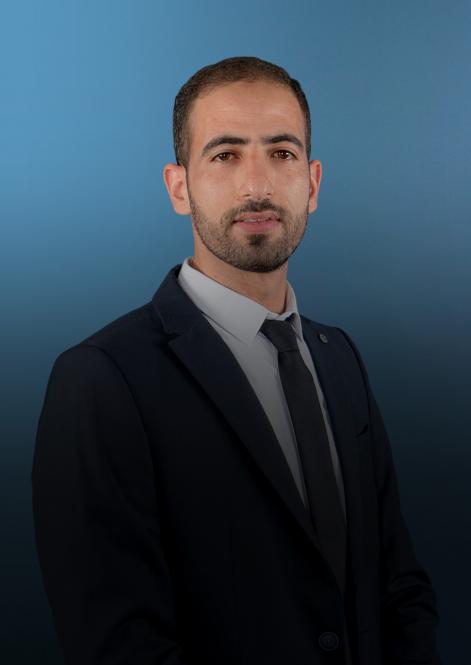
Redouan Najah
Senior International Relations Specialist
Redouan Najah is a Senior International Relations Specialist at the Policy Center for the New South (PCNS).At the PCNS, which he joined in 2019, Redouan Najah conducts research on topics spanning the cyberspace, cyber defense, cybersecurity, Central Africa, and Africa-China relations.Redouan Najah holds a master's degree in Geopolitics and International Relations from University Cadi Ayaad, Marrakech, Morocco, and a bachelor’s degree in Economics and Management, from University Sultan Moulay Slimane, Beni Mellal, Morocco.Redouan is fluent in Arabic and French and has a good knowledge of English. ...
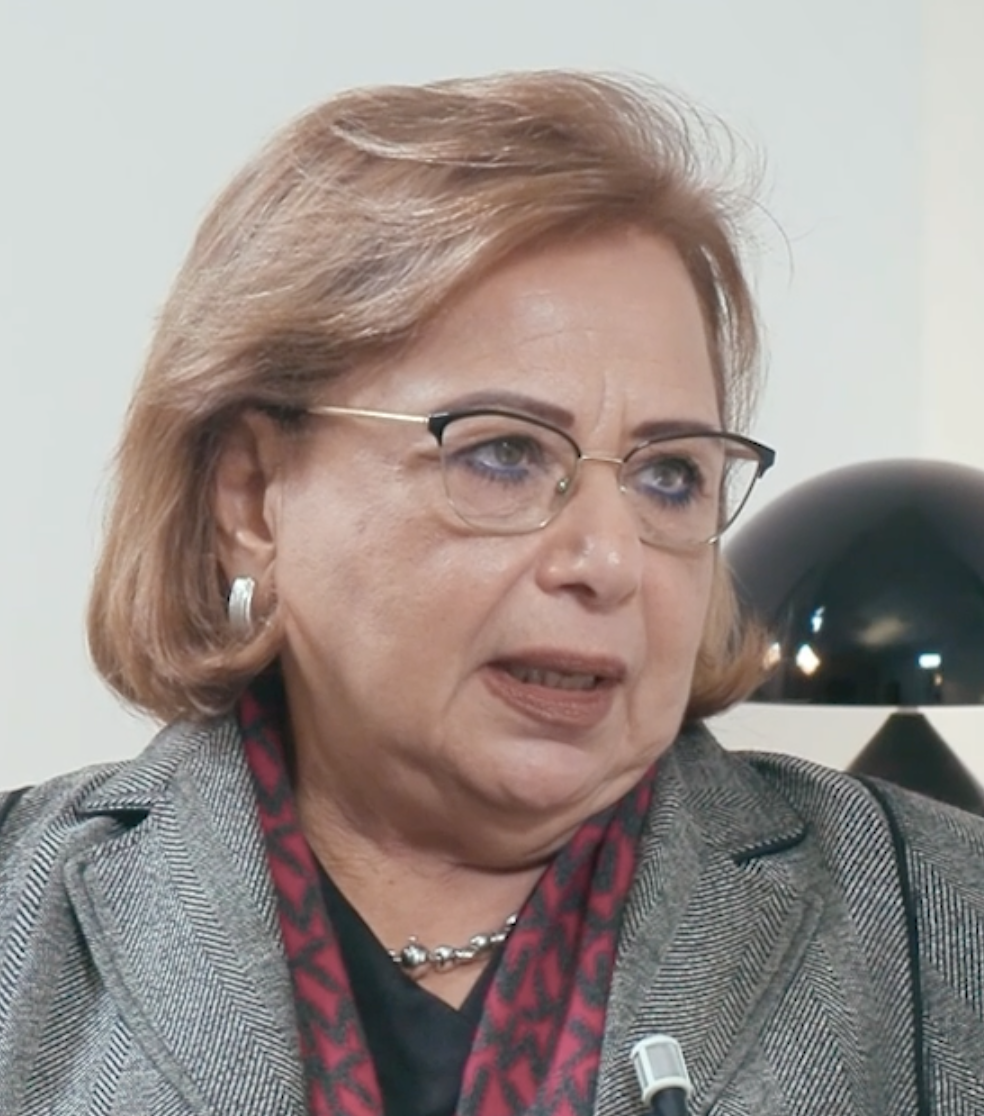
Naglaa Al-Hawani
Professeur d'économie à l'Université du Caire et ancienne ministre de la Coopération internationale
...

RELATED CONTENT

  • Authors
    Pierre-Richard Agénor
    January 24, 2015
    L’économie marocaine fait actuellement face au risque de se retrouver « prise en tenaille », entre, d’un côté les pays à faible revenu en croissance rapide, bénéficiant d’une main-d’oeuvre abondante et bon marché, et, de l’autre, les pays à moyen revenu, capables d’innover rapidement. De plus, les investissements massifs de la Chine en Afrique subsaharienne ont contribué à accélérer la participation de certains pays de cette région à la nouvelle division internationale du travail, p ...
  • Authors
    Prakash Loungani
    January 24, 2015
    Seven years after the onset of the Great Recession, the global unemployment rate has returned to its pre-crisis level: the jobless rate fell to 5.6% in 2014; essentially the same as in 2007, the year before the recession. Chart 1: Global Unemployment Back to Pre-Crisis Level but Remains High in OECD (Average of unemployment rates for 105 countries, percent) Sources: IMF, and Economist intelligence Unit Calculations.   Note: Based on data for 105 countries that publi ...
  • Authors
    Pierre-Richard Agénor
    January 24, 2015
    OCP Policy Center est ravi de recueillir vos commentaires et d’engager la discussion autour de la publication de son dernier livre sur la stratégie de croissance du Maroc à l’horizon 2025 dans un environnement international en mutation, co-écrit par Pierre Richard Agénor et Karim El Aynaoui. L’économie marocaine fait actuellement face au risque de se retrouver « prise en tenaille », entre, d’un côté les pays à faible revenu en croissance rapide, bénéficiant d’une main-d’œuvre abond ...
  • Authors
    January 23, 2015
    The year just ending disappointed economic forecasters, as did the year prior, and the one before that. The aftereffects of the Lehman crisis, now over six years old, and of the subsequent sovereign crisis in Europe, have been systematically underestimated and continue to plague us.  Although the outlook for 2015 is foggier than usual, there are significant areas of strength and many signs that the world economy continues to heal, beginning from here in the United States. &nbs ...
  • Authors
    January 14, 2015
    The International Jobs Report offers an analysis of labor market conditions since the end of the 2008-09 global recession. It also provides forecasts of GDP and employment by the IMF and the International Labor Organization (and by a private-sector company, The Economist Intelligence Unit), to spur discussion and debate. Future editions will update and expand on this analysis, opening a window on to a global labor market that is improving, but not nearly fast enough to help the tens ...
  • Authors
    Abderrahmane Mebtoul
    December 1, 2013
    L’intégration du secteur informel ne peut être réalisée sans l’existence d’un Etat de droit et elle nécessite une cohérence des politiques de développement, qui s’impose plus que jamais face à l’ampleur des économies parallèles. L’intégration du secteur informel ne pourra pas se faire non plus sans une sérieuse amélioration du niveau d’éducation et une véritable réduction des inégalités hommes/femmes ...