Gouvernance et biens communs : repenser la coopération dans un monde fragmenté

January 16, 2025

Alors que les défis globaux – changement climatique, transition énergétique, montée des conflits – s'accumulent, les outils multilatéraux peinent à offrir des solutions efficaces. La montée du protectionnisme et des intérêts nationaux exacerbe ces tensions, tandis que l'Afrique, riche en ressources stratégiques, s'impose comme un acteur incontournable. La souveraineté économique, la transformation locale des ressources et l'équité dans les échanges deviennent des impératifs pour une gouvernance mondiale qui réponde véritablement aux besoins des populations et des générations futures.

Speakers
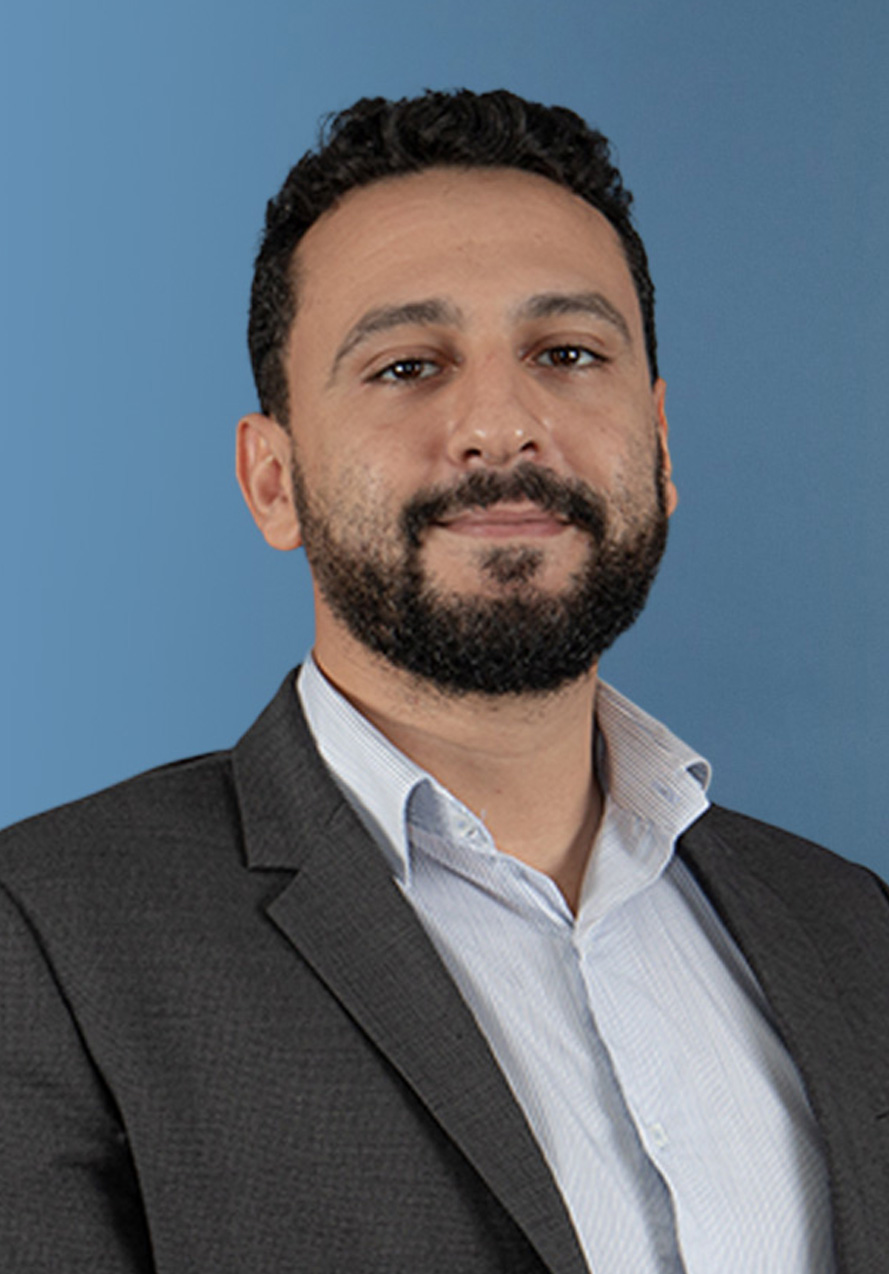
Akram Zaoui
Chargé de Mission to the Executive President
Akram Zaoui is a Senior International Relations Specialist and Chargé de Mission to the Executive President at the Policy Center for the New South (PCNS). Prior to this, he was Manager of Research Support and the Public Policy Lab at the PCNS. His main area of interest is the geopolitical economy of the Extended Middle East and North Africa (MENA) region. From 2018 to 2020, Zaoui was the coordinator of a network of 70+ civil society organizations (CSOs) across France, working with foundations, government, local communities, and the private sector. Zaoui holds a dual degree in corporate and public management from HEC Paris and Sciences Po, as well as a bachelor's degree (licence) in history from Université Paris 1 Panthéon-Sorbonne. He audited courses in Iranian and Shia Stud ...
  • December 16, 2022
    insights on Globalization between yesterday and tomorrow. In fact, although the process of linking countries together through Trade and Financial Flows has resulted in an improvement of living standards around the World, as it is the case of many countries in Asia, Latin America and Afr...
  • December 16, 2022
      The rise of inequality is becoming one of the biggest concerns for developed, developing and emerging economies. Nowadays, more than ever, it is becoming an extremely important issue facing many economies around the world, not only from an equity point of view but also from an e...
  • December 16, 2022
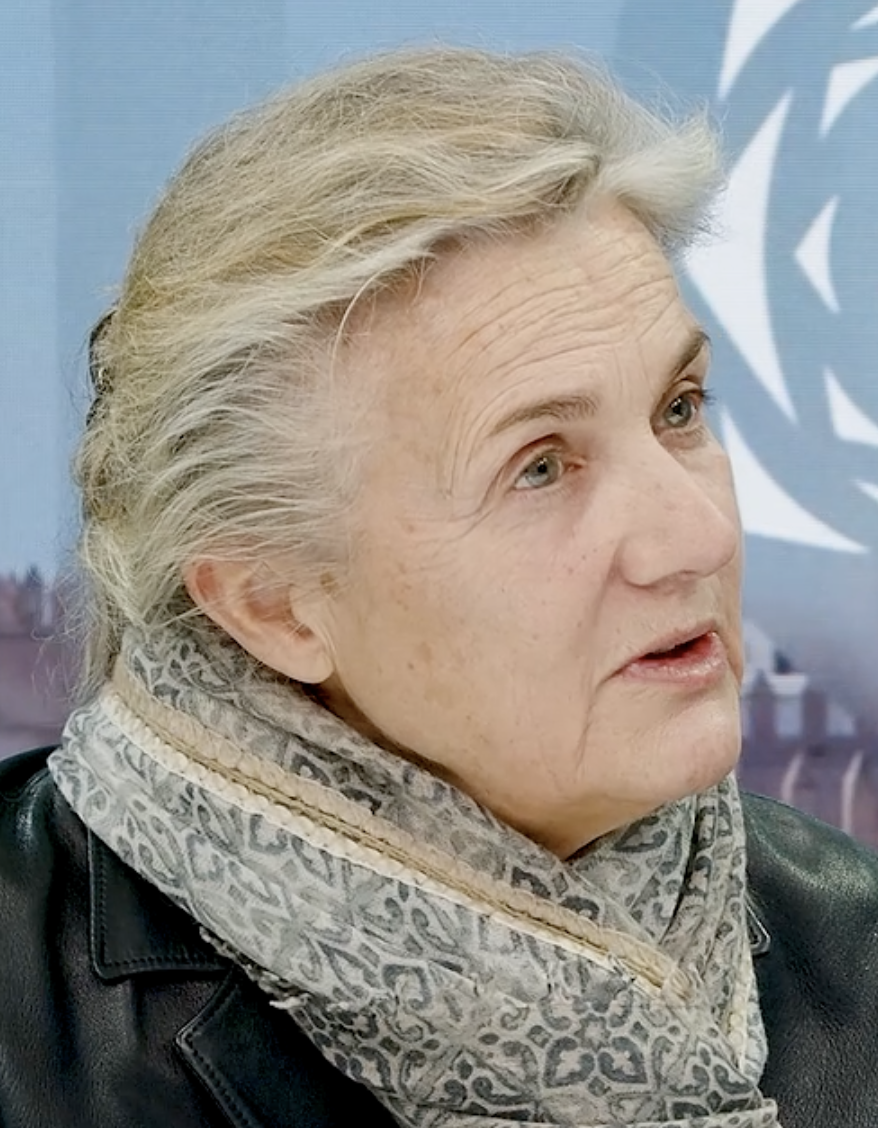
    In this video recorded during the Atlantic Dialogues, our Columnist Mr. Helmut Sorge interviews Ms. Ana Palacio, Spain's Former Minister of Foreign Affairs on the position of Spain and Europe towards the War in Ukraine, the interview also tackles different questions regarding Energy, se...
  • December 16, 2022
    Dans cette interview tournée au cours des Atlantic Dialogues, Monsieur Helmut Sorge interroge le Ministre Hubert Védrine sur ses impressions sur un monde aussi troublé qu’aujourd’hui suite à la guerre Russo-Ukrainienne. Monsieur Védrine nous fait part de son analyse ainsi que son étude ...
  • December 16, 2022
    In this video recorded during the Atlantic Dialogues, our Columnist Mr. Helmut Sorge interviews Mr. Alessandro Minuto-Rizzo, President of the NATO Defense College Foundation in Rome on the NATO’s reactions amidst the War in Ukraine, Mr Minuto answers questions on how countries of the Na...
  • Authors
    Ahmed Rachid El-Khattabi
    Alessandro Minuto-Rizzo
    Amaye Sy
    Hamza Rkha Chaham
    Ian O. Lesser
    Jorge Castañeda
    Moubarack Lo
    Umberto Profazio
    December 14, 2022
    This ninth edition of “Atlantic Currents” appears in an international context marked predominantly by a ten month-war between Russia and Nato members that began February 2022. The war is affecting not only the European and American member States directly and actively involved in an unprecedented manner, but more importantly the countries of the global South that have suffered collateral damage. Indeed, the nations of the world were barely out of the most painful and costly phase o ...
  • Authors
    December 9, 2022
    The global wave of democratic retrenchment has not spared North Africa as seen in the cases of Tunisia and Sudan, where democratic transitions have stalled or regressed into autocracy. How do to explain Tunisia and Sudan’s troubled transitions from authoritarian rule? Both states are attempting to transition from single-party authoritarianism. In both cases, economic crises exacerbated by COVID, the Russian-Ukraine war, and involvement by external actors stymied the fragile transiti ...