(FR) Phosphate and Fertilizer Industry in Morocco

April 15, 2026

Cet épisode explore l’industrie des phosphates au Maroc, qui abrite 70 % des réserves mondiales et est portée par le Groupe OCP. De son leadership mondial dans les engrais à un repositionnement stratégique vers l’Afrique, OCP soutient la transformation agricole et la création de valeur. Les investissements dans l’ammoniac vert, les énergies renouvelables et les technologies illustrent des efforts en faveur de la durabilité et de l’indépendance énergétique. À travers la Fondation OCP, l’innovation et la recherche à l’Université Mohammed VI Polytechnique renforcent davantage l’empreinte économique et scientifique du Maroc.

Speakers
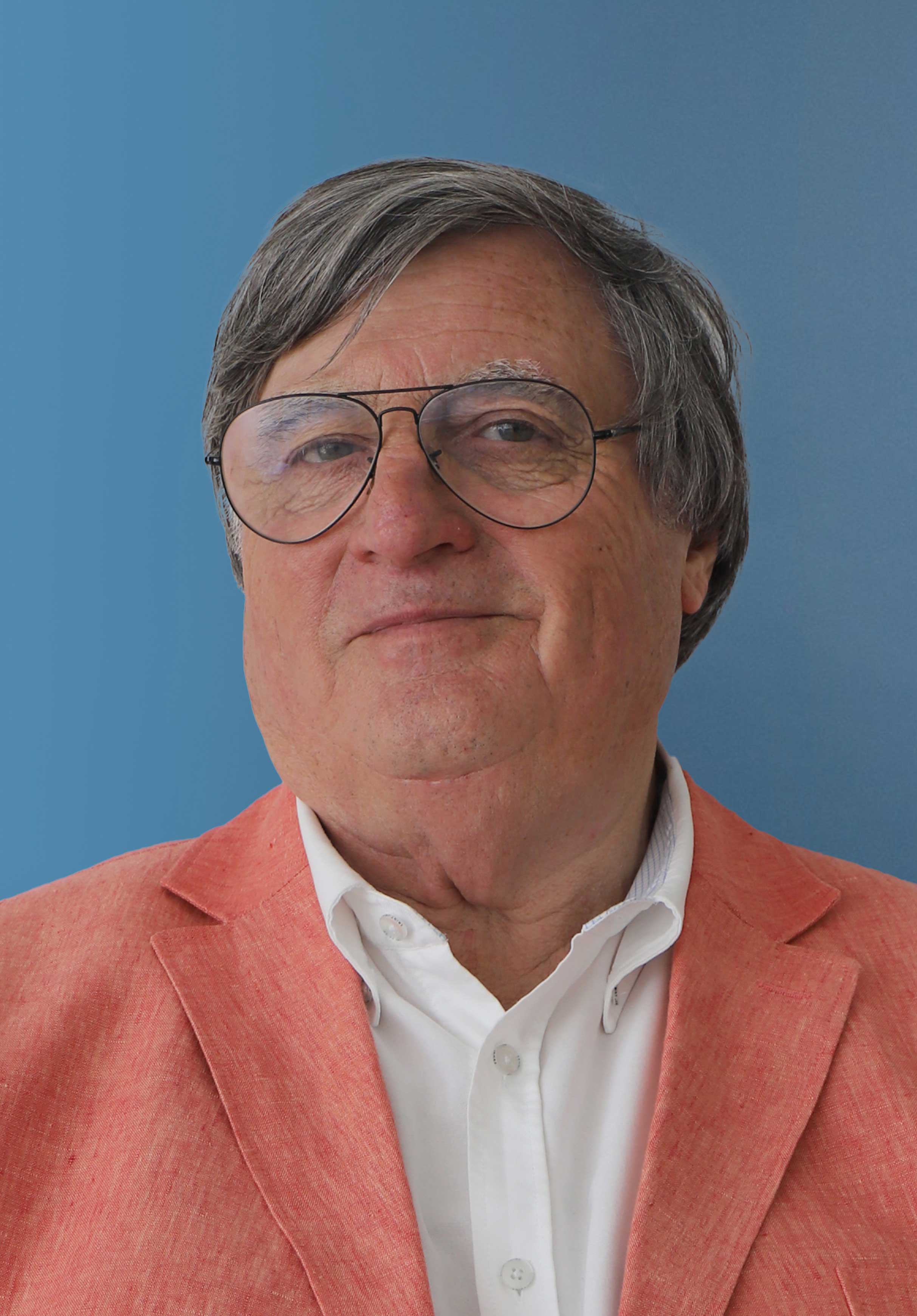
Henri-Louis Védie
Senior Fellow
Henri Louis Vedie is a Senior Fellow at Policy Center for the New South. Holding a doctorate in economic sciences from Dauphine University Paris, and a graduate in Law from Université Paris I, Henri-Louis Vedie is also Professor Emeritus at HEC Paris, where he teaches in the Paris campus as well as Moscow, Varsovia, Belgrade, Abu Dhabi, Rabat, and more.  Author of sixteen books, of which the last few concerned Morocco and sovereign funds, hundreds of articles (of which some where translated in English, French, Arabic, Polish and Russian), Henri-Louis Vedie was also a consultant for the European Council and a member of the Economic, Social and Environmental board in Paris. ...
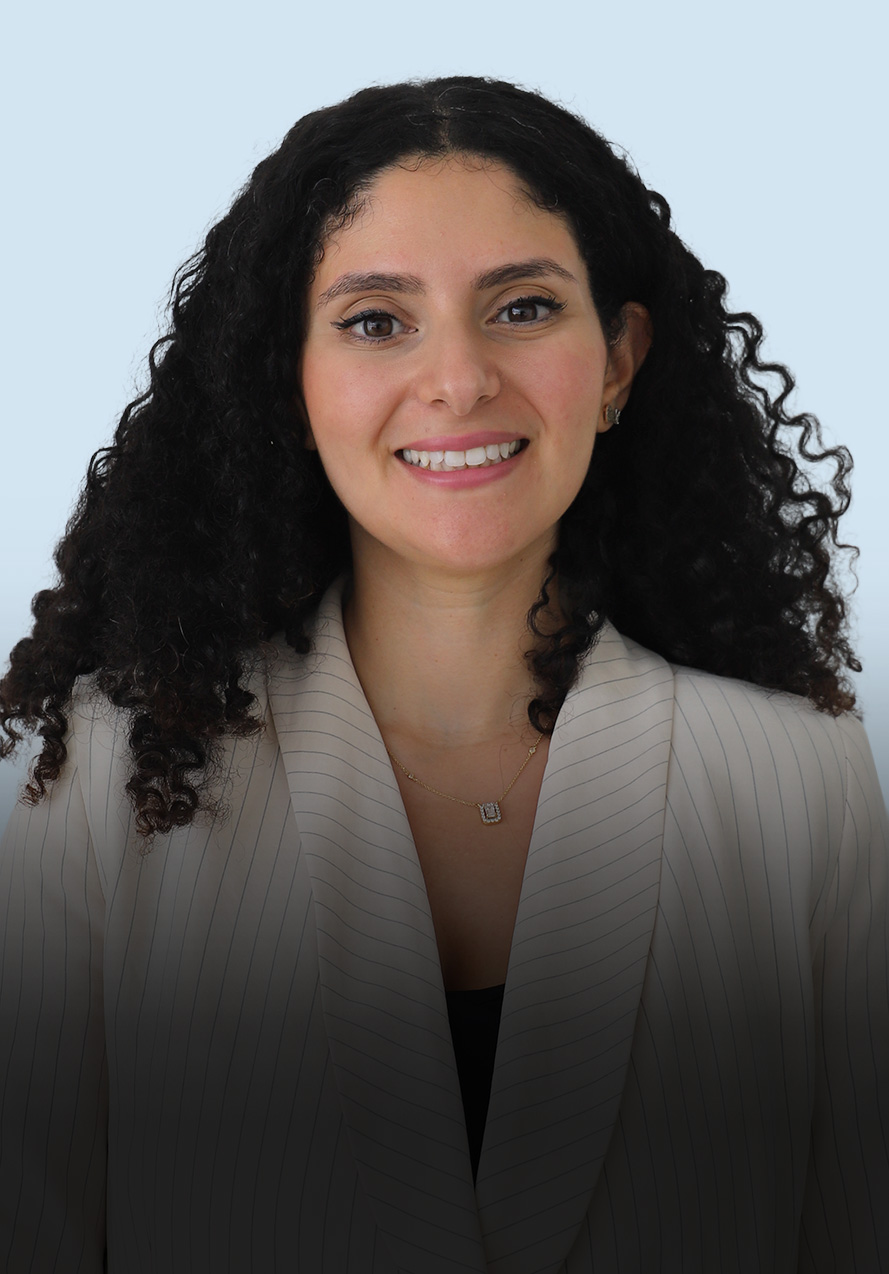
Sabrine Emran
Senior Economist
Sabrine Emran is a Senior Economist at the Policy Center for the New South (PCNS).At the PCNS, Sabrine Emran conducts research on the Energy Transition, Climate Finance, and Critical Minerals, focusing on the energy priorities of developing countries in the context of sustainable development, just energy transition, and global climate commitments.Before joining the PCNS in 2022, Sabrine Emran worked as a Commodities Analyst and Risk Management Consultant, specializing in agricultural and energy commodities as well as foreign exchange risk. She also held a position at Lyxor Asset Management as Request for Proposal and Product Specialist, where she focused on alternative investment asset classes and collaborated closely with institutional investors.Sabrine Emran holds a master’s ...


RELATED CONTENT

  • Authors
    Under the direction of
    Philippe Chalmin
    June 7, 2017
    In 2016, the countenance of Africa emerged slightly reassured. While global growth has remained fairly dull, with sluggish international trade and economic packages on the continent continuing to fail, the rebound of prices for many commodities along with a sustained investment dynamics have somewhat dispersed the threatening clouds that had obscured its economic horizon in 2015. A slight improvement therefore, but which should not make us forget that the macroeconomic performance o ...
  • Authors
    May 25, 2017
    For its 6th edition, the Tana High-Level Forum on Security in Africa, held in Bahir Dar on Lake Tana in Ethiopia from April 22 to 23, 2017, focused on the theme of Natural Resource Governance in Africa. One of the forum session’s key discussion points sought to "understand and explain why the exploitation of these resources is increasingly a source of tension and violence, which have dramatic repercussions on the continent’s peace and stability." During the various events throughout ...
  • April 25, 2017
    Chinese investors are increasingly interested in Africa. Some criticize them for privileging mining investments. A 2017 analysis of these investments shows that investments in mining have not been the only ones privileged by the Chinese operators. Many other sectors such as transport and energy have benefited from Chinese investments, much more so than the mining sector, for example. ...
  • Authors
    April 12, 2017
    We argue in this paper that electricity production needs to be multiplied by a large factor in the coming years for East Africa to reach the economic growth rate it deserves after the improvement of its socio-political situation. The rural electrification rate in North Africa as represented for instance by Morocco was higher than 99.50% in the first quarter of 2017 while it was barely 10% in some parts of Western Kenya. We also make the case for hydroelectricity as the adequate ren ...
  • Authors
    Youssef El Hayani
    November 11, 2016
    Africa is endowed with an abundance of renewable (forestry, water, wind, solar) and non-renewable (extractives, oil, gas, minerals) natural resources. It is estimated that the continent accounts for about 7% of global oil reserves, 7% of natural gas, 20% of land area, 9% of renewable water resources and 17% of forests. The continent is also home to the largest or second largest world reserves of bauxite, cobalt, industrial diamonds, manganese, phosphate rock and platinum group ...
  • Authors
    June 10, 2016
    Après avoir enregistré des baisses considérables au cours de l'année 2015, les prix des matières premières non renouvelables ont repris de la vigueur sur les quatre premiers mois de l'année 2016 avec, à la clé, une question essentielle pour nombre de pays et d'acteurs économiques : novembre 2015 peut-il être considéré comme le point bas du cycle permettant de croire à une reprise, sinon soutenue, du moins durable des marchés ? L'hypothèse semble raisonnable, mais les développements ...