(FR) Phosphate and Fertilizer Industry in Morocco

April 15, 2026

Cet épisode explore l’industrie des phosphates au Maroc, qui abrite 70 % des réserves mondiales et est portée par le Groupe OCP. De son leadership mondial dans les engrais à un repositionnement stratégique vers l’Afrique, OCP soutient la transformation agricole et la création de valeur. Les investissements dans l’ammoniac vert, les énergies renouvelables et les technologies illustrent des efforts en faveur de la durabilité et de l’indépendance énergétique. À travers la Fondation OCP, l’innovation et la recherche à l’Université Mohammed VI Polytechnique renforcent davantage l’empreinte économique et scientifique du Maroc.

Speakers
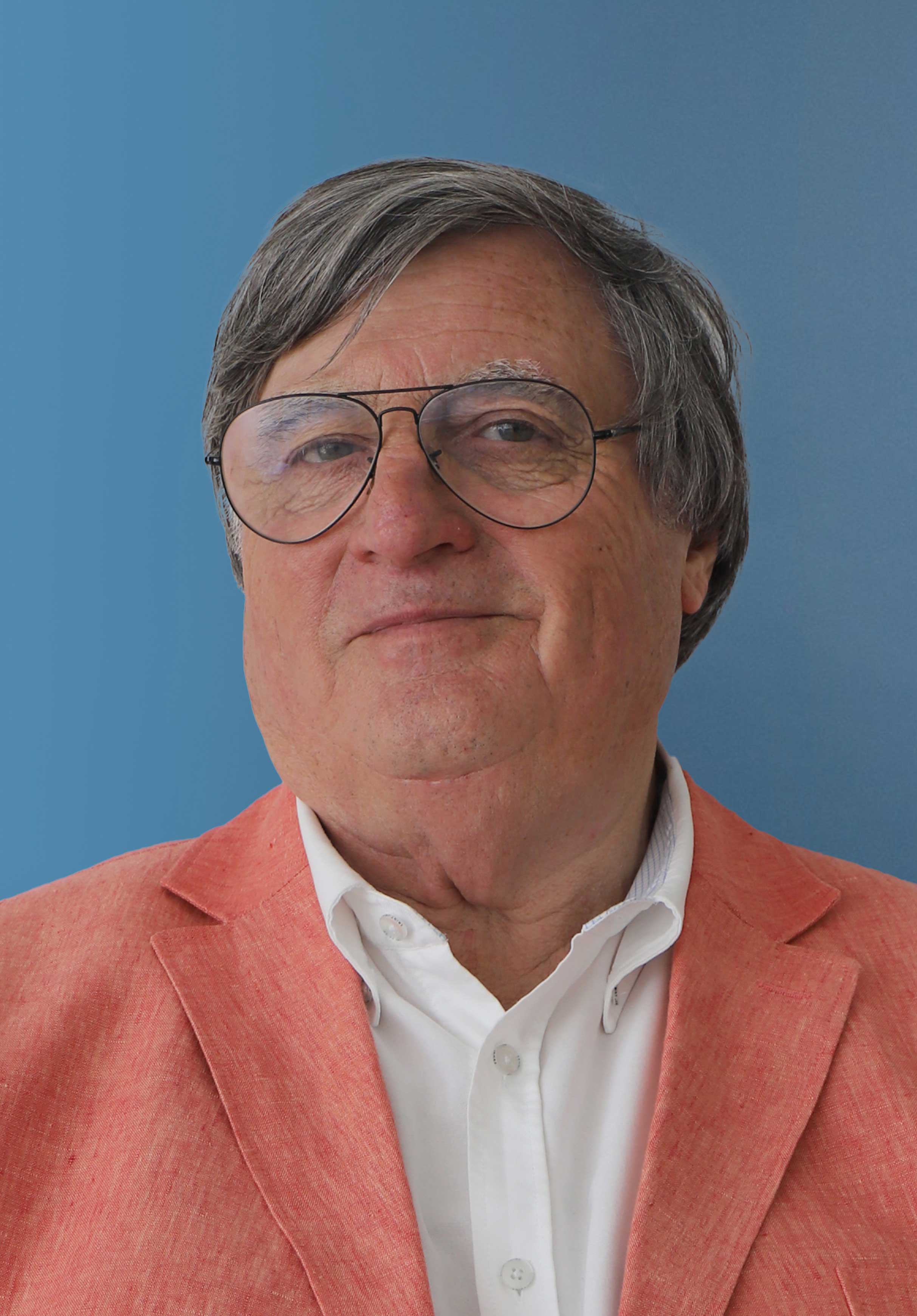
Henri-Louis Védie
Senior Fellow
Henri Louis Vedie is a Senior Fellow at Policy Center for the New South. Holding a doctorate in economic sciences from Dauphine University Paris, and a graduate in Law from Université Paris I, Henri-Louis Vedie is also Professor Emeritus at HEC Paris, where he teaches in the Paris campus as well as Moscow, Varsovia, Belgrade, Abu Dhabi, Rabat, and more.  Author of sixteen books, of which the last few concerned Morocco and sovereign funds, hundreds of articles (of which some where translated in English, French, Arabic, Polish and Russian), Henri-Louis Vedie was also a consultant for the European Council and a member of the Economic, Social and Environmental board in Paris. ...
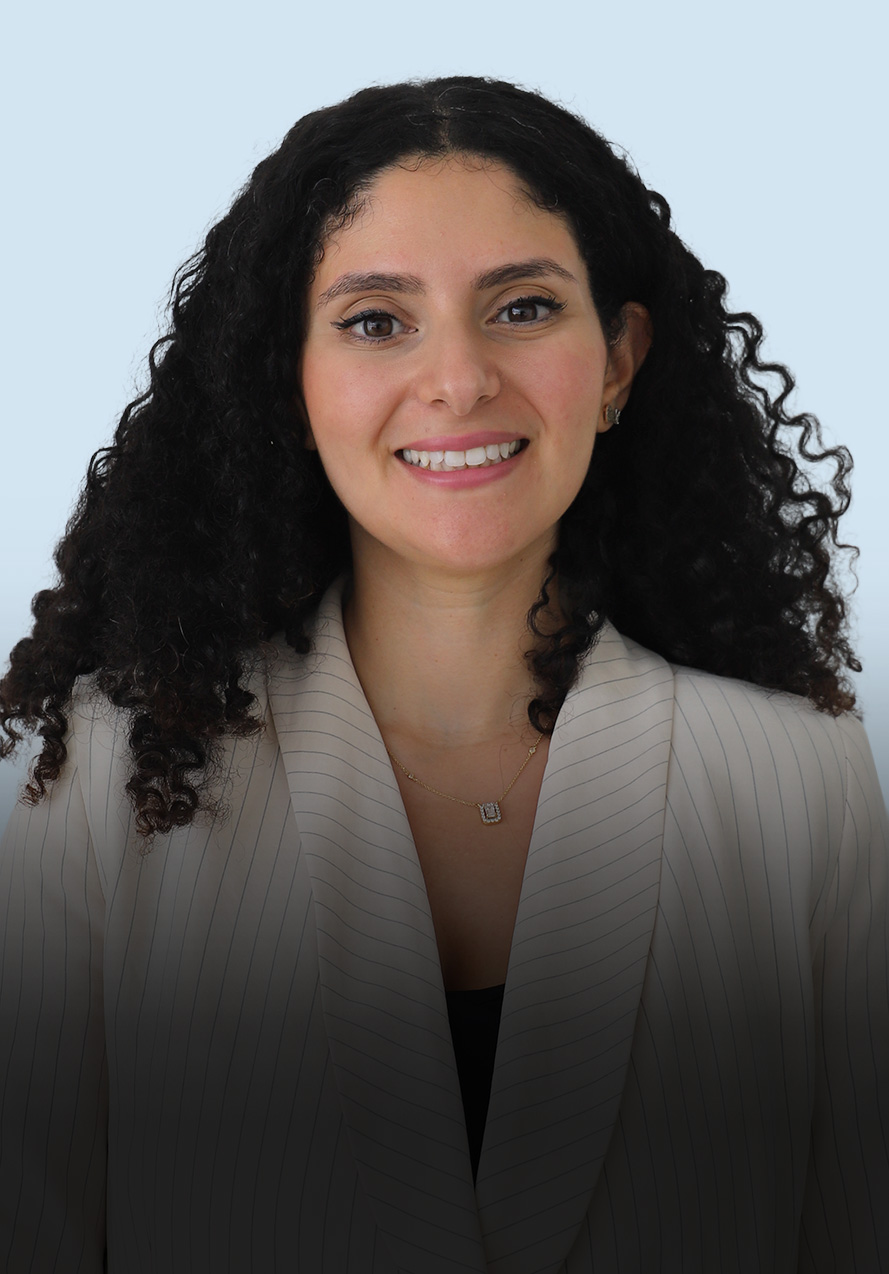
Sabrine Emran
Senior Economist
Sabrine Emran is a Senior Economist at the Policy Center for the New South (PCNS).At the PCNS, Sabrine Emran conducts research on the Energy Transition, Climate Finance, and Critical Minerals, focusing on the energy priorities of developing countries in the context of sustainable development, just energy transition, and global climate commitments.Before joining the PCNS in 2022, Sabrine Emran worked as a Commodities Analyst and Risk Management Consultant, specializing in agricultural and energy commodities as well as foreign exchange risk. She also held a position at Lyxor Asset Management as Request for Proposal and Product Specialist, where she focused on alternative investment asset classes and collaborated closely with institutional investors.Sabrine Emran holds a master’s ...

RELATED CONTENT

  • Authors
    Christos Daoulas
    August 22, 2019
    This note approaches the relationship between natural wealth and economic growth, using the case of Sub-Sahara African economies as an illustration. Delving into recent World Bank reports, it highlights how a sustained positive correlation between natural capital and GDP growth happens through the transformation of the former into other forms of assets: produced capital, human capital and other intangible assets. Governance features and the quality of macroeconomic policies are of t ...
  • Authors
    Holger Hoff
    Sajed Aqel Alrahaife
    Rana El Hajj
    Kerstin Lohr
    Nadim Farajalla
    Kerstin Fritzsche
    Guy Jobbins
    Gül Özerol
    Robert Schultz
    Anne Ulrich
    May 13, 2019
    Adopting an integrated approach to the management and governance of natural resources including land, water and energy is seen as an effective way to improve the sphere of production while respecting the environment. Fatima Ezzahra Mengoub, economist at the Policy Center for the New South, was invited by Stockholm Environment Institute, alongside other prestigious research centers with expertise in environmental studies, to co-author this research paper and share her analysis of th ...
  • Authors
    Sabine Cessou
    April 16, 2019
    Le rapport Arcadia a été présenté le 9 avril à Paris par le Policy Center for the New South (PCNS) et le Cercle CyclOpe. Ce document de référence fait chaque année le point sur la conjoncture des matières premières africaines. “Elles restent essentielles, avec une forte dépendance pour nombre de pays et une gestion de la rente relativement problématique”, a affirmé en introduction Philippe Chalmin, président du Cercle CyclOpe. Fortement exposées aux chocs extérieurs, les écono ...
  • Authors
    Under the direction of
    Philippe Chalmin
    April 9, 2019
    Commodity prices were once again marked by significant volatility in 2017 and 2018. While there are many economic factors to explain this, politics were also present—trade tensions between China and the United States and, more generally, a rise in uncertainties—weighing upon the global macroeconomic outlook and the ‘dynamism of the markets’. Africa, which has countries with strong growth rates, has, however, been able to show solid economic performance, and this trajectory is not li ...
  • Authors
    Philippe Chalmin
    February 27, 2019
    Rarement, autant qu’en 2018, les marchés mondiaux de matières premières et de commodités auront été lle jouet non pas des tendances des « fondamentaux » (offre/demande et leur évolution), mais bien des convulsions d’une situation géopolitique mondiale qui, sous la houlette quelque peu déréglée des États-Unis de Donald Trump, a été particulièrement imprévisible. En effet, si 2018 restera dans les annales des marchés, c’est bien parce que les matières premières se sont retrouvées au p ...
  • Authors
    February 11, 2019
    Rentier state theory grew out of an attempt to understand political development in the oil-rich states of the Middle East. The framework has since been applied to understand the politics of resource-rich countries in Latin America, Asia and Africa, with proponents arguing that rentier states tend to suffer from poor governance because state officials use “unearned income” to avoid institution-building and to suppress calls for democracy. This Policy Brief will discuss whether a fram ...
  • Authors
    August 13, 2018
    Depuis la fin de l’année 2017, le président Donald Trump mène plusieurs batailles commerciales, contre différents partenaires, sous prétextes de sauver des emplois industriels américains et de réduire le déficit commercial des États-Unis. S’il est difficile de se prononcer sur les effets des combats commerciaux amorcés par le président Trump, l’importance des opposants et des échanges pour l’économie mondiale en fait une source de risque pour la croissance, les emplois et les prix à ...
  • Authors
    August 1, 2018
    Comme le rappelle le Policy brief 17/32 consacré en large part à l’hypothèse dite de « Prebisch-Singer », la dynamique du prix des matières premières se décompose en tendance de très long terme, en cycle et en instabilité (volatilité) à court terme (Jacks, 2013)1 . La flambée du cours des matières premières sur la période 2002-2012 avait, dans cette perspective, conduit nombre d’observateurs à évoquer l’existence d’un « super-cycle » alimenté par la hausse structurelle de la demande ...
  • Authors
    Benjamin Augé
    May 23, 2018
    The fall in oil prices, which began in fall 2014, had a significant influence on the strategies of the key players in the oil industry in Africa. The continent’s oil sector has experienced deep-reaching changes, ranging from a drop in exploration budgets, the disappearance or sale of weakened companies, the reorganization or pullback of the traditional oil majors, the establishment of new companies and the arrival of state-owned companies attracted by the crisis-induced windfall eff ...