(FR) Moroccan Industrial Policy

May 6, 2026

Dans cette interview, l’évolution de la politique industrielle marocaine est analysée : planification étatique (1960–1980), libéralisation (1980–1990), puis intégration dans les chaînes de valeur mondiales (à partir des années 2000). Aujourd’hui, face au protectionnisme et au nearshoring, le Maroc doit capitaliser sur ses atouts structurels et renforcer les partenariats public-privé et régionaux.

Speakers
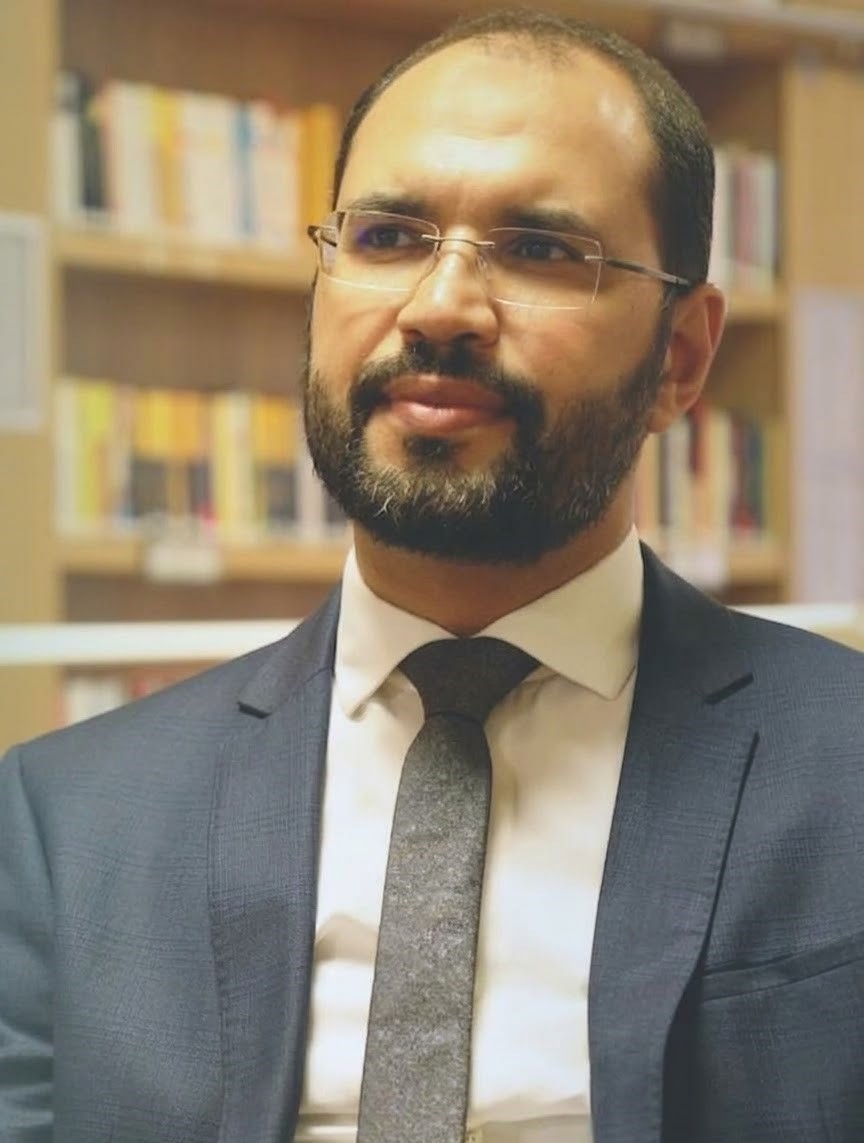
Ilyes Boumahdi
Head of division, Evaluation of Sectoral Policies, Ministry of Economy and Finance
Ilyes Boumahdi has a PhD in quantitative economics (2023, INSEA). He has been Head of Service at DEPF/Ministry of Economy and Finances since 2002 and an adjunct professor at INSEA since 2007. He has had several research papers published in Scopus indexed journals elating to regional disparities, smart specialization, spatial evaluation of well-being, and unconventional big data. He also holds a Specialized Master of Public Action (2020, UM6P-Benguerir and Ecole des Ponts ParisTech), a Diploma of Advanced Studies in Statistics (2001, Free University of Brussels), an Engineer Diploma in Statistics (2000, INSEA), and a Bachelor’s degree in Mathematics (2000, Mohamed V University). ...
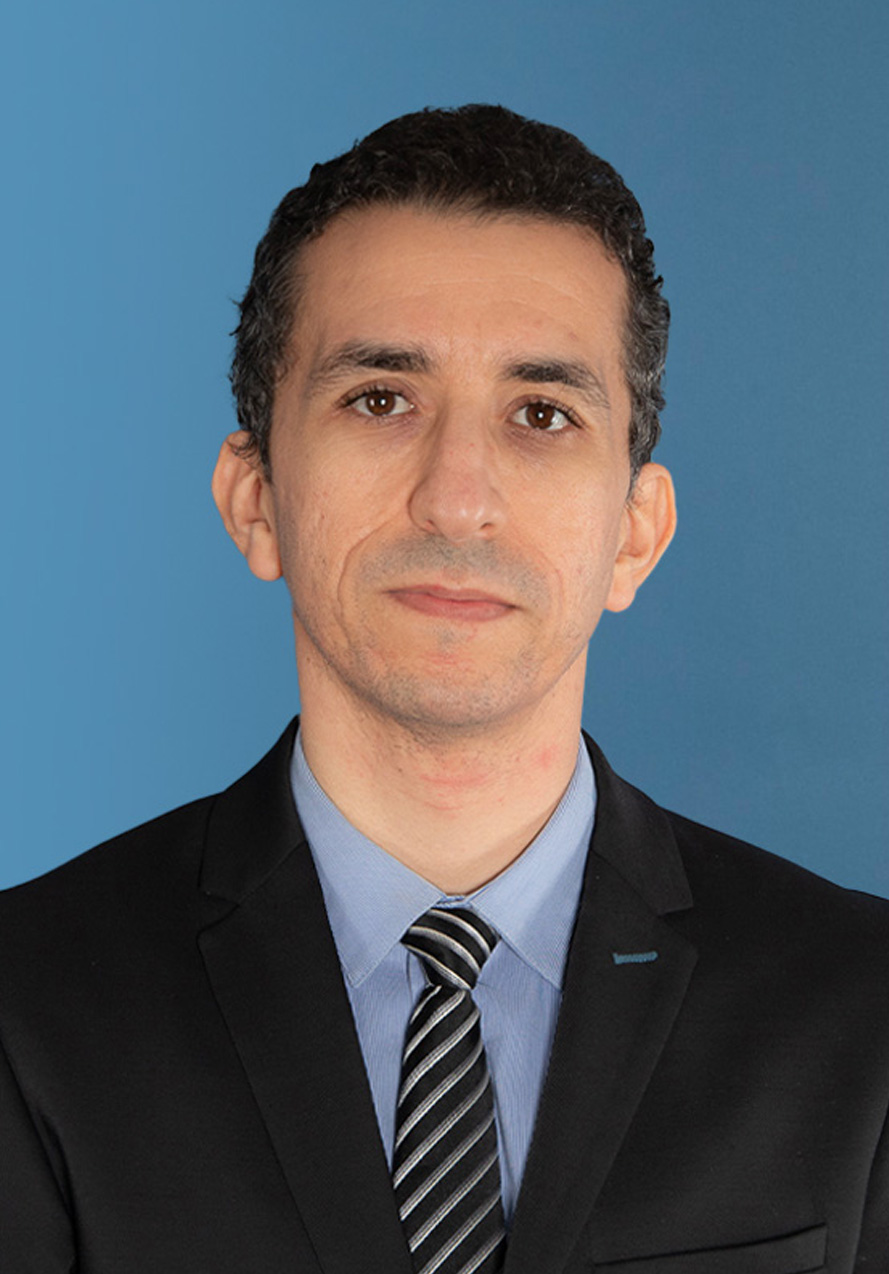
Abdelaaziz Ait Ali
Head - Research in Economics
Abdelaaziz Ait Ali is a principal Economist and head of the Research Department at the Policy Center for the New South. He joined the Center in 2014 after five years of experience at the Central Bank of Morocco. He worked as an economist in the International Studies and Relations Department and was analyzing the real estate price index and financial asset prices for monetary policy and financial stability purposes. Since then, Abdelaaziz has focused on cyclical and structural issues of the Moroccan economy, including macroeconomic management and industrial policy design. He has published articles on the reform of the exchange rate regime in the Moroccan economy and its implications for macroeconomic regulation, as well as on the evolution of the macroeconomic framework over th ...

RELATED CONTENT

  • Authors
    Michael L. Lahr
    Dina N. Elshahawany
    Moisés Vassallo
    October 13, 2016
    We develop an interregional computable general equilibrium model to help assess the ex ante impact of transportation infrastructure policies in Egypt. The model is integrated with a GIS network. We illustrate the analytical capabilities of the model by looking at the domestic integration of the country. Improvements of transportation costs among Egyptian governorates and of their links to the broader world economy are considered in stylized simulations. The results provide quantitat ...
  • Authors
    Karim EL Mokri
    October 13, 2016
    Morocco is now more than ever threatened by the trap of middle-income economies. On one hand, it is caught between increased competition from low-income countries in low productivity and labor-intensive sectors and, on the other hand, the difficulty of accelerating its pace of structural transformation towards activities with higher value added and higher technological content. International experience shows that few countries have managed to climb to the status of an advanced econo ...
  • Authors
    Nisrine Ouazzani
    January 6, 2016
    The economic growth of the African continent and its positioning as an emerging force is a reality no longer questioned. Optimism surrounding the Africa rising narrative is supported by a growing young workforce, an expanding middle class, new discoveries of natural resources and minerals, relative political stability and infrastructure developments. Economic and international financial actors now recognize the potential that the continent represents for the world economy, consider ...
  • Authors
    December 23, 2015
    Global economic growth is likely to be a little better in 2016 than this year’s lackluster outcome. The ongoing slow recovery in the United States and Europe is likely to continue. However, weakness in China as well as several large emerging markets, and sluggishness of world trade, mean that risks are weighted on the downside of this forecast. Morocco, which is reliant on European markets, is a heavy importer of oil, and whose currency has devalued in effective terms, should find t ...
  • Authors
    Clémence Vergne
    November 19, 2015
    Au cours de la dernière décennie, le Ghana a enregistré des taux de croissance moyens supérieurs à 7 % par an, ce qui lui a permis d’accéder au statut de pays à revenu intermédiaire de la tranche inférieure. Toutefois, la croissance a récemment marqué le pas pour s’établir à 4,2 % en 2014, ce qui soulève la question de la pérennité du modèle de développement du pays. Le Ghana se trouve désormais à un stade critique de son processus de développement. Une transformation structurelle ...
  • Authors
    Roger Nord
    September 18, 2015
    Sub-Saharan Africa’s trade flows increased sharply, multiplying by a factor of five over the past 20 years. Is this boom built on commodities only?  My answer is no ! Many countries have increased their integration in global value chains. But, it is also clear that sub-Saharan Africa still has some way to go. Increased trade boosts for growth Over the last two decades, the export-to-GDP ratio in sub-Saharan Africa increased from 20½ percent in 1995 to 27½ percent in 2013. Thi ...
  • July 21, 2015
    The 16th Annual Global Development Conference has been dedicated this year to the theme of ‘Agriculture for Sustainable Growth: Challenges and Opportunities for a New ‘Green Revolution’.  One of the sub-themes that has been addressed during this event is related to the design of the optimal agricultural policy supposed to lead towards development, especially in low-income countries. The objective of this blog is to cover the key elements that make an agricultural policy su ...
  • Authors
    Karim EL MOKRI
    July 6, 2015
    « Les asymétries et l’instabilité du marché des matières premières dans les pays en développement : politiques et impacts sur le développement », une problématique d’un intérêt particulier pour ces pays, a fait l’objet d’un séminaire de recherche organisé par la Fondation pour les Etudes et Recherches sur le Développement International (Ferdi), les 24 et 25 juin 2015 à Clermont-Ferrand. Cet évènement a été tenu la veille du workshop co-organisé par la Ferdi et OCP Policy Center ...